RoboCop
"Steel skin. Broken memories. Corporate property."
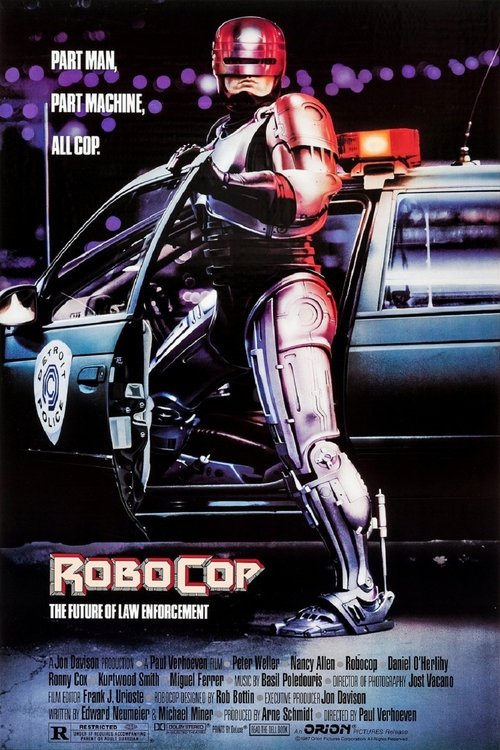
The first time I sat down to watch Paul Verhoeven’s RoboCop, I was expecting a high-octane toy commercial. It was the late 80s, after all, and the shelves of my local Mom-and-Pop video store were groaning under the weight of "invincible hero" tapes. But as the Orion Pictures logo faded into a mock news broadcast, I realized I wasn't watching a celebration of American policing; I was watching its autopsy.
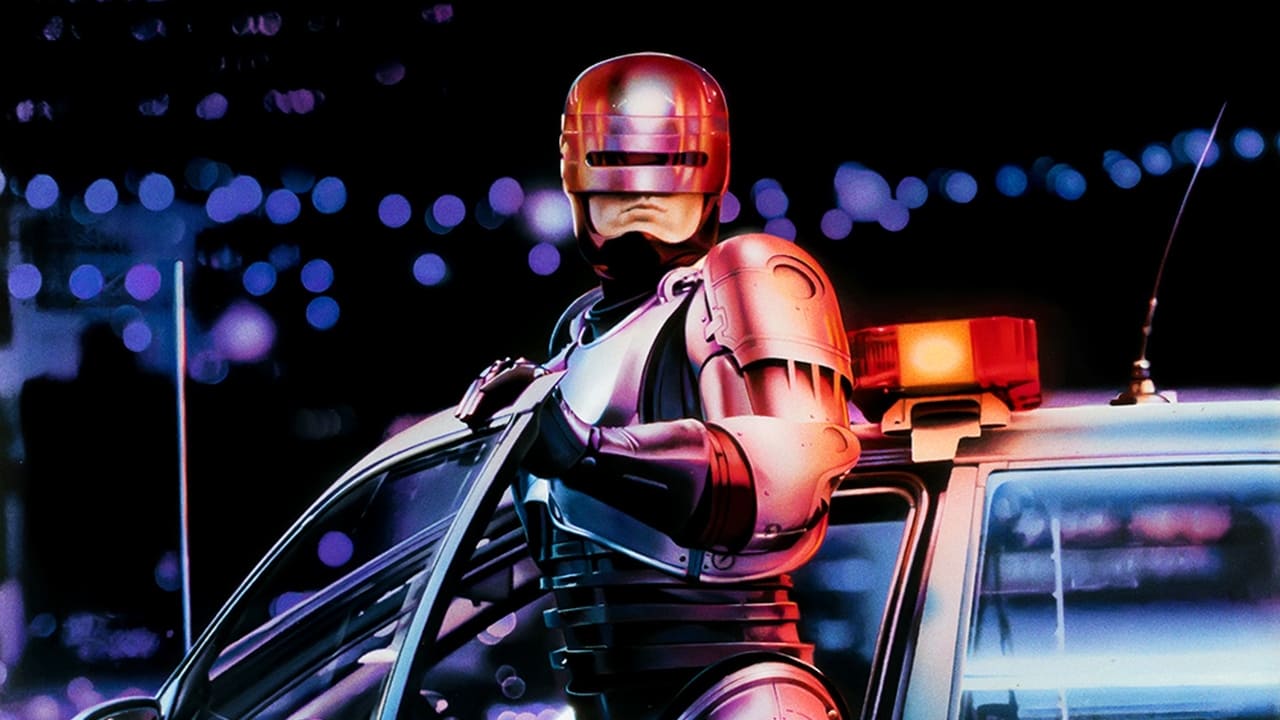
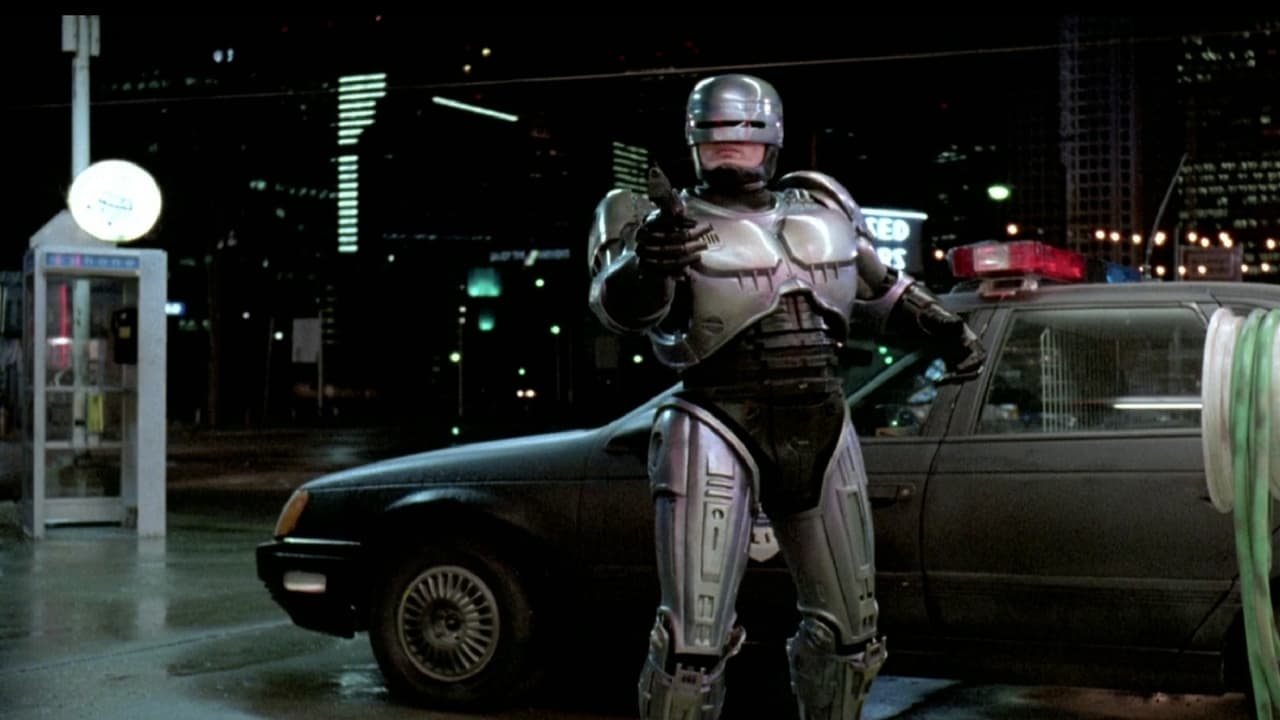
I actually watched this particular 4K restoration while nursing a mild case of food poisoning from a questionable street taco, and weirdly, the nausea perfectly complemented the film’s grim, industrial atmosphere. There is a specific, oily texture to 1987 Detroit—a mix of flickering CRT monitors, rain-slicked pavement, and the orange glow of a city that has been sold to the highest bidder.
The Tragedy of the Tin Man
At its heart, RoboCop isn't an action movie about a robot; it’s a horror movie about a man who is murdered and then denied the peace of the grave. Peter Weller delivers one of the most disciplined performances in the genre's history. He spent months working with a mime to perfect the "Robo-movement," but his real triumph is in the lower half of his face and those haunting, mournful eyes. When he eventually returns to his former home—now a vacant, sterile shell staged for sale—the film shifts from a shootout to a ghost story.
The violence here is famously over-the-top, but it never feels "fun" in the way a Schwarzenegger flick does. The execution of Alex Murphy is a grueling, agonizing sequence that still makes me wince. It’s meant to be repulsive. Kurtwood Smith (long before he was the grumpy dad on That '70s Show) creates a truly loathsome villain in Clarence Boddicker. He’s not a theatrical mastermind; he’s a giggling, sociopathic middle-manager of crime who feels like a direct byproduct of the city's decay. Most modern action movies fail because they forget that for a hero's triumph to matter, the villain needs to be genuinely terrifying, not just a guy in a suit with an army of CGI drones.
Practical Magic and Stop-Motion Nightmares
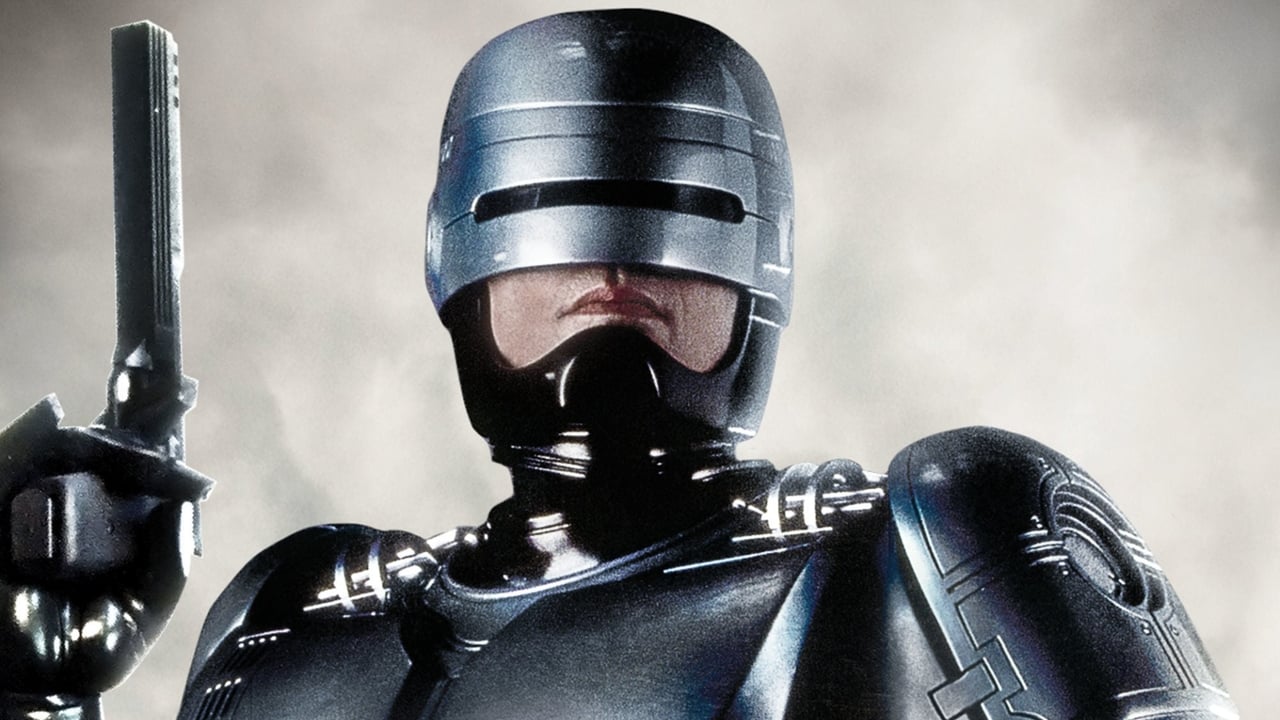
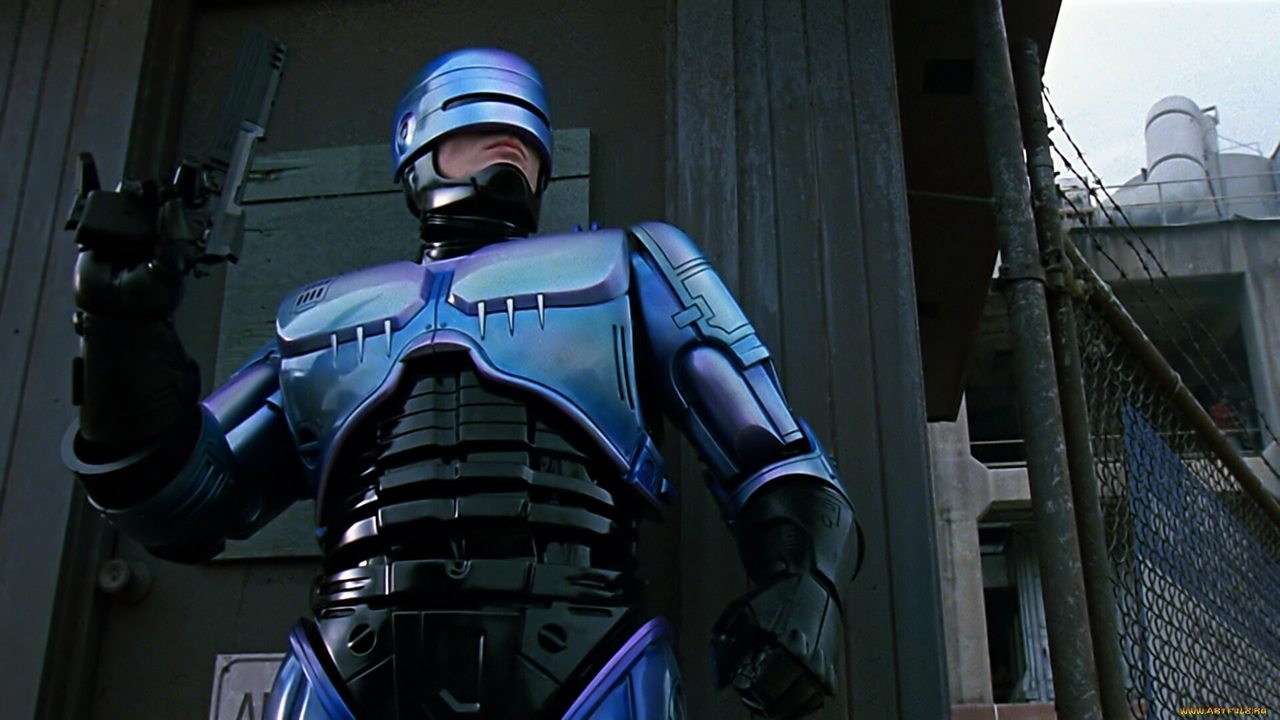
If you want to see why we still talk about the "Practical Effects Golden Age," look no further than the work of Rob Bottin and Phil Tippett. The RoboCop suit itself is a masterpiece of industrial design, looking less like a superhero outfit and more like a piece of heavy machinery. Apparently, the suit was such a nightmare to wear that Peter Weller lost upwards of three pounds a day from perspiration. On the first day it was fully assembled, it took eleven hours just to get him into it. You can feel that weight on screen; every step he takes has a hydraulic hiss and a bone-shaking thud.
Then there’s ED-209. In an era where digital characters often feel weightless, the stop-motion clanking of OCP’s enforcement droid is deeply unsettling. It moves with a jittery, predatory energy that feels more "real" than any modern rendering. During the infamous boardroom demonstration gone wrong, the sound design—the roar of the guns, the screaming, the squeal of the droid—creates a cacophony of corporate incompetence. It’s a perfect marriage of Arne Schmidt’s production savvy and Jost Vacano’s clinical, almost voyeuristic cinematography.
The VHS Satire
RoboCop was a staple of the VHS era, and it’s a film that actually benefits from the format's aesthetic. The grain and the slight color bleed of a well-worn tape seemed to enhance the "Media Break" segments, making the commercials for "Nukem" (the family board game about nuclear war) feel like genuine transmissions from a collapsing society. Verhoeven, an outsider looking in at American excess, uses these breaks to remind us that the real villain isn't just Boddicker—it’s the corporation, OCP, run by Ronny Cox’s slick Dick Jones and Dan O'Herlihy’s detached "Old Man."
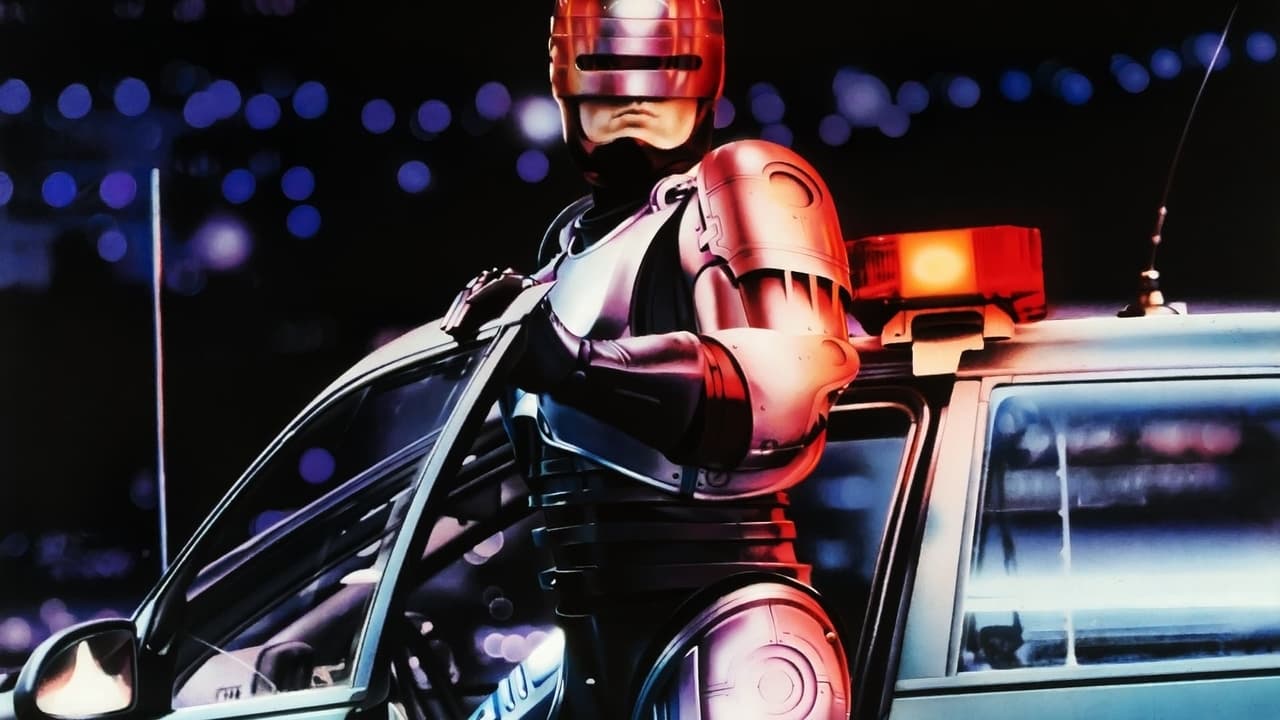
The film’s script, by Edward Neumeier and Michael Miner, is a razor-sharp satire of Reagan-era "trickle-down" economics and the privatization of public services. It’s amazing that a movie featuring a man being dissolved by toxic waste also manages to be one of the most prescient political commentaries of its decade. The boardroom scene where ED-209 glitches is arguably the greatest piece of dark comedy in action cinema history, perfectly skewering the "fail upward" mentality of high-level executives.
RoboCop remains a miracle of 80s filmmaking. It balances Basil Poledouris’s iconic, heroic score against a story of profound dehumanization. It’s a film where the hero wins, but the victory is bitter; he gets his name back, but his life is gone forever. Whether you’re watching for the legendary practical stunts (like the "toxic waste guy" hit by a car, which was a practical effect so disgusting it earned a round of applause from the crew) or the biting social commentary, it never misses. It is, quite simply, "all cop."
Keep Exploring...
-

Starship Troopers
1997
-
RoboCop 2
1990
-

Star Trek II: The Wrath of Khan
1982
-
The Terminator
1984
-

Predator
1987
-

Aliens
1986
-

They Live
1988
-
The Abyss
1989
-
Bloodsport
1988
-
The Running Man
1987
-
Mad Max 2
1981
-
Duel
1971
-
The French Connection
1971
-
The Warriors
1979
-
Blade Runner
1982
-
First Blood
1982
-
The Dead Zone
1983
-
WarGames
1983
-

Die Hard
1988
-
Equilibrium
2002