Spaceballs
"The farce is strong with this one."
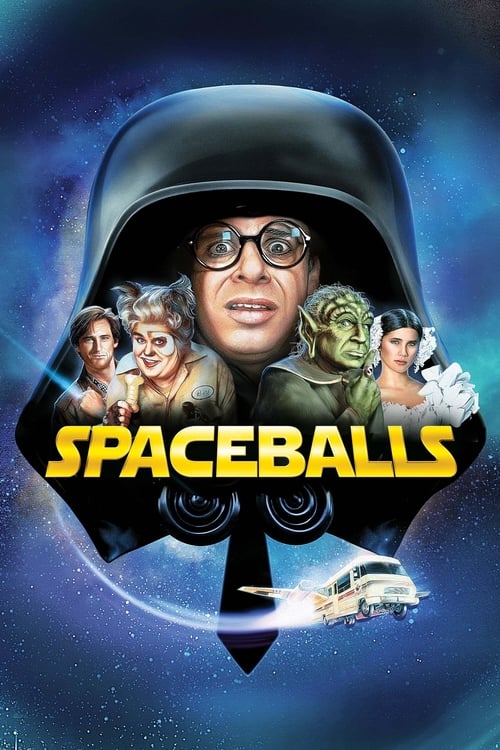
In 1987, George Lucas gave Mel Brooks the greatest gift a parodist could ever ask for: permission to mock the most sacred cow in cinematic history, provided he didn't sell a single action figure. It’s one of the most famous gentleman’s agreements in Hollywood—Lucasfilm would provide the post-production magic at Skywalker Ranch, but Brooks had to promise there would be no Spaceballs merchandising. It was a savvy move by Lucas to protect his toy empire, but it also gave Brooks the perfect ammunition for the film’s sharpest gag: a fourth-wall-shattering sequence where Yogurt (Brooks’s version of Yoda) reveals a literal gift shop full of "Spaceballs: The T-Shirt" and "Spaceballs: The Flamethrower."
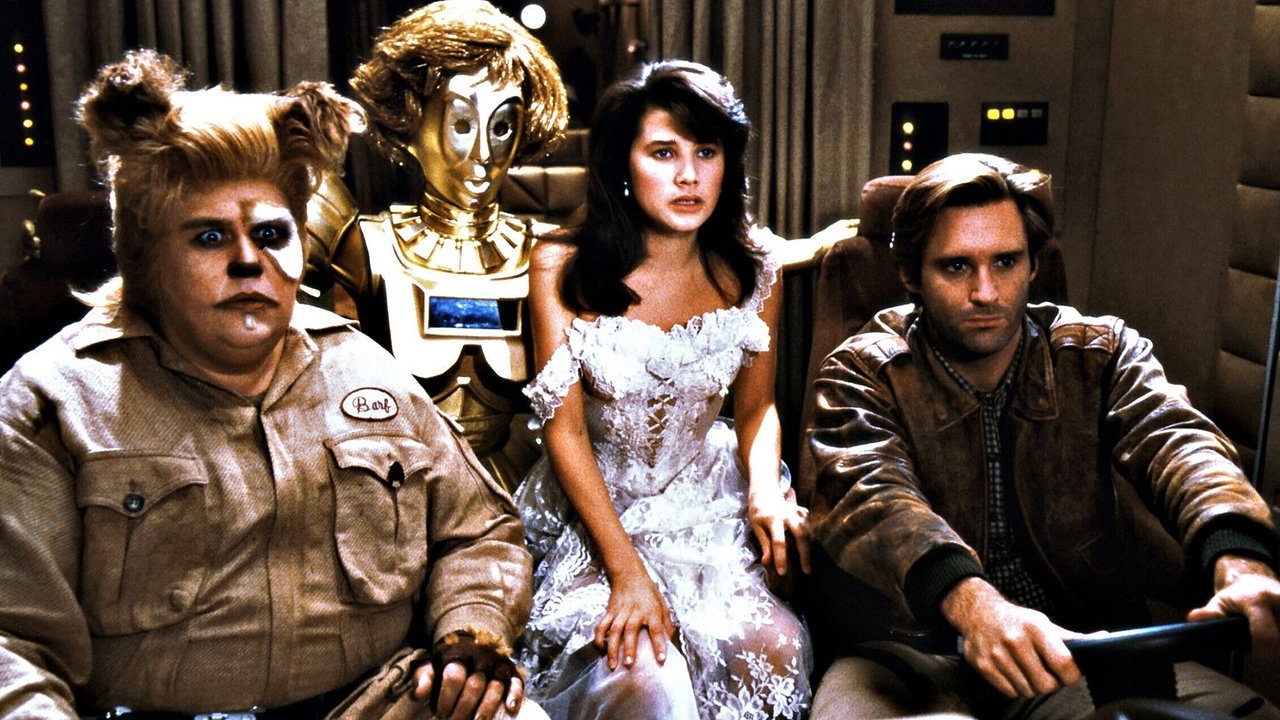
I watched this most recent time while eating a bowl of slightly stale popcorn and wearing a pair of itchy wool socks that I really should have thrown away three winters ago, and the experience only confirmed one thing: this is the definitive end-point of the first Great Blockbuster Era.
Ludicrous Speed and Low-Fi Magic
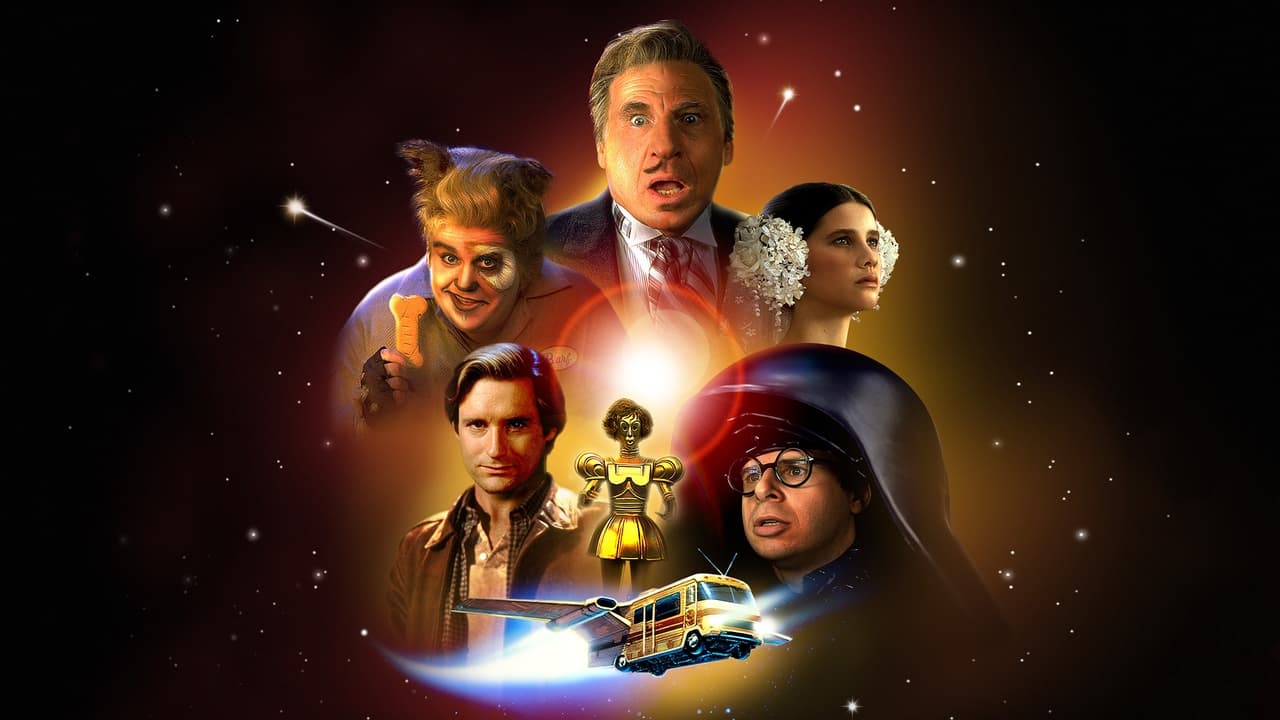
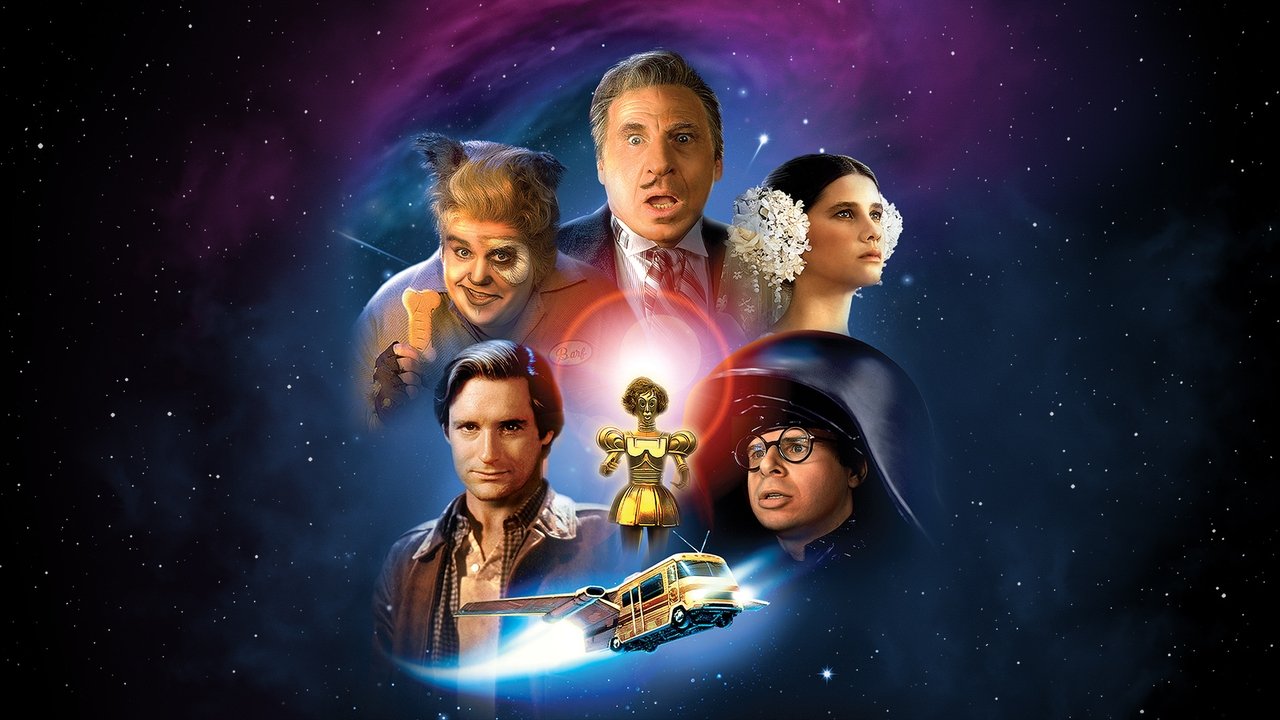
By the time Spaceballs hit theaters, the Star Wars trilogy had been wrapped for four years, and the sci-fi landscape was shifting toward the slick, neon-drenched cynicism of the late 80s. Yet, Brooks decided to look backward, crafting a love letter to the kit-bashed aesthetic of the late 70s. The production design is a delightful contradiction. On one hand, you have the "Eagle 5"—a 1986 Winnebago Chieftain with wings that looks like it was bolted together by a drunken mechanic in a Sears parking lot. On the other, you have the genuinely impressive motion-control miniature work for the Spaceball One, a ship so long it takes a full minute and a half just to pass the camera in the opening shot.
The effects, handled by some of the same folks who worked on the big-budget epics Brooks was spoofing, have a weight to them that CGI simply cannot replicate. When the ship transforms into "Mega Maid," it’s clearly a physical model being manipulated, and that tangible quality makes the absurdity of a giant robot vacuuming the atmosphere off a planet even funnier. It’s a peak example of the Practical Effects Golden Age—where the craftsmanship was top-tier even when the premise was bottom-shelf.
A Masterclass in Character Tropes
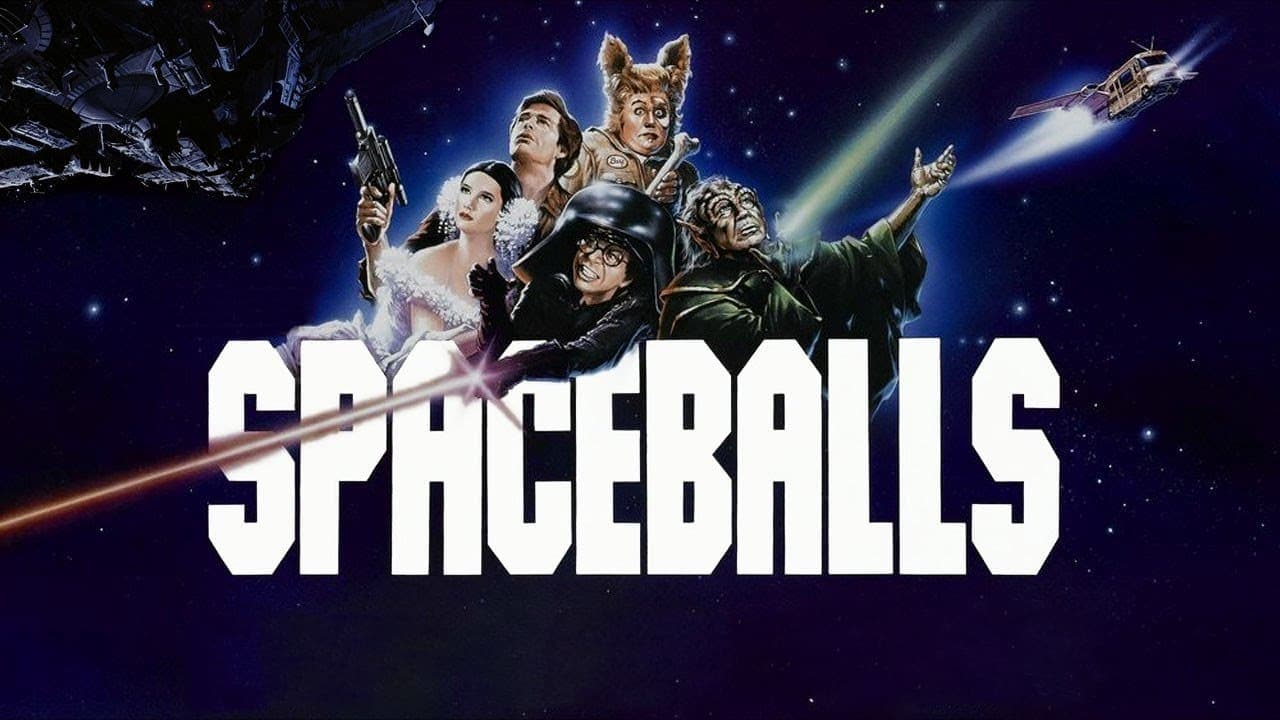
The casting here is nothing short of alchemical. Bill Pullman, fresh off his debut in Ruthless People, plays Lone Starr with a "dry-white-toast" charisma that perfectly parodies Harrison Ford’s scoundrel without being a direct impression. But the movie belongs to the villains and the sidekicks. Rick Moranis, riding high from Ghostbusters and Little Shop of Horrors, gives us Dark Helmet, a character who is essentially a short man’s resentment manifested in oversized plastic. Watching him play with his action figures in his private quarters is a top-five moment in comedy history because it weaponizes the very thing Lucas was afraid of: the commercialization of our childhood heroes.
Then there’s John Candy as Barf, the "Mawg" (half-man, half-dog). Apparently, the animatronic ears and the heavy tail-rig were a nightmare for Candy to operate, requiring a massive battery pack and a crew of puppeteers just out of frame. Despite the discomfort, his performance is pure, unadulterated warmth. He and Pullman have a genuine rapport that grounds the silliness. Daphne Zuniga (who would later star in Melrose Place) plays Princess Vespa with a spoiled-rotten edge that makes her "Druid" heritage more than just a pun on her home planet. Dick Van Patten pops in as King Roland, essentially playing his Eight Is Enough persona if he were accidentally trapped in a galaxy far, far away.
The Home Video Revolution in Real-Time
If you grew up in the late 80s or early 90s, Spaceballs wasn't just a movie you saw; it was a movie you owned. This was a staple of the VHS era, specifically because of the "instant cassette" scene. When the villains realize they’ve lost the heroes, they pop in the VHS tape of Spaceballs to see where Lone Starr went. It’s a meta-joke that only works in the context of the home video revolution. I remember being fascinated by the way the movie predicted the democratization of film—the idea that we could pause, rewind, and "skip to the end" of our favorite stories.
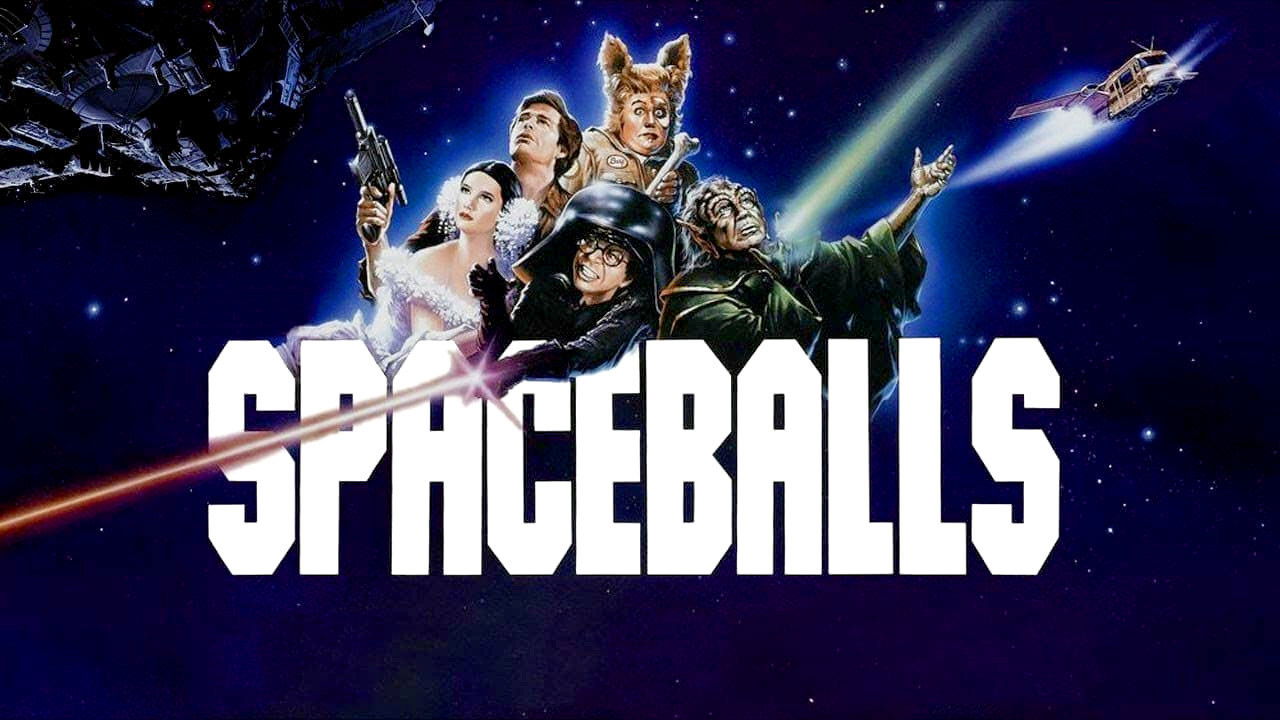
The tape box art for the MGM release was iconic, usually featuring the cast crammed together in a way that promised a chaotic, sugar-high experience. It was the kind of movie you rented from the local Mom-and-Pop video store when every copy of The Empire Strikes Back was checked out, only to realize you actually preferred the parody. It wasn’t just a "Star Wars movie for people who hate Star Wars"; it was a celebration of the tropes we all knew by heart.
Spaceballs is the ultimate "comfort food" of the sci-fi genre. It doesn't ask you to ponder the philosophical implications of the Schwartz or the geopolitical tensions of the Druidia system. Instead, it invites you to laugh at the sheer ridiculousness of the blockbuster machine. While some of the humor is undeniably dated, the core of the film—its skewering of corporate greed and cinematic ego—remains as sharp as a glowing ring. It’s a testament to Mel Brooks's ability to be both the smartest and the silliest person in the room simultaneously.
The movie ends with the promise of a sequel, Spaceballs II: The Search for More Money, which never actually materialized. In a way, that’s the final, perfect joke. In an era where every successful film is mined for a dozen spin-offs, Brooks knew when to take his Winnebago and drive off into the sunset. Just make sure you check your radar for jam before you leave.
Keep Exploring...
-

History of the World: Part I
1981
-
The Producers
1968
-
Blazing Saddles
1974
-
Young Frankenstein
1974
-

Bill & Ted's Excellent Adventure
1989
-
Brazil
1985
-
Robin Hood: Men in Tights
1993
-
Cocoon
1985
-
Weird Science
1985
-

Short Circuit
1986
-
Innerspace
1987
-
Planes, Trains and Automobiles
1987
-

Cocoon: The Return
1988
-
Back to the Future Part II
1989
-
Honey, I Shrunk the Kids
1989
-

Re-Animator
1985
-
Critters
1986
-
Bad Taste
1987
-
Killer Klowns from Outer Space
1988
-

Star Trek II: The Wrath of Khan
1982