The Living Daylights
"The tuxedo finally gets its edge back."
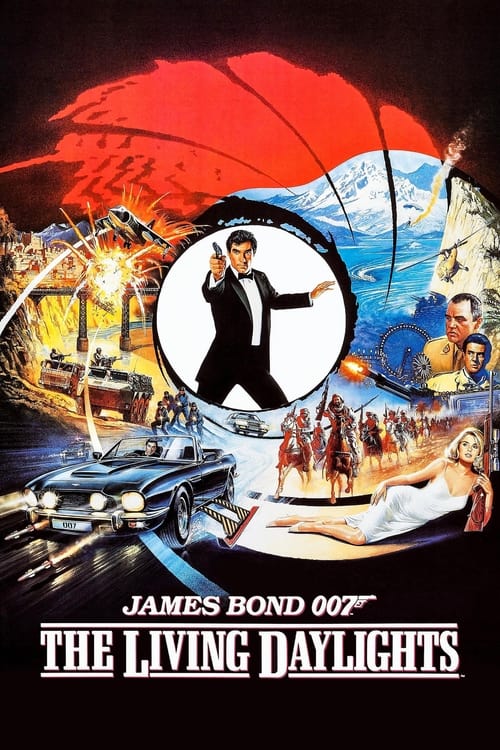
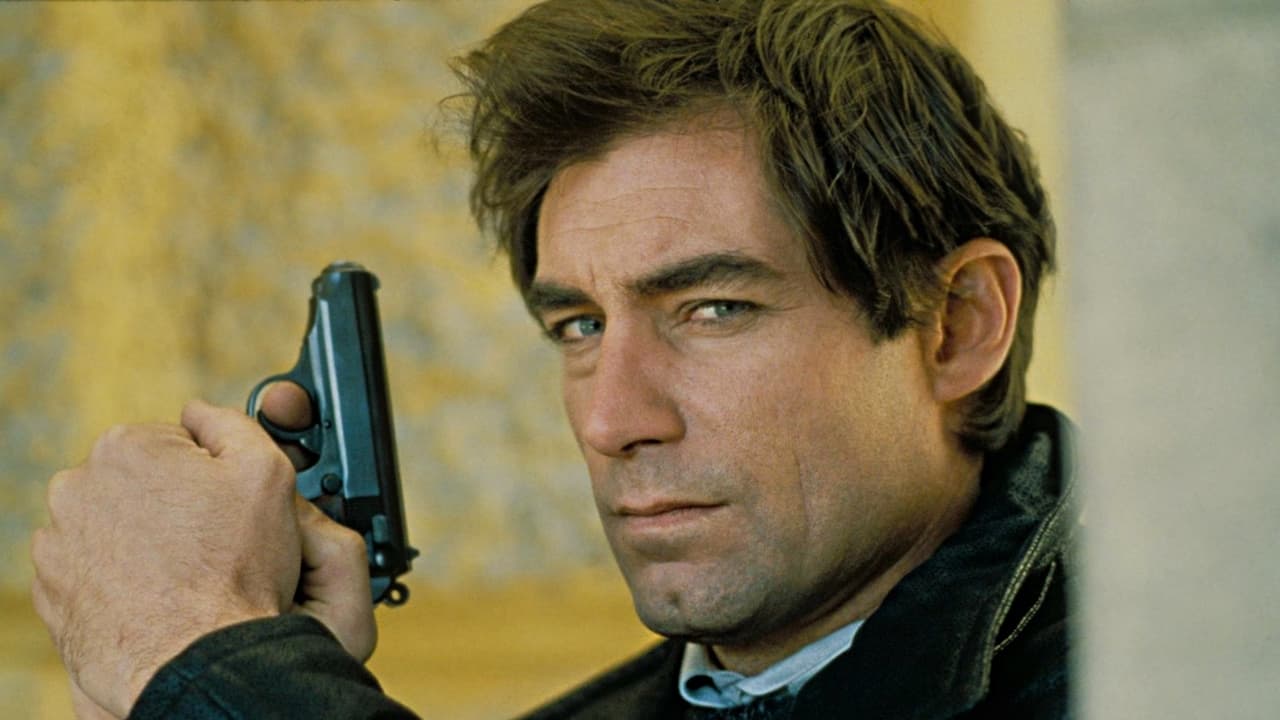
By 1987, the tuxedo was starting to look a little baggy on the James Bond franchise. Roger Moore had spent seven films turning 007 into a charming, eyebrow-arching uncle who occasionally did a karate chop, and while the box office stayed healthy, the character had drifted miles away from the cold-blooded professional of Ian Fleming’s novels. Then came Timothy Dalton. Stepping onto the screen with a jagged jawline and a look of permanent annoyance at being interrupted while killing people, Dalton didn't just play Bond; he recalibrated the entire genre for an audience that was starting to prefer the grit of Lethal Weapon (1987) or the high-stakes tension of The Hunt for Red October.
The Dalton Shift
I actually watched this most recently on a tablet while my cat sat on my chest and sneezed directly into my eye during the climax, but even with a stinging cornea, the shift in tone was unmistakable. Timothy Dalton remains the most underrated Bond because he was doing "Daniel Craig" twenty years before it was fashionable. In The Living Daylights, Bond is a man who actually looks like he’s killed someone and feels slightly bad about it. He’s weary, he’s frustrated with the bureaucracy of MI6, and he’s remarkably monogamous for a secret agent.
The plot kicks off with a defection that feels wonderfully Reagan-era. General Koskov (Jeroen Krabbé, whom you might remember as the villain in Harrison Ford’s The Fugitive) escapes from the Soviets via a pressurized pipeline, but the real heart of the film is Kara Milovy, played by Maryam D'Abo. Unlike the "Bond Girls" of the 70s who were often treated as disposable gadgets, Kara is a professional cellist who gets caught in a web of global arms dealing. Her chemistry with Dalton is grounded in a strange, romantic vulnerability that makes the stakes feel personal rather than just "save the world."
Practical Stunts and Cargo Net Chaos
If you’re a fan of pre-CGI action, director John Glen (who also helmed For Your Eyes Only and Octopussy) delivers a masterclass here. The opening sequence on the Rock of Gibraltar is a stunner, featuring a real Land Rover plummeting off a cliff while a stuntman clings to the roof. But the crown jewel is the fight in the cargo plane over Afghanistan. B.J. Worth and Jake Lombard, the stunt performers, actually fought on a cargo net dangling out the back of a real C-130 Hercules thousands of feet in the air.

There are no green screens or digital safety nets here; it’s just two guys, a massive plane, and the terrifyingly real possibility of a very long fall. This commitment to physical reality is what gives the 1980s Bond films their weight. Even the more "Bond-ish" moments—like sledding down a mountain in a cello case—work because Dalton plays them with such straight-faced intensity. The cello case sledding is the kind of peak-80s absurdity that only works if the leading man refuses to wink at the camera.
Cold War Curiosities and VHS Glory
I remember the original CBS/Fox Video VHS release of this film vividly; it had that classic white border and the image of Dalton looking like a man who had no time for your nonsense. It was a staple of video rental stores because it bridged the gap between the older generation who loved the gadgets and the younger kids who wanted "hard" action. The film’s villains, however, are a bit of a mixed bag. Joe Don Baker plays Brad Whitaker, an arms dealer obsessed with military history who looks like he raided a Civil War reenactment closet while on a bender. He’s not as menacing as he is weirdly eccentric, but he’s balanced out by Art Malik as Kamran Shah, a Mujahideen leader who helps Bond in the final act—a plot point that, in retrospect, feels like a very specific time capsule of 1980s Western foreign policy.
The music also deserves a shout-out. This was John Barry’s final score for the franchise, and he went out on a high note, blending his signature brassy themes with 80s synthesizers. The title track by A-ha is a synth-pop banger, though apparently, the recording process was a nightmare; Barry reportedly called the band "hit and run" boys after a series of creative clashes. Regardless of the drama, the track perfectly captures that neon-tinted Cold War anxiety.

Stuff You Didn't Notice
The production didn't hold back on the budget, spending $40 million to make sure the spectacle was top-tier. It paid off, with the film raking in over $191 million worldwide, outperforming Moore’s final outing and proving there was life in the old spy yet. Interestingly, Timothy Dalton was actually offered the role of Bond twice before—once for On Her Majesty's Secret Service (1969) when he was only 24, but he turned it down because he felt he was too young to follow Sean Connery.
Also, keep an eye out for John Rhys-Davies (best known as Sallah in Raiders of the Lost Ark or Gimli in Lord of the Rings) as General Leonid Pushkin. He brings a level of gravitas to the Soviet side of things that keeps the "spy vs. spy" element from feeling like a cartoon. Between the mountain chases, the desert battles, and the genuinely tense sniper sequences, The Living Daylights remains a high-water mark for the series. It’s a film that respects the character’s roots while aggressively pushing him into a more modern, visceral territory.
This is Bond at his most professional and least gimmicky, anchored by a lead performance that finally took the source material seriously. While the villains might be a little campy for some, the stunt work and the romantic core of the story hold everything together beautifully. If you’re looking for a thrill that feels earned and a hero who looks like he’s actually breaking a sweat, this is the one to pull off the shelf. It’s a sharp, cold, and thoroughly entertaining slice of 80s action cinema.
Keep Exploring...
-
Licence to Kill
1989
-
Octopussy
1983
-
A View to a Kill
1985
-
For Your Eyes Only
1981
-
Thunderball
1965
-
The Spy Who Loved Me
1977
-

Goldfinger
1964
-
Never Say Never Again
1983
-
You Only Live Twice
1967
-
On Her Majesty's Secret Service
1969
-
Moonraker
1979
-
Live and Let Die
1973
-
Dr. No
1962
-
From Russia with Love
1963
-
The Man with the Golden Gun
1974
-
Diamonds Are Forever
1971
-
Tomorrow Never Dies
1997
-
GoldenEye
1995
-

Skyfall
2012
-
Spectre
2015