The Princess Bride
"Fencing, fighting, torture, revenge, giants, monsters, chases, escapes, true love, miracles."
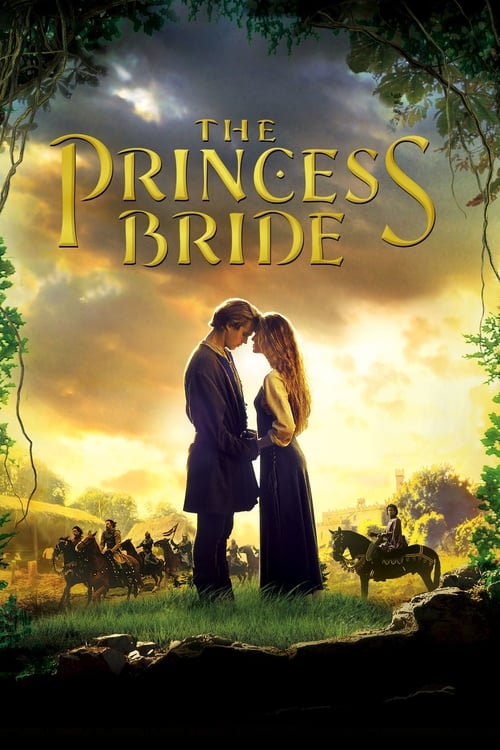
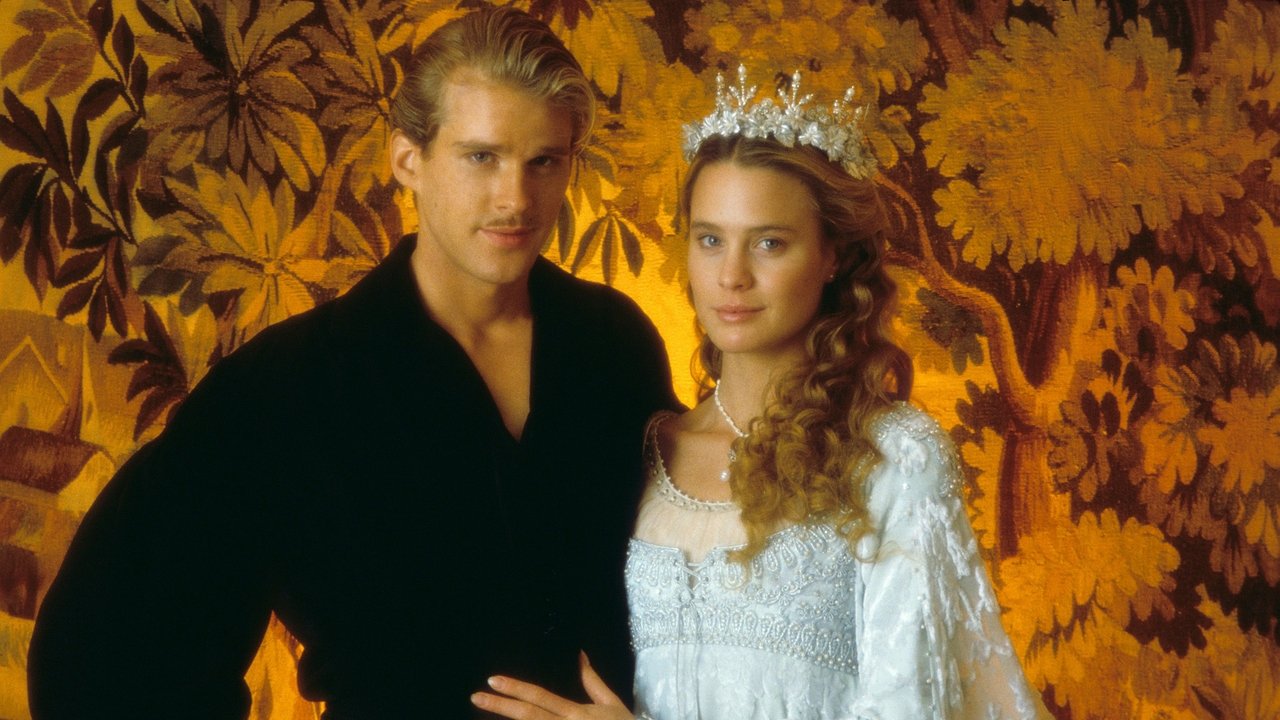
In 1987, the marketing team at 20th Century Fox had an absolute aneurysm trying to figure out how to sell a movie that refused to sit still in a single box. Was it a kid’s flick? A romance? A gritty adventure? A Monty Python-esque satire? They ended up with a poster that looked like a generic harlequin romance novel, and as a result, the theatrical release was—to put it mildly—a bit of a damp squib. It did fine, but it didn't set the world on fire.
Then came the home video revolution.
I first encountered this film on a rental tape that had been through the wars; the tracking was so wonky that the "cliffs of insanity" scene looked like it was happening during a mild earthquake. I was eating a bowl of lukewarm SpaghettiOs at the time, and by the time Cary Elwes started his duel with Mandy Patinkin, I’d completely forgotten to keep chewing. That’s the magic of The Princess Bride. It’s a film that didn't just survive the 80s; it thrived in the democracy of the living room, passed from friend to friend like a secret handshake until it became the most quoted movie in the English language.
A Masterclass in Tone-Shifting
What Rob Reiner (fresh off Stand by Me) and screenwriter William Goldman achieved here is nothing short of a miracle. They built a world that is simultaneously a parody of a fairy tale and the greatest example of one. The framing device—a grandfather (Peter Falk) reading to his sick grandson (Fred Savage)—is the secret sauce. It gives the movie permission to be silly, to skip the boring parts, and to lean into the tropes we all know.
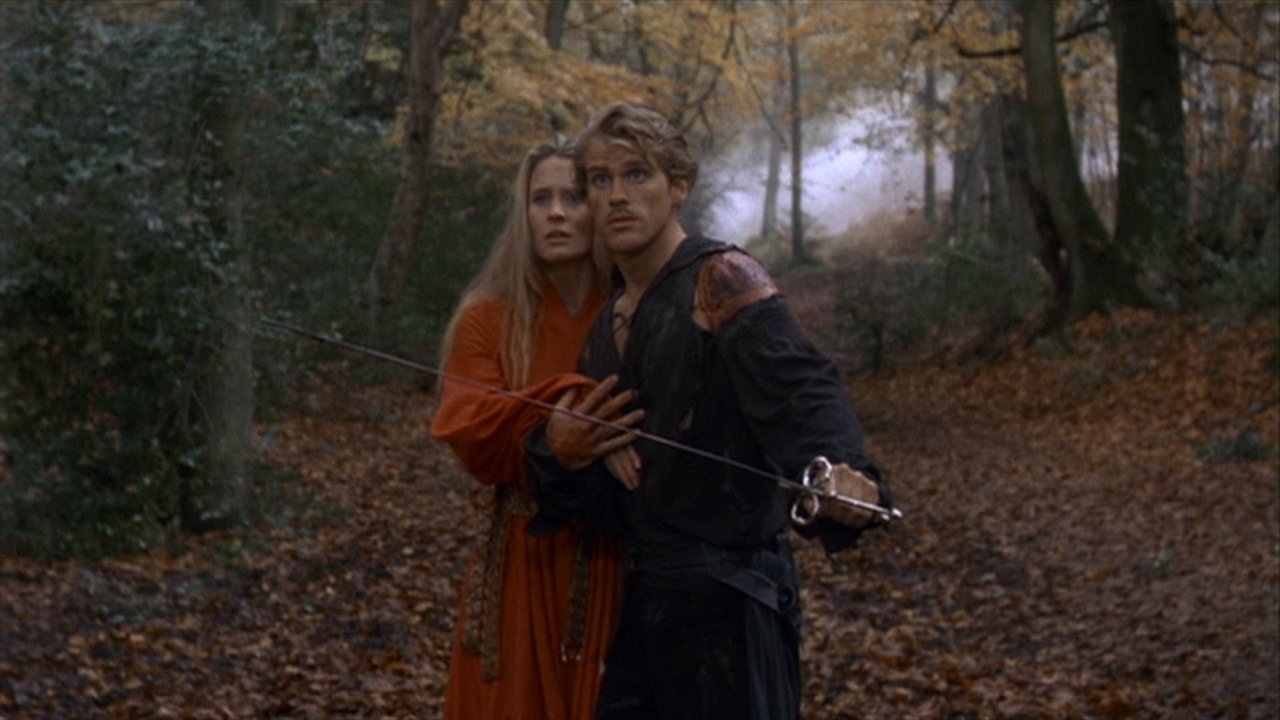
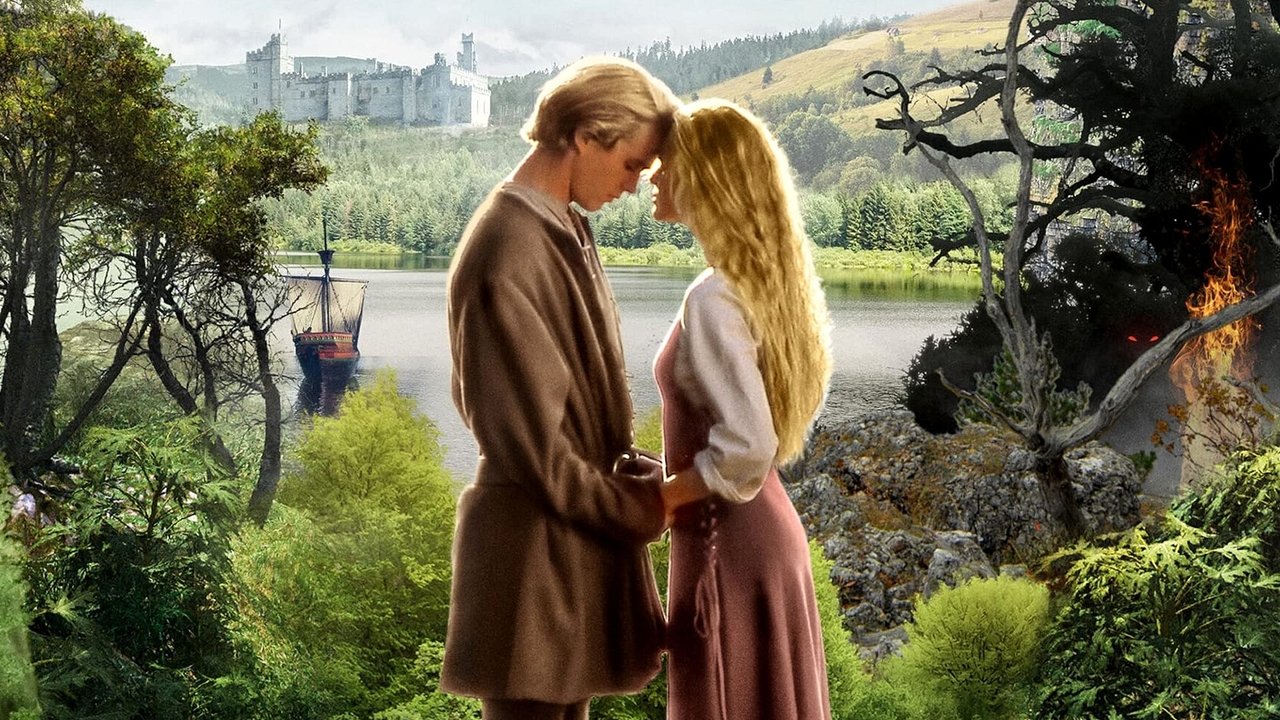
Cary Elwes is the ultimate swashbuckler as Westley. He’s got the Errol Flynn mustache, the Douglas Fairbanks athleticism, and a dry wit that suggests he knows exactly how ridiculous he looks in a mask. Opposite him, Robin Wright manages to make Buttercup more than just a trophy to be won, even if the script occasionally keeps her on the sidelines. But the real heavy lifting comes from the supporting gallery. Wallace Shawn’s Vizzini is a frantic, sweaty ball of "inconceivable" ego, and Chris Sarandon plays Prince Humperdinck with a refined, cowardly sneakiness that makes you itch to see him lose.
The Golden Age of the Practical ROUS
Before CGI turned every fantasy creature into a weightless blur of pixels, we had guys in rat suits. The Rodents of Unusual Size (ROUSs) are a practical effects delight. They look just real enough to be creepy but just fake enough to feel like they belong in a bedtime story. During the Fire Swamp sequence, one of the actors playing an ROUS actually got pulled over for a speeding ticket while still in the suit—imagine the look on that cop’s face when he peered into the window of a compact car and saw a giant, hairy rat behind the wheel.
Then there’s the swordplay. Mandy Patinkin and Cary Elwes spent months training with legendary fencing masters Bob Anderson and Peter Diamond. They did nearly every frame of that duel themselves, and it shows. It’s not just about the blades; it’s about the conversation. It’s a physical manifestation of their mutual respect. Mandy Patinkin’s performance as Inigo Montoya is the emotional heart of the film. He isn't just seeking revenge; he’s seeking closure for a father he loved. He famously channeled the grief of his own father’s recent passing into that final confrontation with Christopher Guest’s Count Rugen, which explains why "I want my father back, you son of a bitch" hits with the force of a freight train every single time.
The Gentle Giant and the "Mostly Dead"
Of course, we have to talk about Andre the Giant. Playing Fezzik wasn't just a role; it was a testament to his actual personality. By all accounts, he was the kindest man on set, though his back was in such bad shape that he couldn't actually lift Robin Wright—they had to use a system of wires and pulleys for the scene where she falls into his arms. There’s a warmth he brings to the screen that anchors the more cynical elements of the comedy.
And then there’s the "Miracle Max" sequence. Billy Crystal and Carol Kane were given so much room to improvise that Cary Elwes had to be replaced by a dummy for most of the scene because he couldn't stop laughing. Director Rob Reiner actually had to leave the room because his own laughter was ruining the takes. This is the vibe that permeates the whole film: a group of incredibly talented people having the time of their lives, making a movie for the sheer joy of it.
The Princess Bride is that rare film that actually earns its "classic" status. It’s a movie that bridges the gap between the cynical 70s and the glossy 80s, offering a story that is as much about the act of storytelling as it is about the plot itself. It’s funny, it’s thrilling, and it’s unashamedly romantic. If you haven't seen it in a while, do yourself a favor: grab a snack, find a comfortable spot, and get lost in the Fire Swamp. It's inconceivable how well this one still works.
Keep Exploring...
-
Hercules
1997
-
The Goonies
1985
-
Big Trouble in Little China
1986
-

Bedknobs and Broomsticks
1971
-
When Harry Met Sally...
1989
-
Porco Rosso
1992
-
Shrek 2
2004
-
Red Shoes and the Seven Dwarfs
2019
-
Romancing the Stone
1984
-
Ladyhawke
1985
-
The Purple Rose of Cairo
1985
-

An American Tail
1986
-

All Dogs Go to Heaven
1989
-

Lady and the Tramp
1955
-
The Adventures of Baron Munchausen
1988
-

DuckTales: The Movie - Treasure of the Lost Lamp
1990
-

The Emperor's New Groove
2000
-
The Road to El Dorado
2000
-

Sinbad: Legend of the Seven Seas
2003
-
Brave
2012