The Running Man
"Survival is the only game in town."
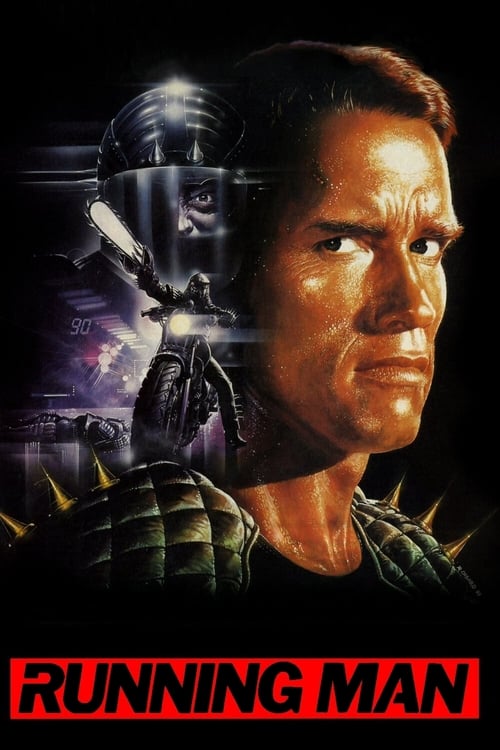
The year 2017 has come and gone, and while our actual reality didn't involve Arnold Schwarzenegger in a skin-tight yellow jumpsuit fighting a man named Subzero with a hockey stick, the spirit of The Running Man feels uncomfortably prescient. We might not have "Killian’s Court," but we certainly have the thirst for televised humiliation and the glossy, overproduced distraction that this 1987 cult classic skewered with a chainsaw. I watched this most recently while nursing a mild case of hay fever, and I swear the sheer volume of Arnold’s screaming and the 80s synth-brass score cleared my sinuses better than any antihistamine on the market.
From Paper to Spandex
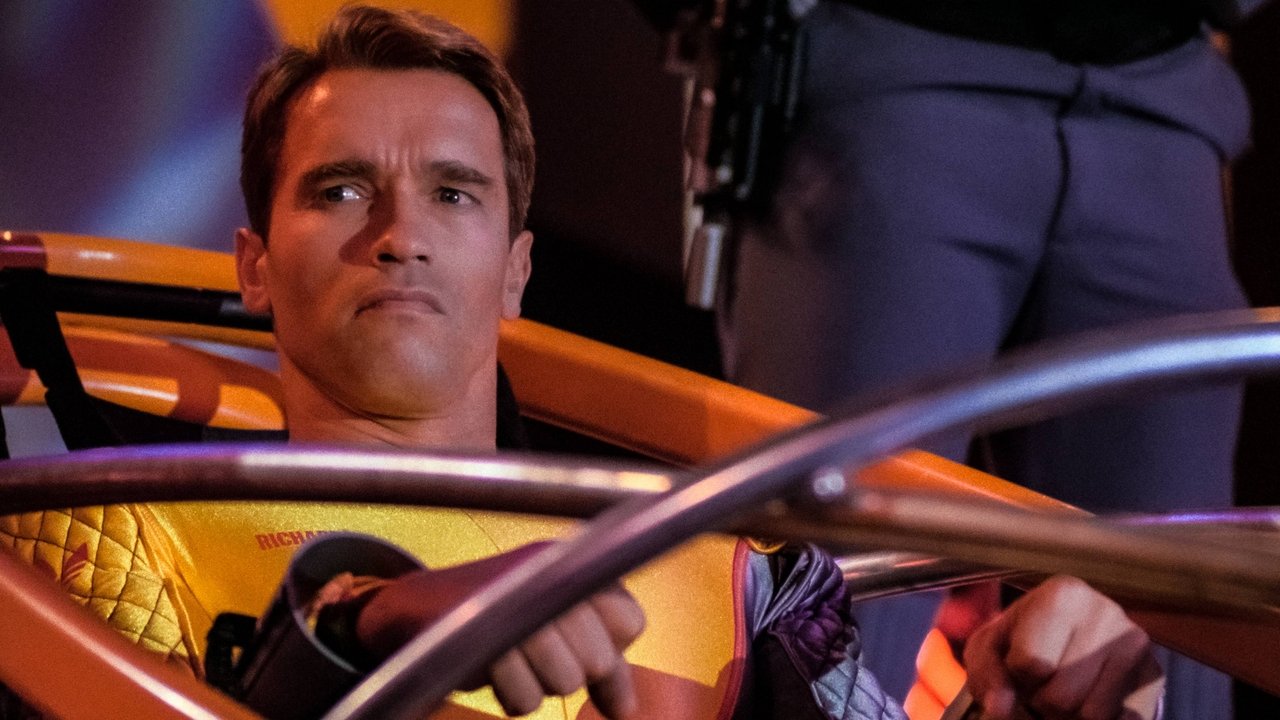
If you’ve ever read the original 1982 novel by Stephen King (writing under the pseudonym Richard Bachman), you know it’s a grim, lean, and utterly depressing piece of social commentary. The film adaptation, directed by Paul Michael Glaser (who played Starsky in Starsky & Hutch), decided to take that bleakness and bury it under a mountain of neon lights, hairspray, and one-liners. It’s a fascinating pivot. Where the book ends with a desperate man crashing a plane into a skyscraper, the movie ends with a giant explosion and a kiss.
The Running Man is basically Pro-Wrestling: The Movie, and anyone who wants high-concept sci-fi should probably go read the book instead. But for those of us who grew up scanning the "Action" aisle of a local Mom-and-Pop video store, that yellow jumpsuit on the VHS cover was a siren song. The Braveworld Productions logo would flicker onto the screen, the tracking would settle, and we’d be whisked away to a future where the justice system is handled by a flamboyant game show host.
The production was famously chaotic. Paul Michael Glaser was actually a last-minute replacement for Andrew Davis (who would later direct The Fugitive), and Arnold was reportedly not a fan of the change. He felt Glaser shot the film like a television show, and to be fair, he isn't entirely wrong. But that "TV look" actually works in the film's favor. It feels like we are part of the studio audience, cheering for the "Runners" as they get picked off by "Stalkers" who look like they wandered off the set of a G.I. Joe live-action audition.
The Dawson Masterstroke
While Arnold is the star, the movie belongs to Richard Dawson. Casting the actual host of Family Feud as the villainous Damon Killian was a stroke of genius that shouldn't have worked as well as it did. Dawson is chilling because he’s playing a version of himself—the charming, ego-driven entertainer who views human life as a mere metric for Nielsen ratings. Watching him demand more "meat" for the grinder while simultaneously worrying about his wardrobe is the highlight of the film.
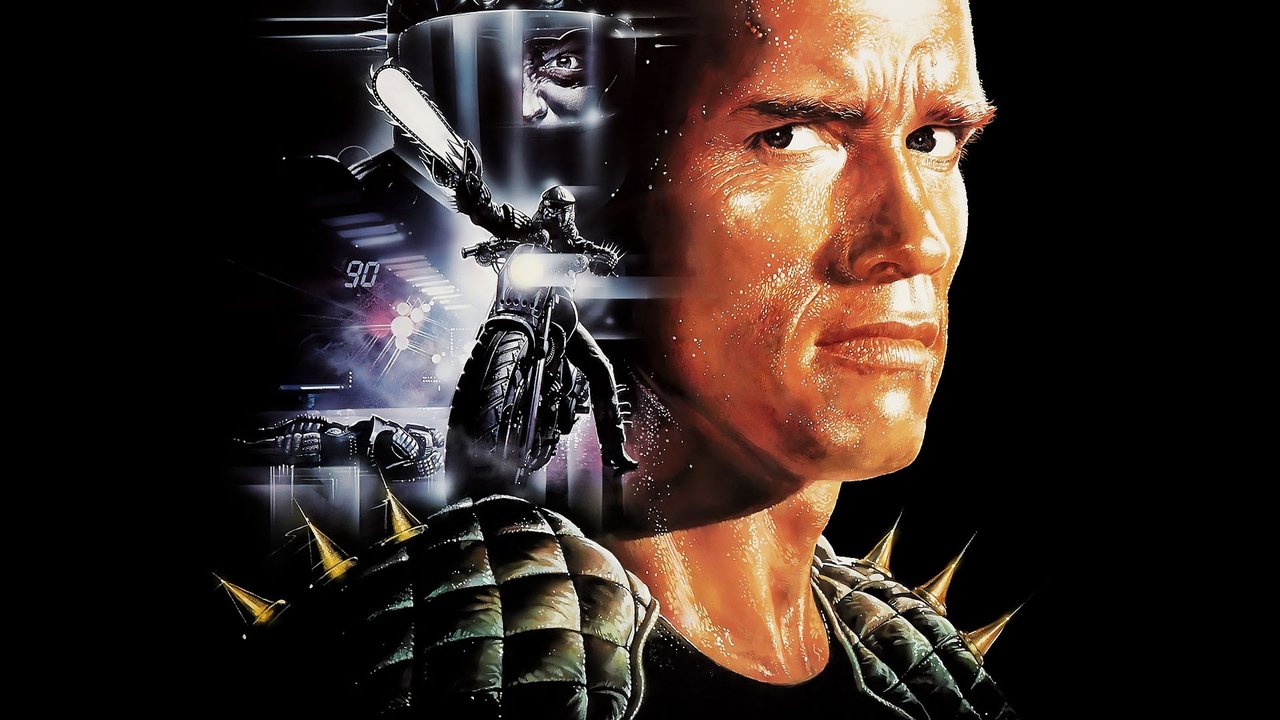
The action itself is a series of boss battles. Ben Richards (Arnold Schwarzenegger) and his resistance buddies, played by Yaphet Kotto (the legend from Alien) and María Conchita Alonso, have to navigate "The Zone" while being hunted by cartoonish assassins. You’ve got Professor Toru Tanaka as the ice-skating Subzero, Jim Brown as the flame-throwing Fireball, and Jesse Ventura as Captain Freedom.
The practical effects here are a joy to behold. Before CGI turned every explosion into a clean, digital poof, movies like The Running Man relied on real sparks and heavy-duty prop work. When Richards goes up against Buzzsaw (played by Gus Rethwisch), the chainsaw fight feels heavy and dangerous. You can see the sweat, the real metal, and the practical blood. It’s tactile in a way that modern blockbusters often miss. The screenplay by Steven E. de Souza (the pen behind Die Hard) ensures the pacing never flags, moving us from one encounter to the next with the speed of a 100-meter dash.
A VHS Relic that Refuses to Die
Part of the charm of The Running Man is its absolute commitment to its own aesthetic. The score by Harold Faltermeyer (who also did Beverly Hills Cop) is a masterpiece of 80s electronic bombast. It’s the kind of music that makes you want to put on a headband and do high-intensity aerobics in a dystopian wasteland.
Interestingly, the film was a bit of a box office "meh" upon release, barely making back its budget. It was the home video revolution that turned it into a staple. This was a "wait for it to hit the shelves" movie. It became a cult favorite because it’s endlessly rewatchable; you don’t need to pay deep attention to the social commentary about state-controlled media to enjoy Arnold sawing a man in half.
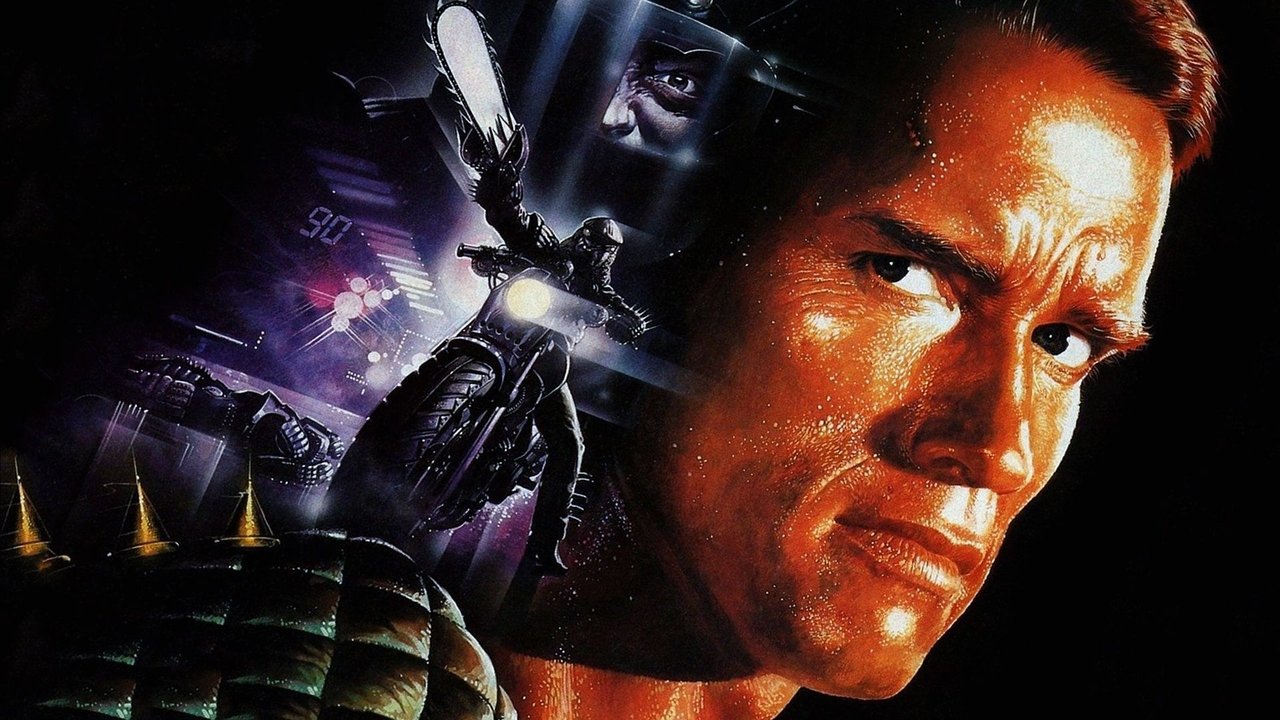
The film also features one of the most hilariously dated "tech" sequences, where the rebels have to "hack" the satellite feed using what looks like a Commodore 64 and a lot of frantic typing. It’s these specific textures—the chunky buttons, the scan lines on the monitors, the spandex—that make The Running Man such a perfect time capsule. It’s a movie that predicted the rise of reality TV while being dressed in the most absurd outfits the 1980s could provide.
Ultimately, The Running Man is a triumph of charisma over logic. It’s loud, it’s garish, and it features Arnold Schwarzenegger at the absolute peak of his "I have a one-liner for every murder" phase. While it lacks the philosophical weight of RoboCop or the pure terror of The Terminator, it possesses a rowdy, cynical energy that makes it a perfect Saturday night watch. It’s a reminder of a time when the future looked like a neon-lit wrestling ring, and the bad guy was just a game show host away from losing it all.
Grab some popcorn, ignore the plot holes, and remember: "I'll be back" only works if you've got a chainsaw to back it up.


Keep Exploring...
-
Commando
1985
-

Predator
1987
-
The Terminator
1984
-

Star Trek II: The Wrath of Khan
1982
-
Star Trek III: The Search for Spock
1984
-

Masters of the Universe
1987
-
RoboCop
1987
-
Raw Deal
1986
-
They Live
1988
-
Predator 2
1990
-
Tron
1982
-
Dune
1984
-
The Abyss
1989
-
The 6th Day
2000
-
Terminator 3: Rise of the Machines
2003
-
Conan the Barbarian
1982
-
Mad Max Beyond Thunderdome
1985
-
Bloodsport
1988
-
Tango & Cash
1989
-
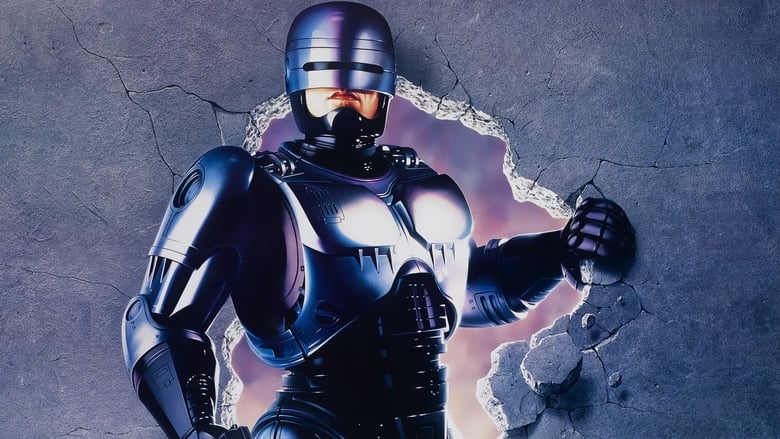
RoboCop 2
1990