The Untouchables
"He pulled a knife, you pull a gun."
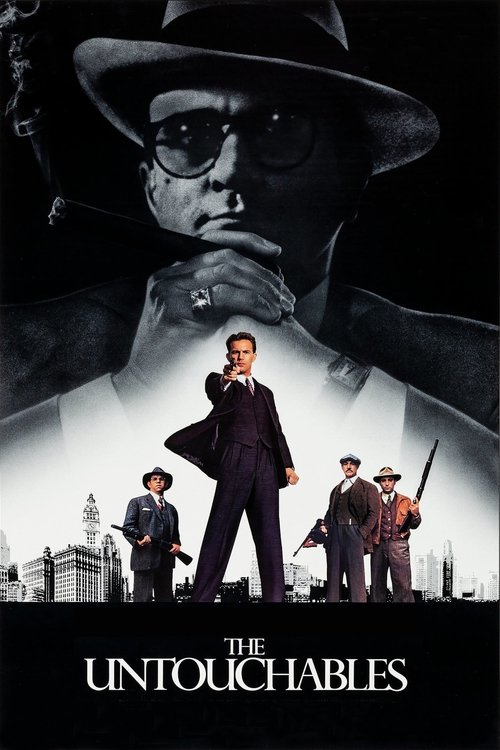
"He sends one of yours to the hospital, you send one of his to the morgue." When Sean Connery growls that line in a candlelit church, he isn't just giving a pep talk to a wet-behind-the-ears Prohibition agent; he’s laying out the grim, uncompromising blueprint for the entire film. I remember watching this for the first time on a rental tape that had been played so many times the tracking lines flickered every time a gun was drawn—which, in a Brian De Palma movie, is about every ten minutes. It’s a film that feels like a collision between a classic 1940s Western and a blood-soaked 1980s opera.

I actually watched this most recently while nursing a mild case of food poisoning from a questionable street taco, and there is something strangely therapeutic about Robert De Niro’s Al Capone shouting about "enthusiasm" while the room spins. It’s a movie that demands your full attention, not through subtle whispers, but through the sheer, thumping weight of its own confidence.
The Gospel of the Chicago Way
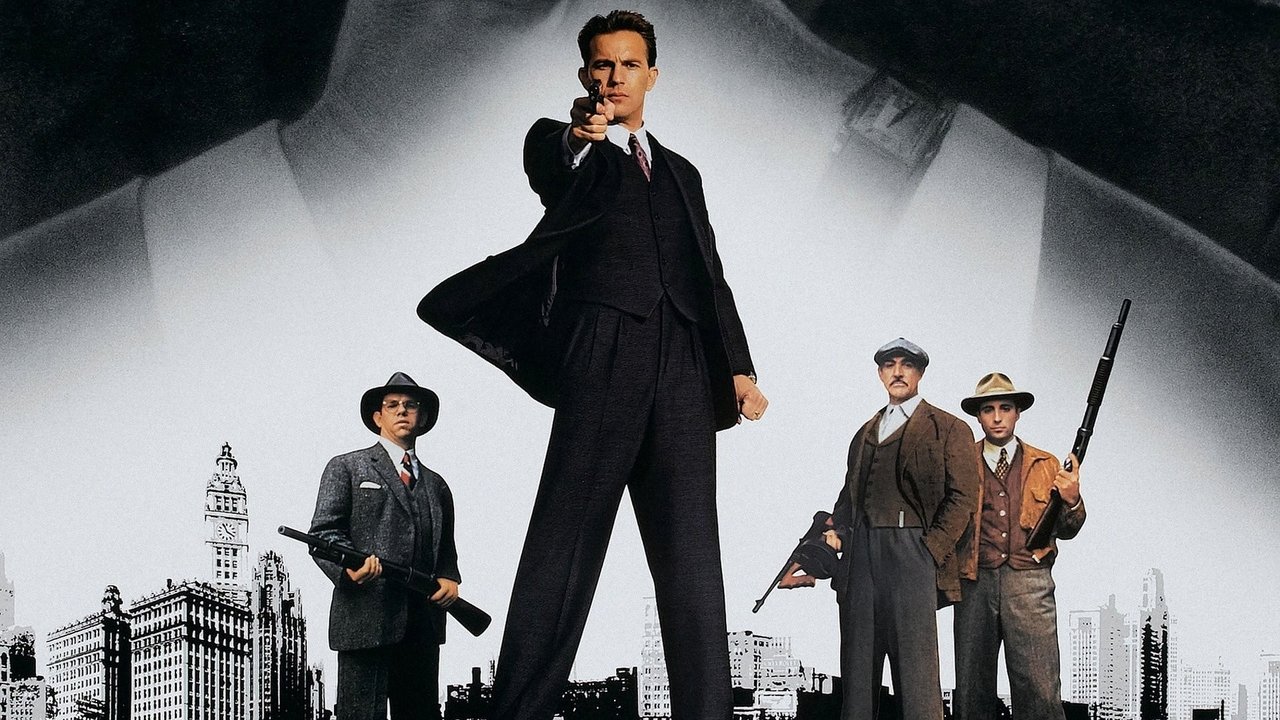
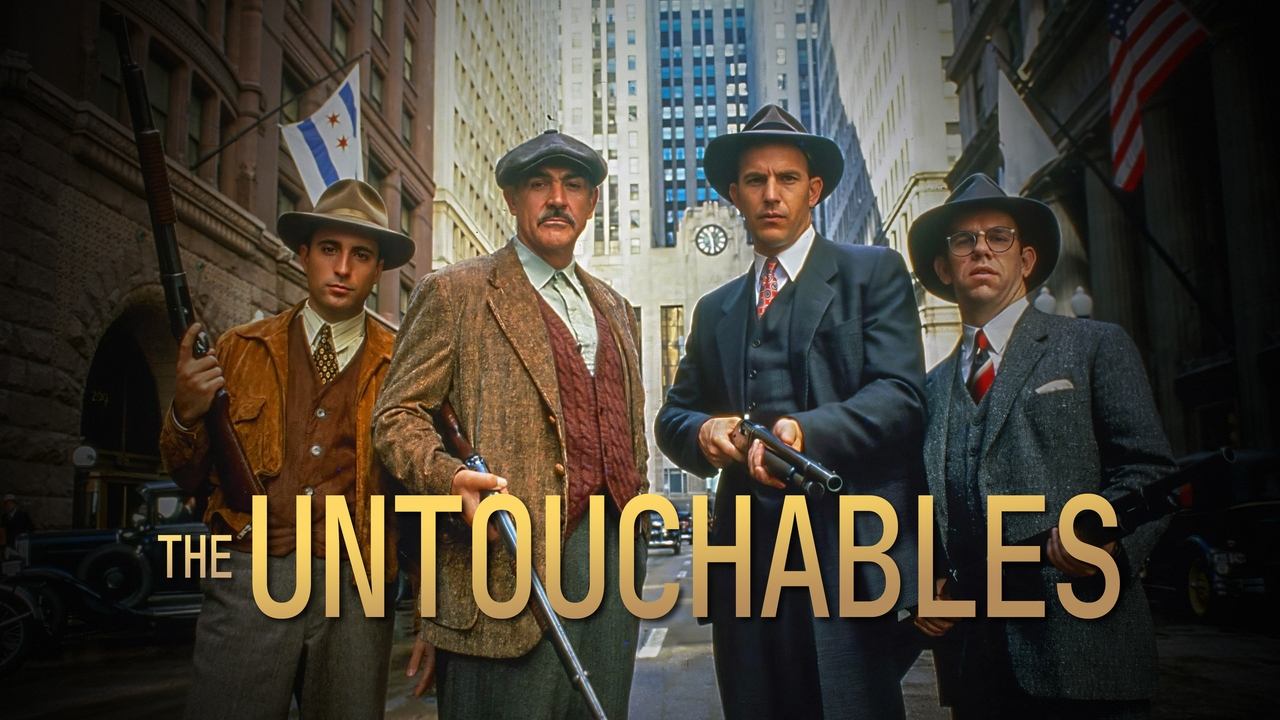
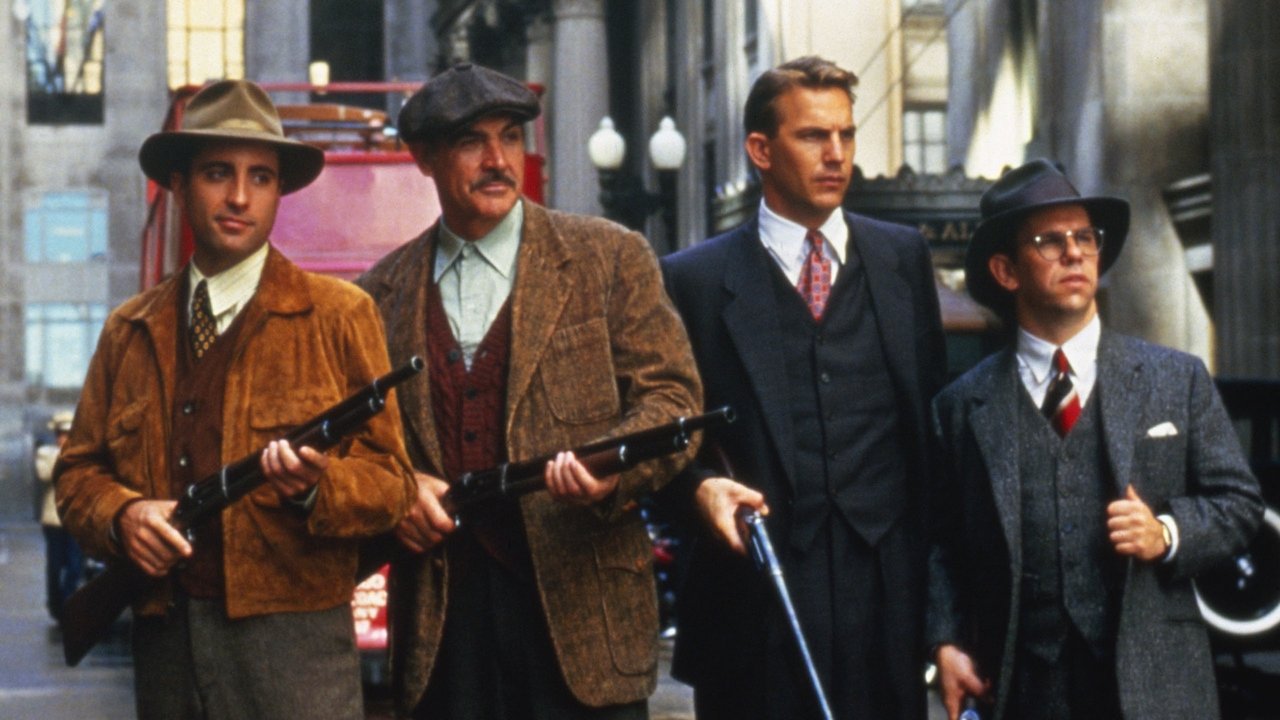
The story follows Eliot Ness, played by Kevin Costner with a jawline so square you could use it as a spirit level. At the start, Ness is a bit of a boy scout, a man who thinks you can win a war against the underworld by following the rulebook. He quickly learns that in Chicago, the rulebook is just something Capone uses to prop up a wobbly table. To take down the kingpin, Ness has to recruit a small band of "Untouchables"—men who can't be bought, but who certainly know how to sell a lead bullet.
The moral weight of the film rests entirely on the shoulders of Jim Malone, played by Sean Connery in a performance that finally landed him an Oscar. Malone is a beat cop who has survived by keeping his head down, and his chemistry with Costner is the heartbeat of the drama. It’s a classic mentor-student dynamic, but with a dark, cynical edge. Malone doesn't just teach Ness how to catch a criminal; he teaches him how to lose his soul just enough to get the job done. The movie effectively argues that to beat a monster, you have to invite a little bit of the monster into your own house, and watching that transition on Costner’s face is one of the film’s most rewarding arcs.
De Palma’s Operatic Dread
While the script by David Mamet provides the sharp, staccato dialogue, the visual language belongs entirely to Brian De Palma. Coming off the excess of Scarface (1983), De Palma brought a more refined, yet no less intense, sensibility here. He uses the camera like a predator, circling the characters in long, sweeping takes. The tension in this film doesn't just simmer; it threatens to boil over and scald the audience.
The most famous sequence—the shootout at Union Station—is a masterpiece of sustained anxiety. It’s a direct homage to the "Odessa Steps" sequence from Battleship Potemkin (1925), featuring a runaway baby carriage caught in the middle of a gunfight. De Palma stretches time to a breaking point, syncing the frantic ticking of a clock with Ennio Morricone’s thumping, rhythmic score. It’s the kind of scene that makes you realize how much we’ve lost in the era of CGI-heavy action; every spark of a bullet hitting a marble pillar feels heavy, dangerous, and real. The practical effects here—the squibs, the stunt falls, the shattered glass—give the violence a physical presence that lingers long after the credits roll.
Silk Underwear and Baseball Bats
If the film has a secret weapon, it’s the production design. The 1980s was an era where "prestige" action movies started getting massive budgets, and you can see every cent of that $25 million on screen. The costumes were famously designed by Giorgio Armani, giving the agents a sleek, timeless look that stood out on video store shelves. But the real obsession with detail came from Robert De Niro.
In true method fashion, De Niro tracked down Al Capone's original tailors and had them make him identical clothing, including the exact same style of silk underwear Capone wore. He even padded himself out to match Capone’s physical frame, creating a villain who is both buffoonish and terrifying. The infamous "baseball bat" scene is a testament to this—one moment he’s a jovial host talking about teamwork, and the next, he’s a force of primal, skull-cracking fury. It’s a performance so loud it probably could have been seen from space, yet it fits perfectly within the film's heightened reality.
The Legacy of the Tape
For many of us, The Untouchables was a staple of the VHS era because it felt like a "grown-up" movie that didn't skimp on the thrills. It was a frequent flyer in the rental machines of the late 80s, often paired with other De Palma hits or Costner’s rising-star vehicles like No Way Out (1987). It bridged the gap between the gritty, cynical crime films of the 70s and the glossy, high-concept blockbusters of the 90s.
The film also features a fantastic supporting turn by Charles Martin Smith as the nerdy accountant Oscar Wallace, who proves that the most dangerous weapon against the mob isn't a Tommy gun, but a ledger. Along with Andy Garcia as the sharpshooting George Stone, the ensemble creates a genuine sense of camaraderie. When the group starts to thin out—and the film is not afraid to kill off beloved characters in particularly cruel ways—the stakes feel agonizingly high. It’s a dark, intense ride that reminds you that justice usually comes with a heavy price tag.
The Untouchables remains a towering achievement in the crime genre because it refuses to be just one thing. It’s a historical drama that plays fast and loose with the facts to give you a better story. It’s a thriller that uses silence as effectively as it uses gunfire. Most importantly, it’s a character study about what happens to "good" men when they are forced to do "bad" things for the right reasons. If you haven't revisited this one since the days of magnetic tape, or if you’ve somehow missed it entirely, find the biggest screen possible and turn the volume up. Just maybe skip the spaghetti dinner during the dinner party scene.

Keep Exploring...
-
Blow Out
1981
-
Body Double
1984
-
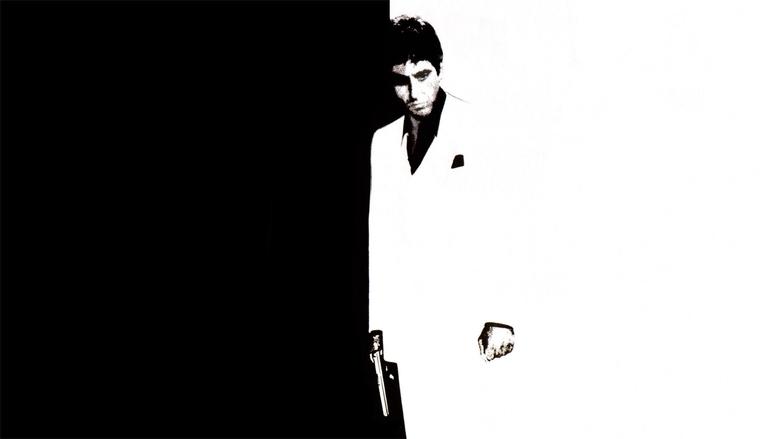
Scarface
1983
-
Blue Velvet
1986
-
Casualties of War
1989
-
The French Connection
1971
-
Carrie
1976
-
Clue
1985
-
Witness
1985
-
Mississippi Burning
1988
-
Carlito's Way
1993
-
Patriots Day
2016
-
Snowden
2016
-
Blood Simple
1985
-
Manhunter
1986
-

Star Trek II: The Wrath of Khan
1982
-
The Terminator
1984
-

Empire of the Sun
1987
-

Predator
1987
-

Raising Arizona
1987