The Witches of Eastwick
"Hell hath no fury like three women bored."
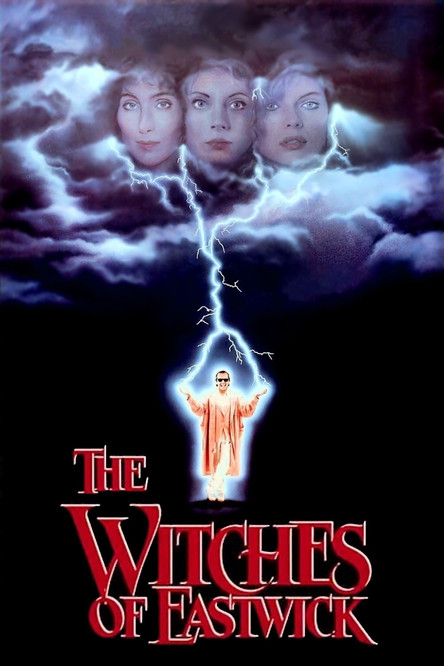
There is a specific brand of 1980s studio maximalism that feels like it could only exist in a world where hairspray was cheap and the creative mandate was "more is more." It’s a feverish, high-gloss energy that peaked right around 1987, and nowhere is it more delightfully chaotic than in The Witches of Eastwick. I watched this recently on a rainy Tuesday while trying to ignore a stack of unpaid parking tickets, and honestly, Daryl Van Horne’s chaotic energy made my looming legal woes feel like a breezy walk in the park.
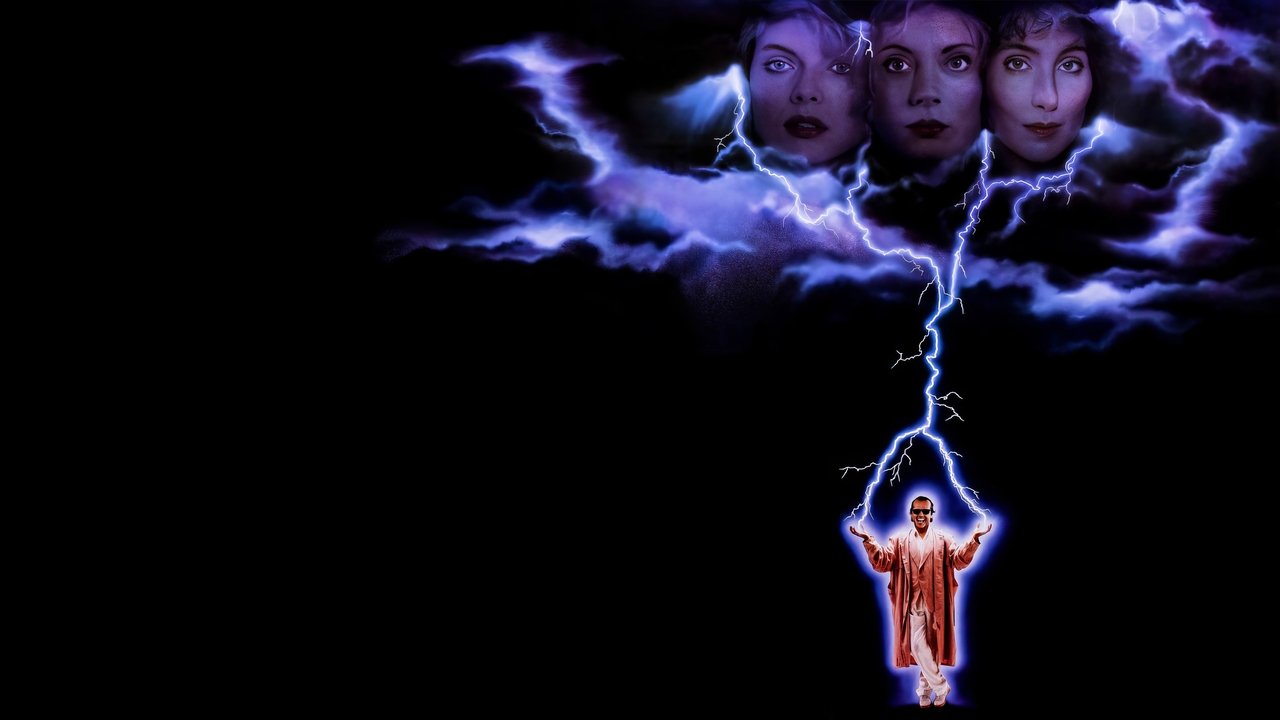
Directed by George Miller—who was still fresh off the dusty, desolate high of Mad Max Beyond Thunderdome—this film is an tonal tightrope walk. It’s a supernatural sex comedy that slowly, almost imperceptibly, curdles into a full-blown body-horror extravaganza. It shouldn’t work, yet it hums with a wicked, mischievous vitality that most modern blockbusters completely lack.
The Power of Three (and One Horny Devil)
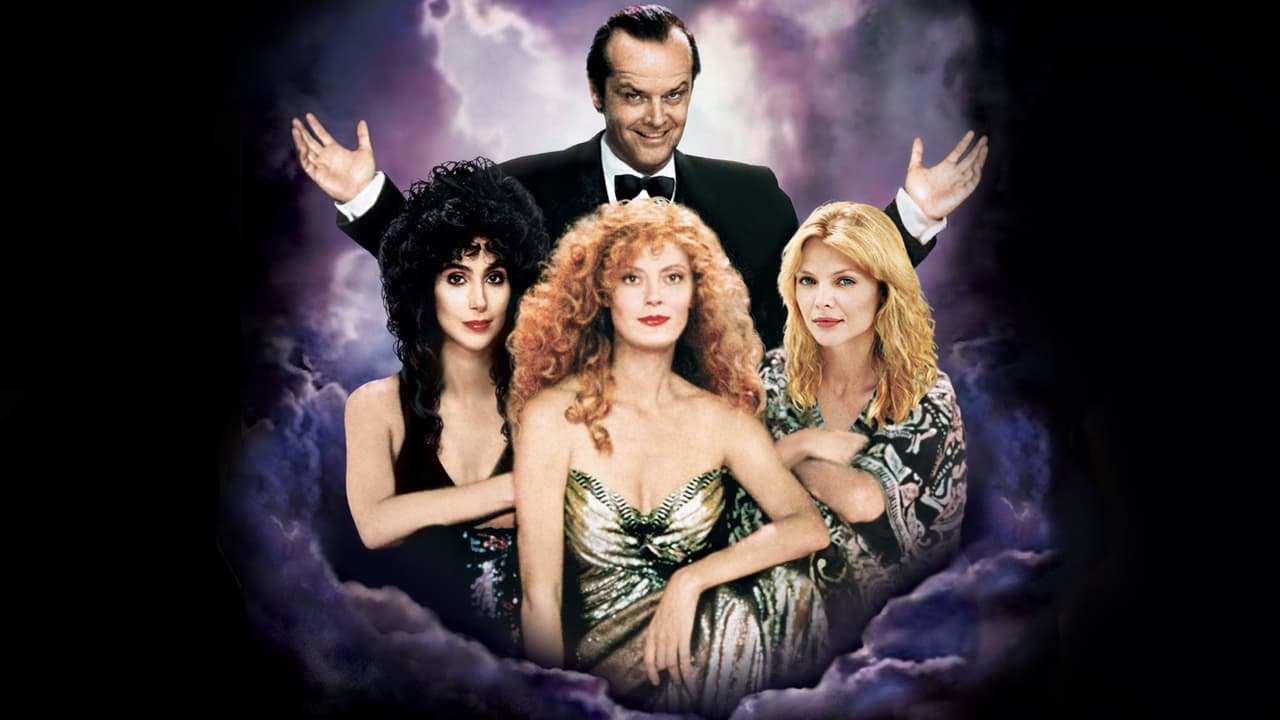
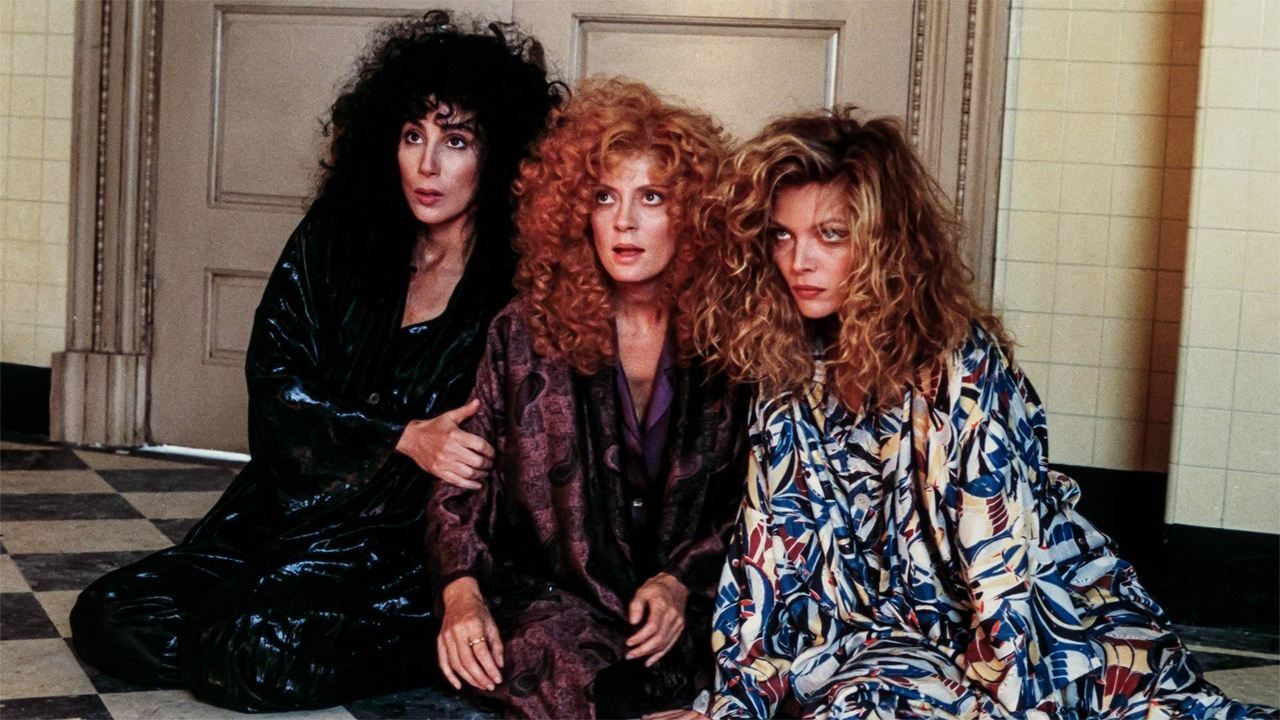
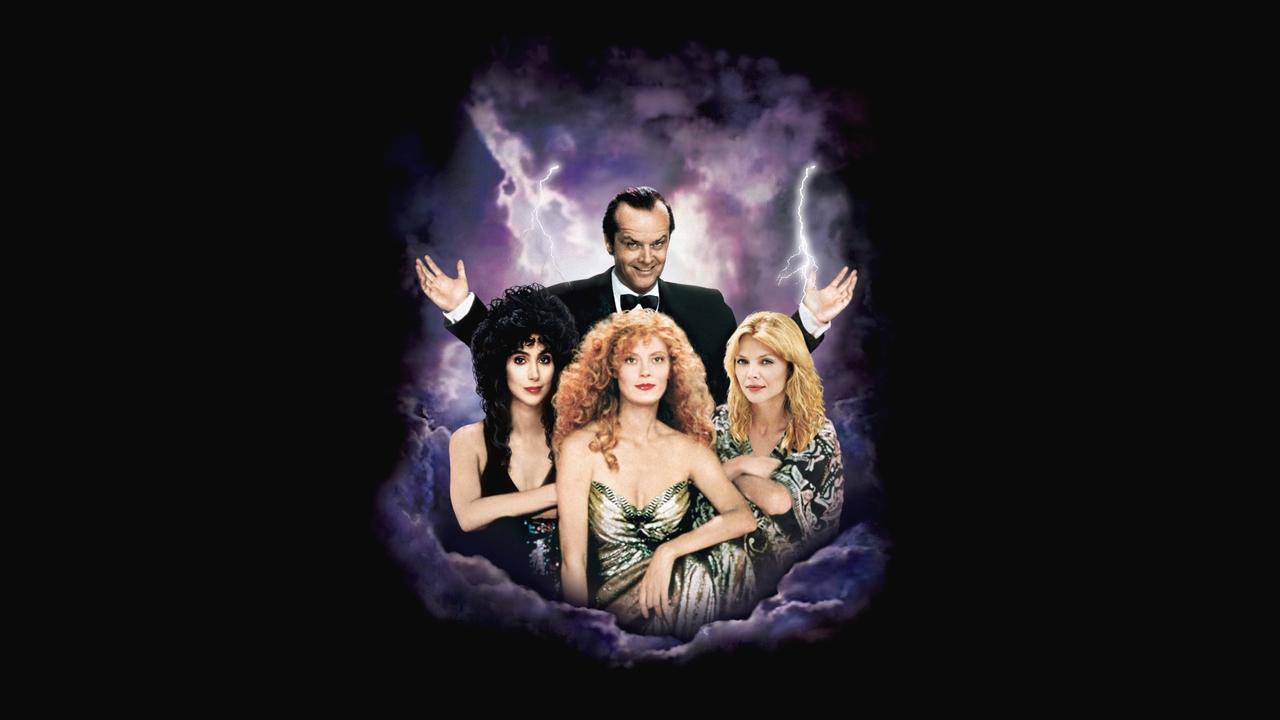
The premise is deceptively simple: three dissatisfied women in the picturesque, judgmental village of Eastwick—Cher (the sculptor), Susan Sarandon (the cellist), and Michelle Pfeiffer (the writer)—unwittingly summon their "ideal man" during a wine-soaked thunderstorm. Enter Jack Nicholson as Daryl Van Horne.
If there was ever a role Jack Nicholson was born to play, it’s a vulgar, charismatic, slightly receding personification of the Devil. He doesn't just chew the scenery; he marinates it and serves it with a side of devilish grin. Watching him seduce the three women one by one is a masterclass in "The Jack" persona. He’s gross, he’s magnetic, and he’s clearly having the time of his life.
But the film belongs to the women. Cher brings a grounded, cynical steeliness; Susan Sarandon’s transformation from a repressed music teacher to a wild-haired virtuoso is genuinely sexy; and Michelle Pfeiffer plays "overwhelmed mother of six" with a sweetness that makes her eventual empowerment all the more satisfying. The movie is essentially a high-budget Looney Tunes cartoon where the Coyote is a horny devil and the Roadrunner is three fed-up women.
Practical Magic and Cherry Pits
For the horror enthusiasts, the third act is where George Miller’s kinetic sensibilities really explode. This isn’t the subtle, psychological dread of the John Updike novel it’s based on; this is the era of the Rob Bottin practical effects revolution. Rob Bottin, the wizard behind The Thing and RoboCop, brings a grotesque, tactile reality to the film’s supernatural elements.
The infamous "cherry pit" sequence is a prime example of the kind of scene that made this a VHS staple. If you grew up in the late 80s or early 90s, you likely remember the purple-bordered VHS box sitting on the "Comedy" shelf, but once you got it home, you realized it was far weirder than the cover suggested. I remember the specific tracking flicker on my old rental copy right as Veronica Cartwright (playing the town’s local moralist, Felicia Alden) begins her projectile-vomiting descent into madness. It’s a scene that demands a rewind. The way those pits clatter against the floor with a wet, rhythmic thud is a triumph of foley work and practical mess-making. It’s disgusting, hilarious, and perfectly captures the film’s "hell-breaking-loose" vibe.
The climax involves a giant voodoo doll, some truly unsettling facial prosthetics, and enough wind-machine action to power a small city. It’s big, it’s loud, and it’s unapologetically weird. Miller’s direction ensures that even when the plot becomes a bit of a shambles, the visual energy never flags.
A Battle of the Sexes in High Fidelity
Underneath the puke and the flying tennis balls (a sequence that highlights the incredible chemistry and physical comedy of the leads), there’s a biting satire about gender dynamics and the fear of female agency. Veronica Cartwright is the MVP here, representing the repressed anxiety of a town that can't handle women owning their own power—or their own sexuality. Her performance is harrowing; she’s the only one who seems to realize they’re in a horror movie while everyone else thinks they’re in a romance.
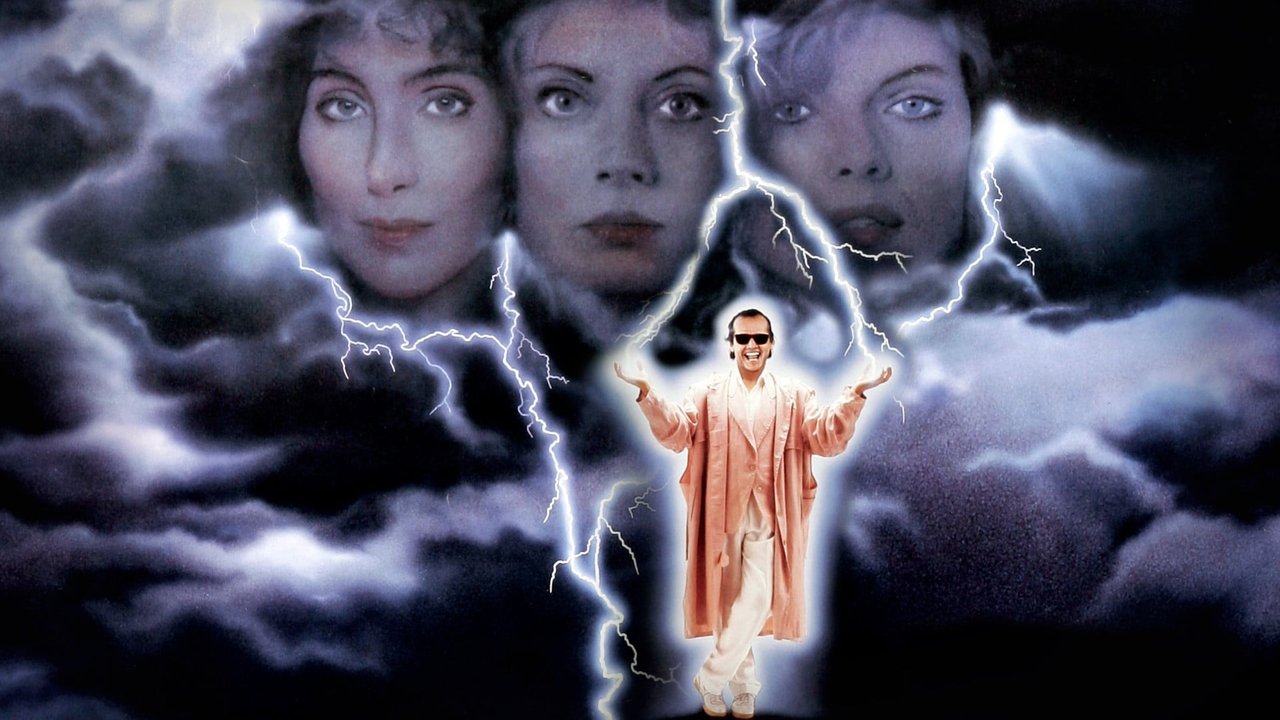
The production was famously troubled—George Miller reportedly almost quit several times due to studio interference from Jon Peters—but that friction seems to have bled into the film's frantic, desperate energy. You can feel the tension between the "prestige" cast and the "B-movie" splatter instincts of the director.
John Williams provides a score that is among his most playful. "The Devil’s Dance" is a bouncy, macabre waltz that perfectly mirrors Daryl Van Horne’s predatory strut. It’s the kind of music that stays in your head long after the credits roll, making you want to go out and buy a flamboyant silk robe and a very large bed.
The Witches of Eastwick is a glorious mess of a movie that feels like a relic from a time when studios were willing to spend $22 million on a film that ends with a man-sized baby screaming in a void. It’s a showcase for four of the greatest actors of their generation letting loose and a reminder that George Miller has always been one of cinema's most eccentric visual stylists. It might not have the philosophical depth of its source material, but as a piece of 80s spectacle, it’s pure, wicked fun. Seek out a copy, grab some cherries, and enjoy the chaos.
Keep Exploring...
-
Gremlins
1984
-
Ladyhawke
1985
-
The Rocky Horror Picture Show
1975
-
Creepshow
1982
-
Splash
1984
-

Fright Night
1985
-
The Purple Rose of Cairo
1985
-
Weird Science
1985
-
Little Shop of Horrors
1986
-
Scrooged
1988
-

All Dogs Go to Heaven
1989
-

The 'Burbs
1989
-
The Adventures of Baron Munchausen
1988
-

Bedknobs and Broomsticks
1971
-
Time Bandits
1981
-
Ghostbusters
1984
-
Big Trouble in Little China
1986
-
The Lost Boys
1987
-
Beetlejuice
1988
-
Big
1988