Wall Street
"The price of the dream is your soul."
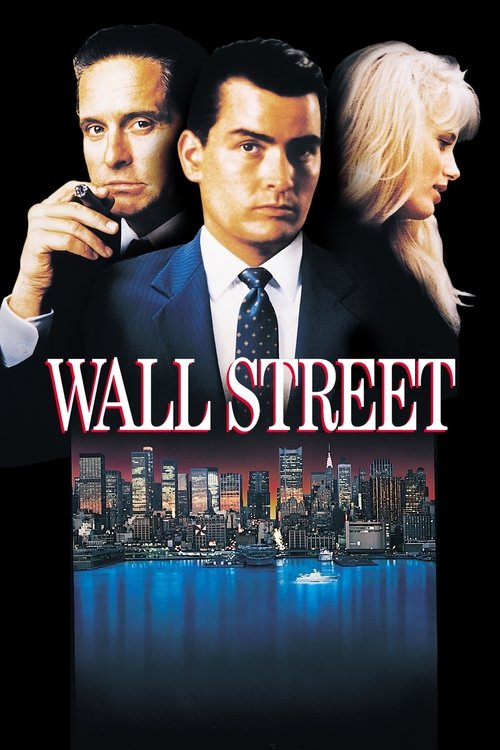
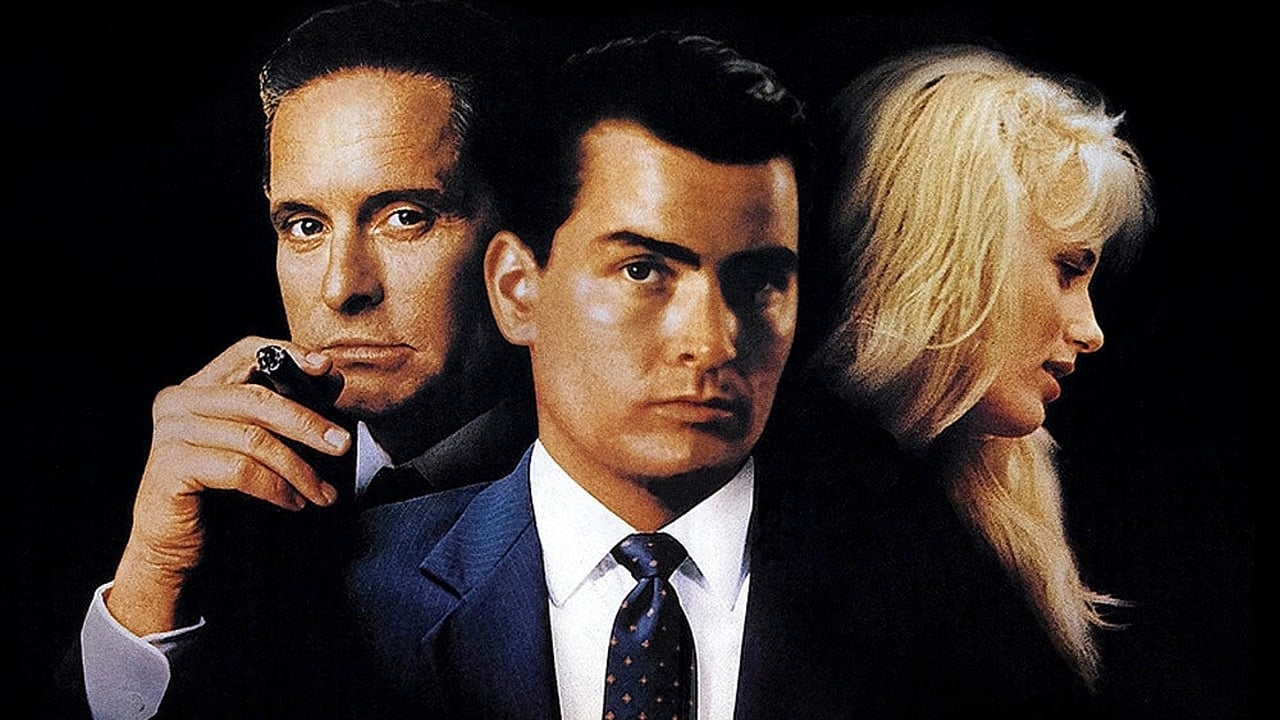
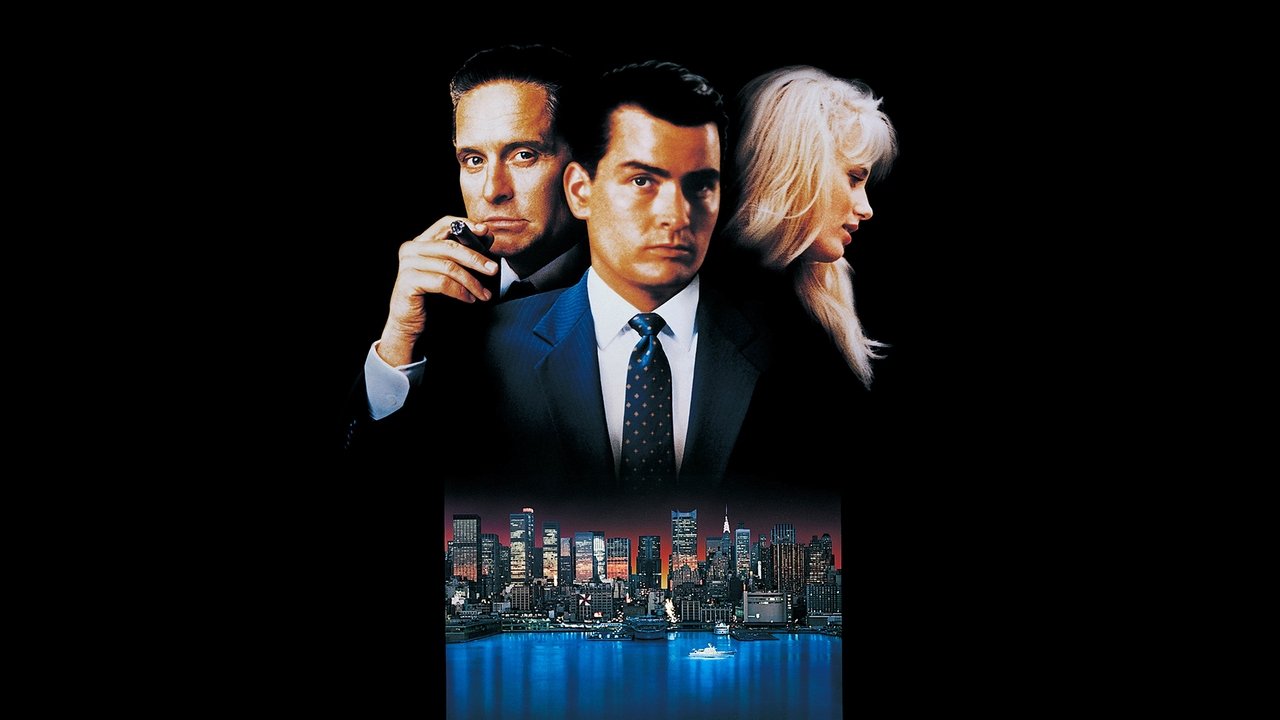
I remember finding the VHS of Wall Street at a local rental shop where the carpet smelled faintly of industrial cleaner and stale popcorn. The box art featured Michael Douglas looking like a predatory shark in a silk tie, and for a twelve-year-old in the Midwest, it looked less like a cautionary tale and more like a transmission from another planet. I recently revisited it on a Tuesday night while nursing a lukewarm Diet Coke and a bag of pretzels that were 40% salt, and the film’s high-octane cynicism still has a way of making your own skin feel a little greasy.
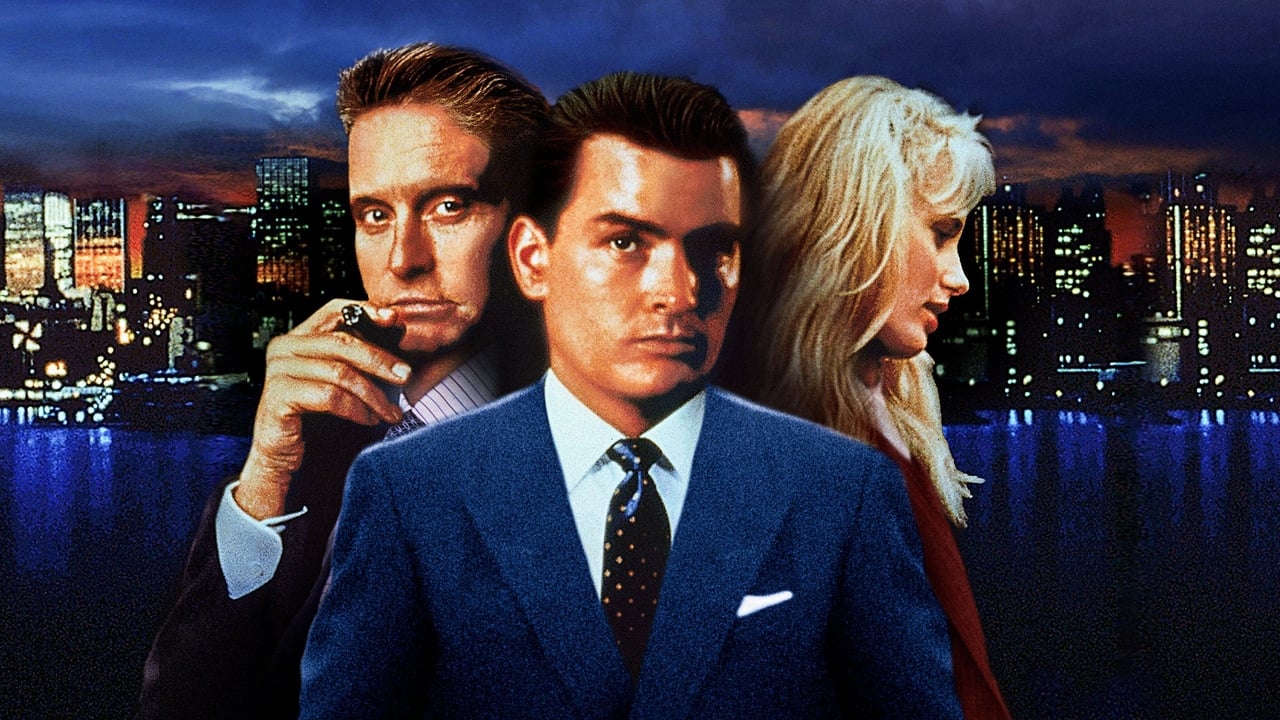
Oliver Stone didn't just make a movie about stocks; he made a war film where the weapons were Quotron terminals and the casualties were pension funds. It’s a quintessential piece of 1980s architecture—loud, expensive, and vibrating with an intensity that feels like it’s about to burst a blood vessel.
The Gospel of the Great White Shark
At the heart of the machine is Bud Fox, played by Charlie Sheen with a desperate, sweaty energy that perfectly captures the "New York minute." Bud is a low-level broker who wants to be a giant, and he finds his dark god in Gordon Gekko. Michael Douglas doesn't just play Gekko; he inhabits him with a reptilian grace that earned him an Oscar. When he delivers the "Greed is Good" speech, it isn't just a monologue—it’s a declaration of faith for an era that had traded its 1960s idealism for high-yield bonds.
The brilliance of the film lies in the three-way tug-of-war for Bud’s soul. On one side, you have Gekko, the ultimate corrupter. On the other, you have Bud’s actual father, Carl Fox, played by Martin Sheen. The casting here is genius because the chemistry isn't manufactured; you can feel the genuine disappointment and love in Carl’s eyes as he watches his son turn into a "blue horseshoe" stooge. Between them is Hal Holbrook as Lou Mannheim, the old-guard broker who serves as the film’s weary conscience, dropping lines like, "Main thing about money, it makes you do things you don't want to do."
A World Built on Shadows and Silk
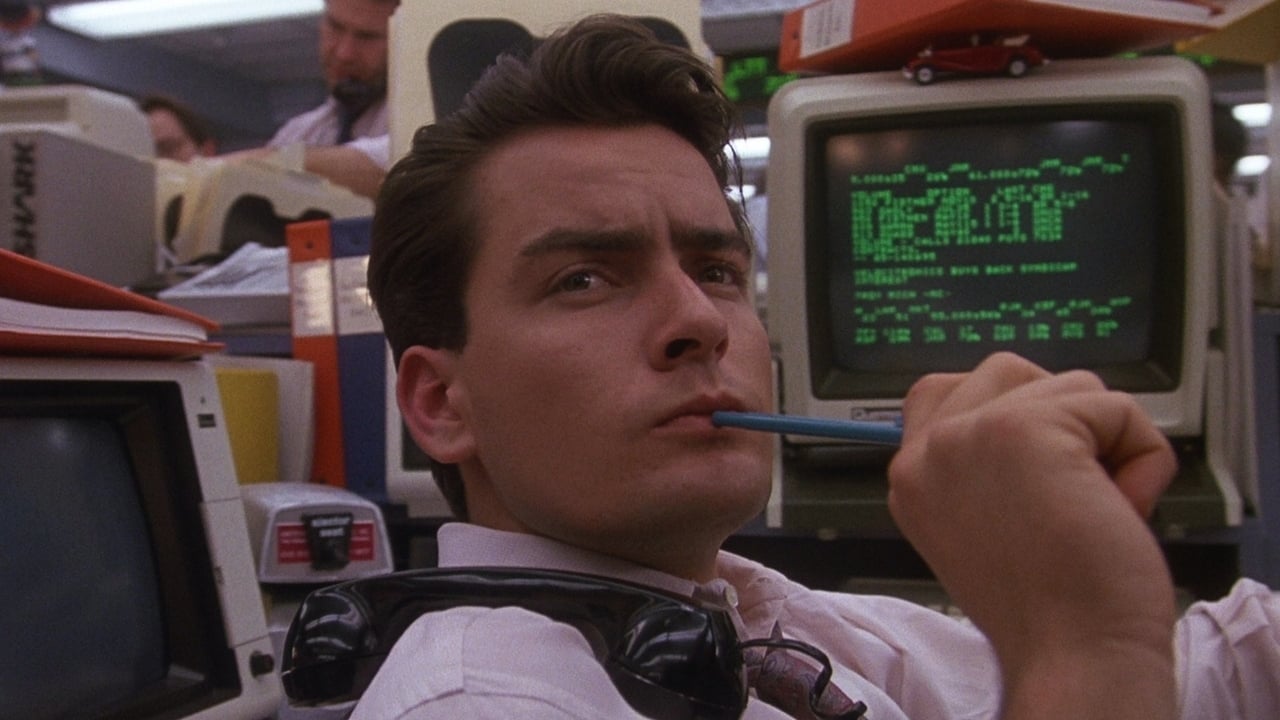
Visually, Wall Street is a masterclass in using the camera to convey power. Director of Photography Robert Richardson captures the trading floor as a chaotic, claustrophobic mosh pit, while Gekko’s office is a cavernous, cold temple of glass and steel. It’s an intense aesthetic—everything is sharp edges and harsh lighting. The film doesn't shy away from the ugliness of the "Big City" dream; it highlights the way these men treat people like line items on a balance sheet.
The score by Stewart Copeland (of The Police) adds a frantic, ticking-clock energy to the proceedings. It sounds like the pulse of a man who hasn't slept in three days and is surviving entirely on caffeine and hubris. Even the smaller roles feel lived-in; John C. McGinley is fantastic as the hyperactive Marvin, and Daryl Hannah plays Darien Taylor as a woman who knows exactly what her "price" is, even if she’s not particularly happy about it. Bud Fox is basically a golden retriever with a gambling addiction, and watching him realize he's just a pawn in Gekko's game is genuinely painful.
The Stuff You Didn't Notice
The cult status of Wall Street is a bit of a paradox; Stone intended it to be a searing critique of corporate raiding, but it accidentally became a recruitment film for a generation of brokers. Apparently, Michael Douglas still has people coming up to him today telling him they entered finance because of Gordon Gekko—which is like telling Anthony Hopkins you became a psychiatrist because of Hannibal Lecter.
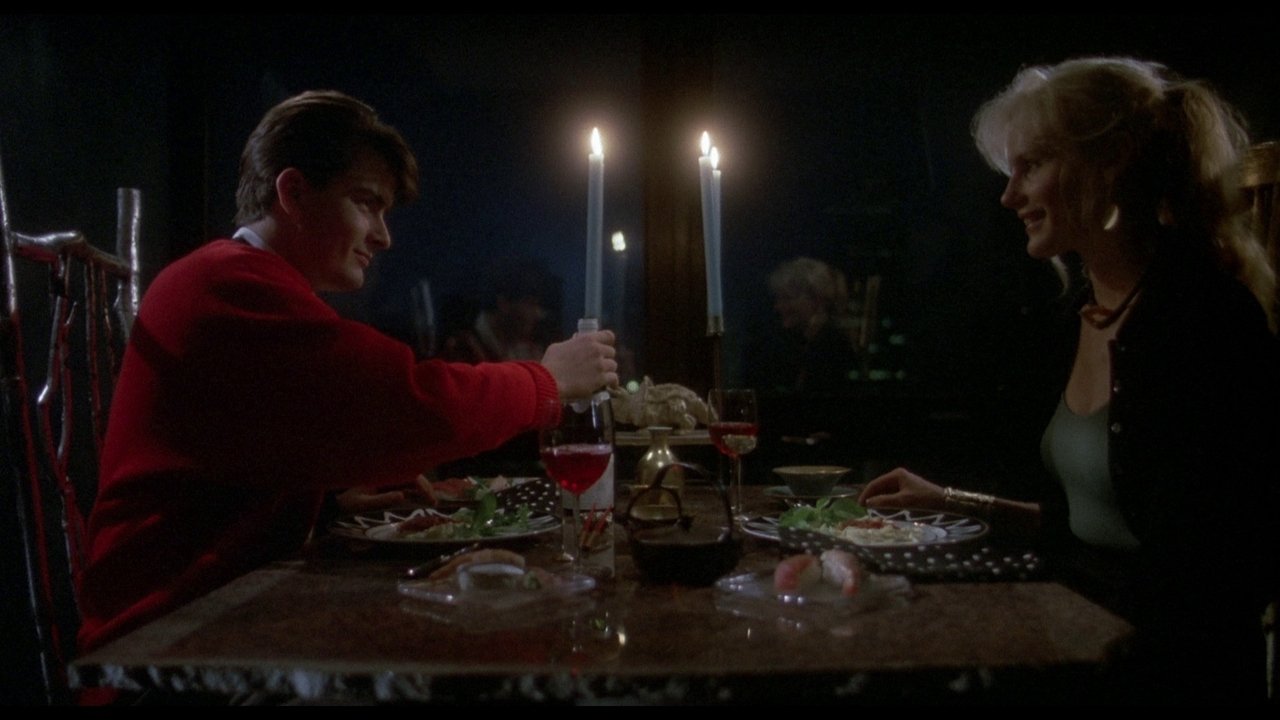
Behind the scenes, the production was just as intense as the script. To get Charlie Sheen into the right headspace, Stone would often antagonize him on set, even telling him at one point that he looked like he belonged in a different movie. It worked, as Sheen’s performance is defined by a sense of being perpetually off-balance. Also, the massive "brick" phone Gekko uses on the beach? That was a Motorola DynaTAC 8000X, which cost nearly $4,000 in 1987—roughly $10,000 today.
Interestingly, the "Greed is Good" speech wasn't entirely fictional. It was a mashup of real-life quotes from corporate raider Ivan Boesky and financial wizard David Brown. Even the tension between the actors was real; Daryl Hannah reportedly hated her character’s materialistic nature so much that she and Stone clashed constantly during filming, leading to some of her scenes being trimmed.
Wall Street remains the definitive cinematic document of 1980s excess. It’s a dark, Shakespearean tragedy dressed up in power suits and suspenders, showing us a world where the only thing more dangerous than losing is winning. Watching it today, the technology looks ancient, but the cold, hard logic of Gekko’s world feels uncomfortably modern. It’s a film that demands your attention and, like the market itself, never stops moving until the final bell rings.
Keep Exploring...
-
Wall Street: Money Never Sleeps
2010
-

Platoon
1986
-
Born on the Fourth of July
1989
-
Natural Born Killers
1994
-

Snowden
2016
-
Savages
2012
-

Papillon
1973
-
JFK
1991
-
The Outsiders
1983
-
Witness
1985
-
Stand by Me
1986
-
Mississippi Burning
1988
-
Crimes and Misdemeanors
1989
-
Scarface
1983
-

Falling Down
1993
-
Midnight Express
1978
-
Blood Simple
1985
-

Magnum Force
1973
-
Blade Runner
1982
-
Blue Velvet
1986