Wings of Desire
"To be human is to hurt, and it’s beautiful."
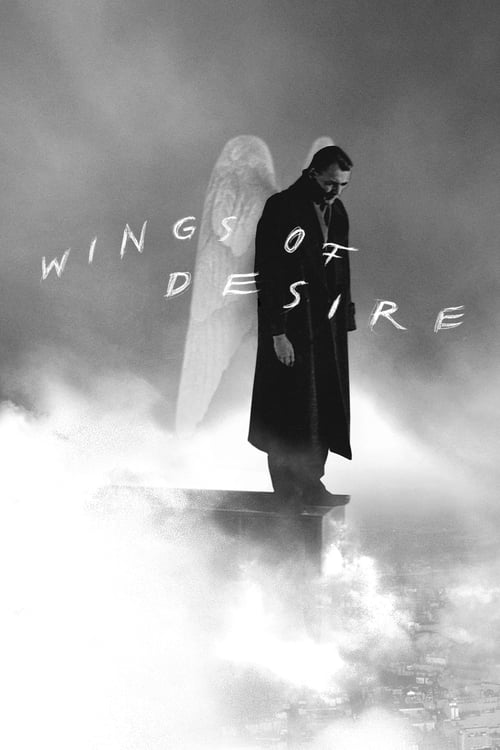
Berlin in 1987 wasn't just a city; it was a scar. Before the Wall came down, West Berlin felt like an island of neon and concrete surrounded by a sea of silence. It’s the perfect place for ghosts, or in this case, angels. When I first sat down to watch Wim Wenders’ Wings of Desire, I’d just finished a bag of slightly-too-salty pretzel sticks, and I honestly expected a dry, European art-house slog. Instead, I found a film that breathes. It doesn't just tell a story; it listens to the heartbeat of a city that was, at the time, caught in a permanent state of waiting.
The Ghostly Voyeurs of West Berlin
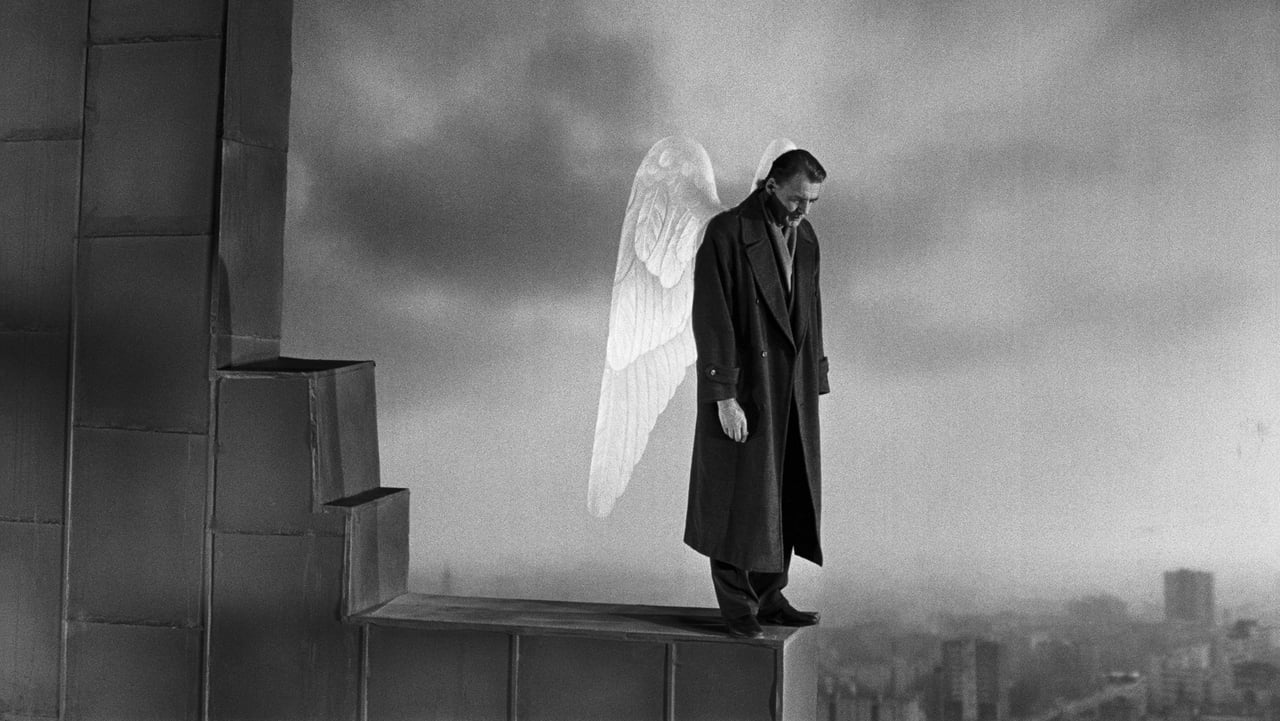
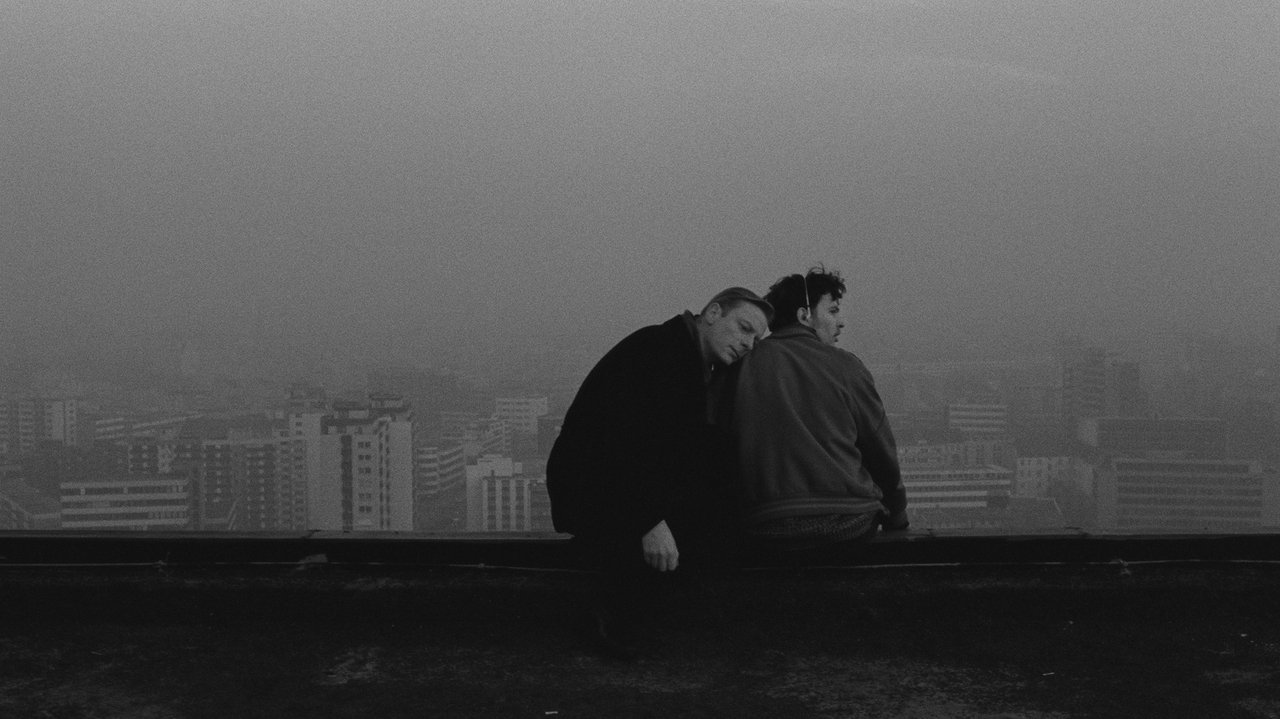
We see the world through the eyes of Damiel (Bruno Ganz) and Cassiel (Otto Sander). They are angels, but not the winged, harp-strumming variety you’d find on a Hallmark card. They wear heavy wool overcoats and look like weary detectives who have been on the graveyard shift for several centuries. They glide through the library, the metro, and the cramped apartments of Berlin, placing a gentle hand on the shoulders of the depressed and the lonely. They can’t change anything, but they witness everything.
The cinematography by the legendary Henri Alekan (who shot Cocteau's Beauty and the Beast) is the secret sauce here. The angels see the world in a shimmering, sepia-toned black and white. It’s gorgeous, but it’s also cold. It represents their detachment. They know the "essence" of things, but they don't know the "weight" of them. When Damiel falls for Marion (Solveig Dommartin), a trapeze artist in a circus that’s about to fold, the film starts to ache with a specific kind of longing. If you find the poetry pretentious, you're probably just mad you can't pull off a trench coat like Bruno Ganz. He plays Damiel with this incredible, quiet curiosity, watching Marion not like a stalker, but like someone watching a fire for the first time, wondering what it feels like to get burned.
Columbo, Coffee, and the Human Condition
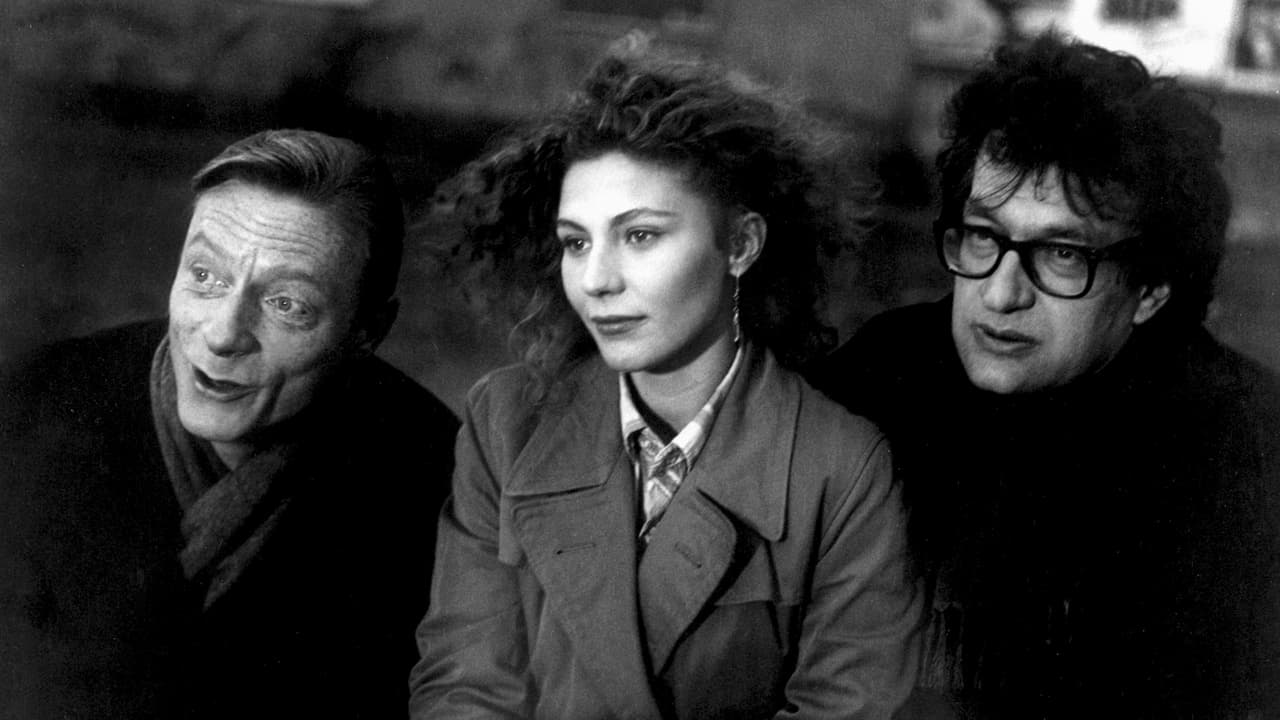
Then there’s Peter Falk. This is one of my favorite "meta" moments in all of cinema. Peter Falk plays "The Filmstar," who is in Berlin shooting a movie about the Nazi era. He’s essentially playing himself, or at least our collective idea of him. It turns out he used to be an angel, too, but he "took the plunge" into humanity. Watching him sketch extras on a film set while sensing Damiel’s invisible presence is pure magic. He talks about the simple joys of humanity—drawing, smoking, and finding a "yellow" cup of coffee.
The production was a total indie gamble. Wim Wenders and writer Peter Handke didn't even have a finished script when they started shooting. They had poems, ideas, and a desire to capture the "spirit" of the city. They were working on a relatively modest budget of $2.5 million, which sounds like a lot until you realize they were trying to capture the metaphysical soul of a divided metropolis. They shot in sequence, and Solveig Dommartin actually learned the trapeze for the role, performing high above the ground without a safety net. That raw, physical risk perfectly mirrors the thematic risk Damiel takes when he decides to trade his immortality for a chance to taste a cup of coffee and feel the cold wind on his skin.
The Texture of a Divided World

For those of us who grew up in the VHS era, Wings of Desire was a staple of the "World Cinema" shelf at the local rental haunt. I remember the Orion Home Video tape box—the grainy image of Damiel perched atop the Victory Column. On a low-res CRT television, the black-and-white photography took on this ethereal, ghost-in-the-machine quality. The pops and hisses of a worn-out tape actually added to the atmosphere, making the voices of the Berliners’ inner thoughts feel like they were leaking out of your own walls.
The film transitions into color when Damiel finally "falls" into humanity. It’s not a sudden, Technicolor explosion like The Wizard of Oz; it’s muddier, grittier, and more real. He bleeds. He has to sell his golden breastplate to a pawn shop. He finally meets Marion at a Nick Cave and the Bad Seeds concert. The black-and-white sections are basically the most expensive and beautiful ASMR ever recorded, but the color sections are where the "drama" happens. It’s a bold choice to make the "heavenly" part of the film more visually stunning than the "human" part, but it makes Damiel’s sacrifice feel heavier. He gives up eternal beauty for temporary, messy, colorful life.
Wings of Desire is a film that rewards you for slowing down. It’s a reminder that being alive—even when it's painful, even when the coffee is bad and the circus is closing—is a miracle worth falling for. It captures a version of Berlin that no longer exists, a city of shadows and walls, and fills it with a warmth that feels universal. If you haven't seen it, grab a warm drink, dim the lights, and let yourself be seen by the angels for a couple of hours. It’s the kind of movie that makes you want to walk outside and just appreciate the fact that you can feel the pavement under your shoes.
Keep Exploring...
-
Paris, Texas
1984
-
The Apartment
1960
-
Guess Who's Coming to Dinner
1967
-
Annie Hall
1977
-
Cinema Paradiso
1988
-
Kiki's Delivery Service
1989
-
Nausicaä of the Valley of the Wind
1984
-
Castle in the Sky
1986
-

My Neighbor Totoro
1988
-

My Left Foot: The Story of Christy Brown
1989
-
Breakfast at Tiffany's
1961
-

The Hustler
1961
-
Harold and Maude
1971
-
The Time Machine
1960
-
Contempt
1963
-

The Umbrellas of Cherbourg
1964
-
Pierrot le Fou
1965
-
Cabaret
1972
-
Last Tango in Paris
1972
-
Badlands
1974