A Nightmare on Elm Street 4: The Dream Master
"Freddy becomes a rock star in a neon-drenched dreamscape."
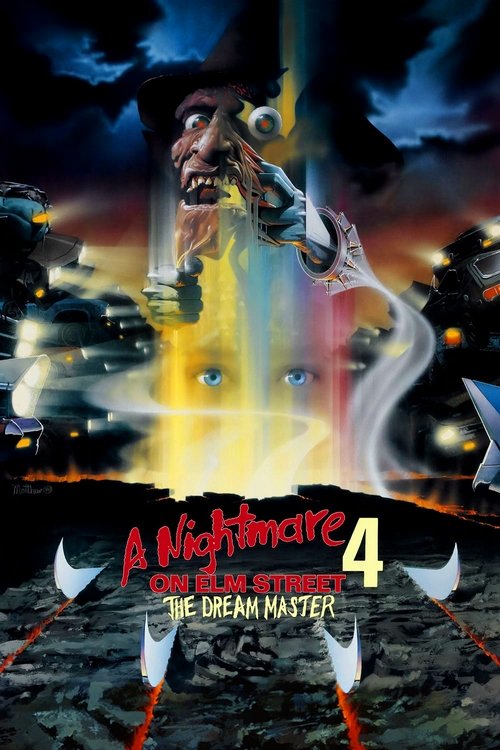
By 1988, Freddy Krueger wasn't just a monster hiding in your closet; he was a pop-culture juggernaut. He had a 1-900 number, a television show, and enough merchandising to make George Lucas blush. I remember walking into a Record Bar back then and seeing Freddy’s charred face on everything from lunchboxes to bubble gum. So, when I sat down to watch A Nightmare on Elm Street 4: The Dream Master, I wasn't expecting the grim, industrial dread of Wes Craven’s 1984 original. I was expecting a show. And boy, did Renny Harlin deliver a circus.
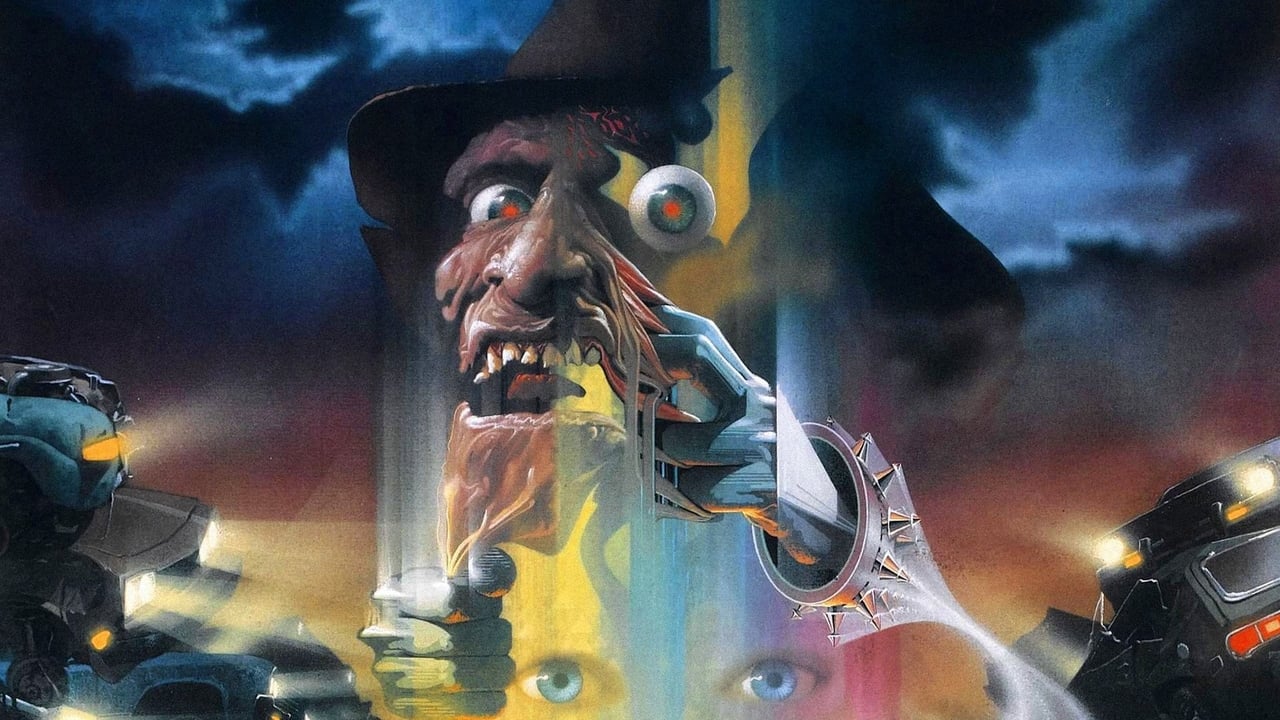
I actually watched this particular screening in a basement where the humidity was so high my soda can was sweating more than the victims on screen, which felt oddly immersive given the "Boiler Room" aesthetic Freddy calls home.
The MTV-fication of Freddy
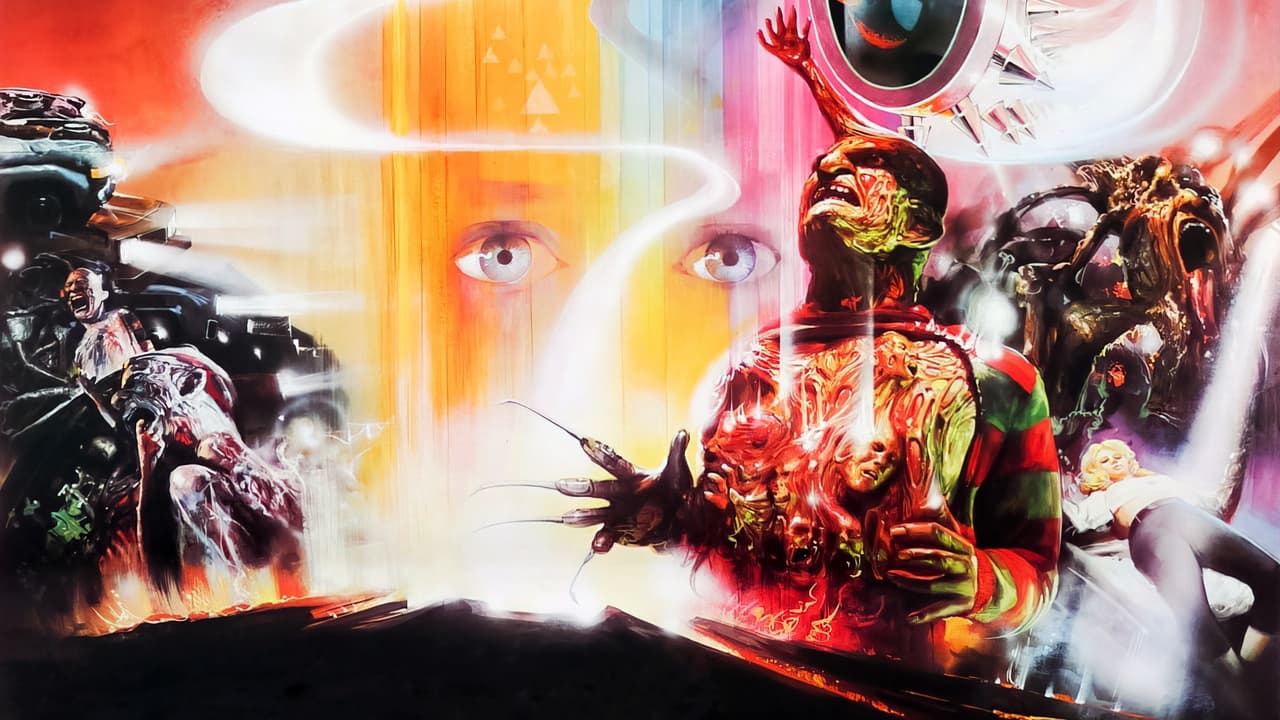
If Dream Warriors (Part 3) was the franchise’s high-water mark for storytelling, The Dream Master is its peak for pure, unadulterated 80s style. Renny Harlin, a Finnish director who basically talked his way into the job while he was flat broke in L.A., brought a "more is more" philosophy to the production. The lighting is pure neon—pinks, blues, and deep oranges that make the dream sequences look like high-budget music videos.
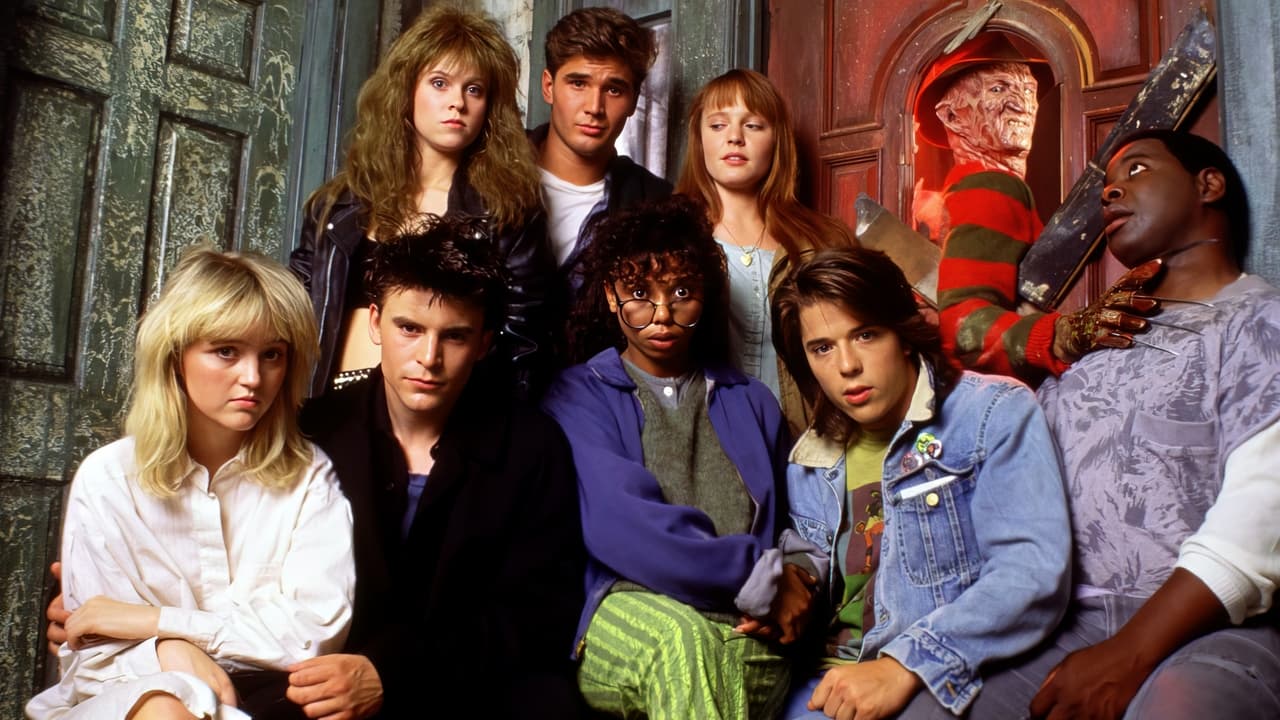
The film picks up with the survivors of the previous movie, but let’s be honest: they’re just fodder to get us to the new "Final Girl," Alice. Tuesday Knight steps in for Patricia Arquette as Kristen, and while the recasting is jarring at first, Knight brings a softer, more melodic energy to the role (she even sang the opening theme song!). However, the movie truly belongs to Lisa Wilcox as Alice. Watching her go from a shy, "dreamy" wallflower to a nunchuck-wielding warrior who literally absorbs the personality traits of her dead friends is the ultimate 80s training montage without the sweatbands.
Practical Effects at Their Peak
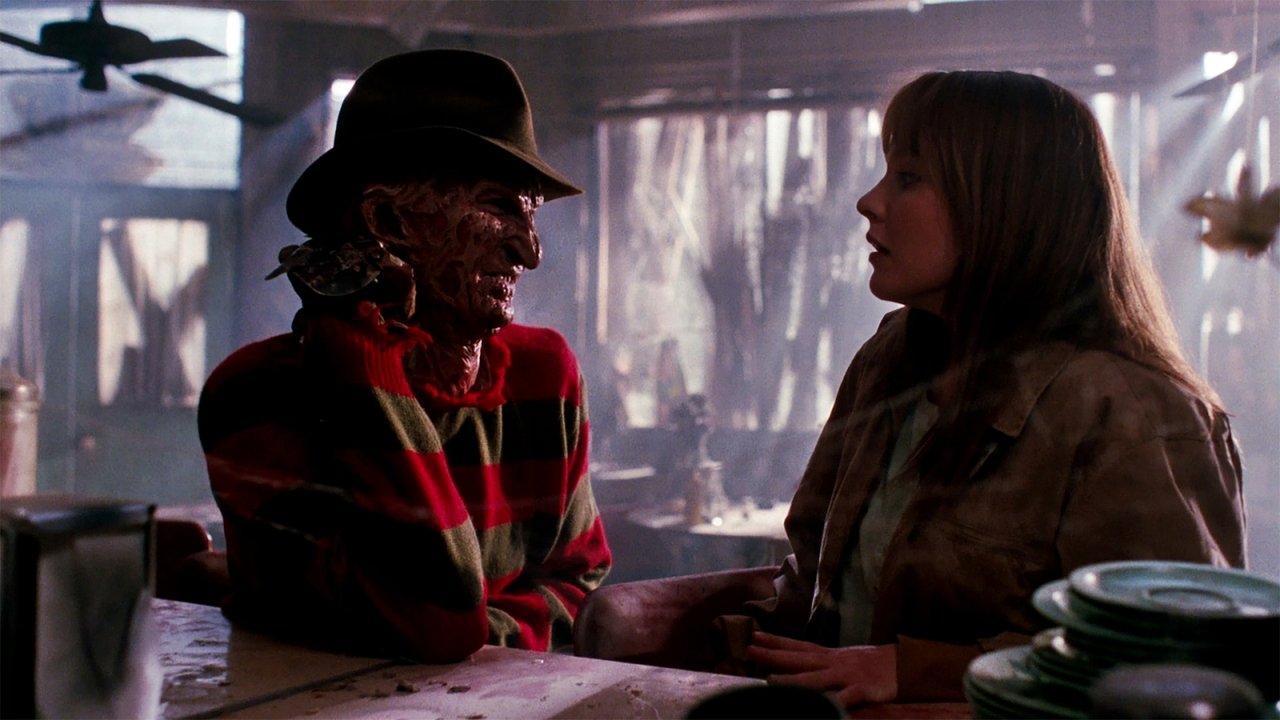
We have to talk about the "Soul Pizza." You know the one. Freddy pulls a meatball off a pizza, and it’s actually the screaming face of one of his victims. That kind of gleeful, grotesque creativity is what made this era of horror so special. This was the Golden Age of practical effects, and Harlin assembled a "Who’s Who" of makeup wizards, including Kevin Yagher, Steve Johnson, and the legendary Screaming Mad George.
The standout sequence—and the one I still find hard to watch without squirming—is the transformation of Debbie (Brooke Theiss) into a cockroach. It’s a masterclass in body horror that feels like a nod to David Cronenberg’s The Fly. The way her arms split open to reveal insect limbs is a testament to the ingenuity of pre-CGI filmmaking. They built a giant "roach motel" set and used actual animatronics that still look better than most modern digital effects because they have weight. Freddy was basically the Bugs Bunny of Hell at this point, cracking jokes while turning teenagers into invertebrates, and the film leans into that absurdity with total confidence.
The Home Video Hero
While it was a massive box office hit, The Dream Master really lived its best life on the shelves of local video stores. I remember the VHS box art vividly—the "Master of Dreams" himself looming over a suburban house, his clawed hand glowing with an ethereal light. In the late 80s, these tapes were the currency of sleepovers. You didn't just watch it once; you rewound the transformation scenes until the tape started to "snow" from the friction.
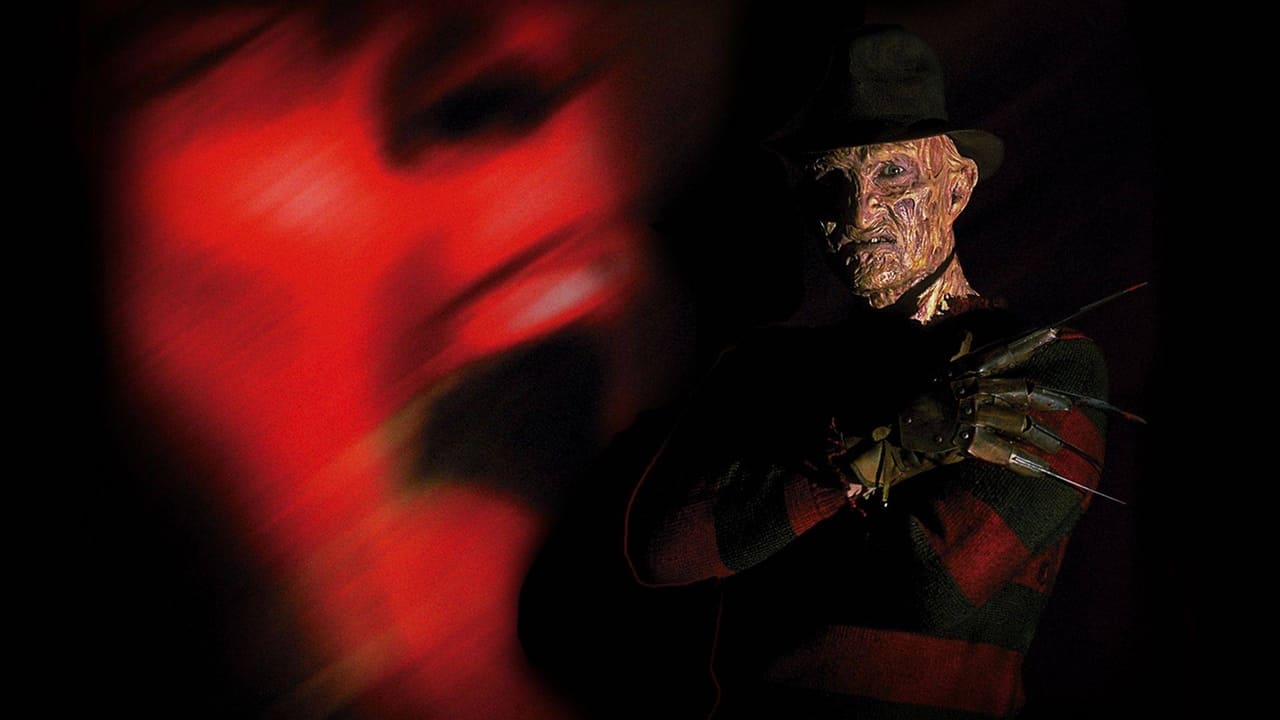
The movie’s pacing is built for the VHS era. It’s relentless. Harlin cuts through the plot with the speed of an action movie, which makes sense given he went on to direct Die Hard 2 and Cliffhanger. He treats the dream logic not as a psychological puzzle, but as a playground for stunts. When Alice and Dan (Danny Hassel) find themselves stuck in a time loop while driving, it’s a clever, frustrating bit of editing that perfectly captures that "dreaming-but-stuck" feeling we’ve all had.
A Nightmare on Elm Street 4: The Dream Master is the exact moment the franchise traded its soul for a leather jacket and a punchline, but it’s impossible to hate. It is the quintessential 1988 horror film—loud, colorful, and obsessed with its own special effects. While it lacks the raw terror of the original, it makes up for it with sheer imaginative energy and Robert Englund’s charismatic, scenery-chewing performance.
It’s a film that understands exactly what it is: a high-gloss slasher spectacle designed to be watched with a group of friends and a large pepperoni pizza (minus the screaming meatballs). If you want to see the 80s horror machine operating at maximum horsepower, this is the tape you need to slide into the VCR. Just make sure you stay awake long enough to see the credits roll.
Keep Exploring...
-
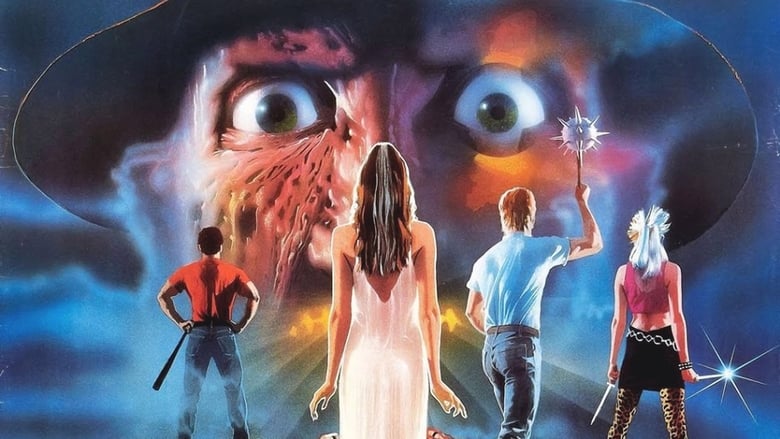
A Nightmare on Elm Street 3: Dream Warriors
1987
-

A Nightmare on Elm Street Part 2: Freddy's Revenge
1985
-
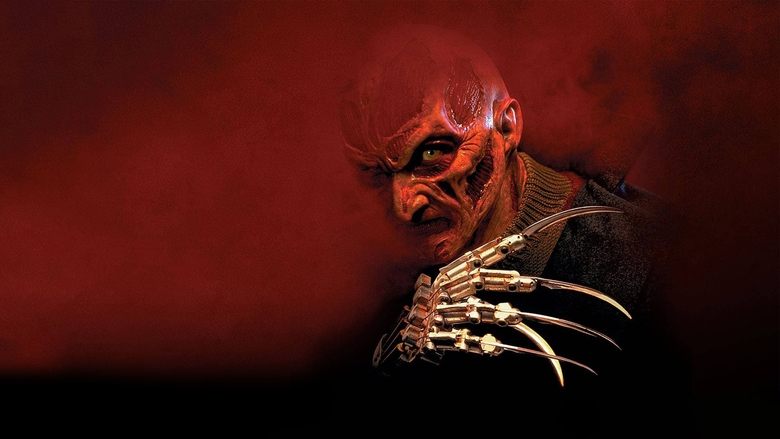
New Nightmare
1994
-

A Nightmare on Elm Street
1984
-

Cujo
1983
-

The 'Burbs
1989
-
Friday the 13th: The Final Chapter
1984
-
Friday the 13th Part VI: Jason Lives
1986
-
Friday the 13th Part 2
1981
-
Friday the 13th Part III
1982
-

Halloween 4: The Return of Michael Myers
1988
-
The Dead Zone
1983
-
The Hitcher
1986
-
Children of the Corn
1984
-
Hellbound: Hellraiser II
1988
-
2010
1984
-
Body Double
1984
-
Red Dawn
1984
-
Star Trek III: The Search for Spock
1984
-
Cobra
1986