Beetlejuice
"The afterlife’s worst salesman is its best entertainer."
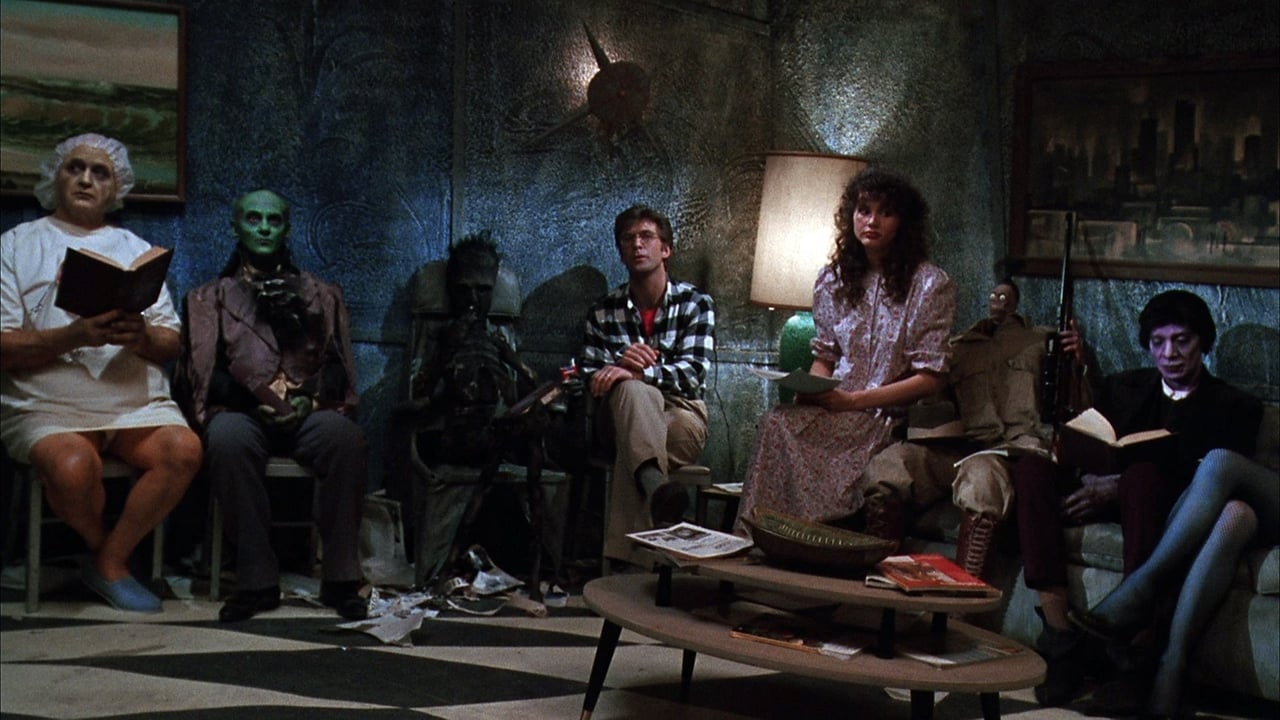
I’ll never forget the first time I saw the Handbook for the Recently Deceased. I was eight years old, huddled on a beanbag chair in my basement, nursing a lukewarm Diet Coke that had lost its fizz twenty minutes earlier. When Alec Baldwin picked up that dusty, drab book, I felt a genuine shiver—not because of the ghosts, but because the movie suggested that even in death, you still have to deal with paperwork. That is the fundamental genius of Beetlejuice. It takes the grand, terrifying mystery of the Great Beyond and turns it into a cramped, neon-lit waiting room at the DMV.
The Aesthetics of an Art-School Nightmare
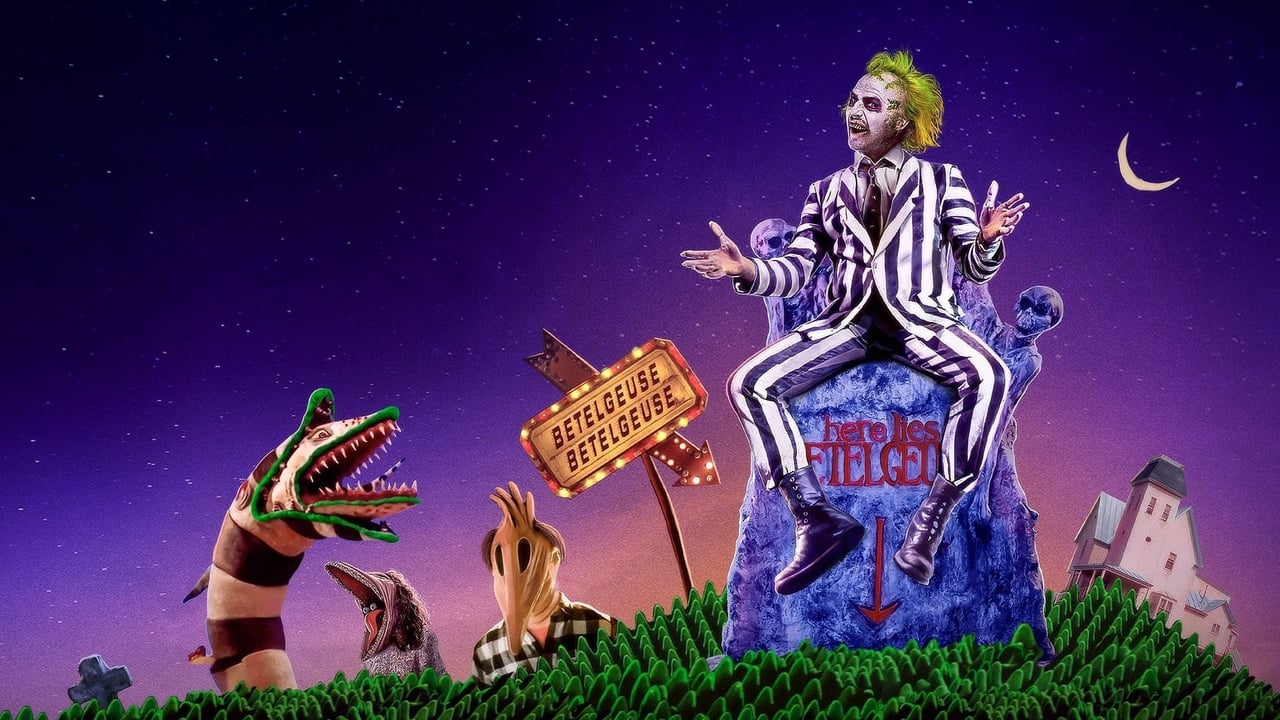
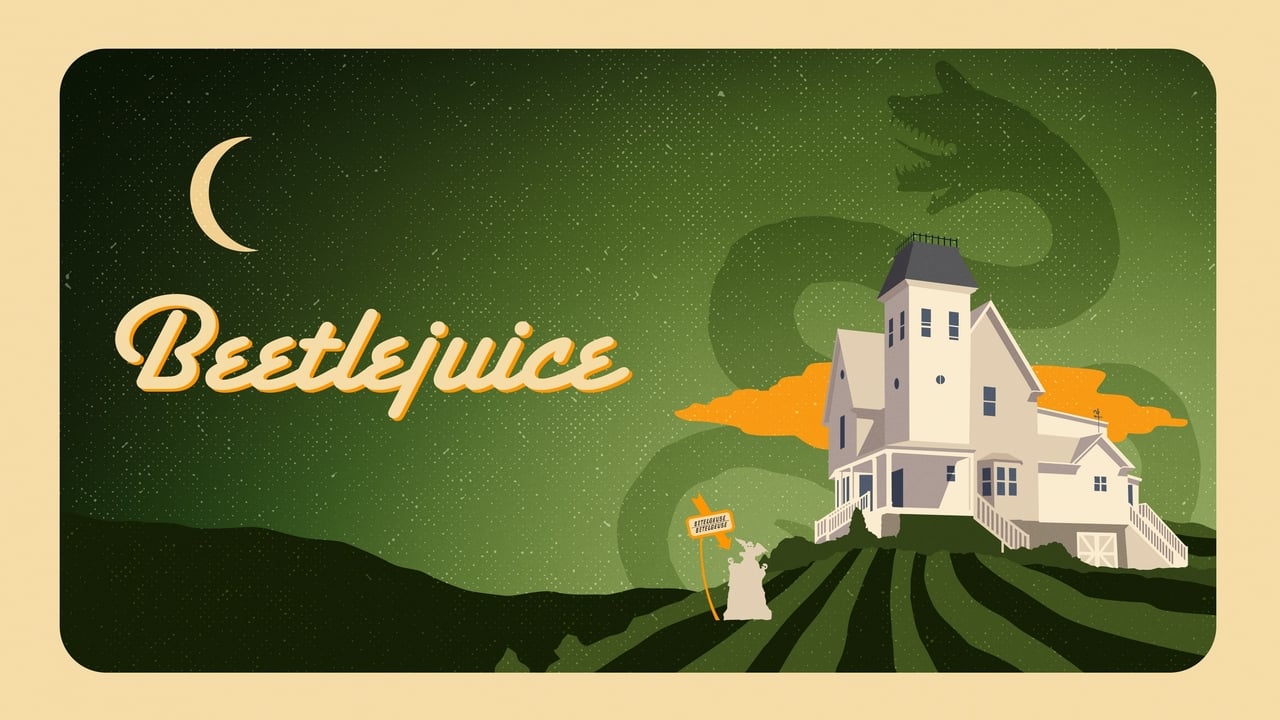
Before Tim Burton became a "brand" associated with striped scarves and Hot Topic merchandise, he was a young director with a truly chaotic visual vocabulary. Beetlejuice feels like the moment his brain finally exploded onto the screen in all its messy, hand-crafted glory. This was the peak of the practical effects golden age, a time when if you wanted a giant sandworm to swallow a porch, you didn't click a mouse; you built a giant puppet and filmed it in the dirt.
The contrast in this film is what makes the comedy pop. You have the Maitlands (Alec Baldwin and Geena Davis), a couple so aggressively wholesome they probably have "Live, Laugh, Love" embroidered on their souls. They are trapped in their beautiful New England home, which has been invaded by the Deetz family—New York art snobs who represent everything 1980s yuppie culture held dear. Catherine O'Hara as Delia Deetz is a masterclass in high-strung comedic timing. Her "sculptures" look like sentient coat hangers, and her reaction to a haunting isn't terror—it’s an opportunity for a gallery opening. Jeffrey Jones plays the father, Charles, with a hilarious, exhausted detachment, as if he’s just waiting for the movie to end so he can go back to birdwatching.
Seventeen Minutes of Absolute Mayhem
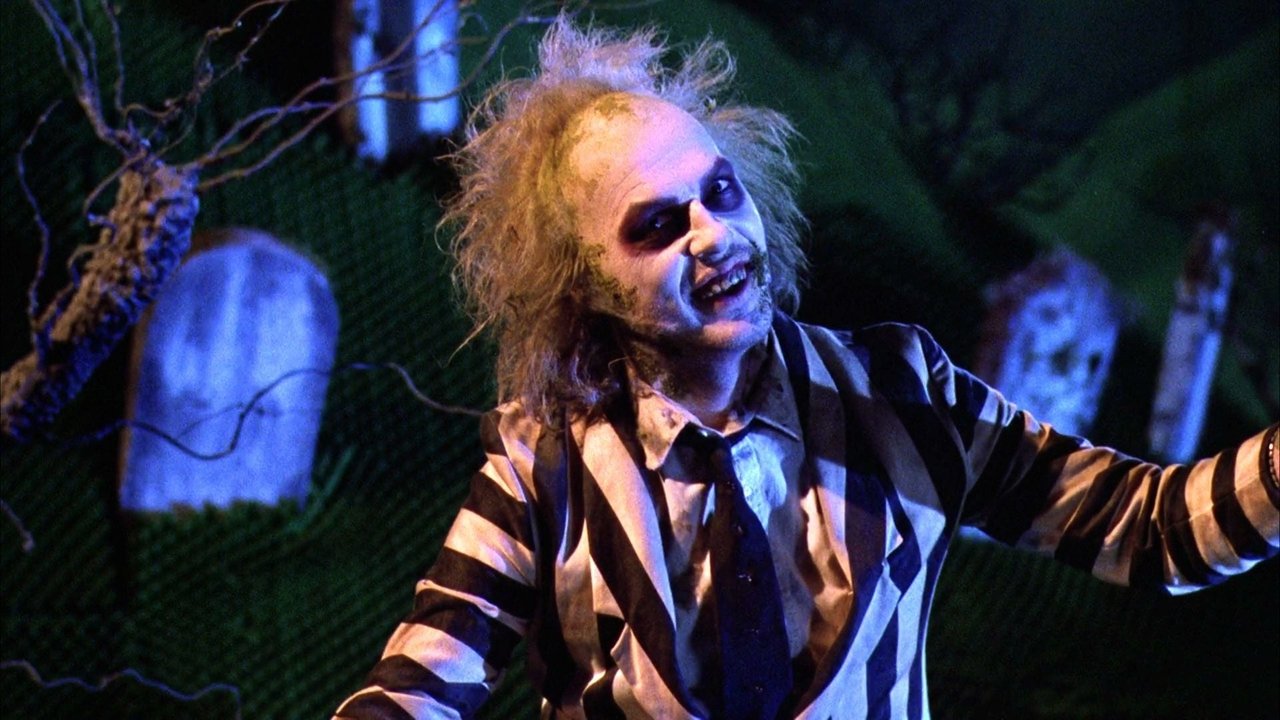
It’s one of the great trivia nuggets of cinema history that Michael Keaton is only on screen for about 17 and a half minutes. Yet, his performance as Betelgeuse (don't say it three times) is so tectonic that it feels like he’s in every frame. Apparently, Keaton spent a lot of time ad-libbing, drawing inspiration from a mix of a sleazy car salesman and a depraved Groucho Marx. He’s gross, he’s loud, he’s covered in moss, and he’s clearly having the time of his life.
The dinner party "Day-O" sequence is the film’s crown jewel, and remarkably, it almost didn't happen. The studio was worried the Harry Belafonte track wouldn't land with audiences, but Burton fought for it. It’s a perfect example of his "controlled chaos" style—physical slapstick that feels both threatening and ridiculous. Watching Catherine O'Hara lose control of her own body while singing calypso is a specific kind of comedic joy that you just don't see anymore. The Maitlands are actually the most boring people to ever die, and it takes a perverted demon in a striped suit to make their afterlife worth living.
From the Rental Shelf to Cult Royalty
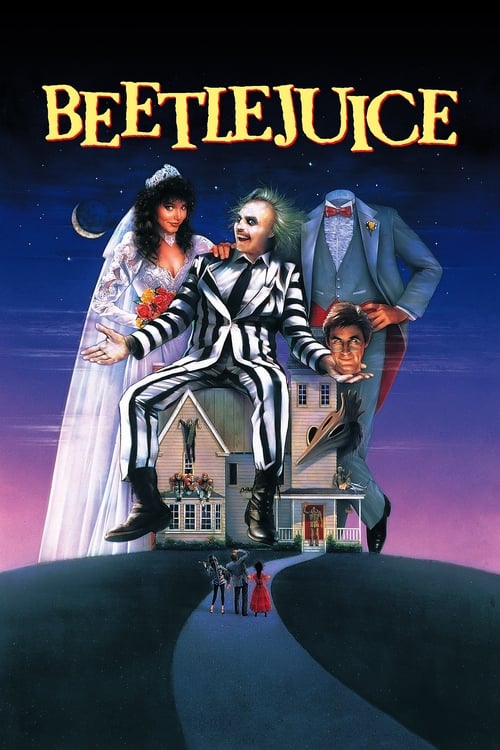
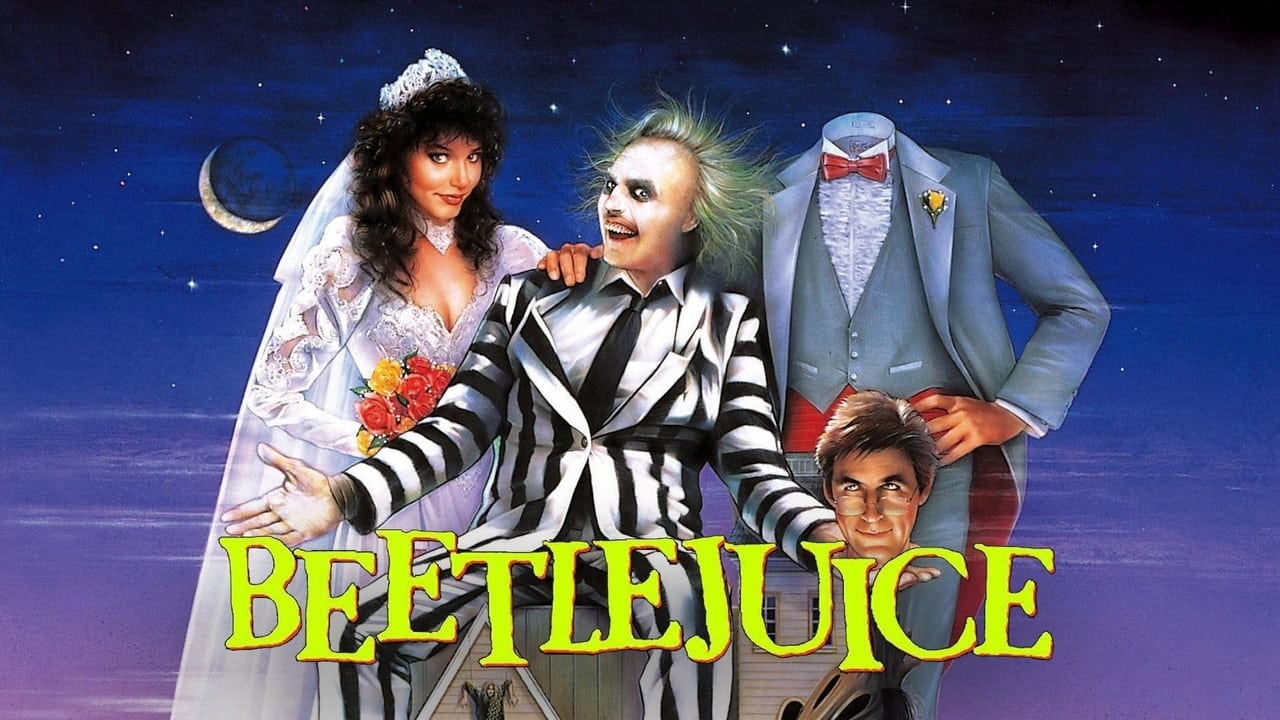
If you grew up in the VHS era, the Beetlejuice tape box was a permanent fixture on the "Comedy/Horror" shelves of every local rental store. The cover art, featuring Michael Keaton’s decaying face and those wild, staring eyes, promised a movie that was way scarier than it actually was. That was the bait-and-switch of the 80s: kid-friendly marketing for a film that features a brothel for ghosts and a guy with a shrunken head.
Interestingly, the original script by Michael McDowell was a much darker, traditional horror film where Betelgeuse was a winged demon who intended to do much worse things to Winona Ryder’s Lydia than just marry her. Thankfully, Warren Skaaren came in for rewrites and leaned into the absurdity. This pivot is what gave us the cult classic we have today—a film that spawned an animated series, a Broadway musical, and a sequel decades later.
The chemistry between the cast is lightning in a bottle. Winona Ryder, in her breakout role, nails the "strange and unusual" goth teen archetype without ever becoming a caricature. She provides the emotional groundedness that allows the rest of the cast to fly off into the stratosphere. And let’s not forget the score by Danny Elfman, which sounds like a carnival being run by skeletons. It’s bouncy, macabre, and instantly recognizable.
Beetlejuice is a reminder of what happens when a studio gives a weirdo a decent budget and stays out of the way. It’s a film that celebrates the outcasts, the dead, and the people who think lime green neon is a neutral color. Whether you’re watching it for the nostalgia of the practical effects or discovering the "Ghost with the Most" for the first time, it remains a vibrant, hilarious, and wonderfully tacky experience. Just watch out for the shrimp cocktail.
Keep Exploring...
-
Beetlejuice Beetlejuice
2024
-
Big Trouble in Little China
1986
-
The Princess Bride
1987
-
Batman
1989
-
Gremlins
1984
-
Ladyhawke
1985
-
The Purple Rose of Cairo
1985
-
Big
1988
-
Scrooged
1988
-

All Dogs Go to Heaven
1989
-
Frankenweenie
2012
-
Evil Dead II
1987
-
The Adventures of Baron Munchausen
1988
-
Who Framed Roger Rabbit
1988
-
Charlie and the Chocolate Factory
2005
-
The Goonies
1985
-
Beverly Hills Cop II
1987
-
The Lost Boys
1987
-

Bill & Ted's Excellent Adventure
1989
-

Bedknobs and Broomsticks
1971