Big
"The toys are better, but the stakes are higher."
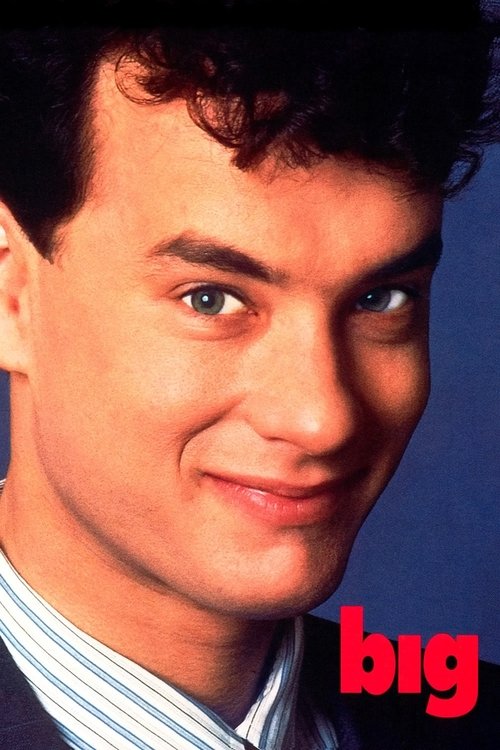
The 1980s were obsessed with the "body swap" or "age jump" trope—we had Vice Versa, 18 Again!, and Like Father Like Son all cluttering up the multiplexes within a two-year span. But while those films often felt like extended sitcom episodes, Penny Marshall (who had just come off the sleeper hit Jumpin' Jack Flash) found something significantly more soulful in the neon-lit, toy-filled world of Big. It’s a film that manages to be a hilarious fish-out-of-water comedy while secretly harboring a bittersweet core about the inevitable expiration date of childhood.
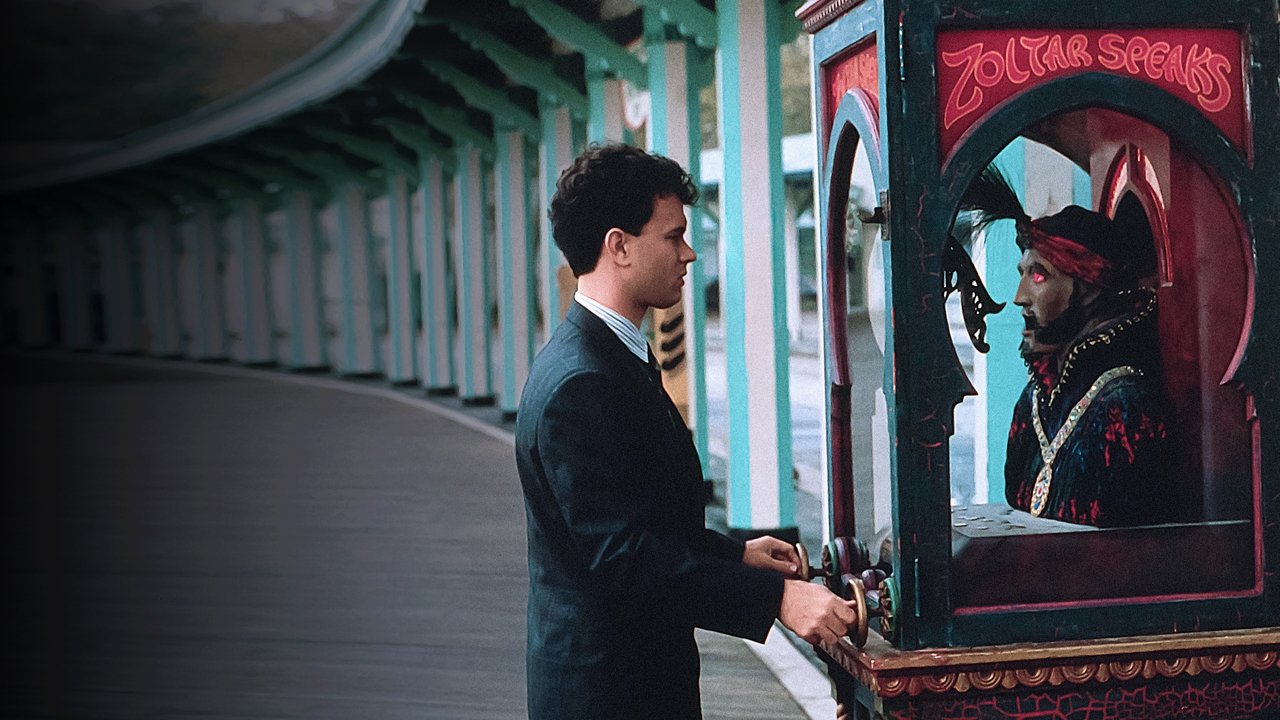
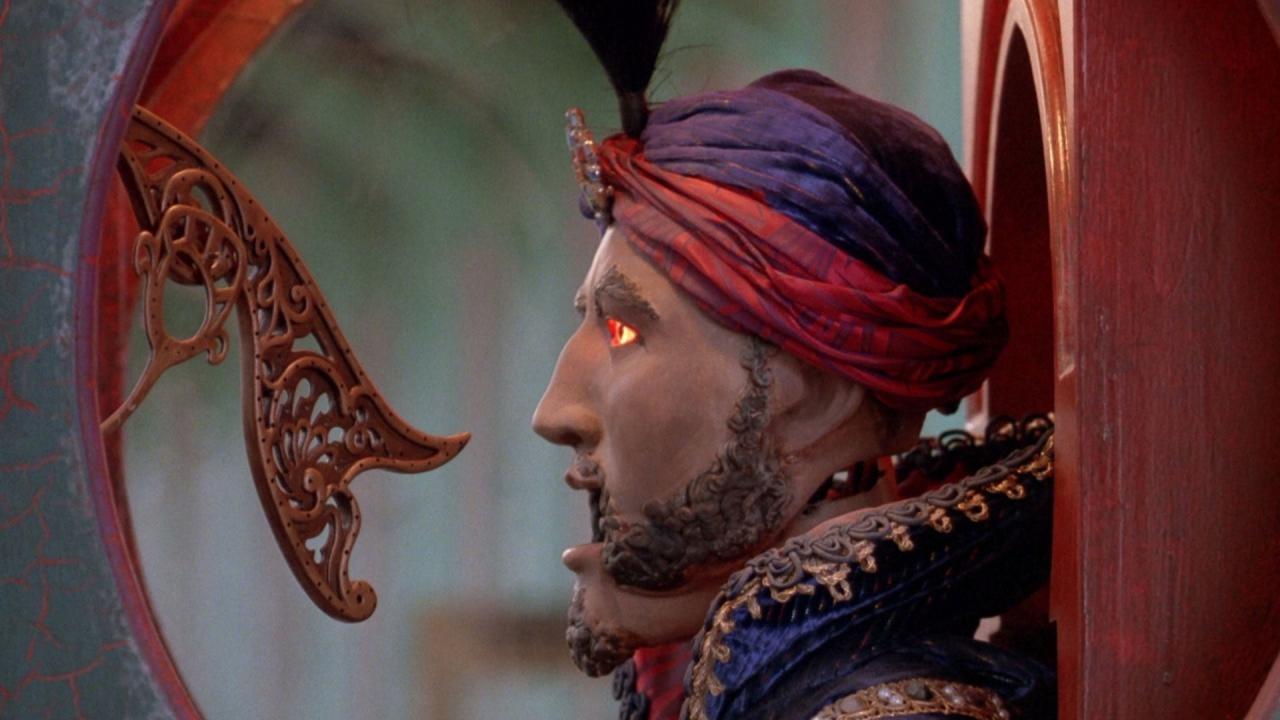
I recently rewatched this while eating a bowl of cereal that had way too much sugar in it—the kind my mom never let me buy in 1988—and I realized that the magic of Big isn't the Zoltar machine. It’s the way the movie respects the logic of a twelve-year-old. When David Moscow (playing the young Josh Baskin) gets rejected by a girl because he’s too short for a carnival ride, his desire to be "big" isn't about sexual prowess or professional power; it’s about the basic dignity of being allowed to stand in line.
The Boy in the Man-Suit
The entire enterprise rests on the shoulders of Tom Hanks, and it’s arguably the most important performance of his career. Before this, he was the high-energy "funny guy" from Bosom Buddies or Splash. Here, he pulls off a feat of physical acting that belongs in a textbook. Watch the way he walks in those oversized suits—he doesn't just act like a kid; he inhabits the uncoordinated, slightly bouncy gait of a boy whose limbs are growing faster than his brain can track them.
When Tom Hanks lands a job at MacMillan Toys, he isn't playing a genius; he’s just the only person in the room who remembers that toys are supposed to be fun. His chemistry with Robert Loggia (who brings a wonderful, weary warmth to the toy mogul Mr. MacMillan) is the film's heartbeat. Their duet on the giant walking piano at FAO Schwarz remains one of the most iconic moments in 80s cinema, mostly because it was actually them doing it. No stunt doubles, no clever editing—just two actors sweating through several takes on a practical prop that cost a fortune to build but paid for itself in pure cinematic joy.
The Corporate Playground
The "drama" of the film kicks in when Elizabeth Perkins enters as Susan, a high-climbing executive who mistake's Josh’s innocence for "edgy" corporate disruption. Elizabeth Perkins is fantastic here, providing the necessary adult contrast to Josh’s whimsy. She starts as a cynical climber and ends up being the character I felt for the most during this rewatch. To her, Josh is the perfect man—honest, enthusiastic, and unburdened by ego. The tragedy, of course, is that she’s falling for a child.
John Heard plays the quintessential 80s corporate villain, Paul. He’s all shoulder pads and sneers, the exact kind of guy we were trained to hate in the Reagan era. My personal hot take? Paul was actually a decent executive who was rightfully confused why a guy who didn't know how a basic marketing budget worked was getting promoted over him. But in the world of Big, cynicism is the only cardinal sin, and Paul is drowning in it.
The VHS Magic and Practical Textures
I still have a vivid memory of the VHS box for Big—the iconic image of Tom Hanks in that tuxedo with his sneakers showing. This was a "staple rental" because it worked for every demographic. My parents laughed at the office politics, and I was busy taking notes on how to turn a New York City loft into a playground. Josh Baskin’s adult apartment is still the greatest piece of real estate in cinematic history, and I refuse to hear otherwise.
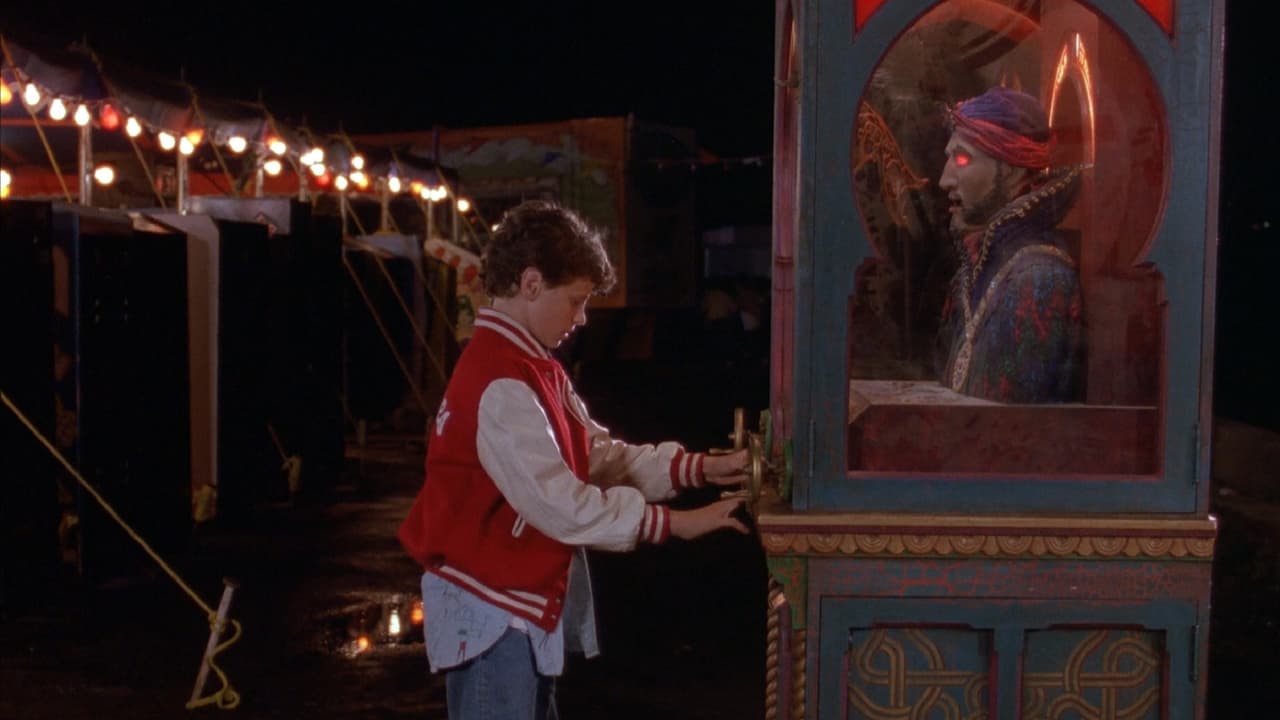
Produced by James L. Brooks (who brought that Terms of Endearment sensibility to the script), the film has a texture that CGI-heavy modern comedies lack. The carnival at night looks misty and dangerous; the toy testing room looks like a place you’d actually want to spend ten hours a day. The screenplay, co-written by Anne Spielberg (yes, Steven’s sister) and Gary Ross, avoids the "gross-out" humor that would plague later versions of this story. Instead, it focuses on the mounting anxiety Josh feels as he realizes that "being big" means losing the very things—like his friendship with Billy (Jared Rushton)—that made him want to grow up in the first place.
Interestingly, the film was a massive gamble. It had an $18 million budget—not cheap for a comedy in ’88—but it grossed over $150 million, making Penny Marshall the first female director to helm a movie that cleared the $100 million mark. It also almost looked very different; Robert De Niro was originally attached to play Josh Baskin, which would have resulted in a much darker, much more "New York" version of the story. I’m glad we got the Tom Hanks version.
Big is a rare specimen: a high-concept blockbuster that hasn't lost an ounce of its emotional weight. It captures that specific 1980s transition point where the gritty New York of the 70s was being painted over with corporate gloss and neon toys. While the ending always leaves me a little melancholy—spare a thought for Susan, who essentially loses the love of her life to a middle school bus—it’s the right ending. It’s a film that reminds us that while you can't go back to the carnival, you can at least keep a little bit of that Zoltar magic in your pocket.
---

Keep Exploring...
-
A League of Their Own
1992
-

Scrooged
1988
-

All Dogs Go to Heaven
1989
-

Gremlins
1984
-

Who Framed Roger Rabbit
1988
-

The Graduate
1967
-

Risky Business
1983
-
Splash
1984
-
Ladyhawke
1985
-
The Purple Rose of Cairo
1985
-

An American Tail
1986
-
Big Trouble in Little China
1986
-

The Lost Boys
1987
-
The Princess Bride
1987
-
Beetlejuice
1988
-
Honey, I Shrunk the Kids
1989
-
Say Anything...
1989
-
The Santa Clause
1994
-

Babe
1995
-
Ghostbusters
1984