Bloodsport
"Total victory. Total agony. No surrender."
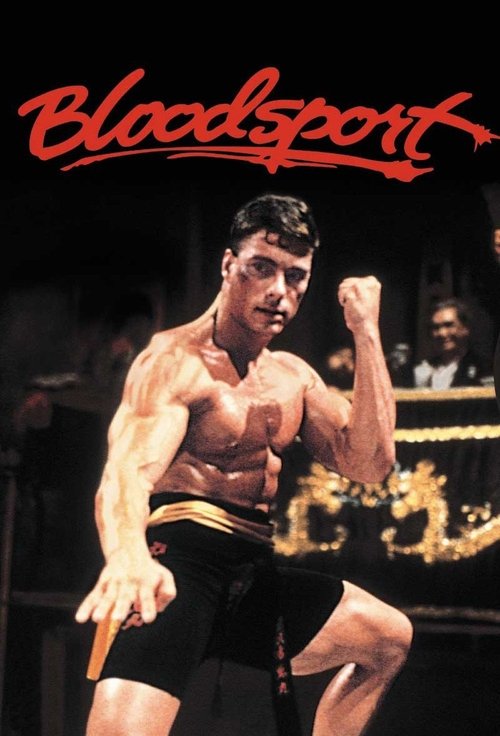
There is a specific sound—a hollow, wet thud followed by a sharp crack—that defined my childhood afternoons. It’s the sound of a heel meeting a ribcage in a Hong Kong alleyway. I first encountered Bloodsport on a sun-faded VHS tape I found at the back of a "Mom and Pop" video store, right next to the dusty copies of Missing in Action. The cover featured a young man with a physique carved from marble, mid-air, defying gravity and anatomy simultaneously. That man was Jean-Claude Van Damme, and while the world didn't know him yet, by the time the credits rolled on this 92-minute gauntlet of sweat and sinew, he was the only action star that mattered.

I rewatched this last night while eating a bowl of slightly burnt popcorn and wearing a pair of socks with a hole in the big toe, and honestly, the draft on my foot only added to the grit. Bloodsport isn’t just a martial arts movie; it’s the purest distillation of the 1980s "tough guy" aesthetic, served with a side of questionable biographical claims and the best synth-pop training montage ever committed to celluloid.
The Meat Grinder of the Kumite
The premise is stripped to the bone: Frank Dux (Jean-Claude Van Damme), an American Army Major, goes AWOL to compete in the Kumite, an illegal, secret, and exceptionally violent martial arts tournament in Hong Kong. He’s pursued by two military investigators—one of whom is played by a very young Forest Whitaker (long before his Oscar for The Last King of Scotland)—who seem mostly there to look concerned and provide a B-plot that never threatens to overshadow the kicking.
What makes Bloodsport work isn't the plot; it’s the sense of escalating dread. Most tournament movies feel like sporting events, but Newt Arnold directs the Kumite like a slaughterhouse. This is where the "Dark/Intense" tone of the film shines. People don't just lose here; they get carried out on stretchers. The arena is a pit of shadows and flickering lights, and the stakes feel bone-deep. When Dux’s friend, the hulking Ray Jackson (played with infectious, beer-swilling energy by Donald Gibb, whom you might recognize as Ogre from Revenge of the Nerds), steps into the ring against the champion, the atmosphere shifts from spectacle to tragedy.
The Shadow of Chong Li
Every great action hero needs a mountain to climb, and in Bloodsport, that mountain is made of pure malice and traps. Bolo Yeung, playing the antagonist Chong Li, is a revelation of silent intimidation. Yeung, who famously traded blows with Bruce Lee in Enter the Dragon, doesn't need many lines. He communicates through the rhythmic flexing of his pectorals and a gaze that suggests he’s deciding which of your limbs to snap first.
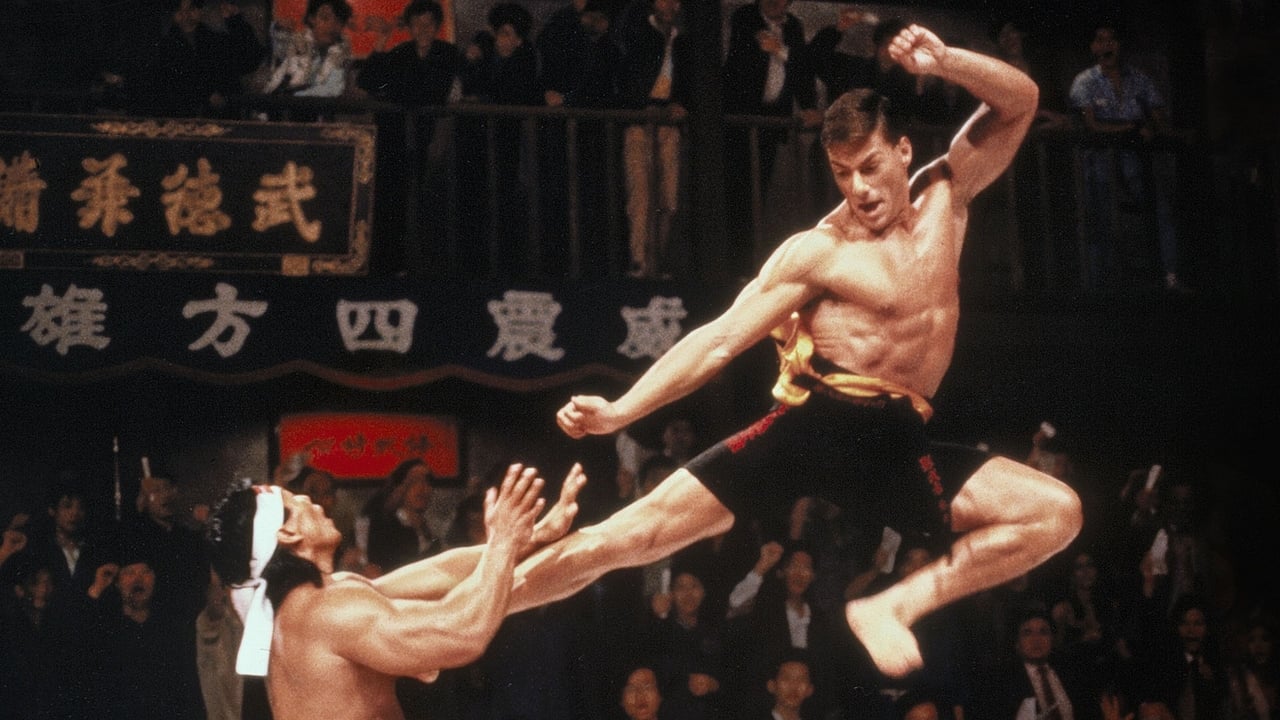
The fight choreography, handled partially by Dux himself, favors long takes and physical reality over the rapid-fire "shaky cam" of modern cinema. You see the impact. You see the sweat flying off the brows. When Jean-Claude Van Damme performs his signature 360-degree jump spin-kick, it isn’t a wire-work trick; it’s a genuine feat of athleticism. The greatest acting Jean-Claude ever did was convincing us Frank Dux's life story wasn't total fiction, but his physical performance here is undeniable. He moves with a grace that was entirely new to American audiences in 1988, blending balletic flexibility with the raw power of a kickboxer.
The Sound of Survival
We have to talk about the score. Paul Hertzog’s soundtrack is a masterclass in 80s synth-atmosphere. "Fight to Survive" is the kind of track that makes you feel like you could punch through a brick wall, while the more somber, atmospheric pieces during the night scenes in Hong Kong capture the isolation of being a foreigner in a dangerous world. It’s the sonic equivalent of a neon-lit rainy street.
Interestingly, the film was nearly a disaster. The first cut was so poorly received that it almost went straight to the bargain bin. It was Jean-Claude Van Damme himself, working with editor Carl Kress (the man who helped edit The Towering Inferno), who spent months re-cutting the film to emphasize the rhythm of the fights. They saved the movie in the editing room, turning a potential flop into a global phenomenon that turned a $1.5 million budget into over $60 million. It’s the ultimate underdog story, both on and off the screen.
Stuff You Might Have Missed
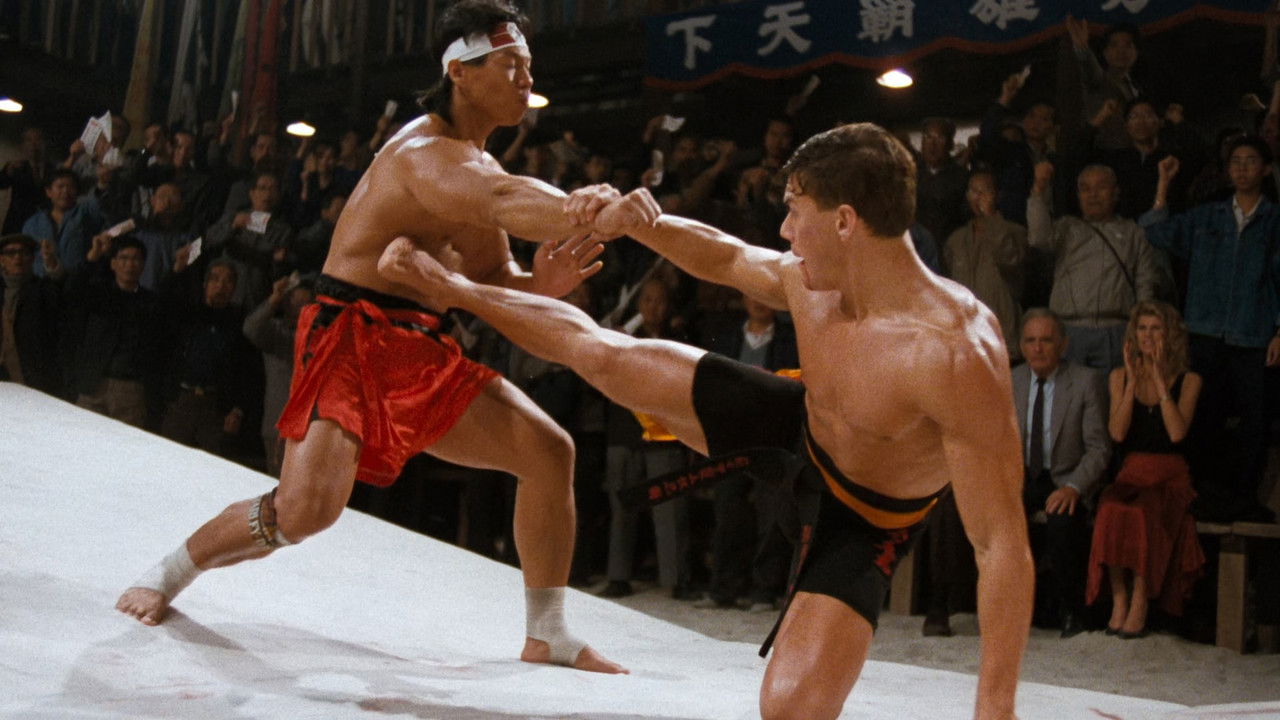
The "true story" aspect of the film is a rabbit hole of controversy. The real Frank Dux claimed to have won the Kumite, though investigative journalists have spent decades debunking almost every claim he ever made about his military and martial arts record. But in the world of Cannon Films, the legend is always better than the truth.
Watch closely during the final fight sequence; the "blood" Chong Li uses to blind Dux was actually a mix of quicklime and salt, which caused real irritation to Van Damme’s eyes during filming. That look of panicked agony on his face? It wasn't just acting. This era of filmmaking was less about safety protocols and more about "getting the shot," and that grit is baked into every frame.
Bloodsport remains the gold standard for the tournament sub-genre because it understands that action is about emotion as much as movement. It’s a film that thrives on the texture of the 1980s—the high-waisted pants, the mullet-adjacent hair, and the unwavering belief that a split and a scream can solve any problem. It’s brutal, earnest, and relentlessly entertaining. Even if the "American Ninja" story is a tall tale, the impact of those kicks is very, very real. It’s a relic of a time when we didn't need CGI to believe a man could fly; we just needed a guy from Belgium who was willing to do the splits on two chairs.
Keep Exploring...
-

Kickboxer
1989
-

Double Impact
1991
-
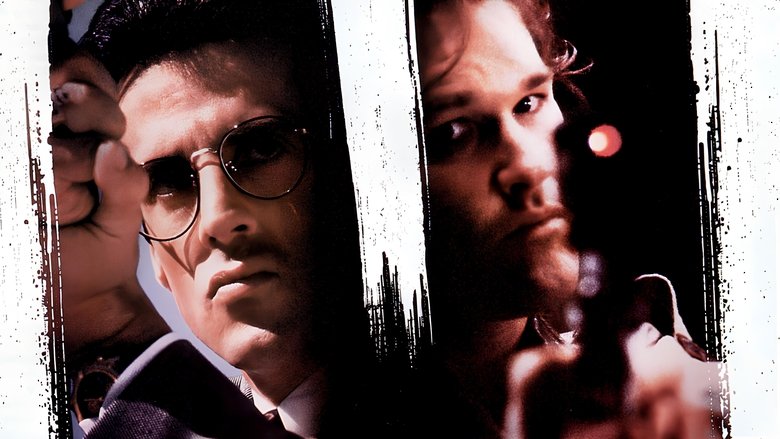
Tango & Cash
1989
-
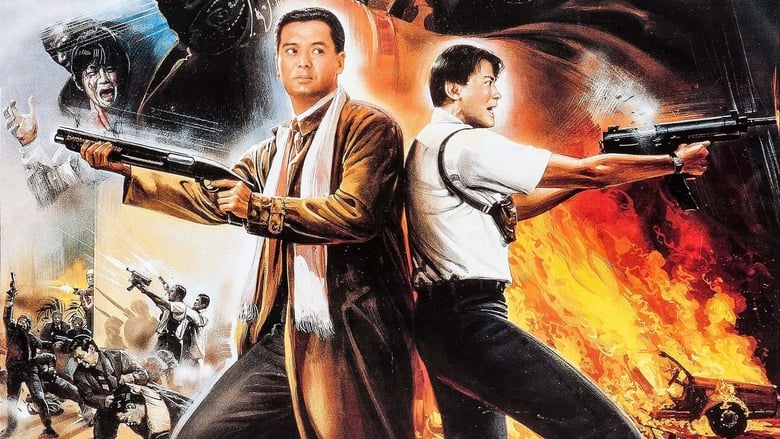
The Killer
1989
-
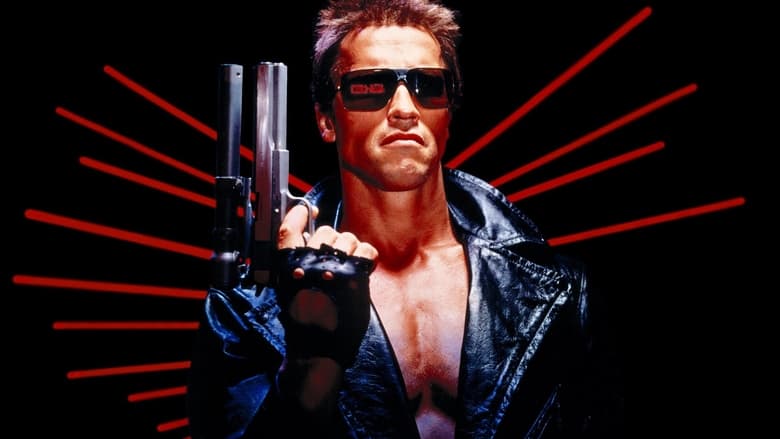
The Terminator
1984
-

Predator
1987
-
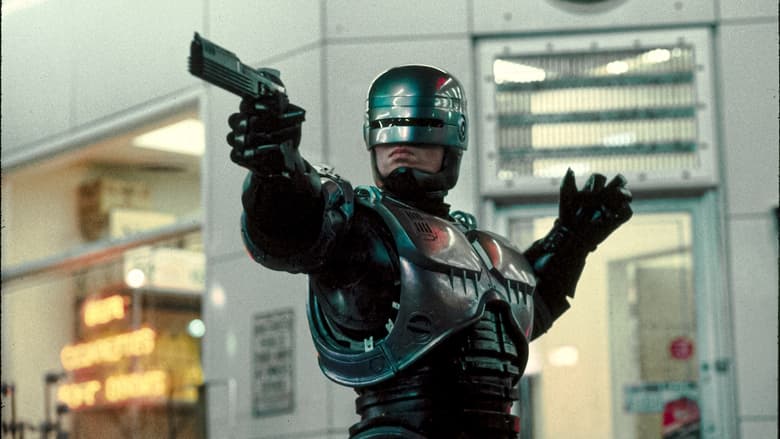
RoboCop
1987
-
Fist of Fury
1972
-

The Towering Inferno
1974
-
Marathon Man
1976
-
Duel
1971
-
The French Connection
1971
-
The Warriors
1979
-
The Name of the Rose
1986
-

Platoon
1986
-
Escape from Alcatraz
1979
-

Star Trek II: The Wrath of Khan
1982
-
After Hours
1985
-
Blood Simple
1985
-

They Live
1988