Child's Play
"He wants you for a best friend... forever."
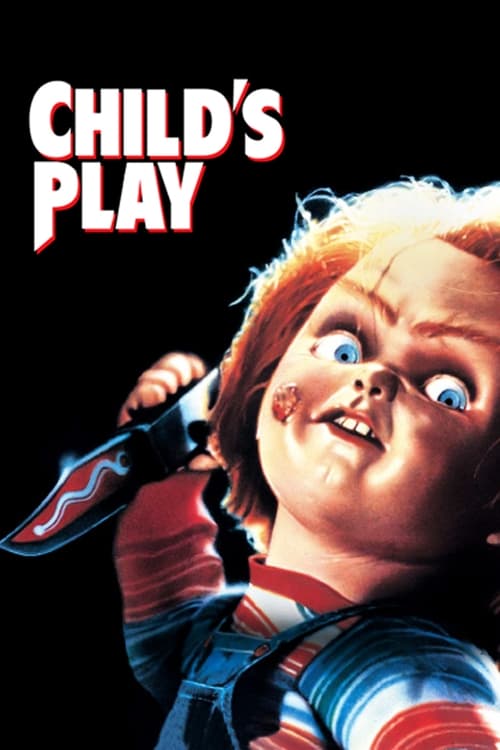
The 1980s were defined by a peculiar brand of plastic-wrapped consumerism, a time when parents literally fought each other in department store aisles over Cabbage Patch Kids and Teddy Ruxpin. It was the perfect cultural moment for a film to suggest that the things we buy to comfort our children might actually want to murder us. While the slasher genre was beginning to wheeze under the weight of endless Friday the 13th sequels, Tom Holland (who had already proven his genre chops with Fright Night) delivered something that felt dangerously suburban and terrifyingly tactile.
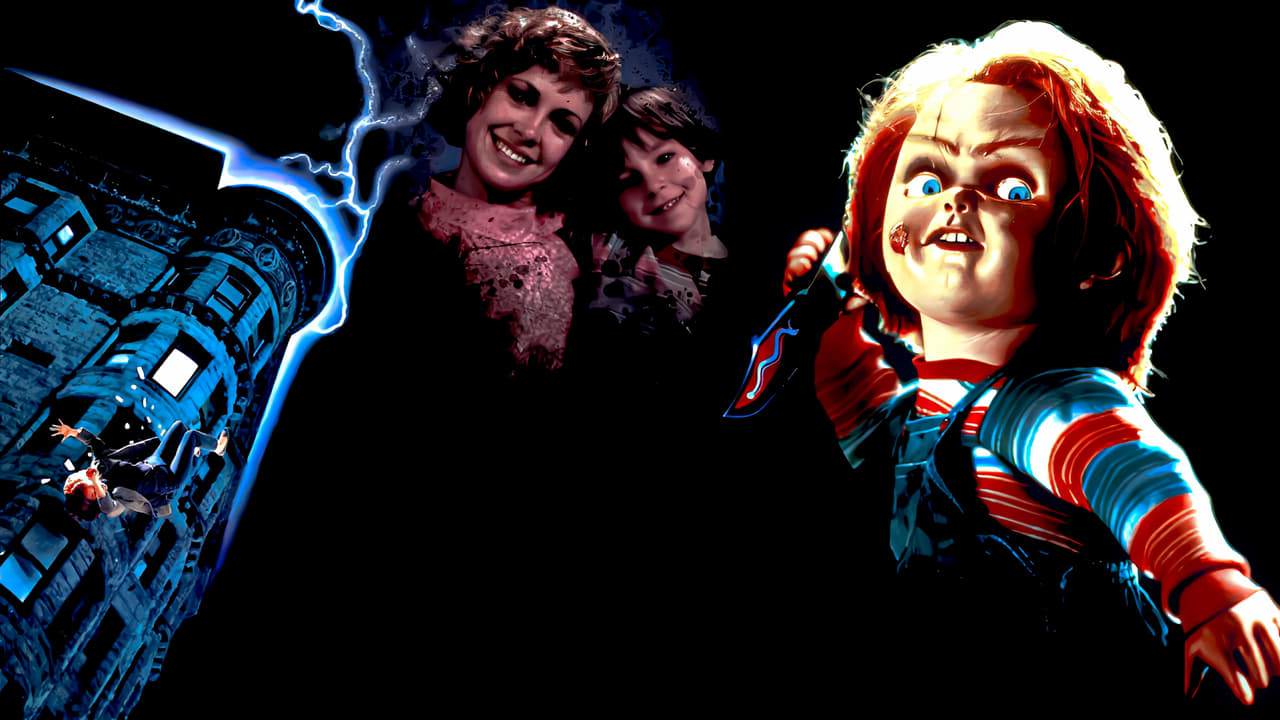
I watched this most recent viewing on a Tuesday afternoon while wearing a pair of incredibly itchy wool socks, and the physical agitation of the fabric weirdly complemented the mounting anxiety of seeing a three-foot-tall toy sprint across a hallway. There is a specific kind of dread that Child's Play taps into—the realization that the "safe" space of a child’s bedroom has been compromised.
The Soul in the Machine
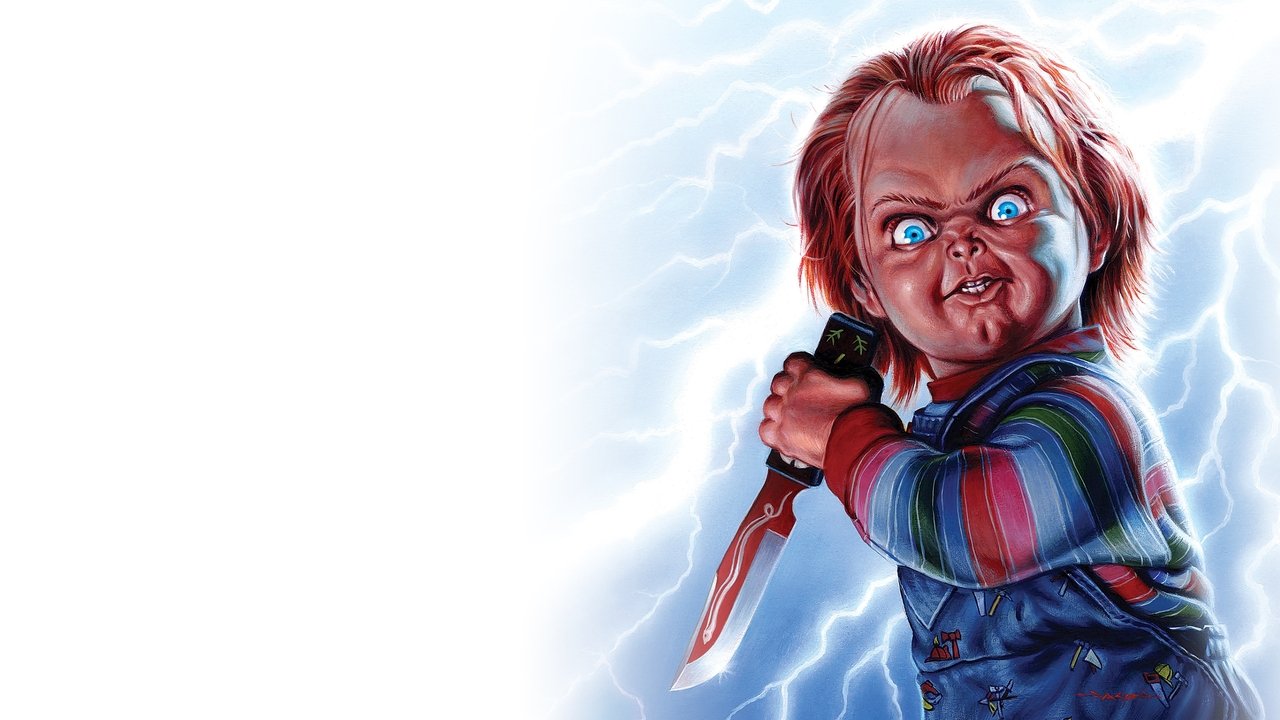
The brilliance of the film’s setup lies in its gritty, noir-inflected opening. We aren't introduced to a supernatural demon, but to Charles Lee Ray (Brad Dourif), a South Side serial killer who uses a Voodoo incantation to transfer his soul into a "Good Guy" doll while bleeding out in a toy store. By the time the doll ends up in the hands of young Andy Barclay (Alex Vincent), the movie has already established a grim, urban atmosphere that keeps the more ridiculous elements grounded.
Brad Dourif is the secret sauce here. Even though he’s mostly heard and not seen, his rasping, foul-mouthed delivery turned Chucky into an instant icon. Most slashers of the era were silent, hulking masses like Michael Myers or Jason Voorhees. Chucky, by contrast, had a personality—he was petty, arrogant, and clearly loved his work. The scene where Catherine Hicks (playing Andy’s mother, Karen) realizes the doll has been functioning without batteries remains one of the most effective "realization" beats in horror history. Her transition from exhausted single mom to terrified protector is the emotional anchor that keeps the movie from drifting into B-movie camp.
A Masterclass in Animatronic Terror
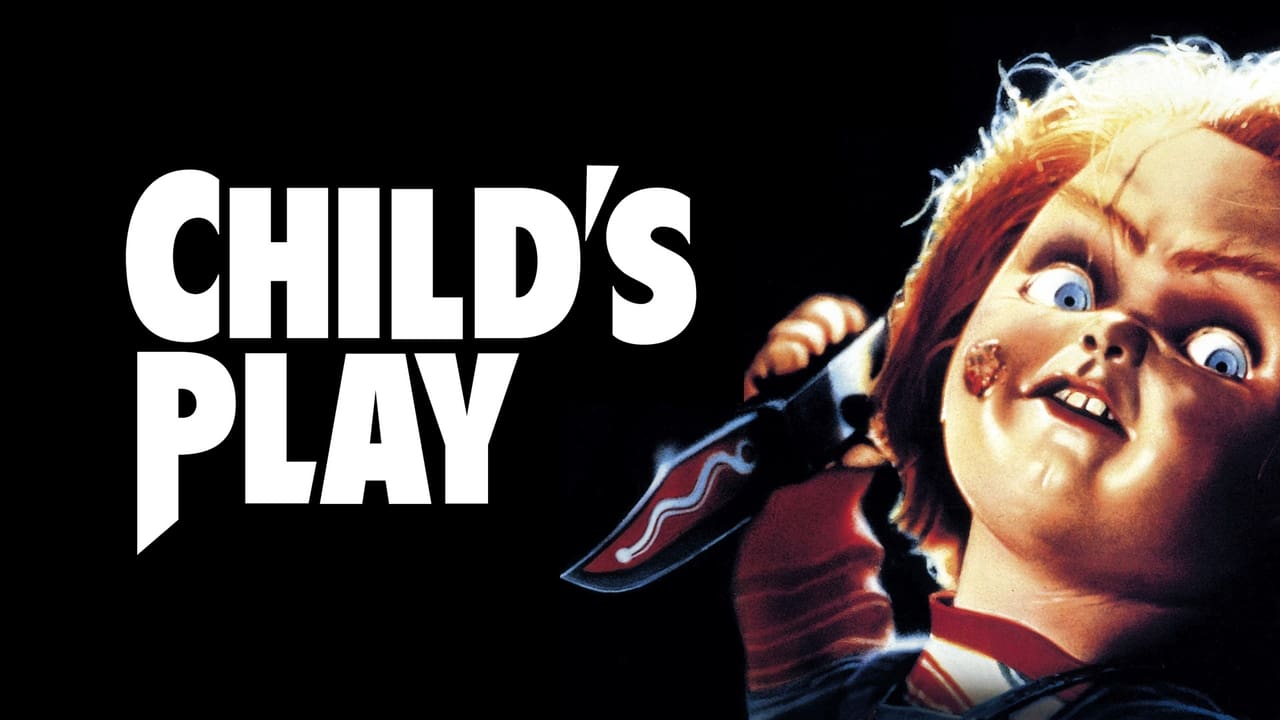
We often talk about the "Golden Age" of practical effects, but Child's Play is a definitive argument for why we miss them. Kevin Yagher, the legendary makeup effects wizard who also refined the look of Freddy Krueger, achieved something miraculous with the Chucky doll. In an era before CGI could smooth over the rough edges, the production used a combination of little people in suits, complex animatronics, and hidden puppeteers.
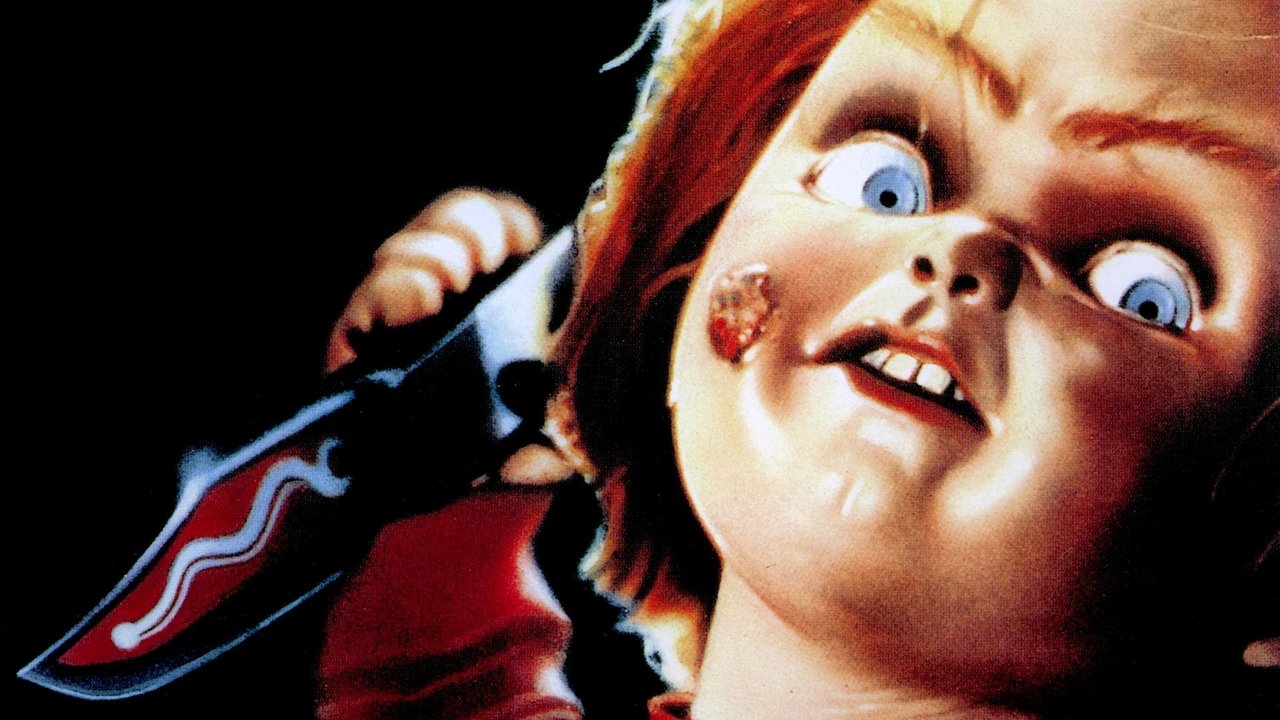
The way Chucky’s face subtly shifts throughout the film—moving from the smooth, vacant expression of a retail product to the furrowed, human-like brow of a killer—is deeply unsettling. There’s a weight to the doll that digital effects simply can't replicate. When Chucky bites Catherine Hicks, or when he’s being tossed around a room, you see the physics of a physical object. It’s a testament to the crew's ingenuity that they managed to make a plastic toy look like it possessed actual muscle tension. Apparently, the animatronics were so complex that it took up to eleven people to operate Chucky’s various facial movements and limbs for a single shot. That level of dedication creates a palpable sense of malice that a computer render just can't touch.
From Video Store Shelves to Cult Status
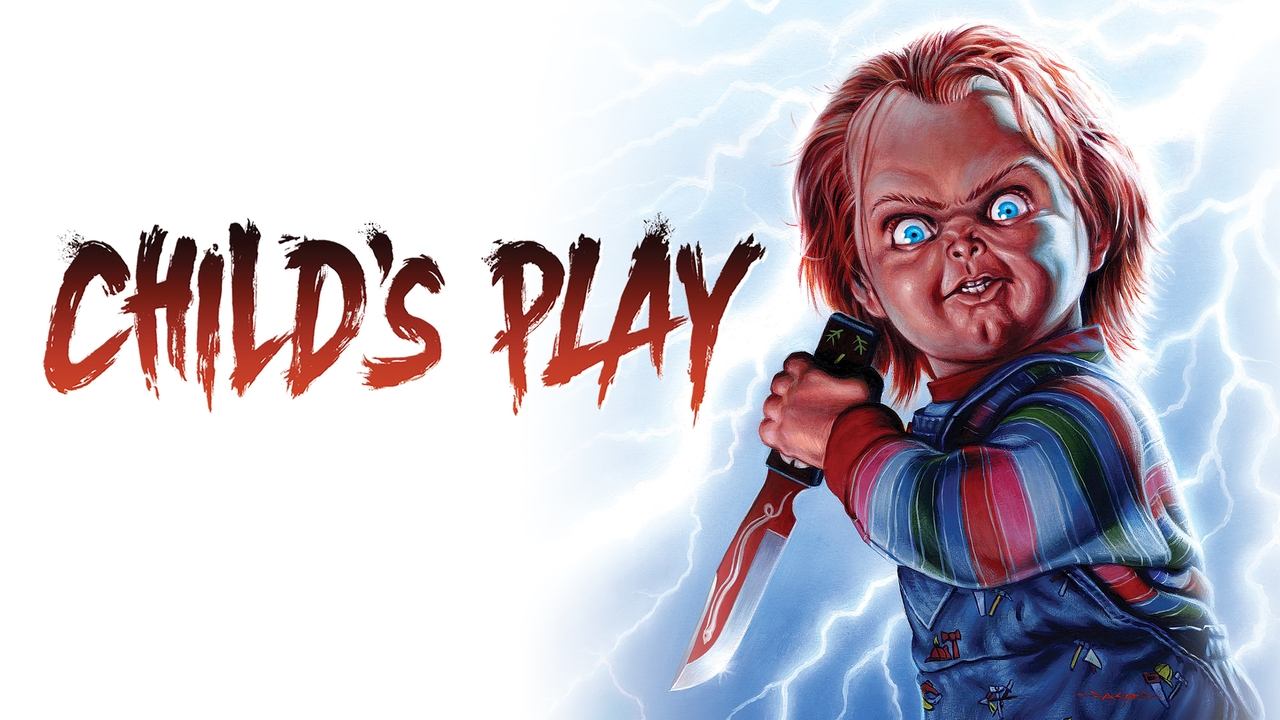
While Child's Play did respectable business at the box office, its true home was the local video rental shop. I recall the iconic VHS box art—Chucky’s menacing face peering out from the shadows—being a permanent fixture of the "Horror" section, often placed just high enough to be out of reach of children but perfectly at eye level to haunt their dreams. The film benefited immensely from the home video revolution; it was the kind of movie that kids would dare each other to watch at sleepovers, turning the "Good Guy" doll into a meta-commentary on the toys sitting in the very same room where the VCR was humming.
The film also works as a fascinating time capsule of 1980s Chicago. The cinematography by Bill Butler (who shot Jaws) gives the city a cold, oppressive feel. This isn't the shiny, John Hughes version of the city; it’s a place of dark alleys, cluttered apartments, and cynical detectives like Mike Norris (Chris Sarandon). The contrast between this "adult" world and Andy’s colorful, toy-filled reality is where the tension lives.
One of the more interesting bits of trivia is that the original script by Don Mancini, titled Blood Buddy, was much more of a psychological "whodunit" where the doll was a manifestation of Andy's repressed anger. Tom Holland shifted it toward a more straightforward supernatural slasher, and while Mancini's original idea is intriguing, the version we got is an absolute blast of pacing and practical pyrotechnics. It’s a lean 87 minutes that doesn’t waste a single second of the reader's—or the viewer's—time.
Child's Play remains a high-water mark for 80s horror because it treats its absurd premise with total sincerity. It doesn't wink at the camera or apologize for being a movie about a killer doll; it just sets out to ruin your relationship with the toy aisle. Whether you’re a fan of the practical effects era or just looking for a tight, effective thriller, Chucky’s debut is a reminder that sometimes the scariest things are the ones we invite into our homes. Just make sure to check the batteries before you go to sleep.
Keep Exploring...
-
Child's Play 2
1990
-

Bride of Chucky
1998
-

Curse of Chucky
2013
-
Cult of Chucky
2017
-
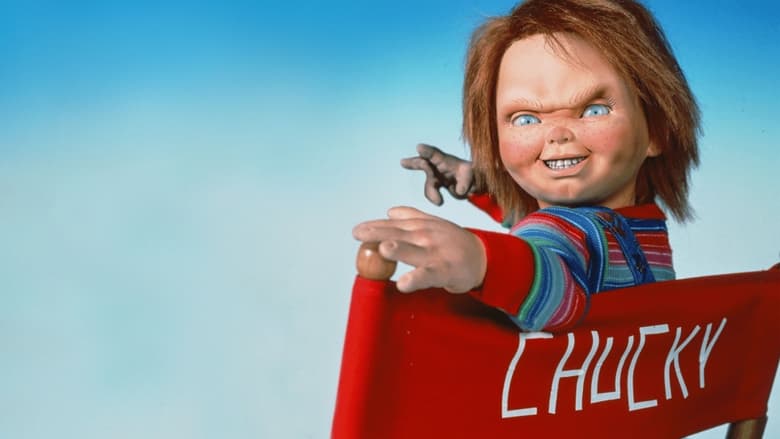
Child's Play 3
1991
-

Fright Night
1985
-

Seed of Chucky
2004
-
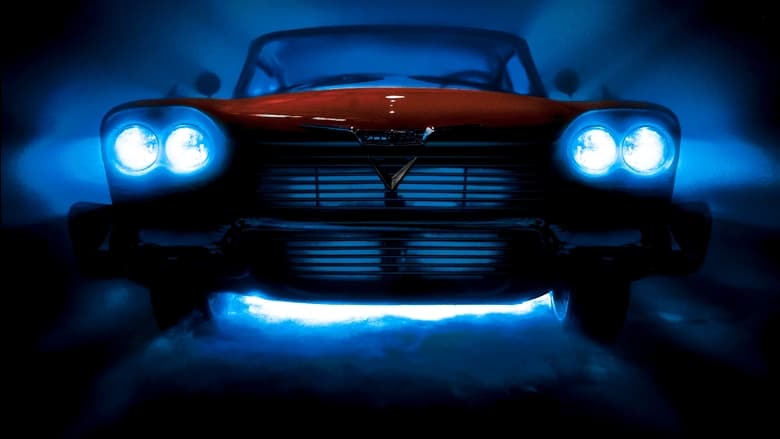
Christine
1983
-
The Fly
1986
-
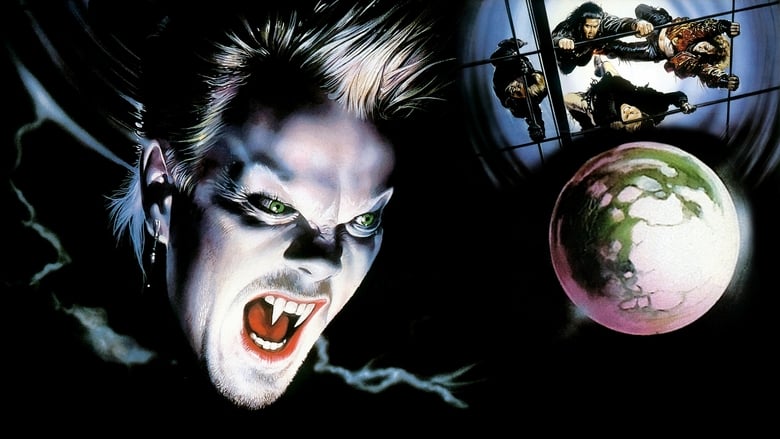
The Lost Boys
1987
-

Halloween 4: The Return of Michael Myers
1988
-
Pet Sematary
1989
-

Videodrome
1983
-

The Return of the Living Dead
1985
-

An American Werewolf in London
1981
-
The Omen
1976
-

Cujo
1983
-
The Dead Zone
1983
-
Dune
1984
-
Gremlins
1984