Cinema Paradiso
"The projectionist is dead. Long live the movies."
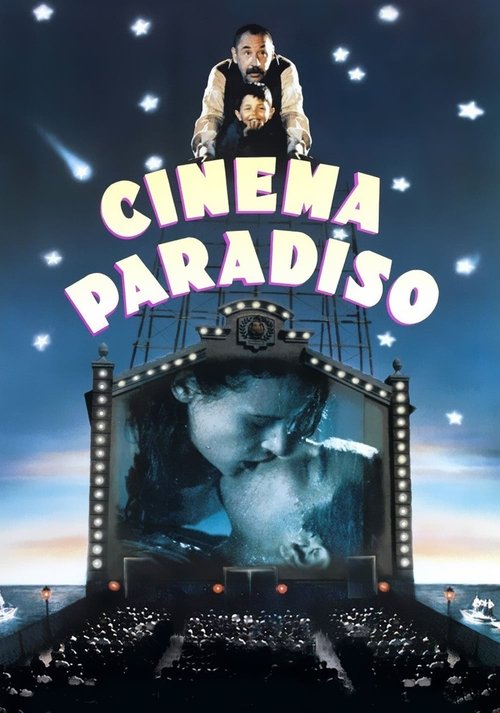
I remember the first time I sat through the final montage of Cinema Paradiso. I was leaning against a radiator that hummed like a dying hornet, nursing a lukewarm soda that had lost its fizz twenty minutes earlier. By the time the screen went black, the soda was forgotten, and I felt like someone had reached into my chest and recalibrated my heart. It’s a film that demands that kind of surrender.
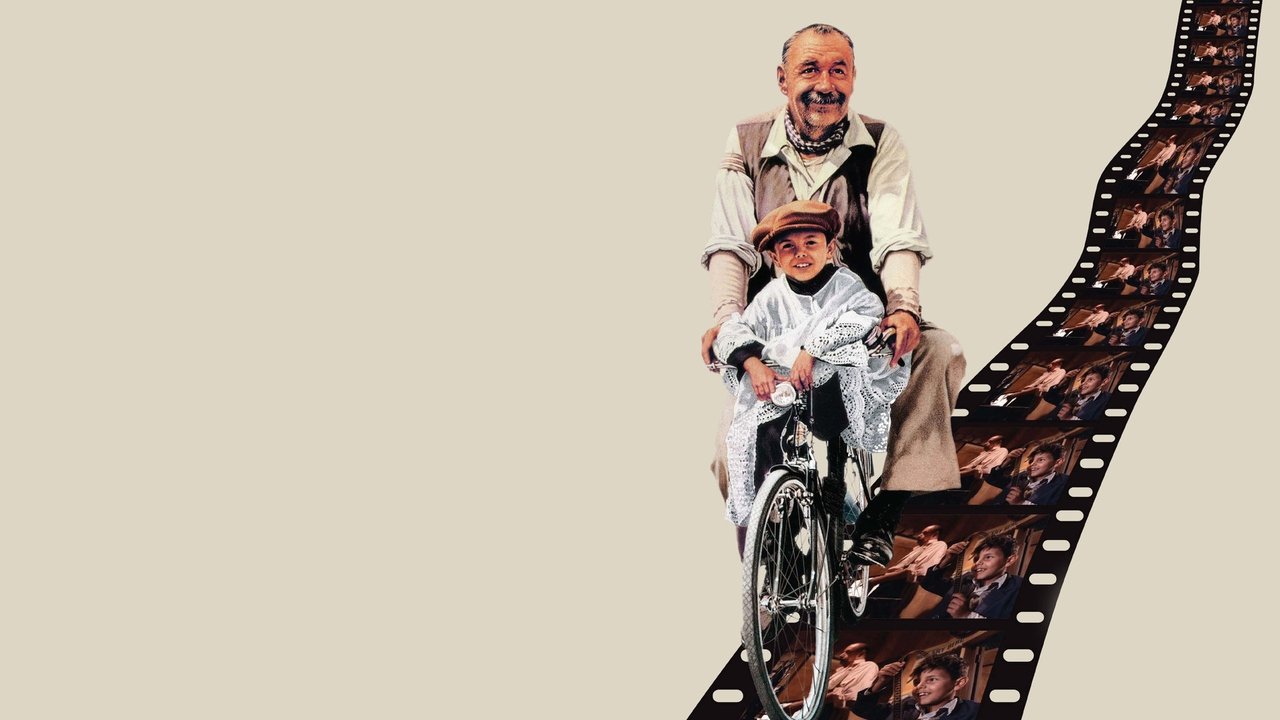
Directed by Giuseppe Tornatore, this 1988 masterpiece arrived at a curious crossroads in cinema history. It was the height of the "prestige" era where international films began to penetrate the American suburban consciousness via the growing ubiquity of the VHS rental. If your local video store had an "International" shelf, this tape—with its sunset hues and the image of a young boy looking up in wonder—was the undisputed king.
The Alchemy of the Projection Booth
The story is ostensibly a flashback triggered by a death. Salvatore, a successful filmmaker in Rome, learns that his old mentor Alfredo is dead. This sends him spiraling back to his childhood in Giancaldo, a dusty Sicilian village where the "Cinema Paradiso" was the literal and metaphorical center of the universe.
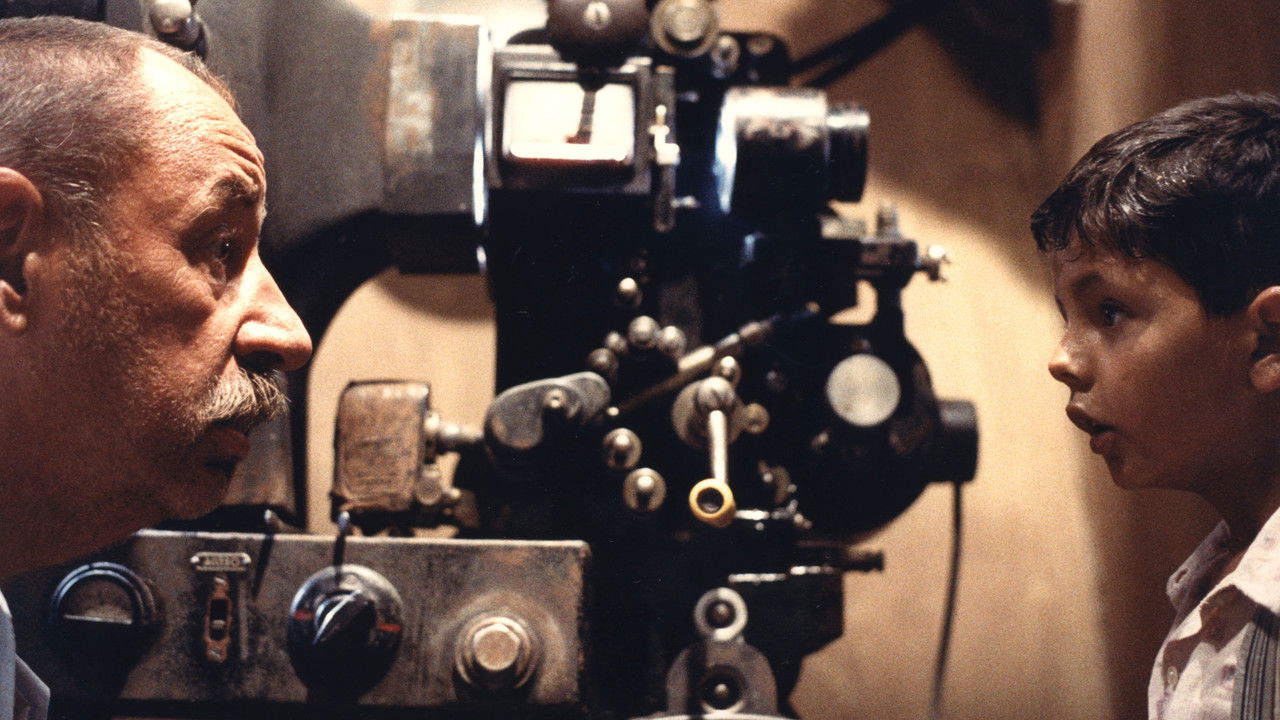
As young Totò, played by the impossibly charismatic Salvatore Cascio, the boy becomes a fixture in the projection booth. This is where the film earns its "practical effects" stripes. Tornatore treats the celluloid itself like a living, breathing, and highly combustible character. We see the hand-cranking, the splicing, and the terrifying volatility of nitrate film. When Alfredo, played with a weary, granite-faced warmth by Philippe Noiret, teaches Totò how to run the machines, it isn’t just a job training; it’s a priestly initiation.
Noiret is the soul of the film. His Alfredo is a man who has spent his life in the dark so that others could see the light, and his performance is a masterclass in saying everything while barely moving a muscle. The chemistry between the grizzled projectionist and the hyperactive boy is the gold standard for cinematic friendships. It avoids the saccharine by grounding their bond in the shared labor of the booth—the sweat, the fumes, and the constant threat of a projector fire.
The Poison and the Remedy of Nostalgia
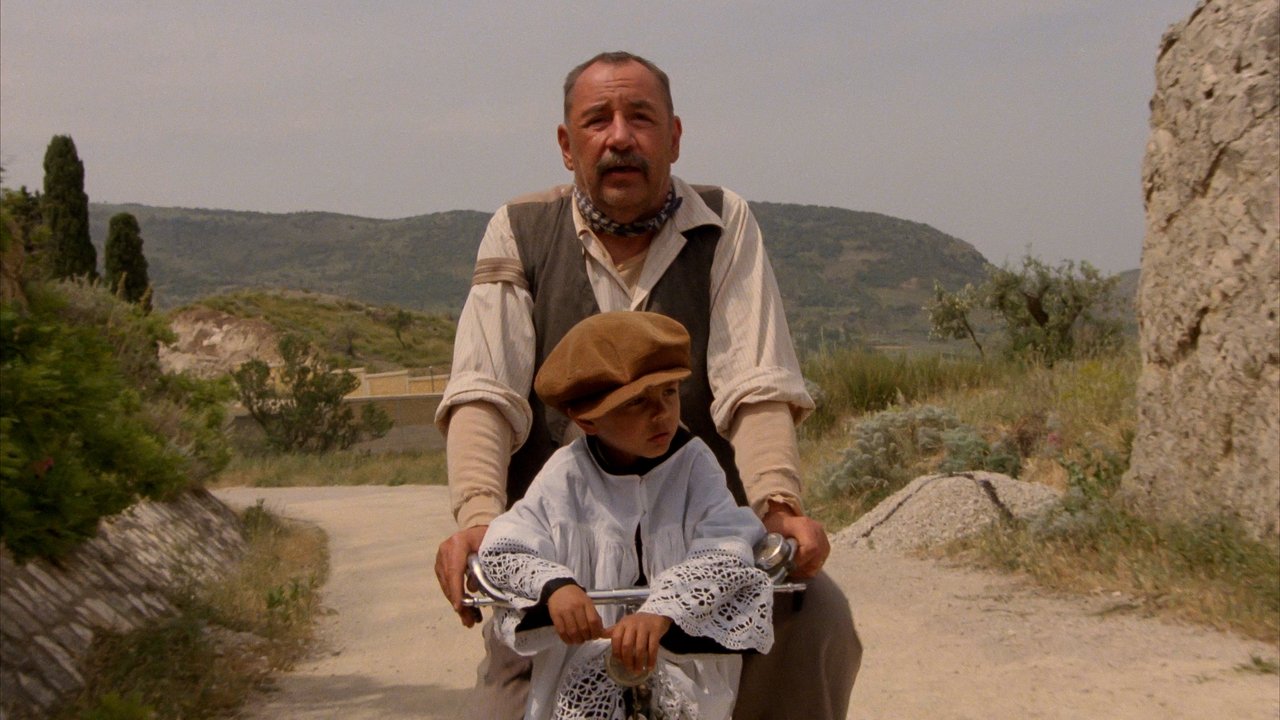
While it’s often categorized as a "love letter to the movies" (a phrase I find increasingly nauseating), Cinema Paradiso is actually a much more complicated meditation on the nature of memory. There is a philosophical weight here that most "nostalgia" films lack. Alfredo eventually tells a teenage Totò (Marco Leonardi) to leave the village and never look back. He tells him that "nostalgia is a poison."
This is the cerebral core of the film: the idea that to truly create and grow, one must kill the past. The theater itself eventually becomes a relic, a casualty of television and changing times. Tornatore doesn’t just celebrate the "good old days"; he acknowledges that those days were often restrictive, censored by the local priest, and physically decaying.
The score by Ennio Morricone (and his son Andrea) is arguably the greatest of his non-Western career. It’s a melody that feels like it has existed since the dawn of time, articulating the yearning and the loss that words cannot touch. If you don't feel a lump in your throat when that main theme swells, you might actually be a sophisticated piece of AI software.
A Triumph of the Miramax Era
It’s worth noting that the version most of us fell in love with was the 124-minute theatrical cut. The film originally flopped in Italy at a much longer runtime. It wasn't until Harvey Weinstein and Miramax got their hands on it, trimming the fat and focusing on the central relationship, that it became a global phenomenon. It went on to sweep the awards circuit, winning the Grand Prix at Cannes and the Oscar for Best Foreign Language Film.
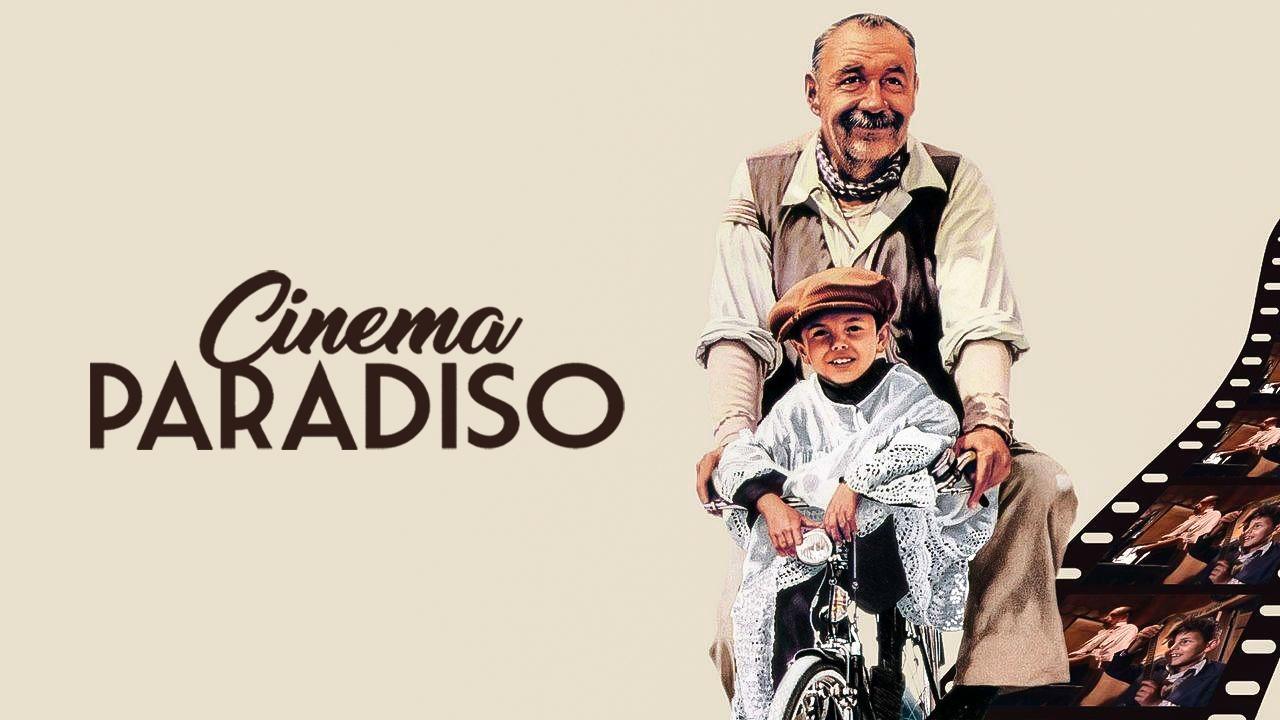
The "Director’s Cut" (which clocks in at nearly three hours) adds a subplot involving Totò’s lost love Elena (Agnese Nano) as an adult. Frankly, the extended version is a bloated mess that ruins the mythic quality of the original ending. The theatrical cut understands that some ghosts are better left un-chased.
The film remains the ultimate artifact of the late 80s "Prestige" boom—a movie that feels expensive in its emotions but intimate in its execution. It reminds us that before we could pause, rewind, and skip chapters on a plastic tape or a digital file, the cinema was a communal ritual. It was a place where the priest rang a bell to censor a kiss, and the audience roared in protest.
Cinema Paradiso is one of those rare films that manages to be both intellectually rigorous and shamelessly emotional. It asks us what we owe to the people who raised us and what we owe to the dreams they planted in us. It’s a story about the transition from the Golden Age of theaters to the era of home viewing, yet it remains timeless. When that final reel plays—the one Alfredo left behind—it isn't just a collection of clips. It’s a reminder that nothing we love is ever truly lost as long as there’s someone left to remember the light.

Keep Exploring...
-
The Best Offer
2013
-
The Legend of 1900
1998
-
Wings of Desire
1987
-
Amadeus
1984
-
Kiki's Delivery Service
1989
-

The Sound of Music
1965
-
Manhattan
1979
-
Once Upon a Time in the West
1968
-
Barry Lyndon
1975
-
The Apartment
1960
-
Breakfast at Tiffany's
1961
-

The Hustler
1961
-
Jules and Jim
1962
-
La Jetée
1962
-
Guess Who's Coming to Dinner
1967
-
Harold and Maude
1971
-
Annie Hall
1977
-
Raging Bull
1980
-
The Elephant Man
1980
-
The Last Emperor
1987