Cocktail
"High spirits, higher stakes, and the ultimate 80s hustle."
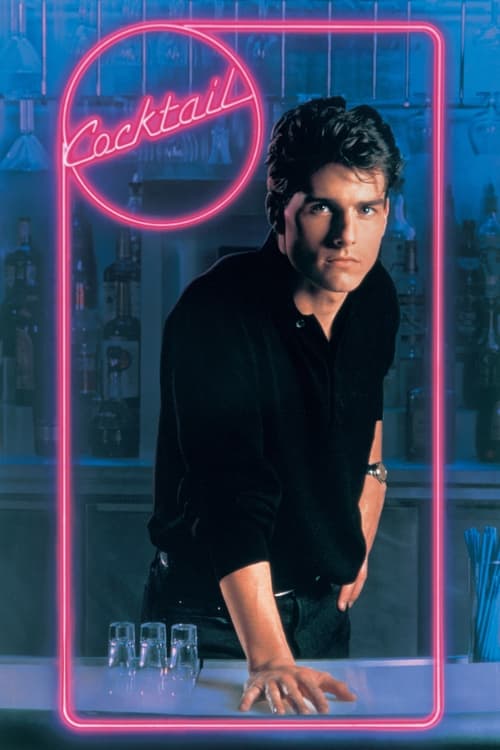
There is a specific kind of cinematic alchemy that could only happen in 1988. It involves a high-concept pitch—usually "it’s Top Gun but with [insert profession]"—a chart-topping soundtrack, and a leading man whose smile was insured for more than the gross domestic product of a small nation. Tom Cruise was the king of this era, and Cocktail is perhaps the most "Tom Cruise" movie ever made. It is a film that treats the act of pouring a mediocre well-drink with the same intensity usually reserved for landing a fighter jet on a carrier deck.
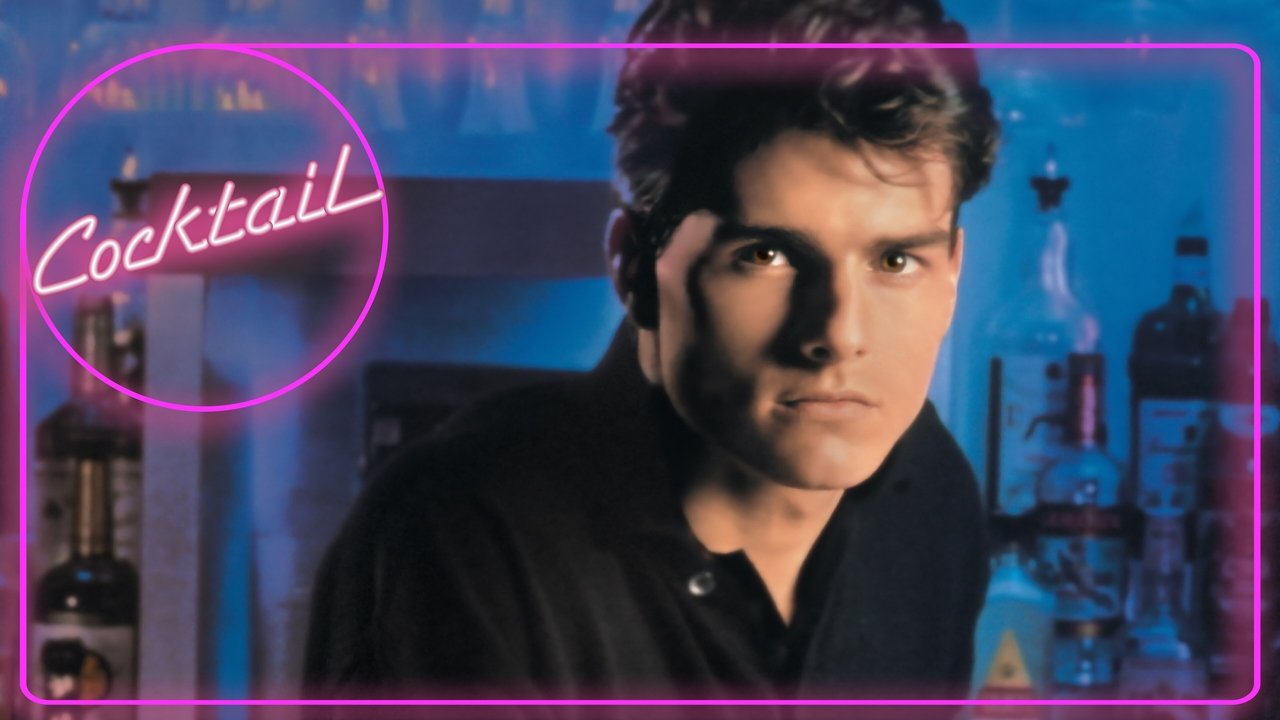
I watched this most recently on a slightly fuzzy VHS tape I found at a garage sale, sitting on a couch that smelled vaguely of damp cedar, while trying to figure out why my toaster only browns one side of the bread. That mundane domesticity felt like the perfect counterpoint to the glossy, sweat-soaked neon of Brian Flanagan’s world.
The Gospel According to Doug Coughlin
The plot is as straightforward as a shot of cheap tequila. Tom Cruise plays Brian Flanagan, a recently discharged Army vet with big dreams and zero credentials. He wants to conquer Wall Street but ends up behind a bar in Queens, under the tutelage of Doug Coughlin, played by a magnificently cynical Bryan Brown. Brown is the secret weapon of this movie; he delivers "Coughlin’s Laws"—a series of jaded barstool philosophies—with a weary charisma that almost makes you believe the film is deeper than it actually is.
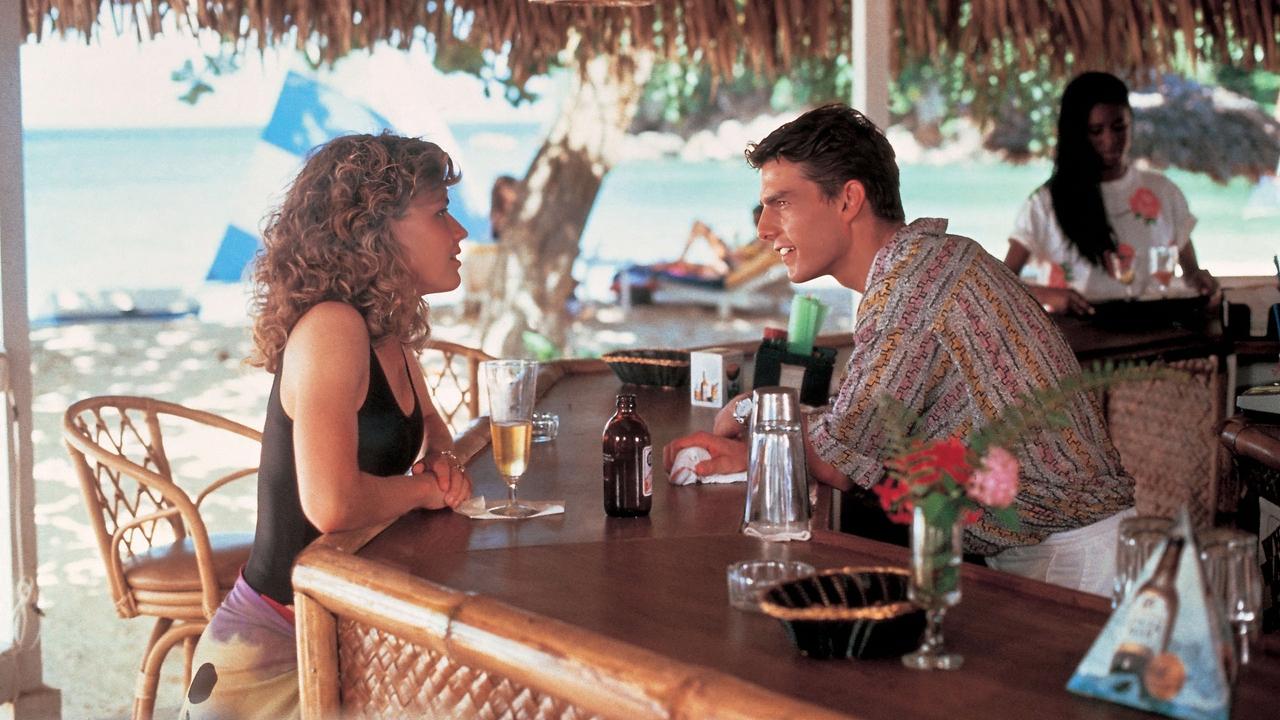
The two of them engage in "flair bartending," a choreographed routine of bottle-flipping and shaker-tossing that is essentially a cologne commercial with a plot. Director Roger Donaldson, who would later give us the much more grounded Thirteen Days, directs these sequences like high-octane action set pieces. In the era of the home video revolution, these were the scenes everyone paused and rewound. We didn't have YouTube tutorials in 1988; if you wanted to learn how to flip a Tinali bottle without breaking your nose, you wore out the "Play" and "Rewind" buttons on your Magnavox until the tape started to bleed.
Neon, Reggae, and Regret
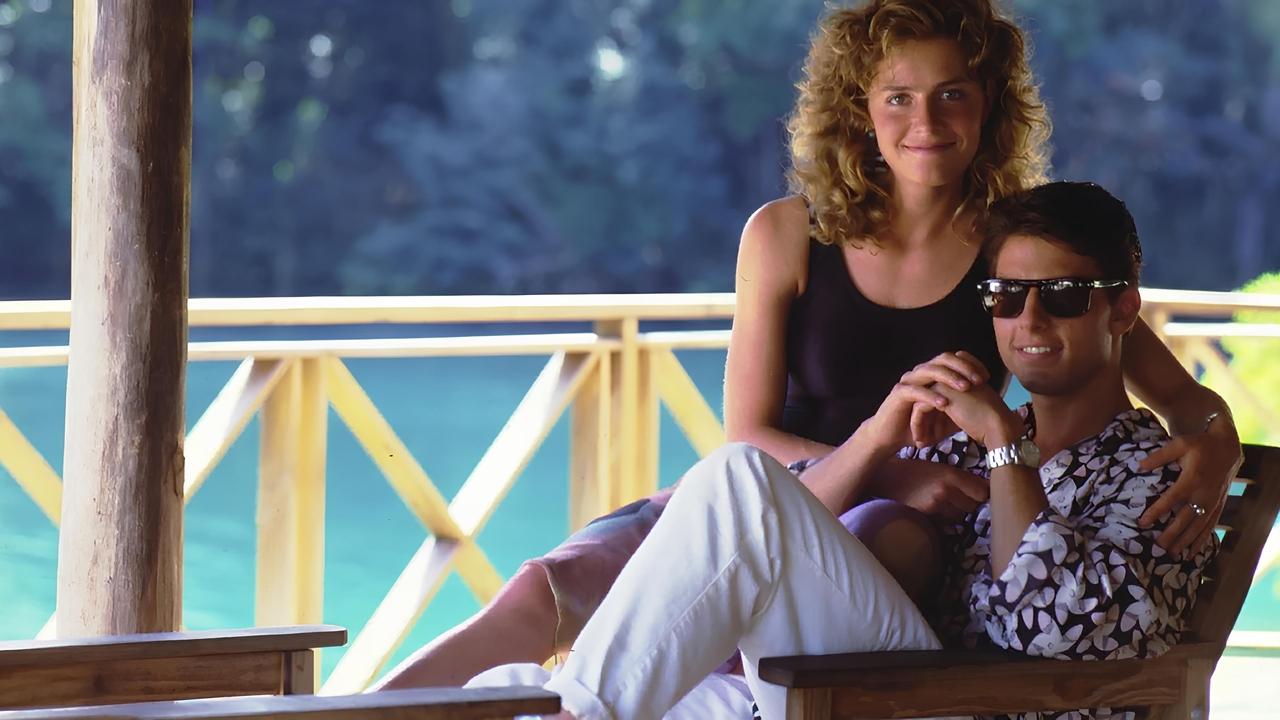
When the action shifts to Jamaica, the film leans hard into the 80s travelogue aesthetic. Enter Elisabeth Shue as Jordan, an artist who represents the "soul" Brian is at risk of losing to the lure of easy money and older, wealthier women like Bonnie (Lisa Banes). Shue is luminous here, doing a lot of heavy lifting to make the romance feel earned, even when the script by Heywood Gould (who adapted his own much darker novel) starts to feel like a soap opera.
The film is a fascinating time capsule of Reagan-era anxieties. It’s obsessed with the "hustle"—the idea that you’re either the person pouring the drink or the person paying for it. Brian’s obsession with becoming a "millionaire" is treated as both a noble pursuit and a moral failing, depending on which act of the movie you’re in. Bryan Brown’s hair deserves its own SAG card in these scenes; it’s a frizzy, untamed mess that perfectly reflects Doug’s internal decay as his cynicism finally catches up with him.
The Soundtrack of a Decade
You cannot talk about Cocktail without talking about the music. This film was a juggernaut of synergy. Between The Beach Boys’ "Kokomo" and Bobby McFerrin’s "Don't Worry, Be Happy," the soundtrack was inescapable. It’s a perfect example of how the 80s blockbuster was designed to live forever in your ears long after you left the theater.
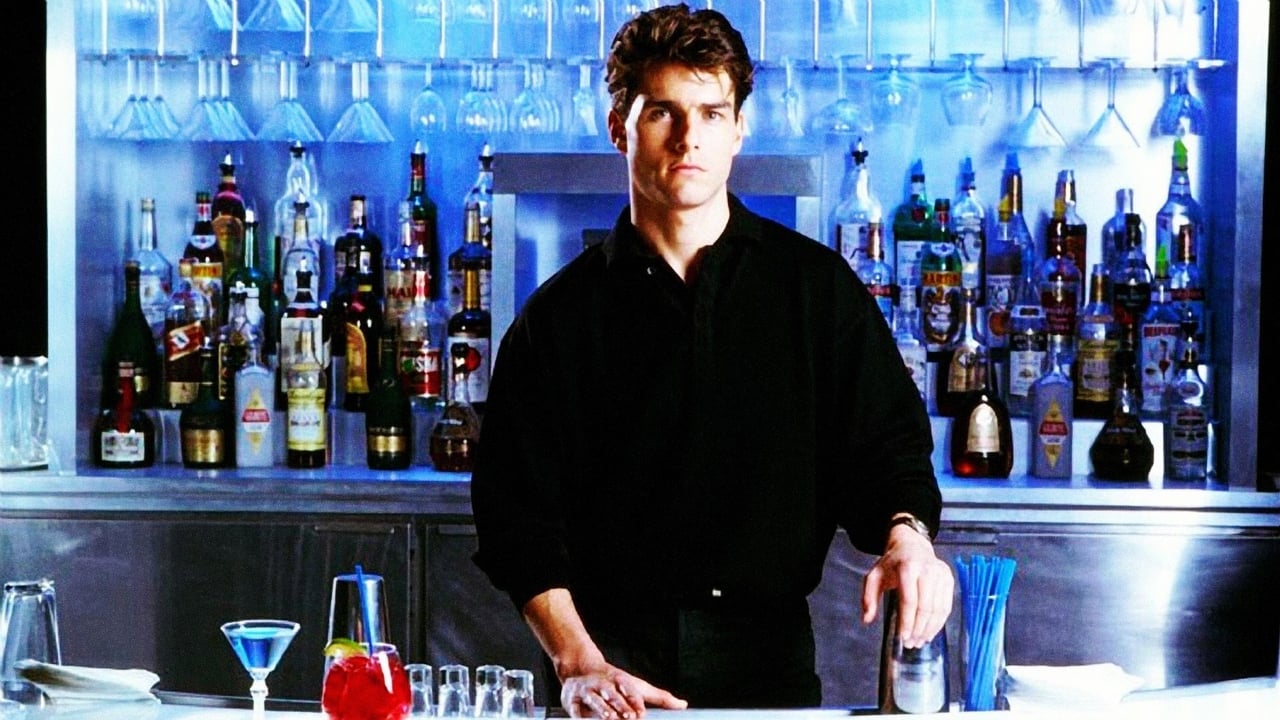
The production itself was a massive success, turning a $20 million budget into over $171 million. It dominated the box office despite critics absolutely savaging it. It even "won" the Golden Raspberry for Worst Picture, which feels a bit harsh in hindsight. Sure, it’s cheesy, and the transition from "fun bartending movie" to "melancholy drama about suicide and class struggle" is about as smooth as a blender full of gravel, but there’s a genuine earnestness to the performances that keeps it watchable.
The practical stunts here aren't car chases; they are the bottle flips. Cruise and Brown reportedly spent weeks training with real bartenders to master the "flair," and that dedication shows. In an era before CGI could just "fix" a dropped bottle, there is a tactile satisfaction in watching them pull off those routines. It’s a lost art—both the bartending and the mid-budget star vehicle.
Cocktail is the ultimate "guilty pleasure" that shouldn't actually make you feel guilty. It captures a very specific moment in cinema where a movie could be about absolutely nothing but a guy’s ambition and a few catchy tunes and still become a global phenomenon. It’s glossy, it’s shallow, and it’s occasionally quite dark, but like a well-mixed drink on a hot day, it goes down surprisingly easy. If you can find a copy with the original neon-pink box art, grab it, dim the lights, and let the 80s wash over you. Just don't try the bottle flips at home—trust me, the lamp won't survive.

Keep Exploring...
-

Risky Business
1983
-
Working Girl
1988
-
The Lost Boys
1987
-
Say Anything...
1989
-

Fatal Attraction
1987
-
Moonstruck
1987
-
The Party
1980
-
Romancing the Stone
1984
-
National Lampoon's European Vacation
1985
-
The Jewel of the Nile
1985
-

An American Tail
1986
-
Scrooged
1988
-

All Dogs Go to Heaven
1989
-
About a Boy
2002
-
Love & Other Drugs
2010
-
Ticket to Paradise
2022
-

Flashdance
1983
-
The Karate Kid Part II
1986
-
Look Who's Talking
1989
-
The War of the Roses
1989