Cocoon: The Return
"Heaven can wait, but the grandkids can’t."
I watched Cocoon: The Return while trying to peel a stubborn, half-calcified price sticker off a used paperback copy of The Postman, and the frustration of the sticky glue residue felt like a strange metaphor for this movie. It’s a film about the "friction" of Earth—the literal and metaphorical weight of gravity, age, and unfinished business that keeps us stuck to the ground when we should be floating among the stars.

Sequels to high-concept, self-contained hits are usually just expensive reunions where nobody quite knows what to talk about after the first twenty minutes. When Ron Howard’s Cocoon arrived in 1985, it felt like a complete thought. A group of seniors find an alien "fountain of youth" in a Florida pool, regain their vitality, and eventually blast off into the cosmos with a group of benevolent, glowing Antareans. It was bittersweet, hopeful, and definitive. Then, three years later, 20th Century Fox decided we needed to know what happened during their celestial retirement.
The Heavy Lift of Coming Home
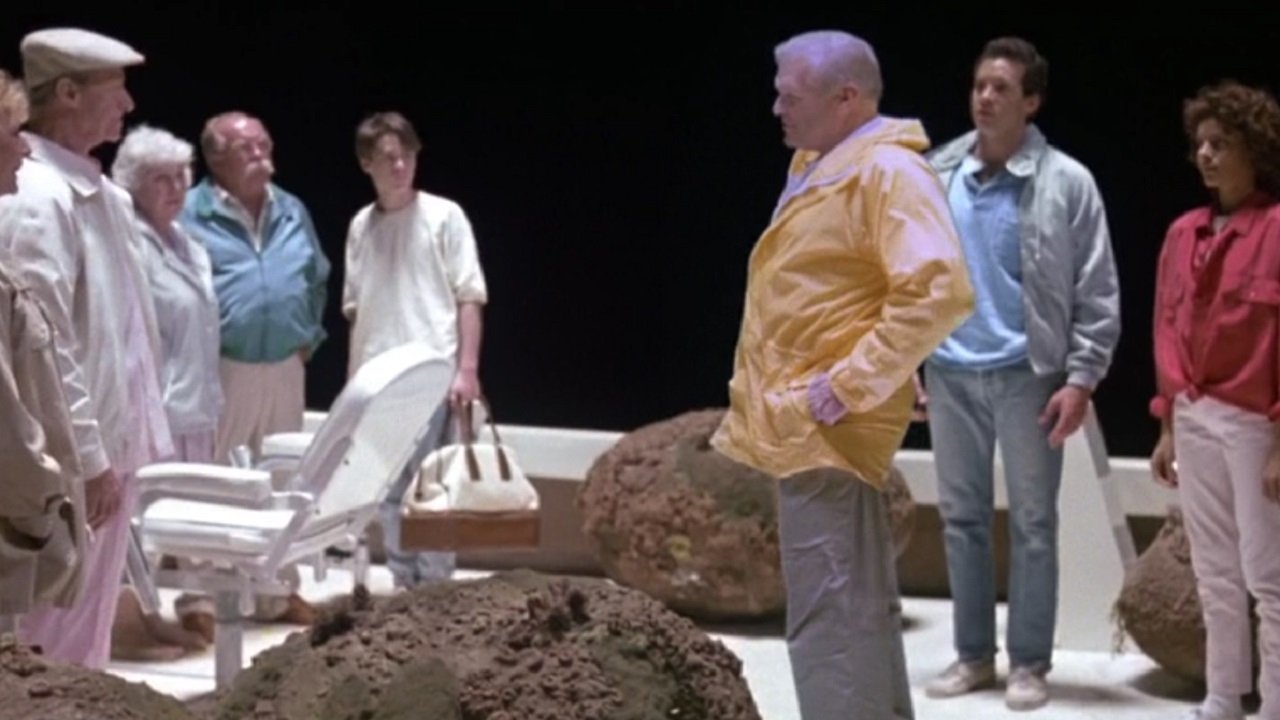
Directed by Daniel Petrie (who gave us the wonderful A Raisin in the Sun but also the baffling Fort Apache, The Bronx), The Return brings the gang back to Earth because their alien hosts need to rescue some left-behind cocoons threatened by an earthquake. But really, they’re back because the actors were delightful and the box office demanded it.
The joy of the first film was the discovery of youth. The conflict of the second is the realization that immortality is actually kind of boring if you don’t have anyone to complain to about the humidity. We see Wilford Brimley (as Ben Luckett) struggling with the fact that his grandson is growing up without him. We see Hume Cronyn and Jessica Tandy (the real-life heart of the film) dealing with a medical crisis that the alien "life force" can't simply hand-wave away.
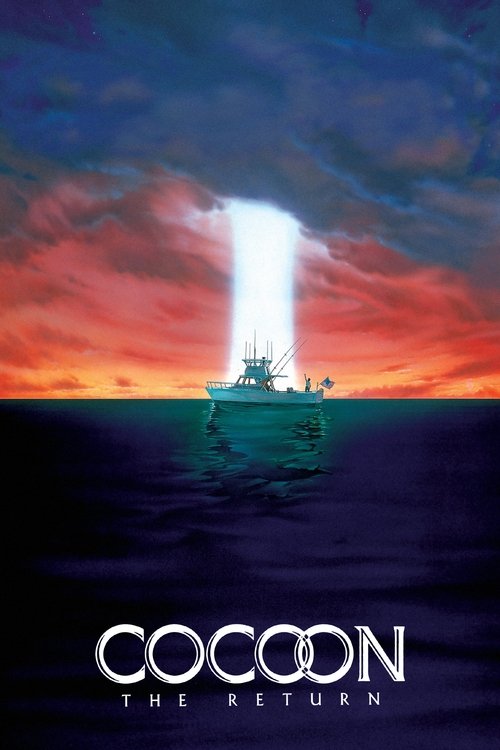
It’s surprisingly somber for a movie marketed as a whimsical sci-fi comedy. I remember seeing the VHS box in the "New Releases" section of my local Mom-and-Pop shop; the cover art featured the cast looking upward with beatific smiles, promising a magical romp. In reality, the film spends a lot of time in hospital rooms and research labs. It’s a movie about the "hangover" of magic.
Senior Citizens and Special Effects
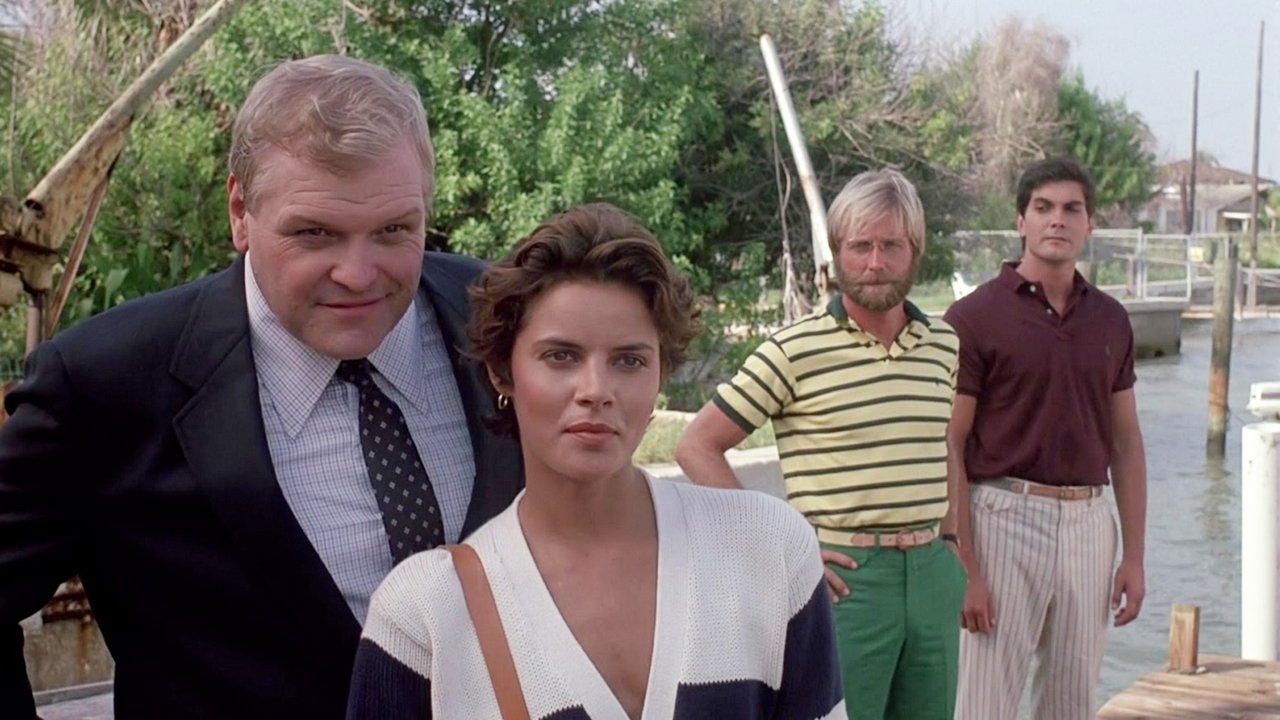
What keeps the film afloat is the cast. You simply cannot go wrong with this roster of legends. Don Ameche, who won an Oscar for the first film, still has that twinkle in his eye, and Jack Gilford remains the undisputed king of the "lovable curmudgeon" archetype as Bernie. There is a specific warmth to 1980s ensemble pieces like this—a texture that feels lived-in and genuine, largely because these actors had been working since the Golden Age of Hollywood.
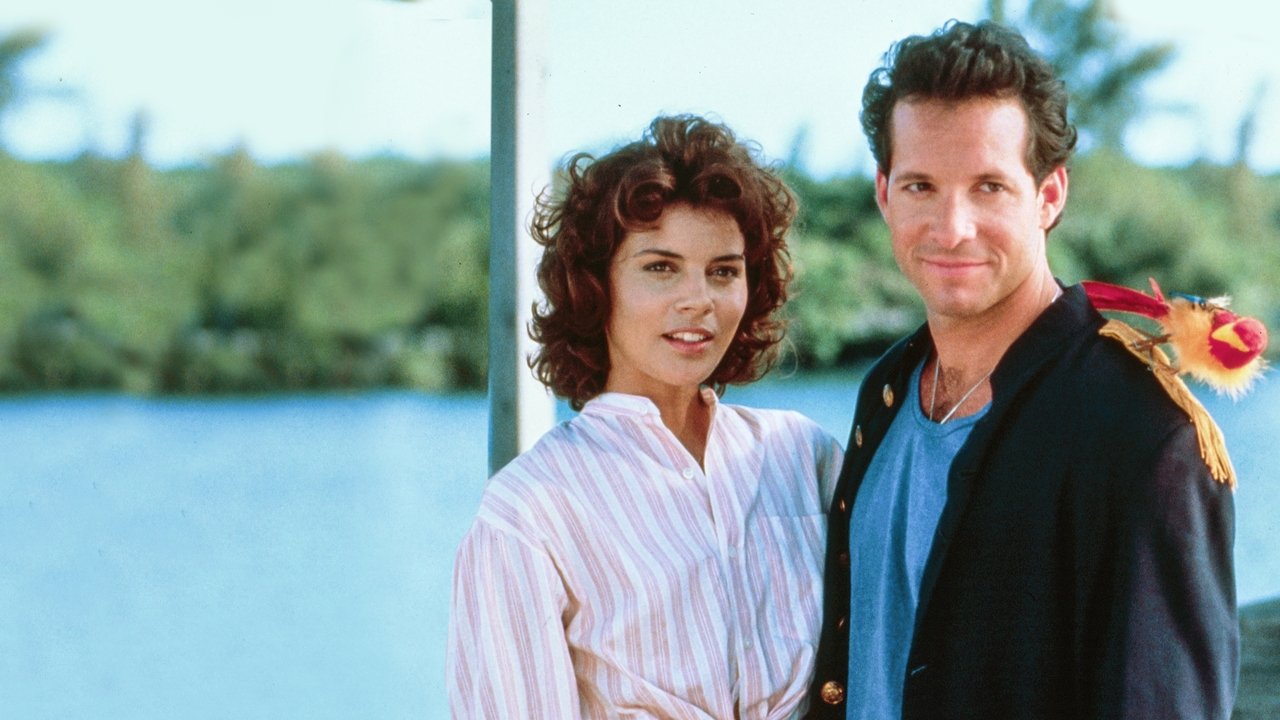
Then there’s the "new" blood. A pre-Friends Courteney Cox pops up as a research scientist, and Steve Guttenberg returns as Jack Bonner. Guttenberg was the human equivalent of a Golden Retriever in the late 80s, and his subplot involves falling for an Antarean played by Tahnee Welch.
The practical effects, handled by the wizards at ILM, are a highlight for any fan of the era. The Antareans—those translucent, glowing beings—are achieved through a mix of practical suits and clever optical compositing. There’s a scene involving a "life force" transfer in a pool that has that unmistakable 80s shimmer, back when "light" in movies felt like something you could almost reach out and touch. It’s the peak of pre-CGI wonder, where the limitations of the technology forced the filmmakers to focus on atmosphere rather than digital clutter.
The VHS Shelf Life
Cocoon: The Return is a quintessential "Rental Sequel." It’s the movie you took home because the first one was checked out, or because you wanted something "safe" to watch with your parents on a Saturday night. It never captures the lightning-in-a-bottle awe of Ron Howard’s original, and James Horner’s score—while beautiful—relies heavily on the motifs he already perfected in the first outing.
The film struggled at the box office, earning back its budget but failing to ignite the same cultural conversation as its predecessor. It fell into that weird late-80s limbo: too sci-fi for the prestige crowd, too slow for the Star Wars kids, and perhaps a little too melancholy for people looking for a light comedy. By the time the 90s rolled around and the DVD revolution began, it was largely left behind on the magnetizable tape of history.
Yet, watching it now, there’s a dignity to it. It doesn't try to be an action movie. It doesn't have a villain, really—just the inevitable march of time and the difficult choices we make for the people we love. It’s a "comfort food" movie that acknowledges the food might be a little bland, but the company at the table is top-tier.
The film ultimately suggests that the Earth, with all its aches, pains, and mortality, has a pull stronger than any alien tractor beam. It’s not a masterpiece, and it’s certainly not "essential" viewing, but if you find yourself missing the specific brand of sincerity that 1980s cinema specialized in, you could do much worse. Just don't expect it to change your life—it's more interested in reminding you why your current one is worth sticking around for.
Keep Exploring...
-
Cocoon
1985
-

Short Circuit
1986
-
Superman III
1983
-
Weird Science
1985
-
The Money Pit
1986
-
Innerspace
1987
-

Masters of the Universe
1987
-
Spaceballs
1987
-

The Cabbage Soup
1981
-
Critters
1986
-
Bad Taste
1987
-
2010
1984
-
Star Trek III: The Search for Spock
1984
-

Enemy Mine
1985
-
Ladyhawke
1985
-
National Lampoon's European Vacation
1985
-
Police Academy 2: Their First Assignment
1985
-
The Jewel of the Nile
1985
-
Flight of the Navigator
1986
-

The Golden Child
1986