Coming to America
"The King of Comedy dons his crown."
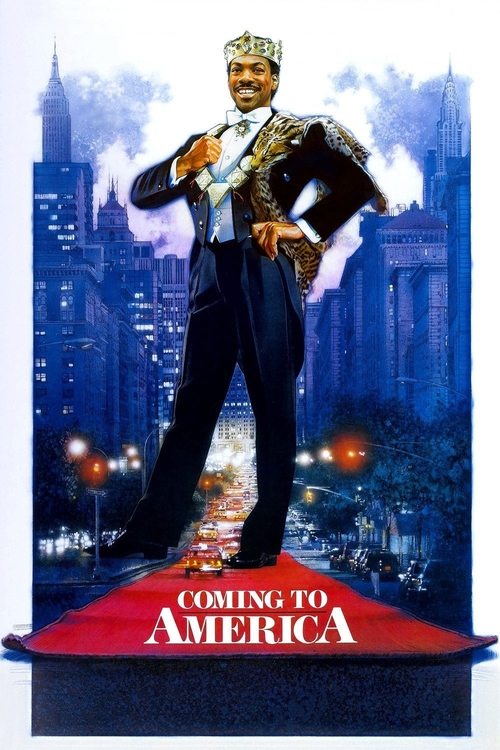
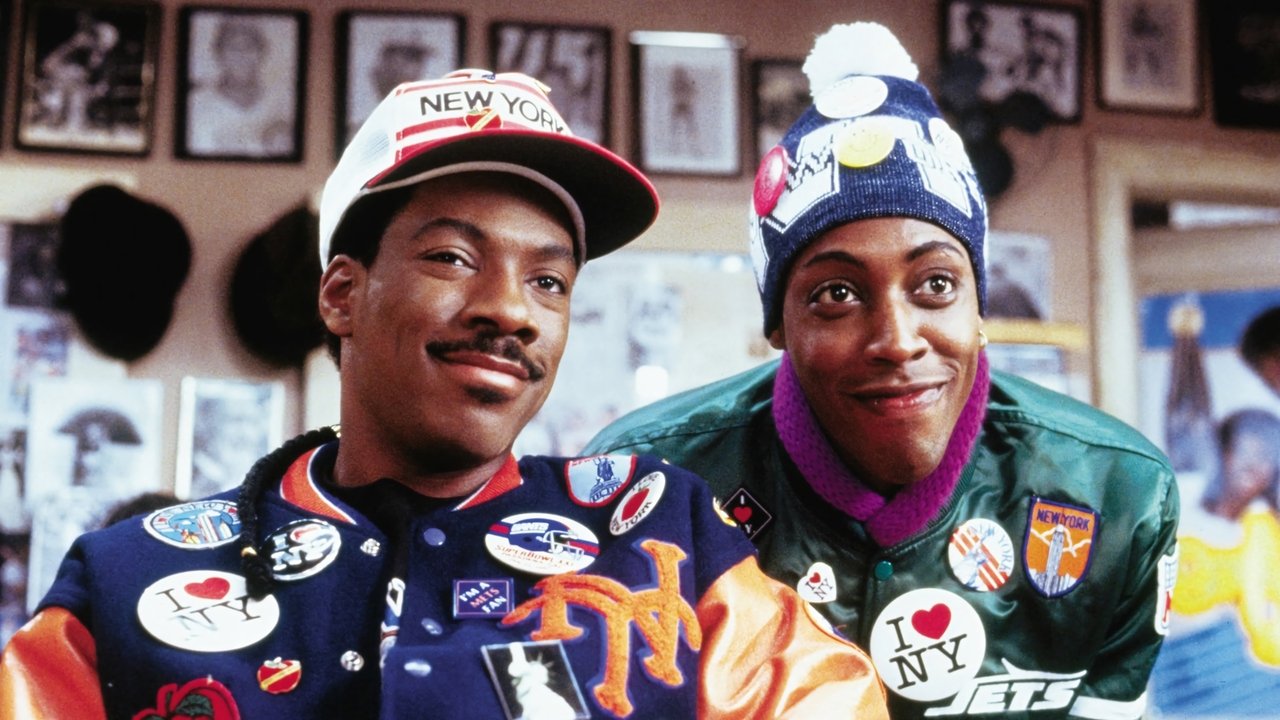
The "Soul Glo" jingle has a terrifying power. It’s been decades since I first heard that synthetic 1980s groove, yet it still pops into my head at the most inconvenient times—usually while I’m trying to focus on something important, like my taxes or a dental cleaning. It’s the ultimate auditory souvenir from John Landis’s 1988 smash Coming to America, a film that represents the absolute peak of Eddie Murphy’s imperial phase. In 1988, Murphy wasn't just a movie star; he was a solar system around which the rest of Hollywood orbited.

I watched this recently while sitting on a slightly damp sofa because my dog had decided to knock over a vase of lilies, and even the smell of stagnant flower water couldn't dampen the sheer joy of the Zamunda-to-Queens pipeline. There’s a warmth to this movie that a lot of modern "fish out of water" comedies lack. It isn't just a collection of sketches; it’s a fairy tale with a surprisingly big heart and the best makeup effects the eighties ever birthed.
The Royal Court of Multi-Hyphenates
By 1988, the "Eddie Murphy Movie" was its own genre, but Coming to America pushed the envelope by letting him (and the brilliantly versatile Arsenio Hall) play four roles apiece. This wasn't just a gimmick; it was a flex. The barbershop scenes, featuring Murphy as the owner Clarence and the elderly Jewish customer Saul, are comedic gold. I spent half my childhood squinting at the TV screen, trying to find the "seams" in the makeup.
That’s the Rick Baker touch. Baker, the legendary creature creator behind An American Werewolf in London, treated the human face like a canvas for comedic transformation. This was the era of practical magic—no CGI smoothing, just hours in a chair with spirit gum and latex. On the old VHS tapes, the resolution was often too fuzzy to appreciate the detail, but seeing it now in high definition, the "Saul" character is a miracle of prosthetic engineering. It’s arguably the most impressive thing Baker ever did, and I say that as someone who worships his work on Bigfoot.
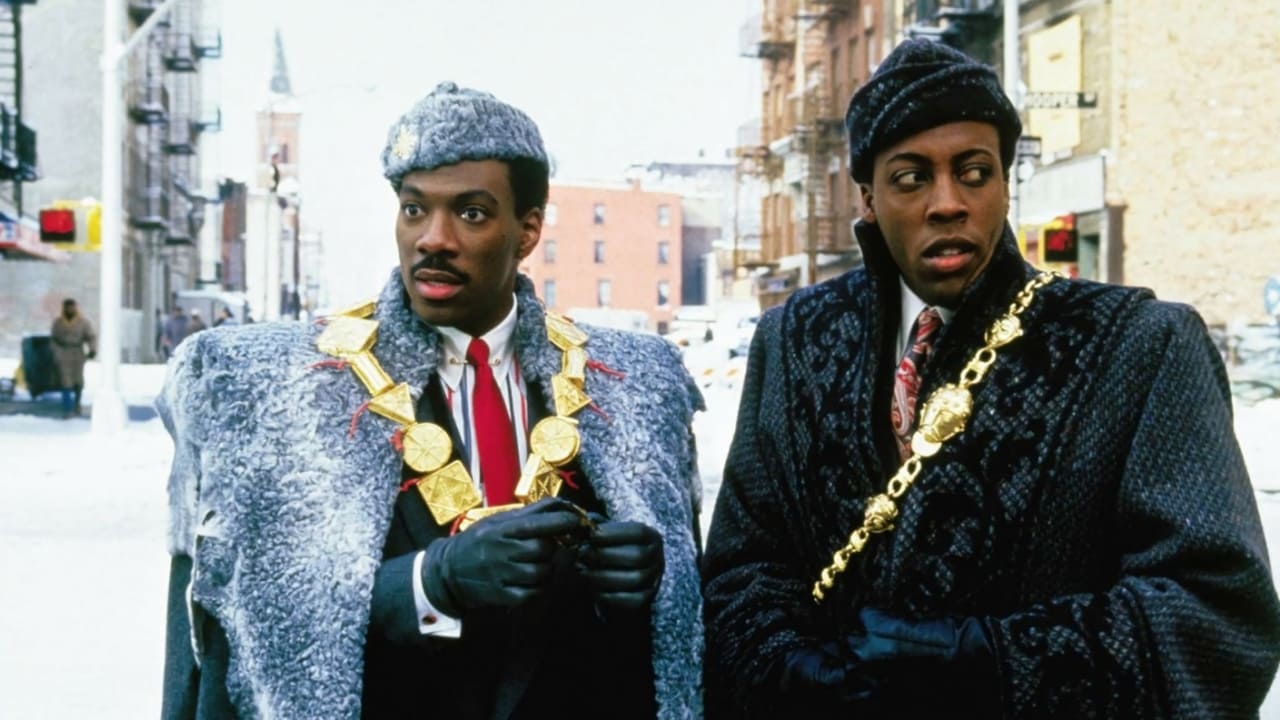
The supporting cast is an embarrassment of riches. James Earl Jones brings a booming, regal gravity to King Jaffe Joffer that makes the "Lion King" role feel like a natural promotion. Then you have John Amos as Cleo McDowell, the man running a blatant McDonald’s rip-off with a passion that borders on the religious. His McDowell’s restaurant is the most accurate depiction of middle-management anxiety ever put to film.
High Stakes and Higher Budgets
When people talk about 80s blockbusters, they usually point to Die Hard or Who Framed Roger Rabbit, but Coming to America was a financial juggernaut. It cost roughly $30 million—a massive sum for a comedy at the time—and it made nearly ten times that back. This was the era of the "High Concept" comedy, where a simple premise (Prince seeks wife in New York) was executed with the production values of a Bond film.
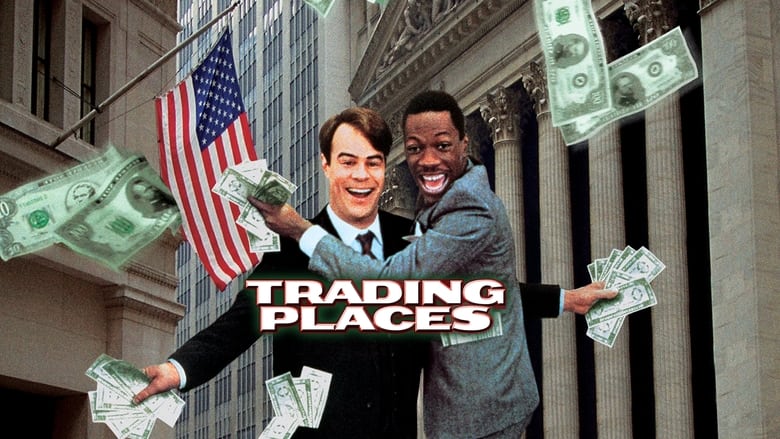
The film's success wasn't just a win for Paramount; it was a cultural milestone. It showed that an almost entirely Black cast could lead a global blockbuster to the top of the charts. And the trivia behind the scenes is just as legendary as the film itself. Apparently, the "Dukes" (the homeless men Akeem gives a bag of money to) are actually Don Ameche and Ralph Bellamy, reprising their roles from Landis and Murphy’s previous collaboration, Trading Places. It’s a bit of cinematic universe-building that happened long before Marvel made it a chore.
The movie also famously sparked a $19 million lawsuit from columnist Art Buchwald, who claimed the studio stole his idea. It became a landmark case in Hollywood accounting, revealing that even a film that grosses $288 million can somehow "lose" money on paper according to studio ledgers. Hollywood accounting is the real fantasy genre.
The Video Store Gold Standard
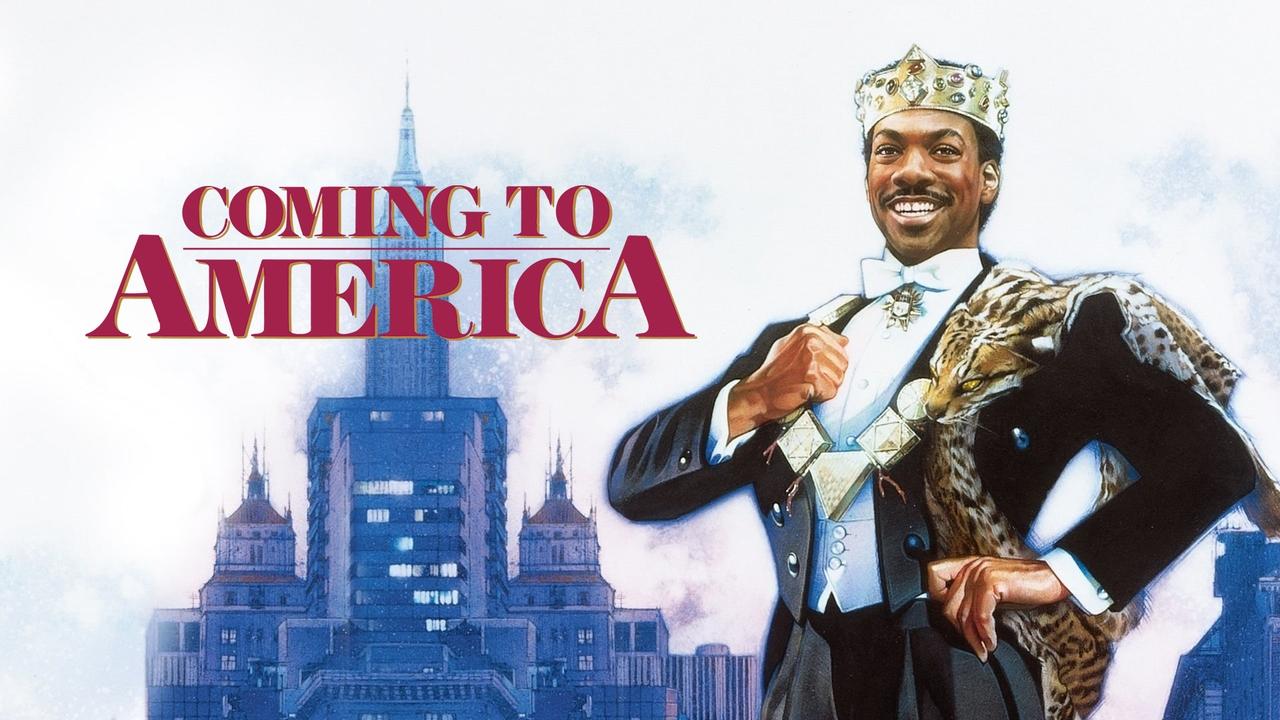
If you walked into any Mom-and-Pop video rental store in 1989, you were guaranteed to see that iconic blue Paramount VHS case on the "New Release" shelf. It was the ultimate "safe bet" rental—the kind of movie that worked for a date night, a family night, or a solo rewatch when you just needed to hear Randy Watson and Sexual Chocolate butcher a Whitney Houston song.
The pacing is where Landis really shines. He lets the jokes breathe. Think about the scene where Prince Akeem first arrives at his "luxury" apartment in Queens, which is basically a crime scene with a view. The comedy comes from Murphy’s unshakeable, sunny optimism in the face of urban decay. It’s a rhythm that requires a director who trusts his lead actor implicitly. There's a reason we're still quoting this movie thirty-five years later. Whether it's "When you think of garbage, think of Akeem" or the "Bark like a dog" bit, the script is a minefield of catchphrases that actually earn their keep.
Coming to America is the gold standard for the superstar-driven comedy. It captures a moment in time when Eddie Murphy was the funniest man on the planet, Arsenio Hall was his perfect wingman, and the world felt just a little bit more vibrant. It manages to be cynical about New York, reverent about royalty, and sweet about romance all at the same time. If you haven't revisited Zamunda lately, do yourself a favor and put on your best Sunday clothes. Just watch out for the Soul Glo—it stains the upholstery.
Keep Exploring...
-

Coming 2 America
2021
-
The Blues Brothers
1980
-
Animal House
1978
-
Trading Places
1983
-
¡Three Amigos!
1986
-

Moonstruck
1987
-
Working Girl
1988
-

Look Who's Talking
1989
-
Beverly Hills Cop
1984
-
Beverly Hills Cop II
1987
-
Grease
1978
-

An American Werewolf in London
1981
-

Tootsie
1982
-

The Graduate
1967
-

Risky Business
1983
-

Romancing the Stone
1984
-

Sixteen Candles
1984
-

Splash
1984
-
The Purple Rose of Cairo
1985
-
Weird Science
1985