Dangerous Liaisons
"Cruelty has never looked this exquisite."
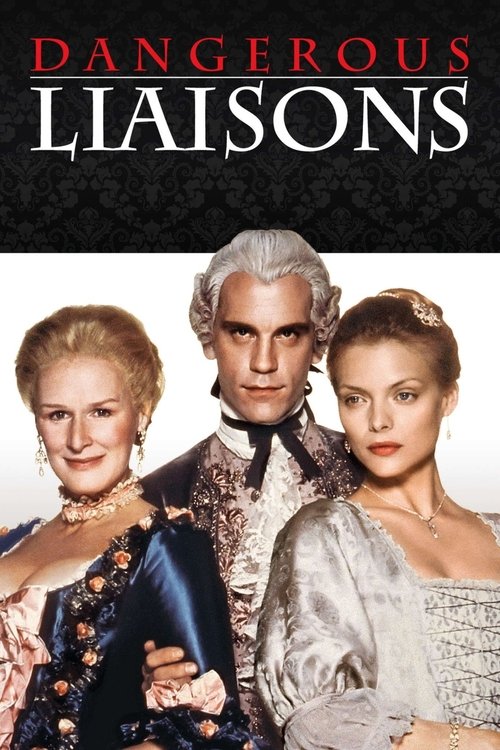
I remember the first time I saw Glenn Close’s face in the final frames of Dangerous Liaisons. I was sitting on my floor, leaning against a beanbag chair, eating a bowl of cereal that had gone tragically soggy, and I completely forgot to keep chewing. There is a specific kind of cinematic magic that happens when a film captures the exact moment a human soul curdles, and Stephen Frears’ 1988 masterpiece does it while dressed in the finest silk and lace 14 million dollars could buy.
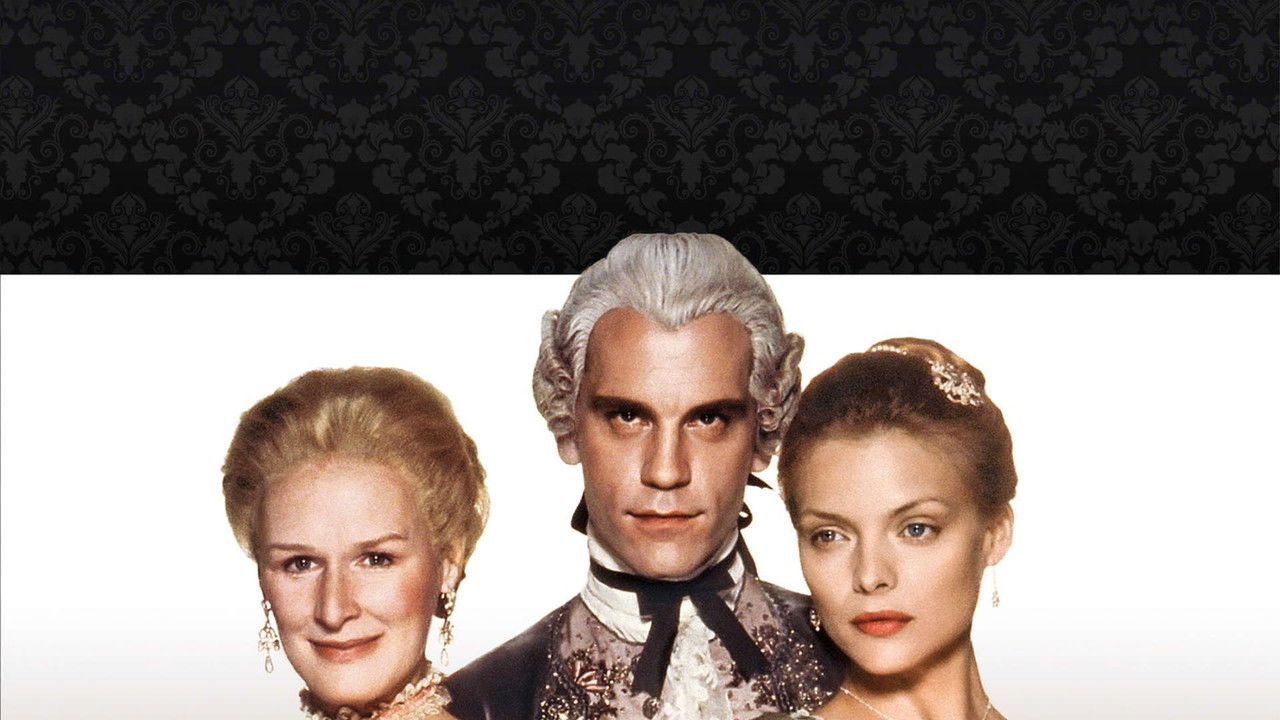
Coming out at the tail end of the 80s, this wasn’t your grandmother’s "Masterpiece Theatre" costume drama. While the decade was busy giving us neon-soaked action and high-concept blockbusters, Dangerous Liaisons arrived like a poisoned cupcake. It was sharp, mean, and utterly obsessed with the mechanics of the "conquest." It’s a film about people who use sex as a weapon and conversation as a minefield.
The Unlikely Seducer and the Queen of Spite
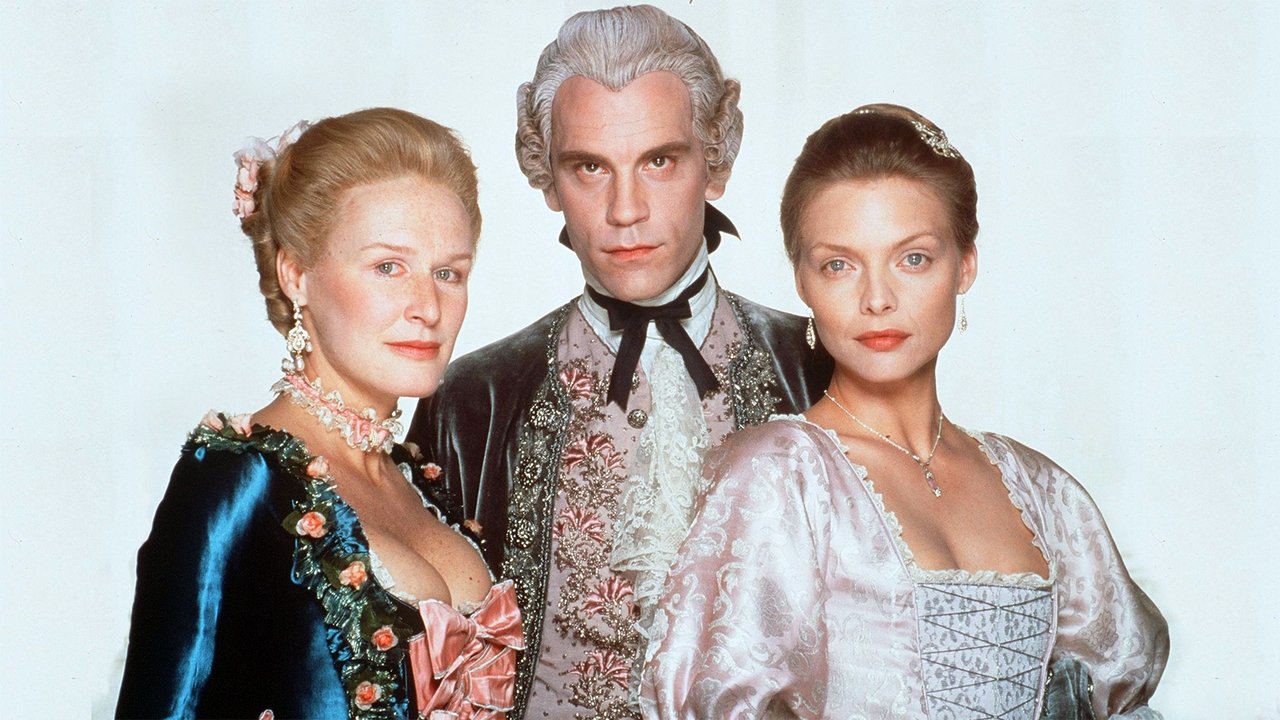
Let’s talk about the casting, because on paper, it looks like a beautiful fever dream. John Malkovich as the Vicomte de Valmont? In 1988, this was a massive swing. Malkovich doesn’t have the traditional "leading man" chin or the rugged charm of a Harrison Ford. Instead, he brings this slithering, nasal, high-intellect arrogance to the role. Malkovich looks like a predatory turtle, and it’s weirdly hot. He doesn't seduce women with his looks; he seduces them by convincing them he’s the only person in the room who truly understands how bored they are.
Opposite him, Glenn Close is a revelation as the Marquise de Merteuil. Fresh off her terrifying turn in Fatal Attraction (1987), she traded the kitchen knife for a fan and a corset, and she’s even scarier here. Her Merteuil is a woman playing a rigged game in a patriarchal society, and she plays it better than any man. The chemistry between her and Malkovich isn’t romantic; it’s the chemistry of two high-level chess players who are also considering burning the board.
And then there’s the "kids." A very young Uma Thurman (pre-Pulp Fiction) is perfectly cast as the innocent Cécile, and a pre-Matrix Keanu Reeves pops up as the Chevalier Danceny. I’ll be honest: Keanu Reeves playing a French aristocrat is like watching a golden retriever try to explain quantum physics. He’s beautiful, earnest, and looks incredibly confused by his own lace cuffs. It shouldn't work, but his "surfer-dude-at-Versailles" energy actually highlights how predatory the older characters are.
Practical Opulence and the VHS Glow
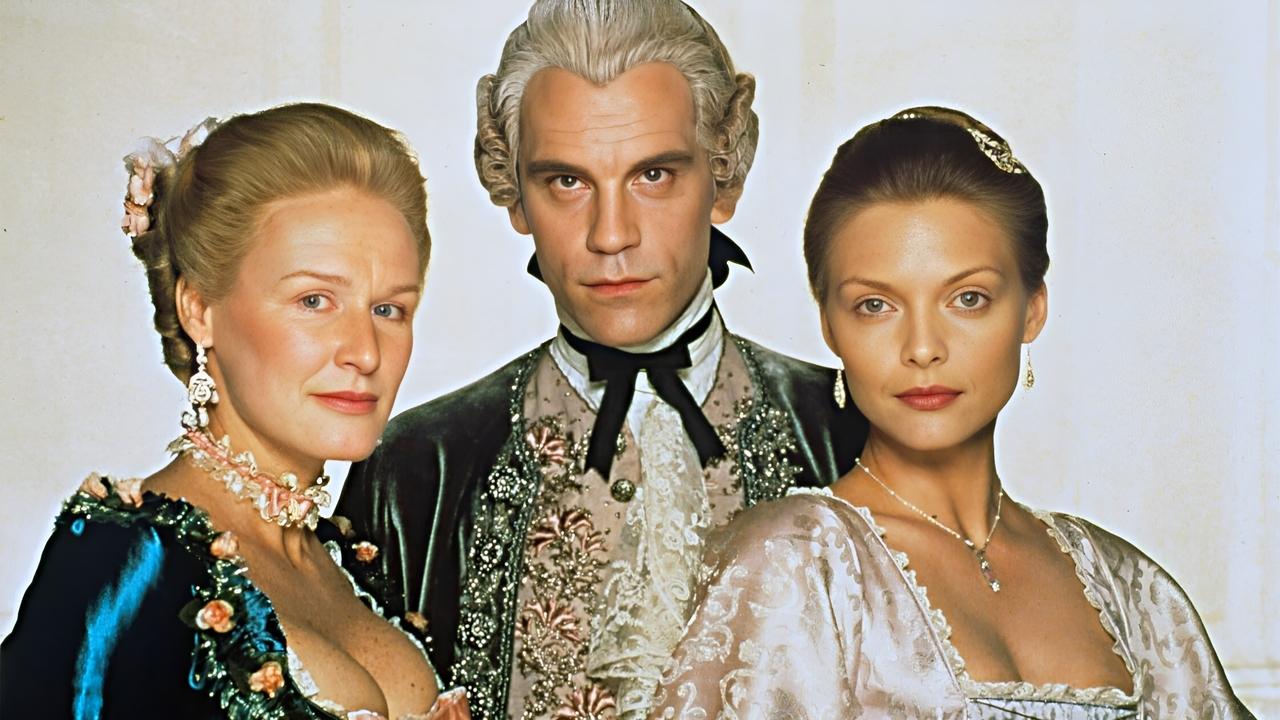
One of the things I miss about this era of filmmaking is the tactile reality of the production. This was the Practical Effects Golden Age, even for dramas. There’s no CGI trickery here to recreate 18th-century France. Director Stephen Frears and cinematographer Philippe Rousselot (who also shot A River Runs Through It) filmed in actual French châteaus. When you see the light hitting a tapestry, that’s a real tapestry from the 1700s.
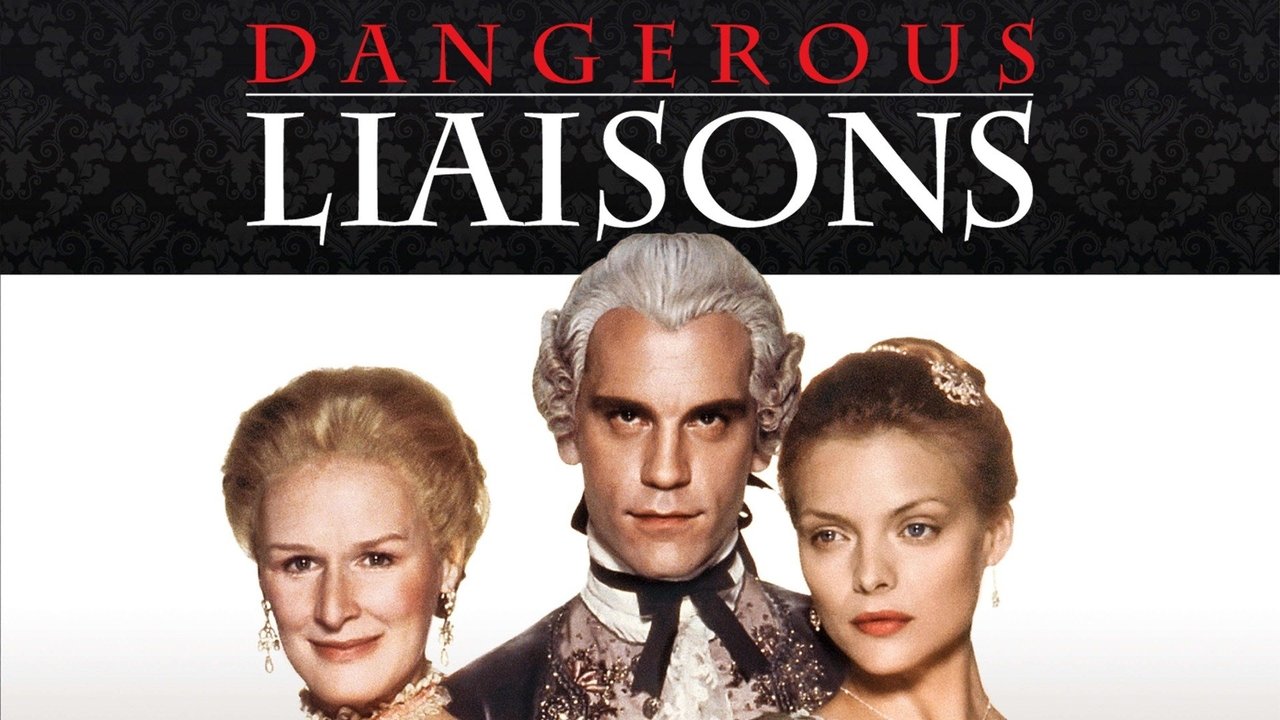
When I eventually snagged the VHS from my local rental shop—the one with the iconic box art of Close and Malkovich looking like they were about to feast on the viewer—the film had a different texture. On a CRT television, the close-ups felt claustrophobic. Stephen Frears loves a tight shot. He puts the camera right in the actors' pores, capturing every micro-twitch of Michelle Pfeiffer’s heartbreak. Pfeiffer, by the way, gives the performance of her career here. She has to play "goodness" without being boring, and when she finally breaks, you feel the cracks in your own chest.
Behind the Curtains and Corsets
The production was famously a bit of a race. There was another version of the same story being filmed at the same time: Milos Forman’s Valmont (1989), starring Colin Firth. Frears and screenwriter Christopher Hampton rushed to get theirs out first, and the haste gave the film a jagged, punk-rock energy that Forman’s more stately version lacked.
Apparently, the costumes were so authentic they were a nightmare. Glenn Close has mentioned in interviews that her corsets were so tight she could barely draw enough breath to deliver her lines, which she credited for that sense of "contained rage" that defines Merteuil. It’s a classic case of physical discomfort translating into a brilliant performance choice.
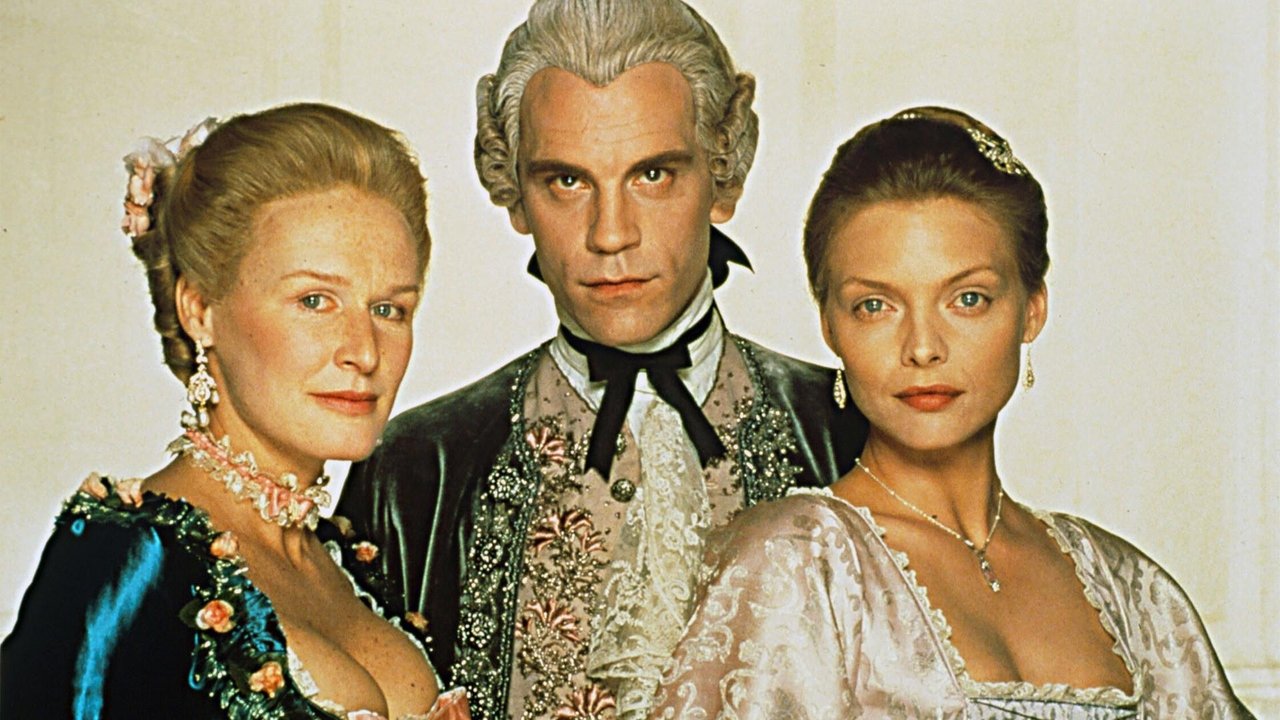
There’s also the legendary trivia about the ending. The final scene of Merteuil at the opera wasn't in the original script quite that way. It was born out of the need to see her truly defeated, and the way the audience reacts to her—that cold, silent shunning—is one of the most brutal "deaths" in cinema history, despite not a single drop of blood being spilled.
Dangerous Liaisons is the ultimate reminder that humans haven't changed in three hundred years. We still want what we can't have, we still hurt the people we love, and we still dress up our worst intentions in our best clothes. It’s a film that manages to be both a "prestige" period piece and a trashy, addictive thriller.
Watching it today, it doesn't feel like a museum piece. It feels like a warning. If you’ve ever been tempted to play a game with someone’s heart, watch this first. It’ll remind you that in the game of seduction, the only way to truly win is to never start playing. Now, if you’ll excuse me, I need to go see if I can find a lace handkerchief to weep into—or maybe just some more cereal.
Keep Exploring...
-

Risky Business
1983
-
Starman
1984
-
Pretty in Pink
1986
-
Say Anything...
1989
-

The Big Blue
1988
-
West Side Story
1961
-
Sophie's Choice
1982
-

The Hustler
1961
-
Harold and Maude
1971
-
Days of Heaven
1978
-
Footloose
1984
-
Out of Africa
1985
-
Witness
1985
-
The Karate Kid Part II
1986
-
Dirty Dancing
1987
-

Fatal Attraction
1987
-
Moonstruck
1987
-
The Lost Boys
1987
-
Working Girl
1988
-
When Harry Met Sally...
1989