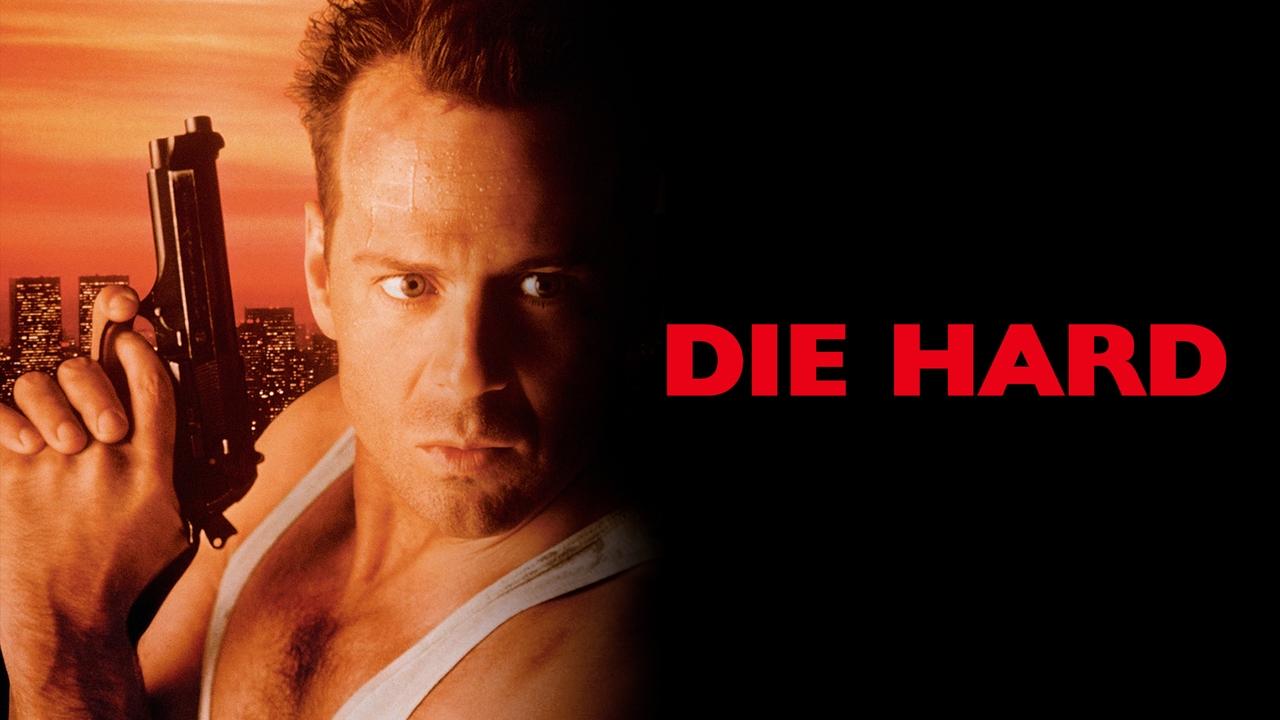
Die Hard
"One cop. One building. No shoes. No mercy."
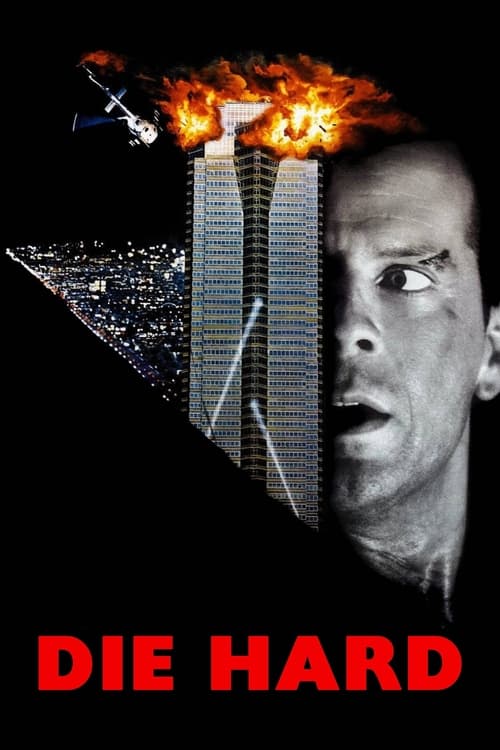
1988 was the year the "Action Hero" finally grew a nervous system. Before John McClane limped across broken glass in Nakatomi Plaza, the genre was dominated by oiled-up demi-gods who treated bullets like minor inconveniences. But when Bruce Willis—at the time, a wisecracking TV actor from Moonlighting—stumbled into that air duct, he brought something radical to the screen: a sense of genuine, bone-deep exhaustion. I watched this again last night while nursing a mild case of food poisoning from a questionable street taco, and honestly, McClane’s rhythmic groaning as he taped up his shredded feet felt like the most relatable thing in cinema history.
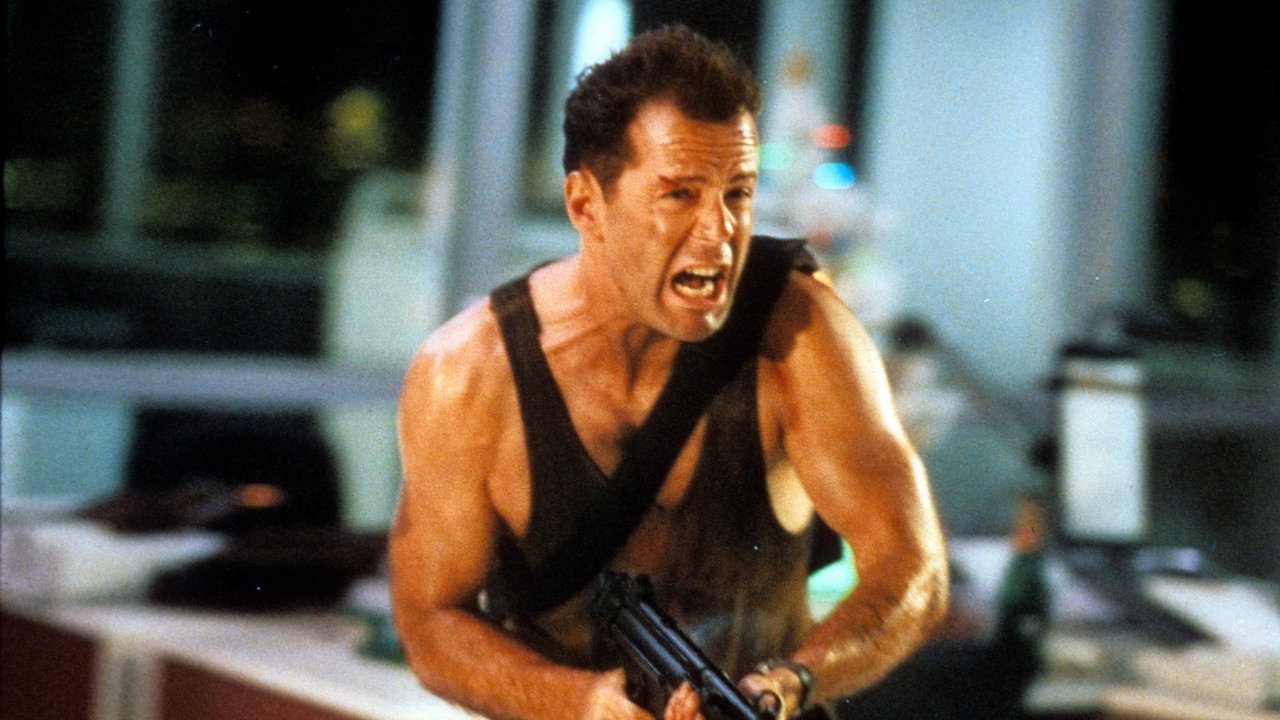
The Human Toll of High-Rise Chaos
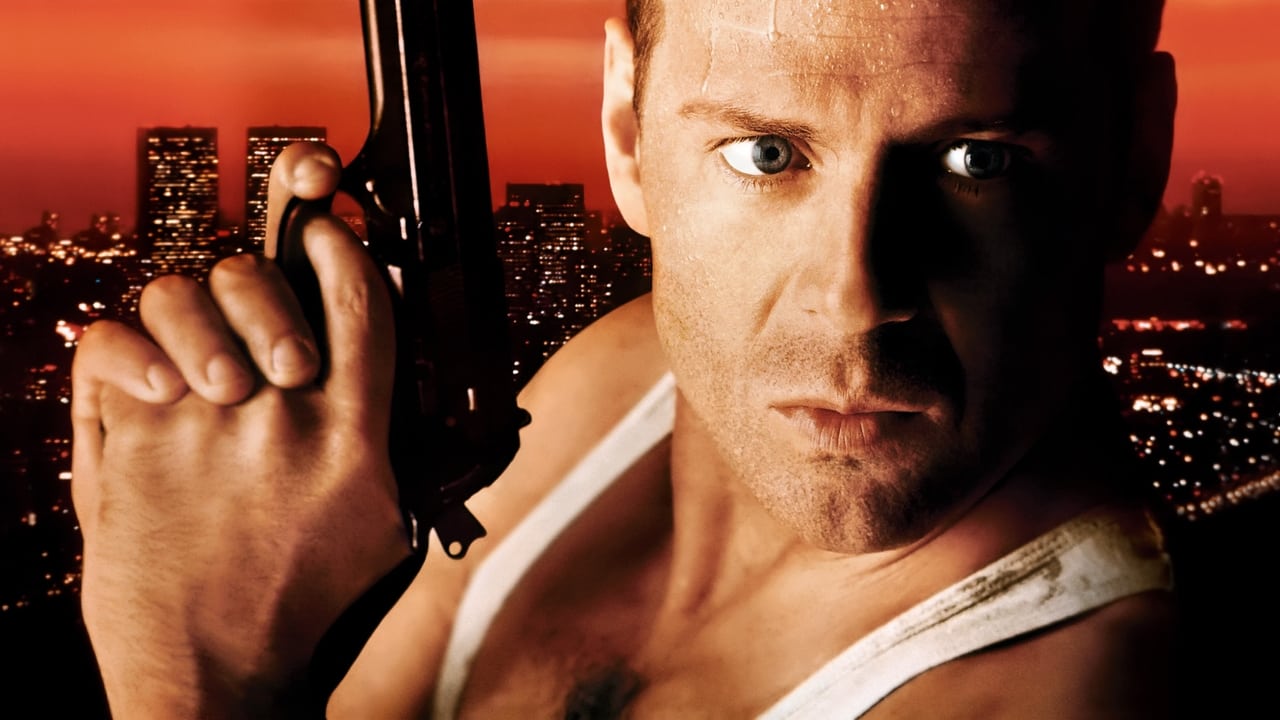
What makes Die Hard a pillar of the New Hollywood-to-Blockbuster transition isn't just the explosions; it’s the stakes. Director John McTiernan, fresh off the high-testosterone jungle fever of Predator, understood that for action to matter, the protagonist has to look like he’s about to lose. Bruce Willis gives us a John McClane who is sweaty, foul-mouthed, and perpetually five seconds away from a nervous breakdown. He isn't there to save the world; he’s there because he’s a stubborn New York cop trying to fix a broken marriage with Holly (Bonnie Bedelia), and these "terrorists" are essentially a giant, violent inconvenience.
The film leans into its dark intensity with a cold, corporate efficiency. There’s a ruthlessness to the early scenes—the execution of Mr. Takagi in the boardroom is a masterclass in tension, filmed with a clinical chill by cinematographer Jan de Bont (who would later direct Speed). The film doesn’t treat its violence as a cartoon; there’s weight to every gunshot and a sickening crunch to every fall. The LAPD and FBI are portrayed as such colossal, ego-driven idiots that they are arguably more dangerous to the hostages than the actual thieves. It creates a suffocating atmosphere where McClane is squeezed between the cold-blooded professionals in the building and the bureaucratic morons on the sidewalk.
The Gruber Standard
We have to talk about Alan Rickman. In his feature film debut, Rickman created a blueprint for the "sophisticated villain" that every actor has been trying (and failing) to copy for thirty-five years. Hans Gruber isn't a screaming zealot; he’s a "disappointed" thief with a tailored suit and an interest in industrial architecture. Rickman plays the role with a terrifyingly calm arrogance, making his sudden outbursts of violence feel all the more jarring.
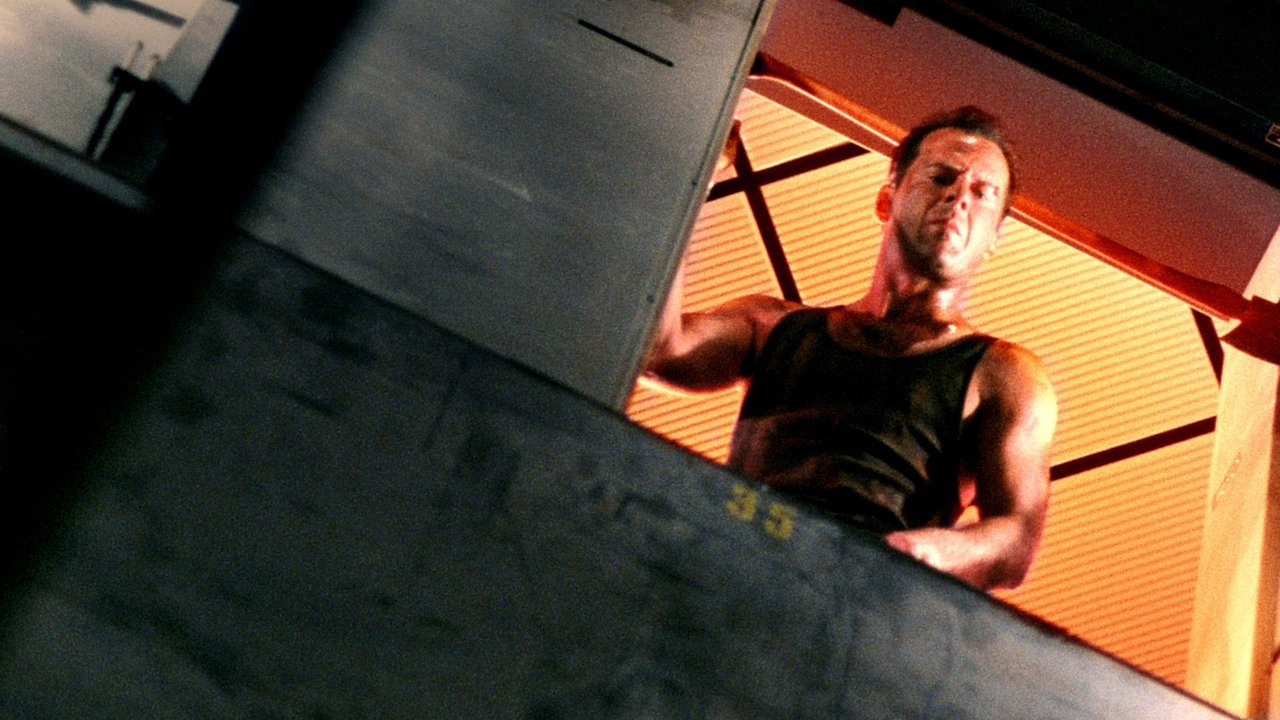
The chemistry between Willis and Rickman—conducted almost entirely over walkie-talkies—is the film’s secret weapon. They are two different breeds of professional, and their verbal sparring elevates the film from a standard shoot-'em-up to a high-stakes chess match. The supporting cast is equally sharp, particularly Reginald VelJohnson as Al Powell. He provides the film’s emotional anchor, a man dealing with his own past trauma through a radio link to a stranger. It’s a level of character depth that most modern blockbusters would cut in favor of a five-minute CGI chase.
Practical Magic and the VHS Glow
In the era of pre-CGI filmmaking, Die Hard represents a peak of practical ingenuity. When you see that rooftop explosion, you’re seeing $250,000 worth of carefully rigged pyrotechnics and a stuntman actually jumping off a building. There’s a texture to the film—the way the smoke hangs in the fluorescent light of the office floors, the way the white undershirt slowly transitions to a grimy charcoal gray—that feels tangible. You can almost smell the cordite and the floor wax.
For those of us who grew up in the VHS era, Die Hard was a rite of passage. I remember the iconic CBS/Fox Video box art—that looming tower with the orange fireball—sitting on the rental shelf like a beacon of forbidden adrenaline. It was a movie designed for repeat viewings, the kind of tape where you’d pause and rewind to figure out how they did the elevator shaft sequence or to catch the exact moment the fake German accents slipped. Alan Rickman’s Hans Gruber is essentially a high-end department store manager with a submachine gun, and watching him meet his end in slow motion remains one of the most satisfying frames in the history of the format.
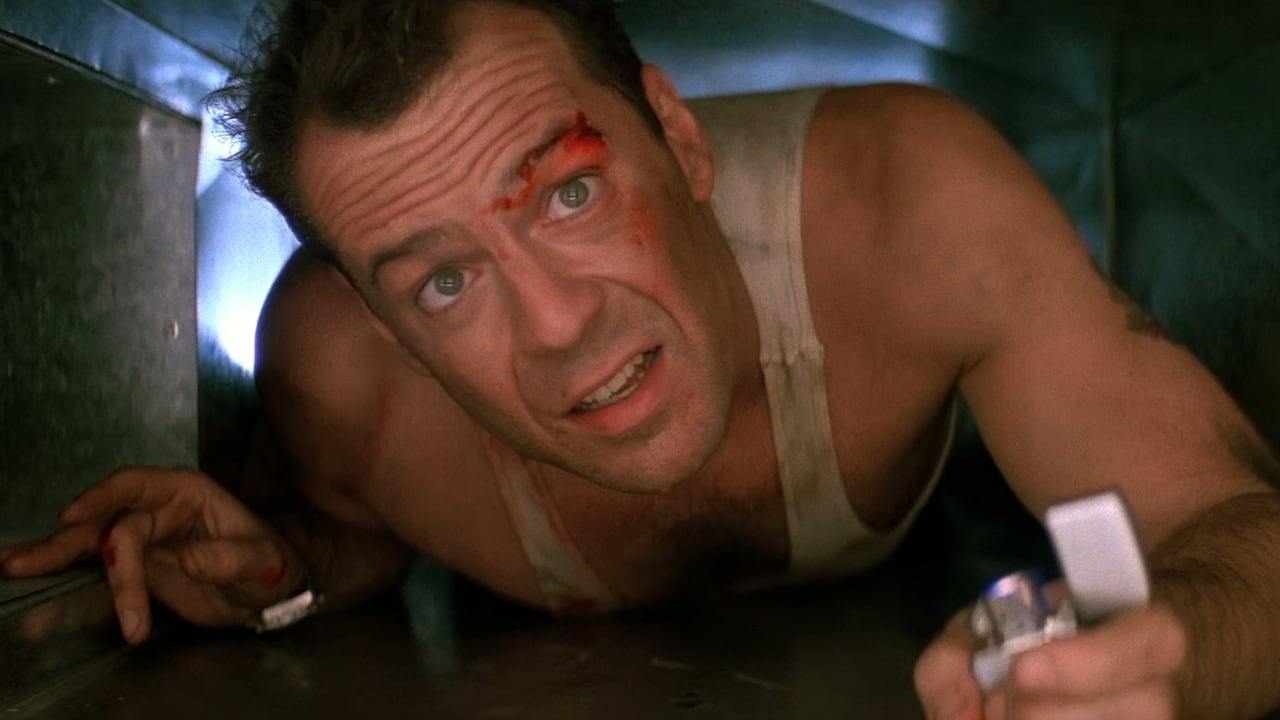
Stuff You Didn't Notice
The production was a series of "make-it-work" moments. The scene where Hans falls from the building? That’s actually Alan Rickman being dropped thirty feet onto an airbag. The stunt team told him they’d drop him on the count of three, but they actually dropped him on "one" to ensure that his look of genuine, wide-eyed terror was authentic. It’s that kind of unpolished, risky filmmaking that gives the movie its edge.
Then there’s the score by Michael Kamen, which brilliantly weaves in "Ode to Joy" as a recurring motif for the villains. It’s a cynical, brilliant touch that underscores the "European sophistication" Gruber pretends to have. The budget was a staggering $28 million for 1988—at the time, an astronomical sum for a film starring a guy from a rom-com TV show—but every cent is visible on screen. From the sprawling sets of the Nakatomi floors to the intricate sound design of the vents, it’s a film that uses its scale to enhance the claustrophobia rather than hide a weak script.
The beauty of Die Hard lies in its grit. It’s a Christmas movie for people who understand that the holidays are often stressful, messy, and involve dealing with people you’d rather not talk to. While it spawned an entire subgenre of "Die Hard on a [Blank]" clones, nothing has ever quite matched the perfect alignment of John McTiernan’s direction and the sheer, bloody-minded charisma of Bruce Willis. It’s a relentless, brilliantly paced machine that reminds us that the best heroes aren't the ones who can't be hurt, but the ones who keep going even after they've lost their shoes.
Keep Exploring...
-
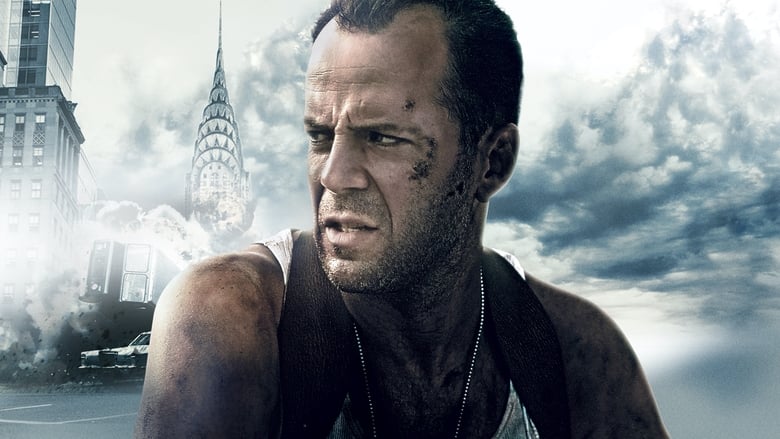
Die Hard: With a Vengeance
1995
-
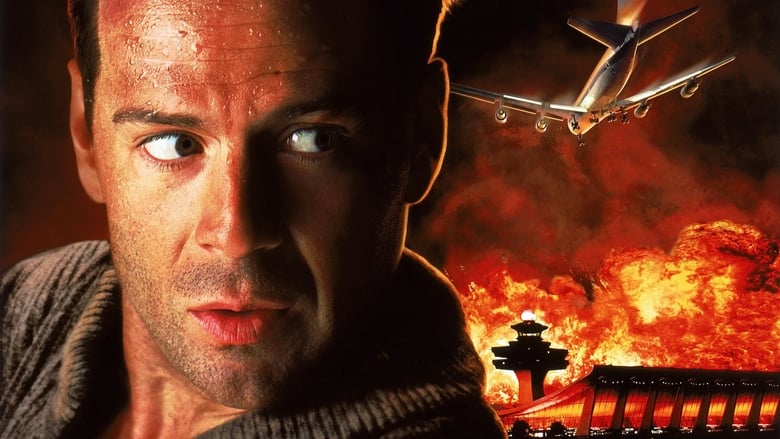
Die Hard 2
1990
-

Predator
1987
-
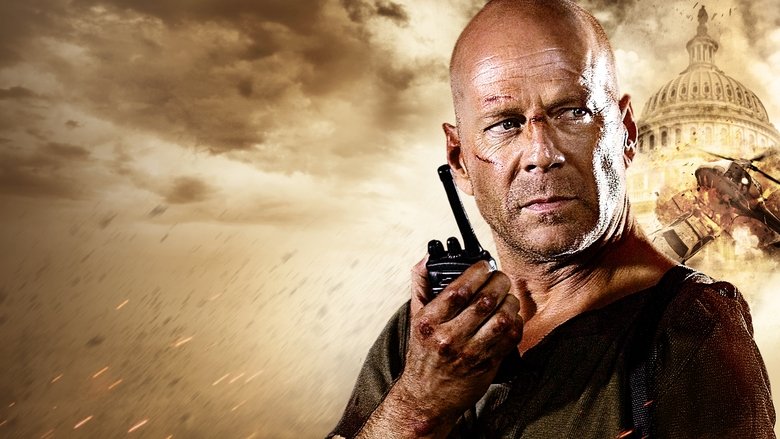
Live Free or Die Hard
2007
-
The Hunt for Red October
1990
-
Aliens
1986
-

The Towering Inferno
1974
-
First Blood
1982
-
The Fugitive
1993
-
The Terminator
1984
-
Witness
1985
-
RoboCop
1987
-
Lethal Weapon
1987
-
Lethal Weapon 2
1989
-

Goldfinger
1964
-
Bloodsport
1988
-
They Live
1988
-
WarGames
1983
-
Beverly Hills Cop
1984
-

Platoon
1986