Dirty Rotten Scoundrels
"Classy, trashy, and delightfully dishonest."
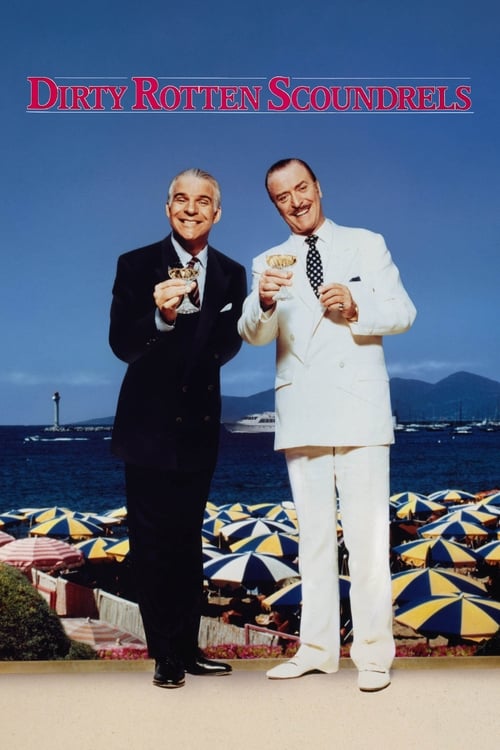
There is a specific, sun-drenched arrogance to the French Riviera of the late 1980s that modern cinema just can’t seem to replicate. It’s a world of linen suits, oversized sunglasses, and the kind of casual wealth that feels like it’s just waiting to be redistributed by a professional. Enter Dirty Rotten Scoundrels, a film that takes the "odd couple" trope, douses it in expensive champagne, and lets it loose in a playground for the rich and gullible. While 1988 was busy giving us the high-octane grit of Die Hard or the soul-searching of Rain Man, director Frank Oz was crafting what might be the most perfectly balanced "prestige comedy" of the decade.
A Masterclass in Stylized Deception
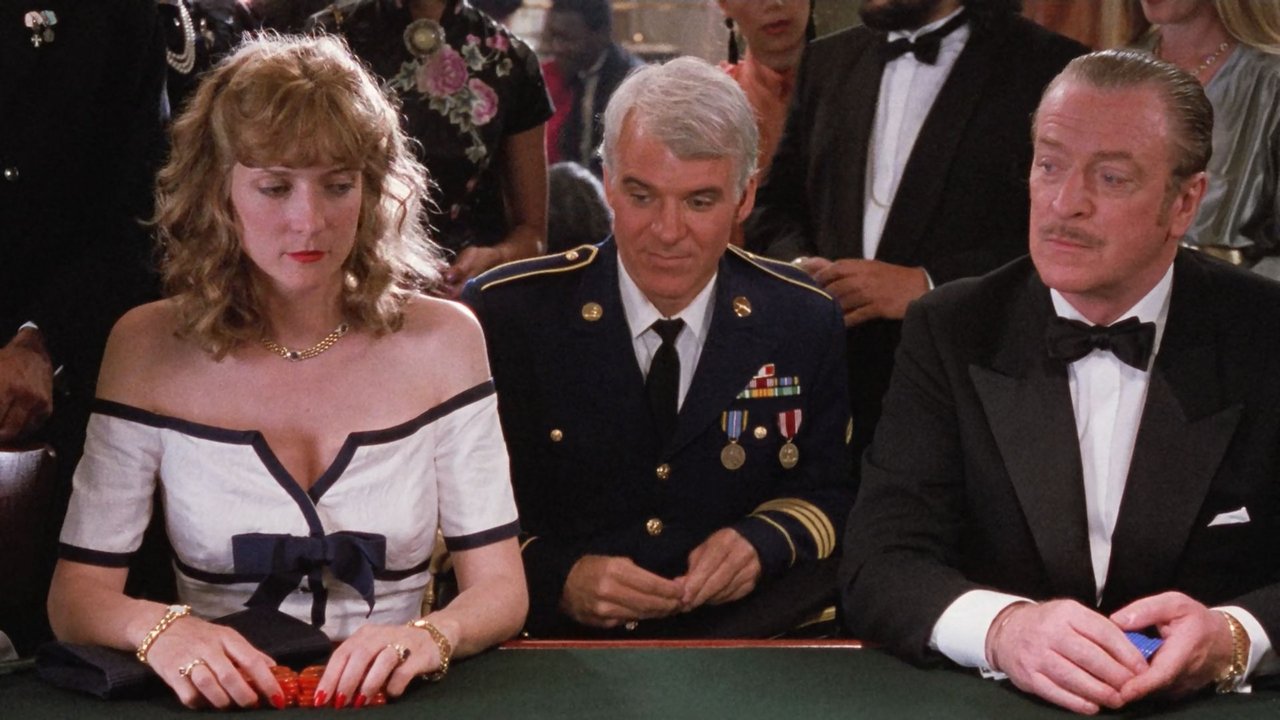
The setup is a classic clash of civilizations. Michael Caine is Lawrence Jamieson, a high-society con artist who lives in a villa that looks like it was decorated by a man who finds gold leaf too subtle. He’s the "Old World" grifter—calculating, refined, and operating with the blessing of the local police. Then comes Steve Martin as Freddy Benson, a low-rent American hustler who considers a free meal at a tourist trap a major score. When Freddy’s "uncouth" methods start scaring away Lawrence’s high-paying marks, the two strike a wager: the first one to swindle $50,000 from the next "Soap Queen" to arrive in town gets to stay. The loser leaves the Riviera forever.
What makes this work so effectively isn't just the plot—it’s the collision of two very different comedic energies. Michael Caine is essentially playing a high-end James Bond who realized the real money is in lying to lonely grandmothers, and his deadpan delivery is the anchor the movie needs. Opposite him, Steve Martin is at the absolute peak of his physical powers. I watched this recently while trying to eat a bowl of very hot oatmeal, and I nearly inhaled a spoonful of oats during the "Ruprecht" sequence. My kitchen floor still hasn't forgiven me.
The Art of the Reveal
Most comedies from the late 80s rely on a singular "hook" or a series of escalating gags, but Dirty Rotten Scoundrels treats its script like a Swiss watch. Written by Stanley Shapiro, Paul Henning, and Dale Launer (it’s a remake of 1964’s Bedtime Story), the dialogue is whip-smart without being "writerly." It trusts the audience to keep up with the shifting layers of the con.
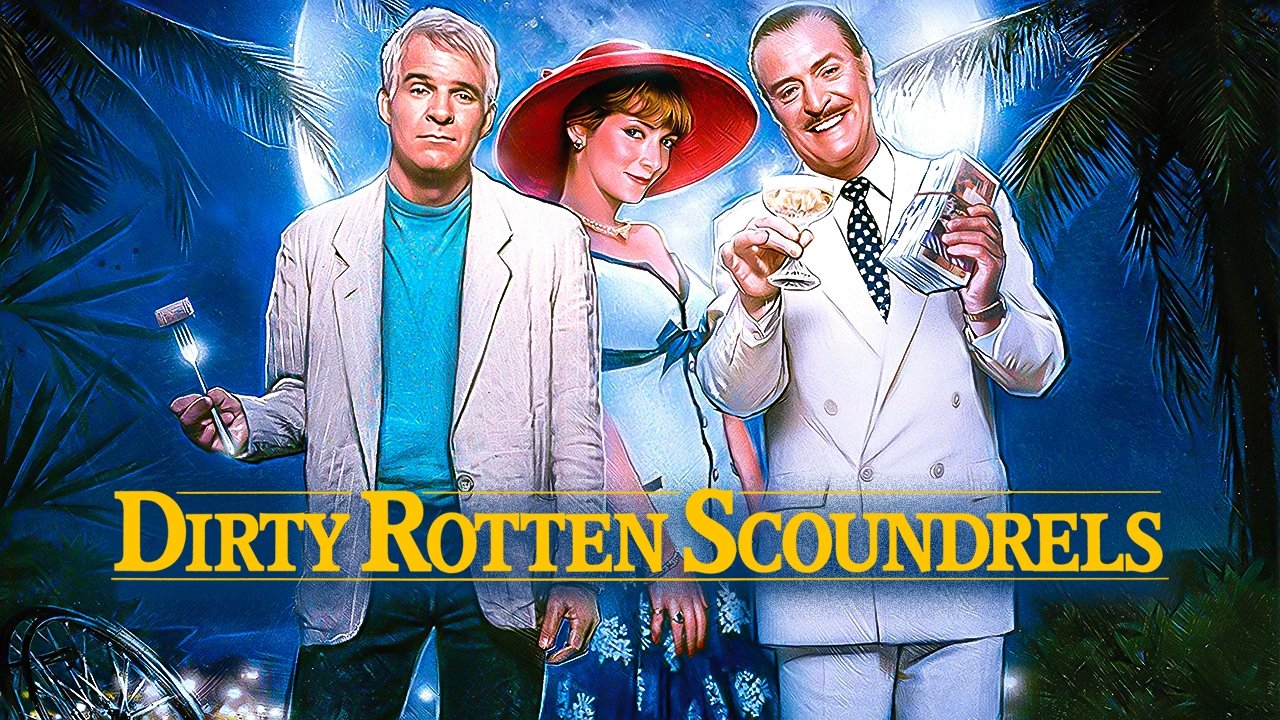
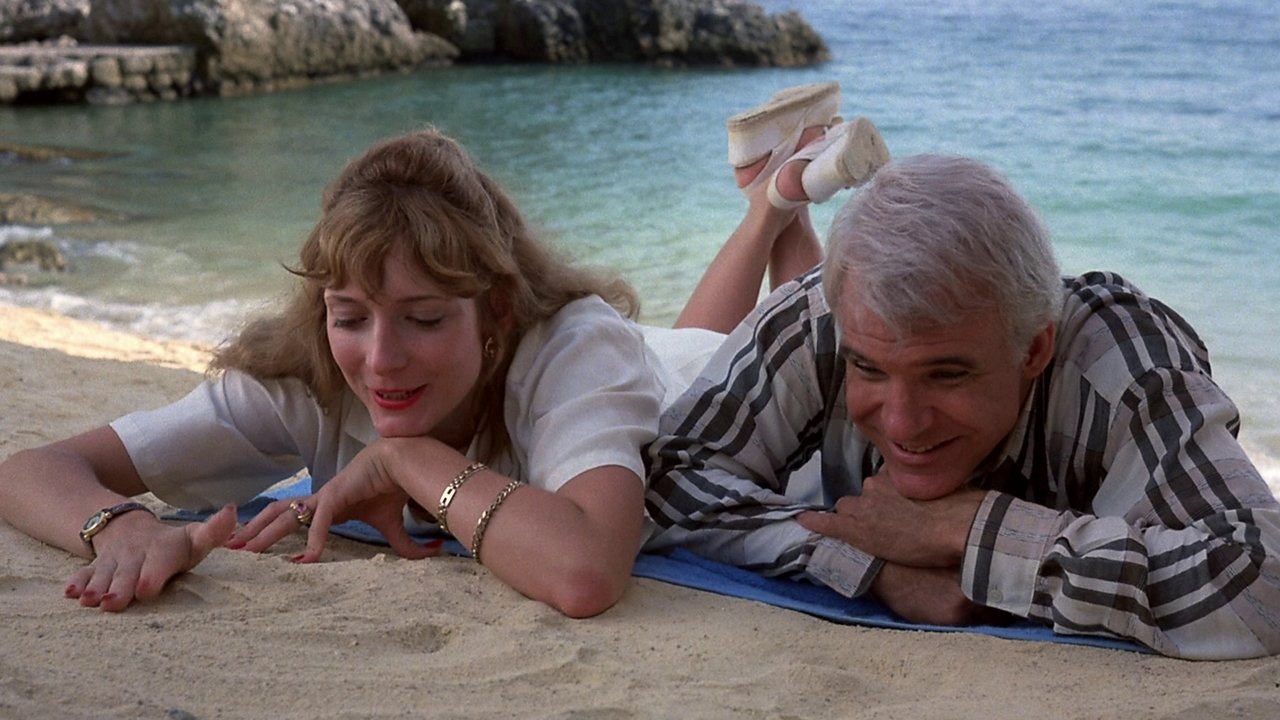
The introduction of Glenne Headly as Janet Colgate, the "United States Soap Queen," changes the entire geometry of the film. Headly plays Janet with a wide-eyed innocence that is so pure it’s almost suspicious, providing the perfect "mark" for two men who think they’ve seen it all. The way the movie handles her character is a testament to the era’s ability to weave genuine mystery into its laughs. It’s not just about who gets the money; it’s about the ego of the artist.
The VHS Charm and the Riviera Vibe
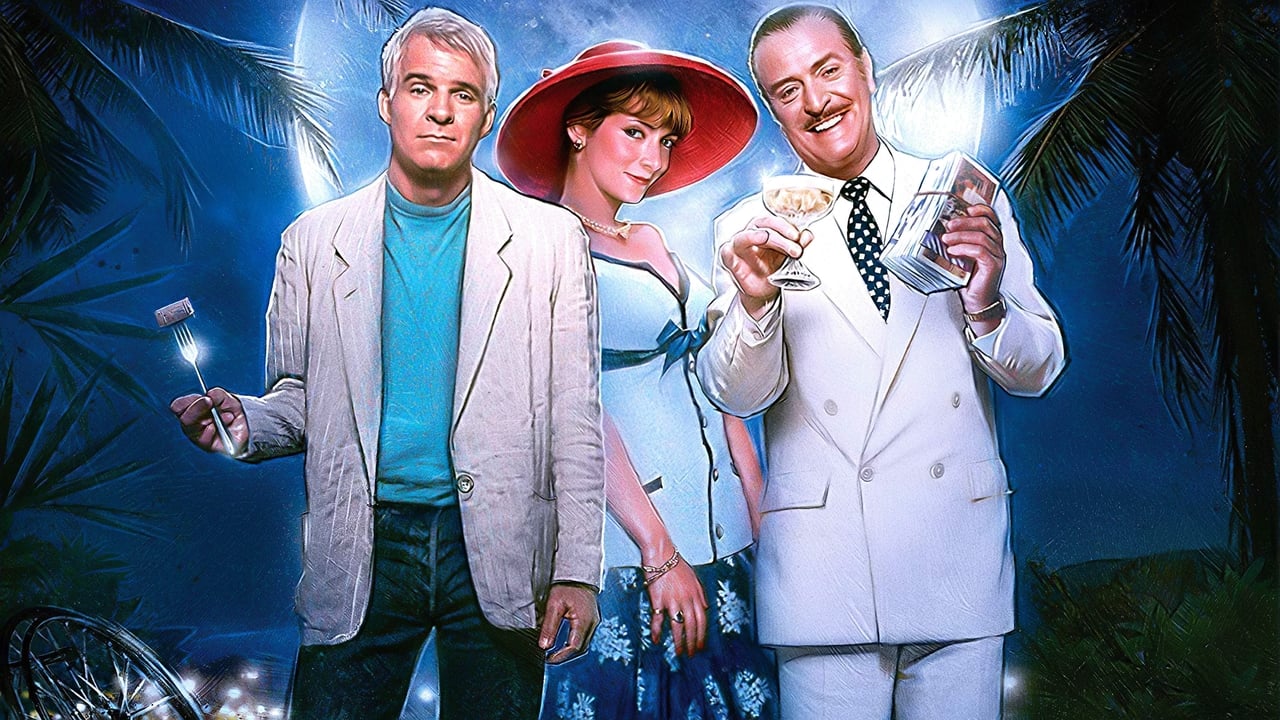
If you’re of a certain age, you likely remember seeing the box art for this in every Blockbuster or Mom-and-Pop video store across the country. It was a staple of the "Comedy" section, usually sandwiched between A Fish Called Wanda and Coming to America. The film has a specific visual texture—thanks to cinematographer Michael Ballhaus—that feels warm and expensive. Even on a worn-out magnetic tape, the Mediterranean blues and the crisp whites of the wardrobes popped off the screen.
There’s a legendary bit of trivia involving the casting of this film that sounds like a fever dream: the studio originally wanted Mick Jagger and David Bowie to play the leads. They had just done the "Dancing in the Street" video and were looking for a project together. As much as I would love to see an alternate universe where the Thin White Duke tries to swindle a soap heiress, the chemistry between Michael Caine and Steve Martin is irreplaceable. Caine’s "royal" persona provides the perfect friction for Martin’s "idiot" persona, especially during the famous scene where Freddy is masquerading as a psychosomatically paralyzed veteran.
Why It Still Works
A lot of 80s comedies feel like they’re shouting at you, but Dirty Rotten Scoundrels has the confidence to whisper. Frank Oz, who had just come off Little Shop of Horrors, proves he is a master of timing. He knows exactly when to hold the camera on a reaction shot—watch Ian McDiarmid (yes, Emperor Palpatine himself!) as Lawrence’s butler, Arthur. His silent, judgmental stares are worth more than most actors' monologues.
The film also benefits from a lack of "dated" humor. While many of its contemporaries relied on synth-heavy scores and neon-soaked fashion that screams "1988," this movie opts for a more timeless, classical aesthetic. It feels like it could have been made in 1955 or 2025 without changing much of the DNA. It’s a movie about the fundamental human desire to be fooled by someone charming, and that never goes out of style. Trying to find a flaw in this movie is like trying to find a wrinkle in one of Michael Caine’s linen suits—it’s technically possible, but why would you want to?
Dirty Rotten Scoundrels is a rare specimen: a remake that vastly improves upon its source material and a comedy that actually rewards repeat viewings. It manages to be both cynical and lighthearted, a feat that few films since have been able to pull off with such grace. Whether you’re watching it for the first time or the fiftieth, the "Ruprecht" reveal and the final twist remain some of the most satisfying moments in 80s cinema. Grab a glass of something bubbly, put your feet up, and let these two professionals lie to your face for two hours. You’ll be glad they did.
Keep Exploring...
-
Clue
1985
-
Crimes and Misdemeanors
1989
-
Little Shop of Horrors
1986
-

Murder by Death
1976
-
Beverly Hills Cop
1984
-

Raising Arizona
1987
-

The Naked Gun: From the Files of Police Squad!
1988
-

Midnight Run
1988
-
Turner & Hooch
1989
-
Weekend at Bernie's
1989
-

A Fish Called Wanda
1988
-
Heathers
1989
-
The Outsiders
1983
-

Fright Night
1985
-
Mississippi Burning
1988
-
The Sting
1973
-
48 Hrs.
1982
-

Blood Simple
1985
-
Manhunter
1986
-

Bowfinger
1999