Frantic
"A missing wife, a wrong suitcase, and the wrong city."
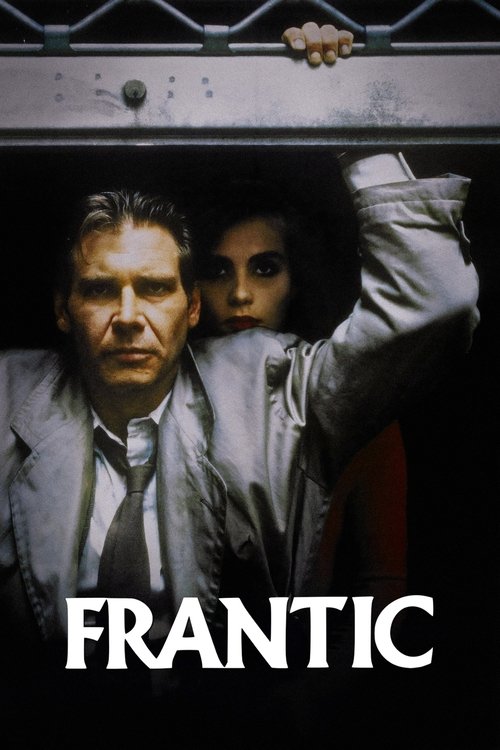
Imagine you’ve just landed in Paris after a grueling flight. You’re jet-lagged, you’re in a city where you don't speak the language, and all you want is a shower and a nap. You hop in the shower, and when you step out, your wife is gone. No note, no struggle, just an empty hotel room and a suitcase that isn’t yours. That is the nightmare fuel Roman Polanski feeds us in the opening minutes of Frantic, and I don't think I've ever felt more secondhand anxiety from a film.
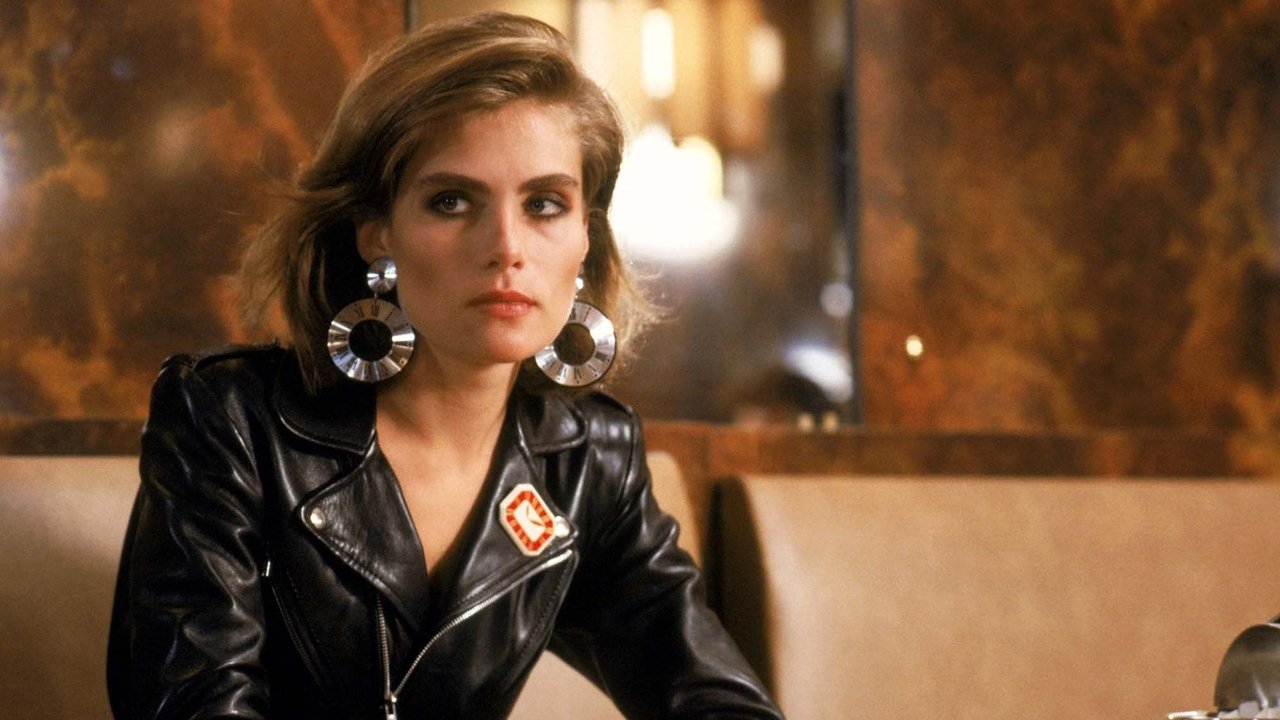
I watched this recently on a Tuesday night while procrastinating on my taxes, and the smell of the vanilla candle my roommate lit was weirdly distracting during the sweaty nightclub scenes, but even that couldn't break the tension. This isn't the Paris of postcards; it’s a cold, bureaucratic, and increasingly dangerous labyrinth.
The Everyday Hero in Over His Head
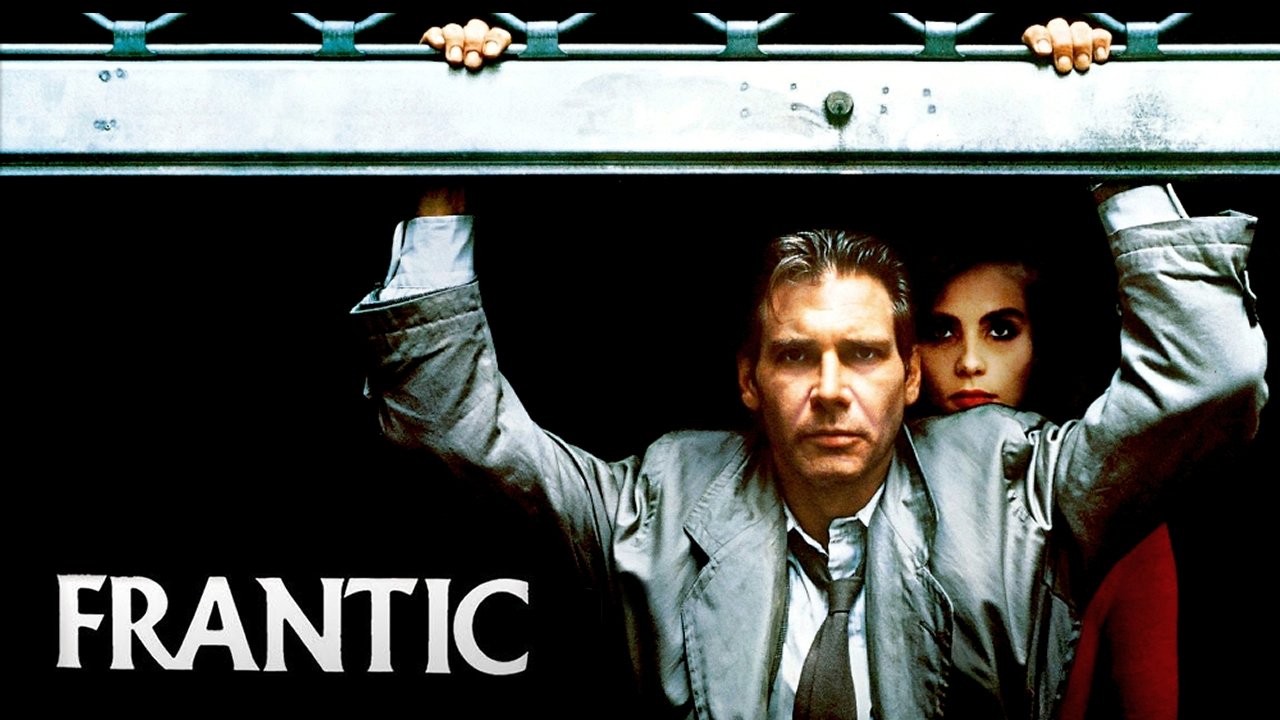
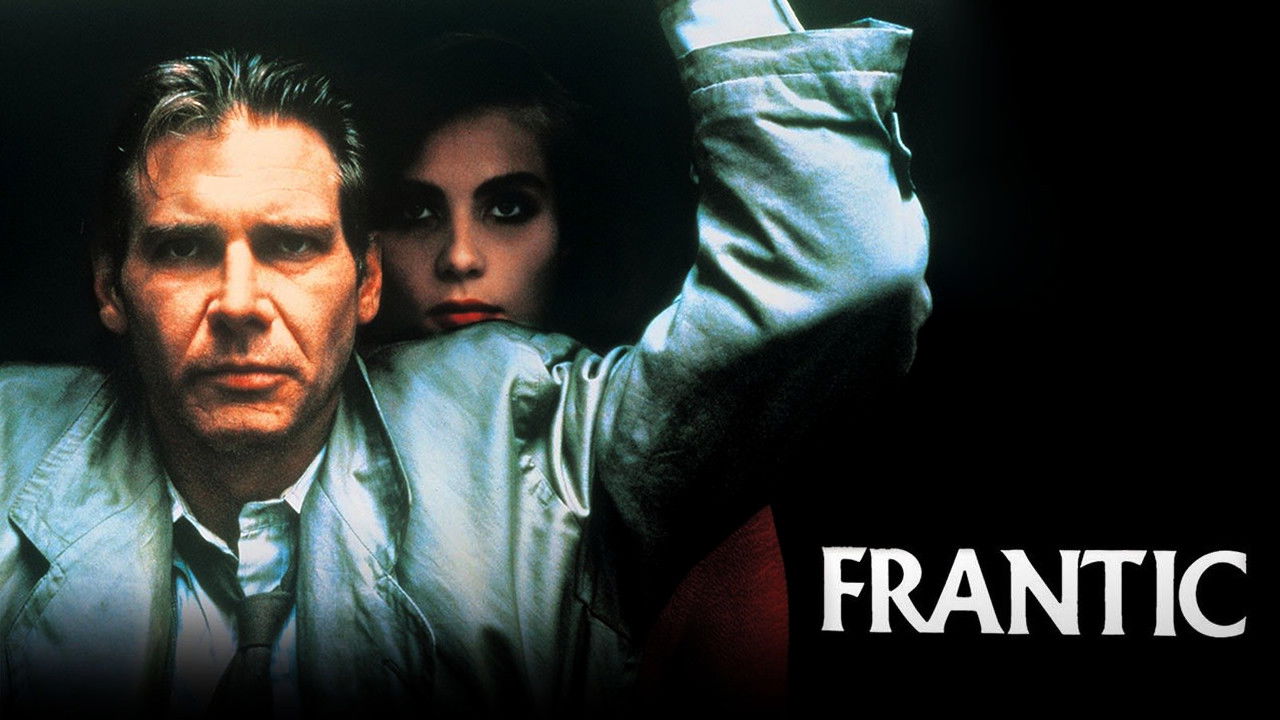
What makes Frantic such a fascinating watch today—and why it’s a crime that it has slipped into the "obscure" bin of 1980s cinema—is Harrison Ford. In 1988, Ford was the king of the world. He was Han Solo and Indiana Jones. Audiences expected him to punch his way through problems. But here, as Dr. Richard Walker, he’s just a guy. He’s a cardiothoracic surgeon who is completely out of his element.
Ford’s best performance is when he’s just a tired guy who needs a shower. There’s a scene early on where he’s trying to explain his missing wife to a hotel manager and a dismissive police officer, and you can see the sheer, exhausting frustration on his face. He isn't a superhero; he’s a man experiencing a slow-motion breakdown. I love that Polanski keeps him grounded. When Walker has to climb across a steep Parisian roof, he doesn't do it with the grace of a stuntman; he looks terrified, slipping and clutching at the zinc tiles like any of us would. It’s a drama that values human vulnerability over cinematic bravado.
A Masterclass in Hitchcockian Tension
If you’re a fan of Alfred Hitchcock, Frantic feels like a spiritual successor to The Man Who Knew Too Much or North by Northwest. It’s a "wrong man" story where the McGuffin—a miniature Statue of Liberty containing a nuclear trigger—is almost secondary to the emotional desperation of a husband looking for his wife.
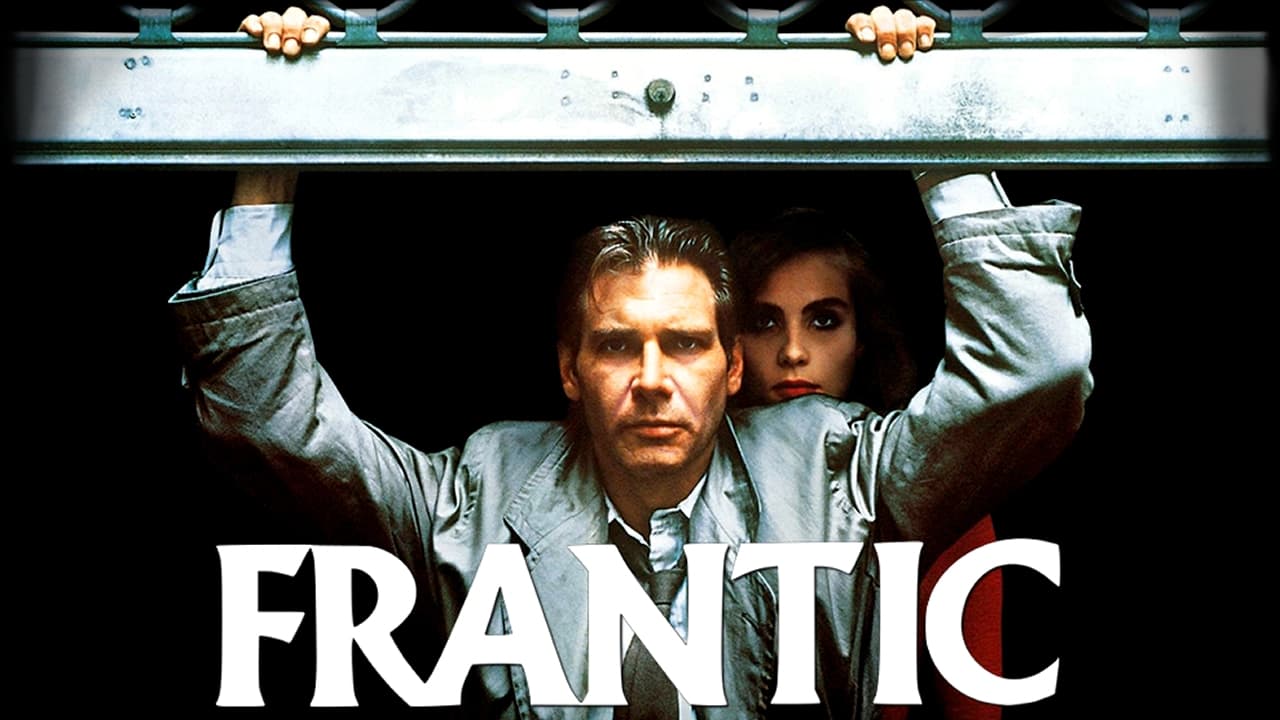
The film is bolstered by an incredible, moody score by Ennio Morricone (famous for The Good, the Bad and the Ugly). Instead of his usual sweeping western themes, Morricone delivers a pulsing, accordion-laced soundtrack that feels like the heartbeat of a rainy Paris street. It’s seductive and sinister all at once. Then you have Emmanuelle Seigner as Michelle, the "defiant waif" who owns the mystery suitcase. She’s the perfect foil to Ford’s straight-laced doctor—a leather-jacketed club kid who knows the underworld Walker is forced to navigate. Their chemistry is prickly and uncomfortable, exactly as it should be when a heart surgeon is forced to hang out in drug-fueled discos to save his marriage.
Why Did This Movie Vanish?
It’s strange to think a movie starring Harrison Ford at his peak could be considered "forgotten," but Frantic suffered at the box office. It cost $20 million to make and didn’t even recoup that in its initial run. I suspect it was a victim of expectations. In the late 80s, the "High Concept" blockbuster was king. People wanted Lethal Weapon or Die Hard. They didn't necessarily want a slow-burn, European-style thriller where the protagonist spends a large portion of the film filling out triplicate forms and arguing with bureaucrats.
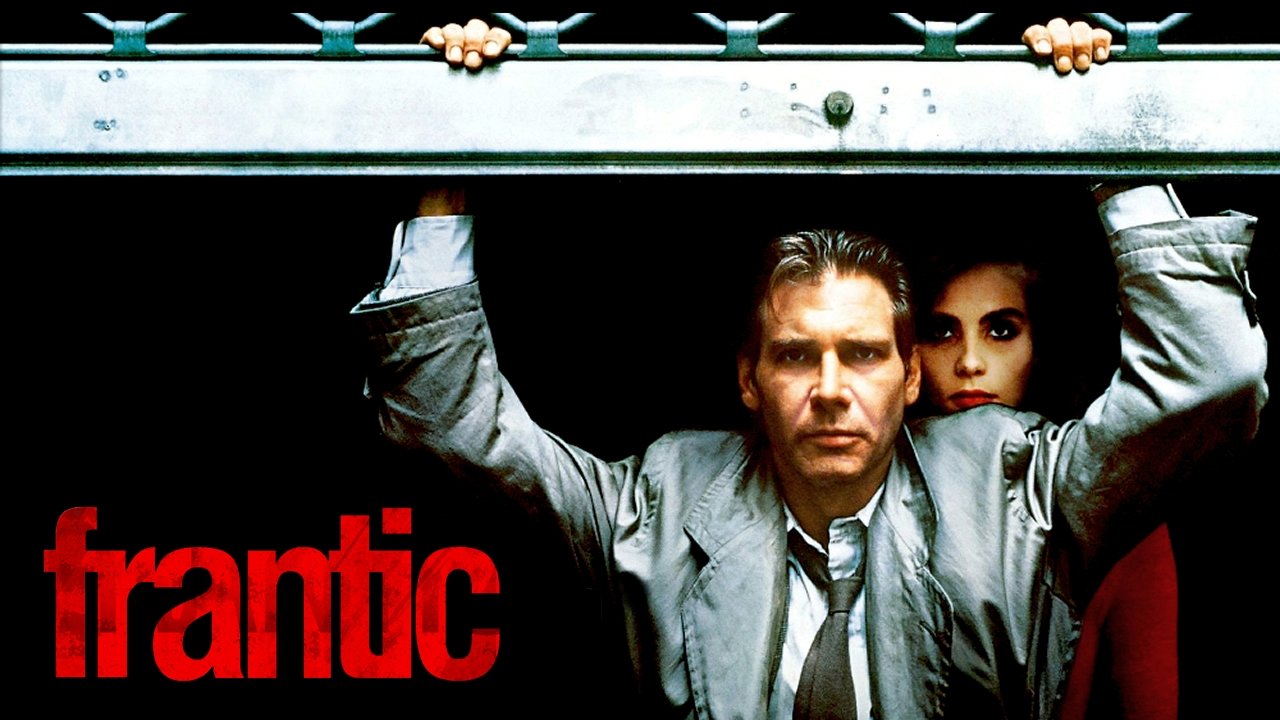
The home video era gave it a second life, though. I remember seeing the VHS box at my local rental shop—the one with Ford’s face looking intensely worried against a blue-tinted Parisian backdrop. The tagline "Danger. Desire. Desperation." promised a steamy thriller, but the movie is actually much smarter and more clinical than the marketing suggested. Apparently, the studio was so nervous about the film's pacing that they pushed for a more action-oriented edit, but Polanski held his ground. The result is a film that feels authentically "un-Hollywood," which is exactly why it’s worth digging up today.
Stuff You Might Not Know
If you look closely at the "Wino" who helps Walker in the alley, that’s Dominique Pinon, a legend of French cinema you might recognize from Delicatessen or Amélie. Also, keep an ear out for the song "I've Seen That Face Before (Libertango)" by Grace Jones, which plays during a pivotal scene in a nightclub. It perfectly captures the film’s vibe: chic, slightly alien, and deeply rhythmic.
Interestingly, this was the film where Polanski met Emmanuelle Seigner, who would become his longtime collaborator and wife. You can tell the camera is fascinated by her; she brings a chaotic energy that keeps the middle act of the film from feeling too procedural. It’s also one of the few times we get to see John Mahoney (the dad from Frasier) playing a government official who is just as unhelpful as the French police.
Frantic is a gem that deserves to be pulled out of the shadows. It’s a reminder that Harrison Ford didn’t always need a whip or a blaster to be the most compelling person on screen. It captures a specific late-80s aesthetic—that rainy, neon-soaked, synth-driven atmosphere—and pairs it with a timeless story of a man pushed to his absolute limit. It’s the kind of movie that makes you double-check your luggage at the airport and hold your partner’s hand just a little bit tighter. If you can find a copy, or catch it on a streaming service, turn off the lights, ignore your taxes, and get lost in Paris for two hours. Just maybe skip the vanilla candle.
Keep Exploring...
-
The Tenant
1976
-
Mississippi Burning
1988
-
Chinatown
1974
-
Witness
1985
-

Repulsion
1965
-
The Outsiders
1983
-
Body Double
1984
-
Clue
1985
-
Cocoon
1985
-
The Name of the Rose
1986
-
Crimes and Misdemeanors
1989
-
Lock Up
1989
-
An Officer and a Spy
2019
-
Blood Simple
1985
-
The Killer
1989
-
Glengarry Glen Ross
1992
-
Batman: Mask of the Phantasm
1993
-
Oliver Twist
2005
-
In the Heat of the Night
1967
-

The Conversation
1974