Grave of the Fireflies
"The most beautiful way to have your heart broken."
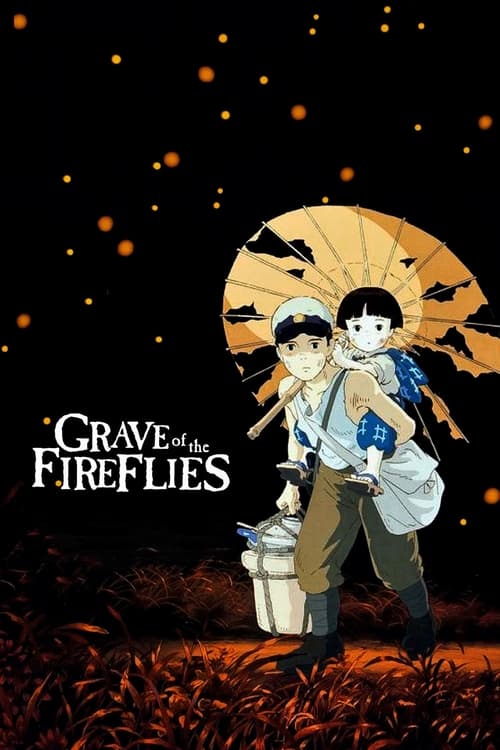
I remember the first time I sat down to watch Grave of the Fireflies. I was eating a slightly stale rice cracker I’d found in the back of the pantry, and about twenty minutes into the film, the sound of my own chewing started to feel like a profound disrespect to the silence on screen. I put the cracker down. I didn't finish it. By the time the credits rolled in that haunting, oppressive quiet, I felt like I shouldn't be allowed to eat anything ever again.
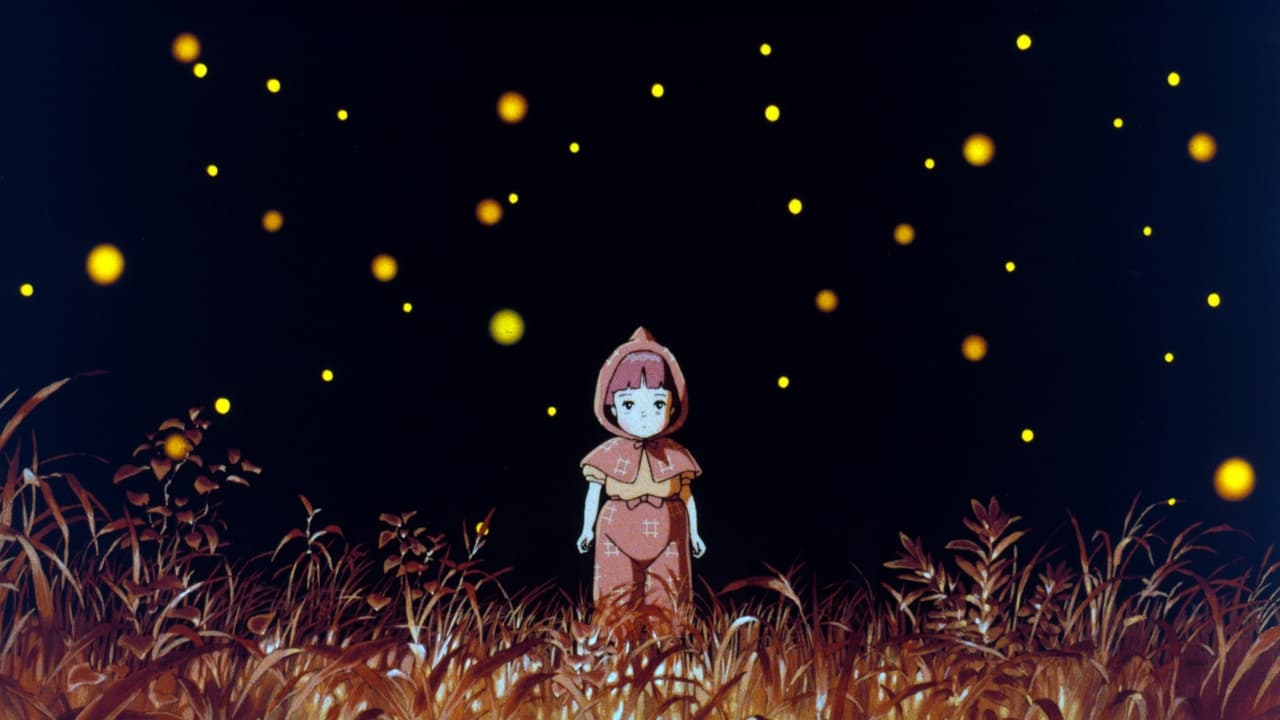
It is a common refrain in cinephile circles that Isao Takahata’s 1988 magnum opus is the greatest movie you will only ever watch once. It sits in a strange, hollowed-out corner of Studio Ghibli’s filmography—a far cry from the whimsical spirits of Hayao Miyazaki. While Miyazaki was building worlds of wind and magic, Takahata was using the medium of animation to do something much more dangerous: he was telling the absolute, unvarnished truth about what happens to children when the adults decide to go to war.
The Double Feature from Hell
There is a legendary piece of film history that I find endlessly fascinating: when Grave of the Fireflies was originally released in Japanese theaters in 1988, it was screened as a double feature with My Neighbor Totoro. Imagine the whiplash. You spend eighty minutes falling in love with a giant, fluffy forest spirit, and then you are immediately plunged into the fire-bombed ruins of Kobe. It was a commercial disaster at the time—parents reportedly walked out with their traumatized children—but it solidified the film’s status as a "prestige" project that refused to play by the rules of "cartoons."
In the West, the film’s reputation grew through the burgeoning VHS revolution of the late 80s and early 90s. I’ve heard stories of people renting this from the "Animation" section of their local Mom-and-Pop video store, expecting something akin to The Last Unicorn, only to be left staring at a static TV screen in a catatonic state for an hour after the tape stopped. The box art often played up the "fireflies" aspect, making it look like a gentle fairy tale, which is the cinematic equivalent of a Trojan Horse filled with pure sorrow.
The Pride of the Abandoned
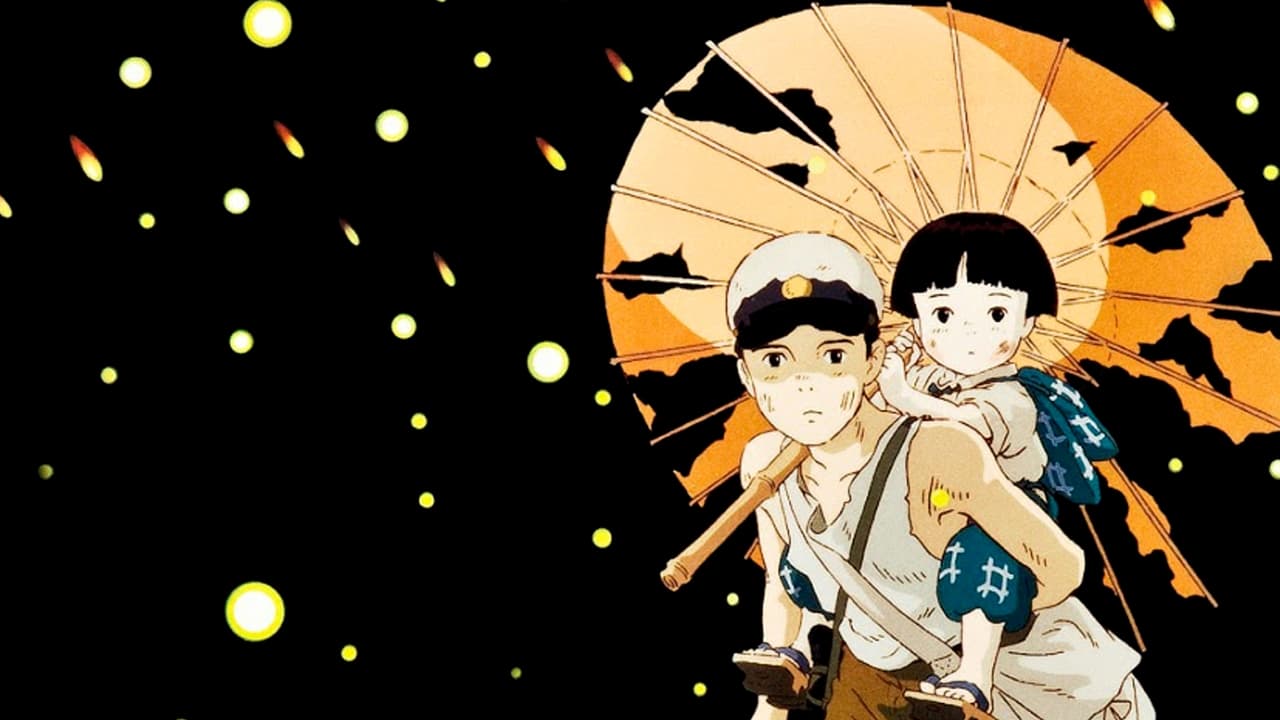
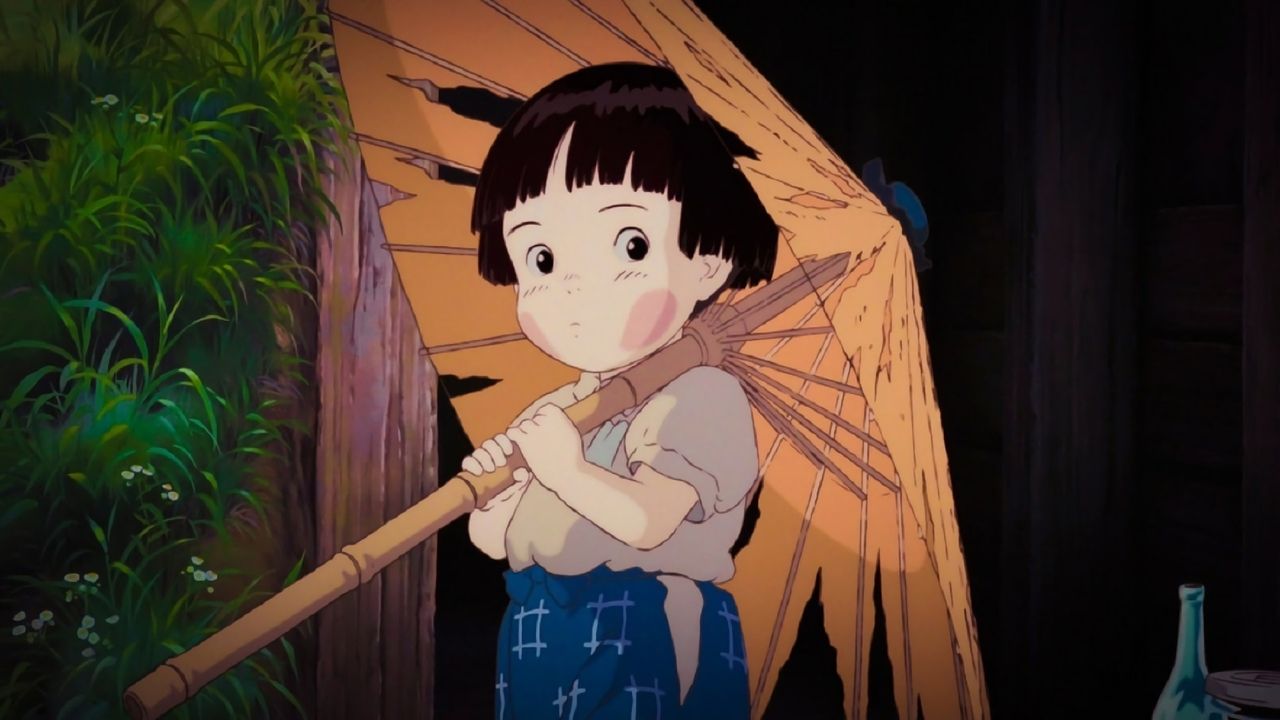
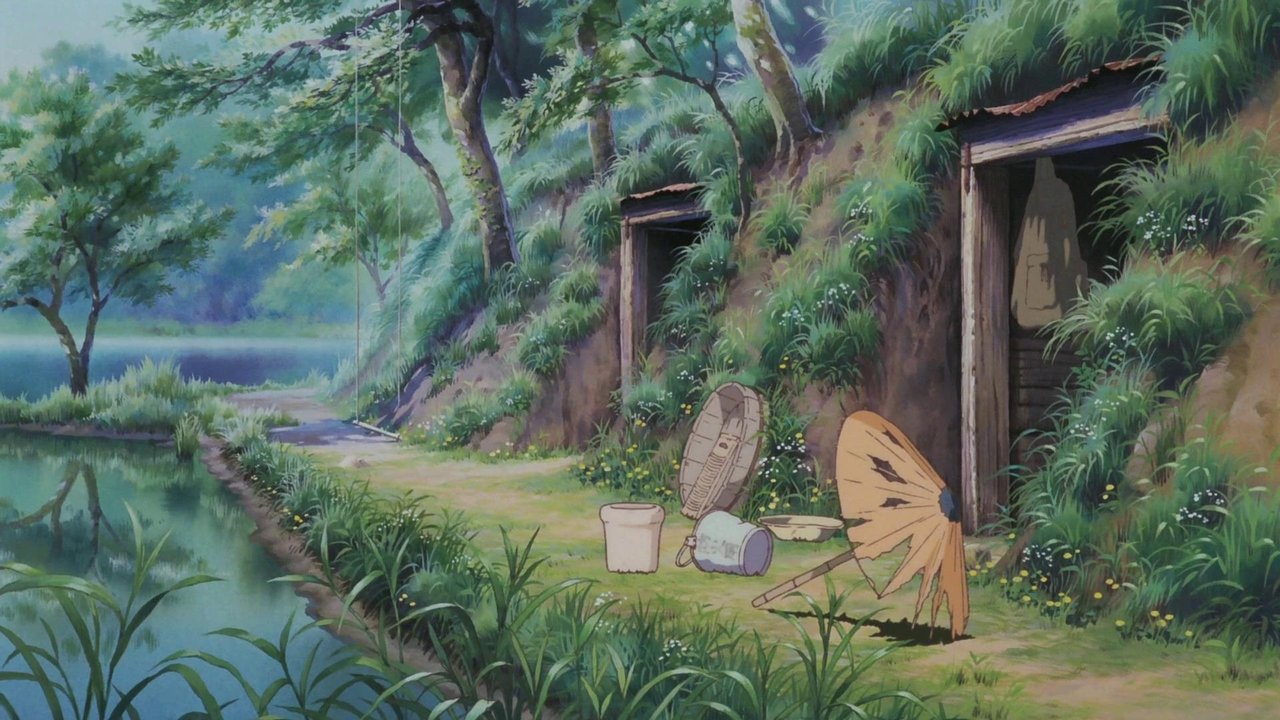
The story follows 14-year-old Seita (Tsutomu Tatsumi) and his 4-year-old sister Setsuko (Ayano Shiraishi). After their mother is killed in a napalm raid, they end up staying with an aunt who grows increasingly resentful of the "dead weight" they represent in a time of rationing. Seita, fueled by a mixture of teenage pride and a desperate need to protect his sister’s innocence, decides they can make it on their own in an abandoned bomb shelter.
What makes this drama so effective isn't just the tragedy, but the nuance of the characters. Seita isn't a perfect hero; his refusal to swallow his pride and apologize to his aunt is arguably what seals their fate. Takahata doesn't offer us a villain to hate—even the "cruel" aunt is just a woman trying to keep her own family alive during a famine. It’s a morally gray landscape where everyone is just trying to survive the next ten minutes.
The animation by Studio Ghibli is staggering, particularly in how it handles light. The "fireflies" of the title aren't just insects; they are the sparks of the incendiary bombs falling from the sky, and they are the fleeting, glowing spirits of the dead. There’s a scene where the siblings watch a naval review in their heads, a memory of their father’s ship, and the way the red light bathes the screen is both gorgeous and terrifying.
A Legacy of Guilt and Candy Tins

The film is based on a semi-autobiographical novel by Akiyuki Nosaka, who actually lived through the 1945 firebombing of Kobe. Nosaka wrote the book as a way to process the immense guilt he felt over the death of his own sister; unlike Seita, who tries his best, Nosaka admitted to being much harsher to his sister in real life. Knowing that this isn't just a "war story" but a public confession of survivor's guilt gives the film a weight that most live-action war movies can't touch.
Interestingly, the iconic fruit drop tin featured in the film became a massive cultural artifact. The company that made them, Sakuma Seika, actually saw a surge in sales because of the movie, and they released special "Grave of the Fireflies" tins for decades. It’s a bit macabre when you think about it—selling candy based on a movie about starvation—but it speaks to how deeply this film is woven into the Japanese consciousness.
Critically, the film was a "prestige" darling, though it was famously snubbed by the Academy (back when they still thought animation was just for kids). Roger Ebert later called it one of the most powerful war films ever made, placing it alongside Schindler’s List. He wasn't wrong.
If you have never seen Grave of the Fireflies, you owe it to your soul to watch it—but maybe clear your schedule for the rest of the day. It’s a film that demands your full attention and offers no easy comforts in return. It’s a reminder that animation can reach depths of human emotion that live-action often skims over. It is beautiful, it is essential, and it is absolutely devastating. If you didn't cry, you might actually be a replicant. Just remember to put your snacks away before you start; you won't want them.
Keep Exploring...
-

Full Metal Jacket
1987
-
Barry Lyndon
1975
-
The Deer Hunter
1978
-

Apocalypse Now
1979
-
Kiki's Delivery Service
1989
-
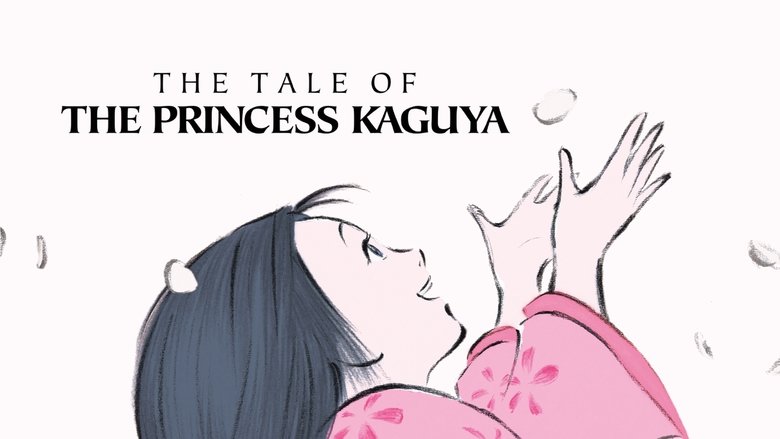
The Tale of The Princess Kaguya
2013
-
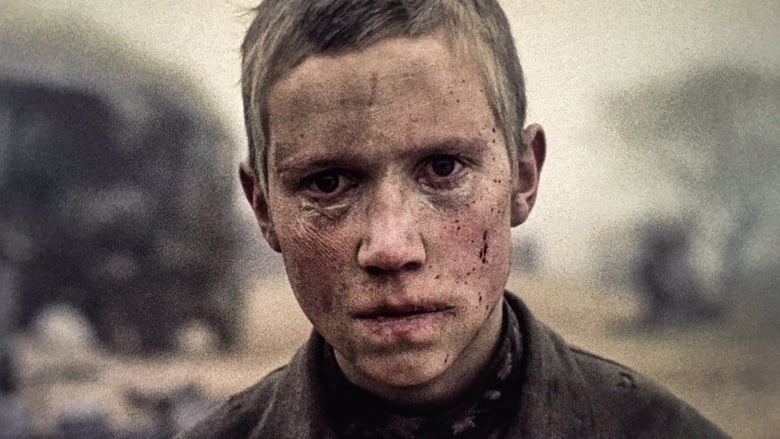
Come and See
1985
-

Platoon
1986
-
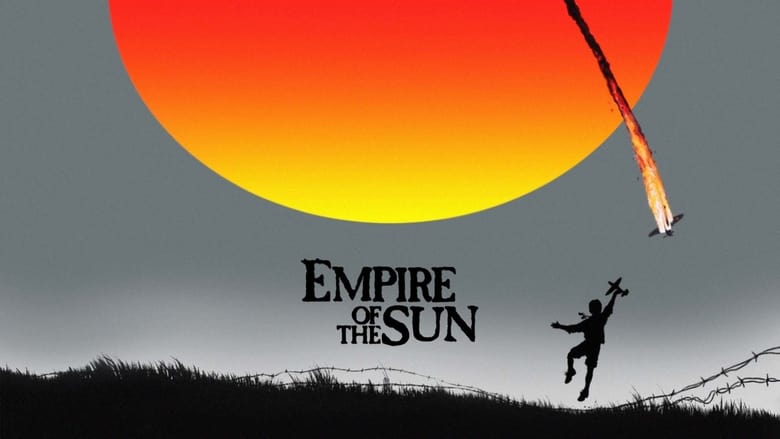
Empire of the Sun
1987
-
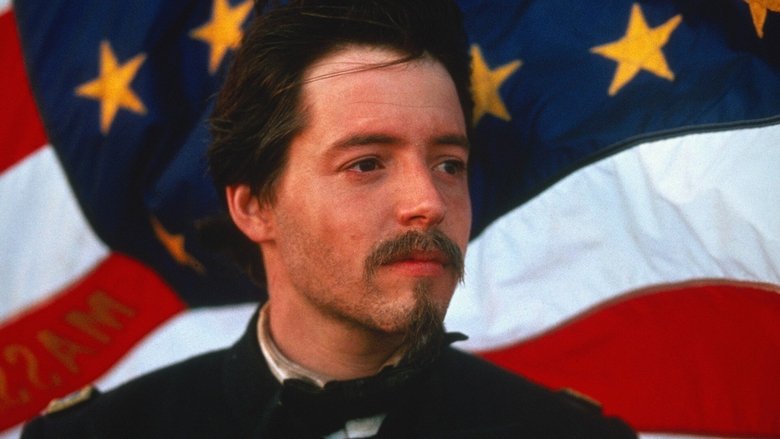
Glory
1989
-
The Great Escape
1963
-
Scarface
1983
-

Once Upon a Time in America
1984
-
Stand by Me
1986
-

Only Yesterday
1991
-
Spartacus
1960
-
The Longest Day
1962
-
Doctor Zhivago
1965
-
Patton
1970
-
Das Boot
1981