Hellbound: Hellraiser II
"Hell is a maze, and the doctor is in."
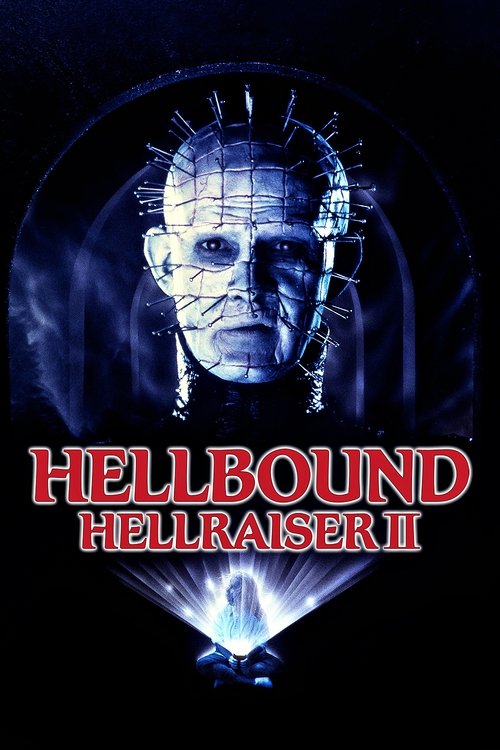
By 1988, the "horror sequel" had largely devolved into a predictable formula of masked killers and high school body counts, but Hellbound: Hellraiser II decided to ignore the map entirely and drive straight into the abyss. While its predecessor was a claustrophobic, sweat-drenched domestic noir set in a damp London attic, Hellbound blows the doors off the hinges. It is an ambitious, messy, and visually staggering descent into a gothic underworld that feels less like a movie and more like a fever dream you’d have after eating too much sharp cheddar before bed.
I watched this most recently while trying to fold a particularly stubborn fitted sheet, and I eventually just gave up and sat on the floor with the half-folded laundry because the geometry of the Labyrinth on screen was somehow less confusing than my own chores.
Beyond the Attic Floorboards
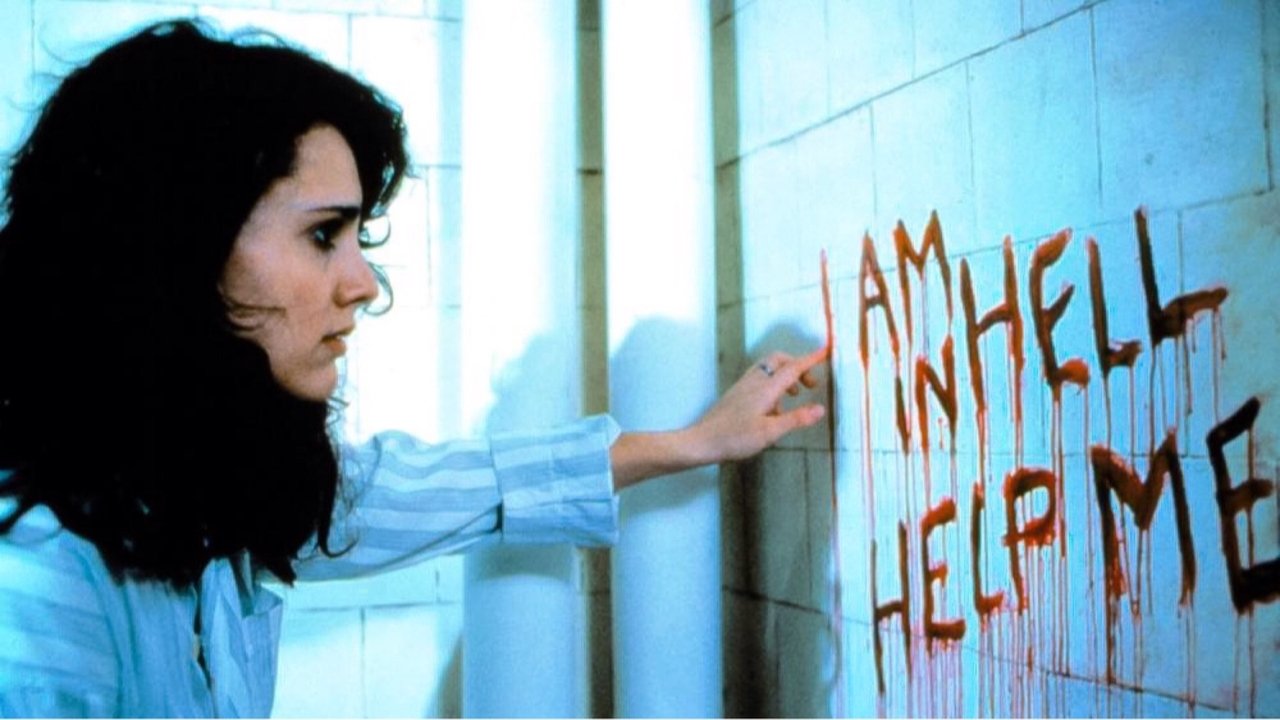
Picking up mere hours after the first film, we find Ashley Laurence returning as Kirsty Cotton. She’s confined to a psychiatric ward, which is the standard "Final Girl" tax paid in the 80s, but the film doesn't leave her there for long. The sequel moves the goalposts from "surviving a monster" to "exploring the monster’s home office."
What makes Hellbound a standout of the late 80s VHS era isn't just the gore—though there is enough of it to paint a mid-sized cathedral—it’s the world-building. Tony Randel, taking the reins from Clive Barker, worked with a relatively slim $3 million budget to create a vision of Hell that wasn’t just fire and pitchforks. Instead, we get an infinite, cold stone labyrinth overseen by Leviathan, a god that looks like a giant, rotating geometric diamond. It’s high-concept weirdness that felt radically different from the slasher repeats clogging the "Horror" aisle at the local rental shop.
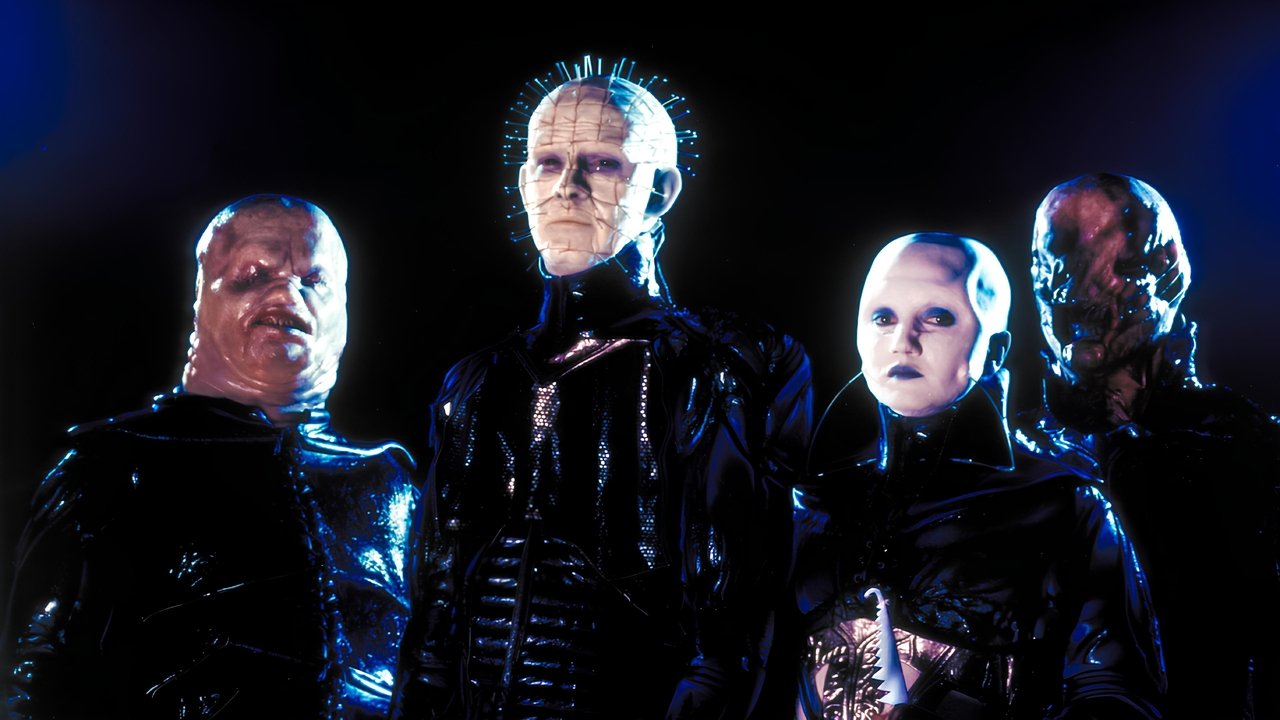
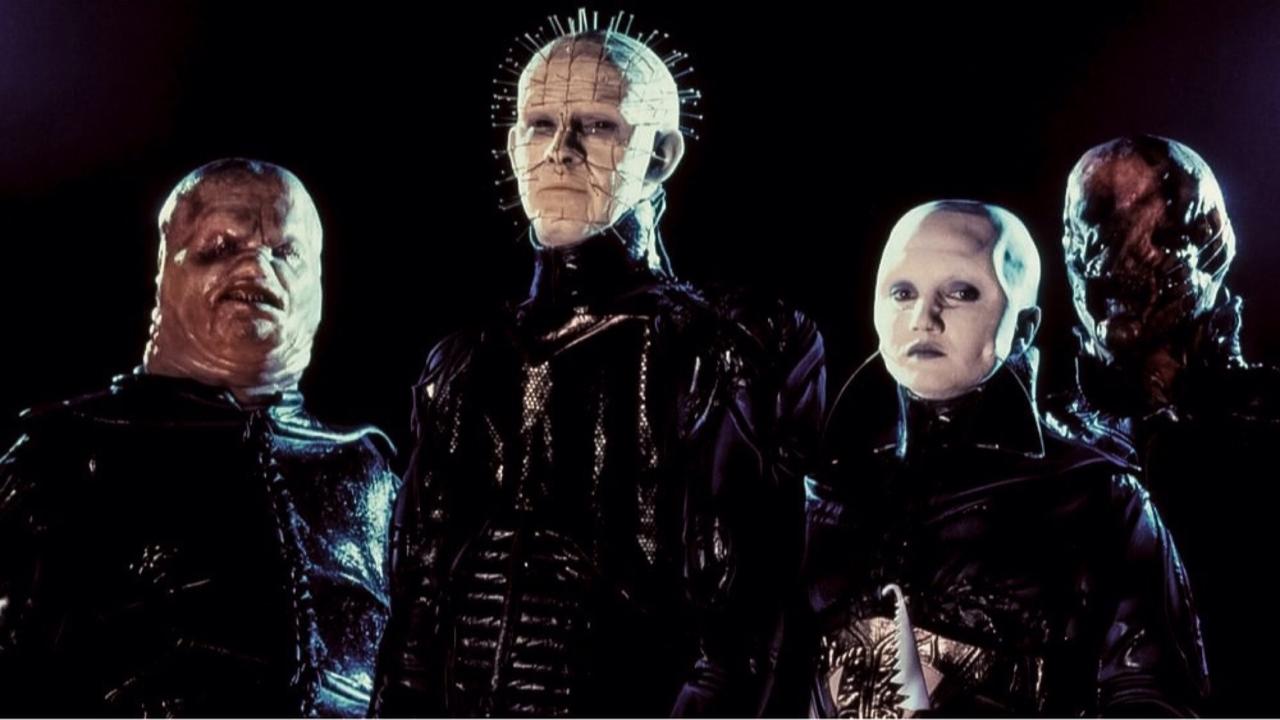
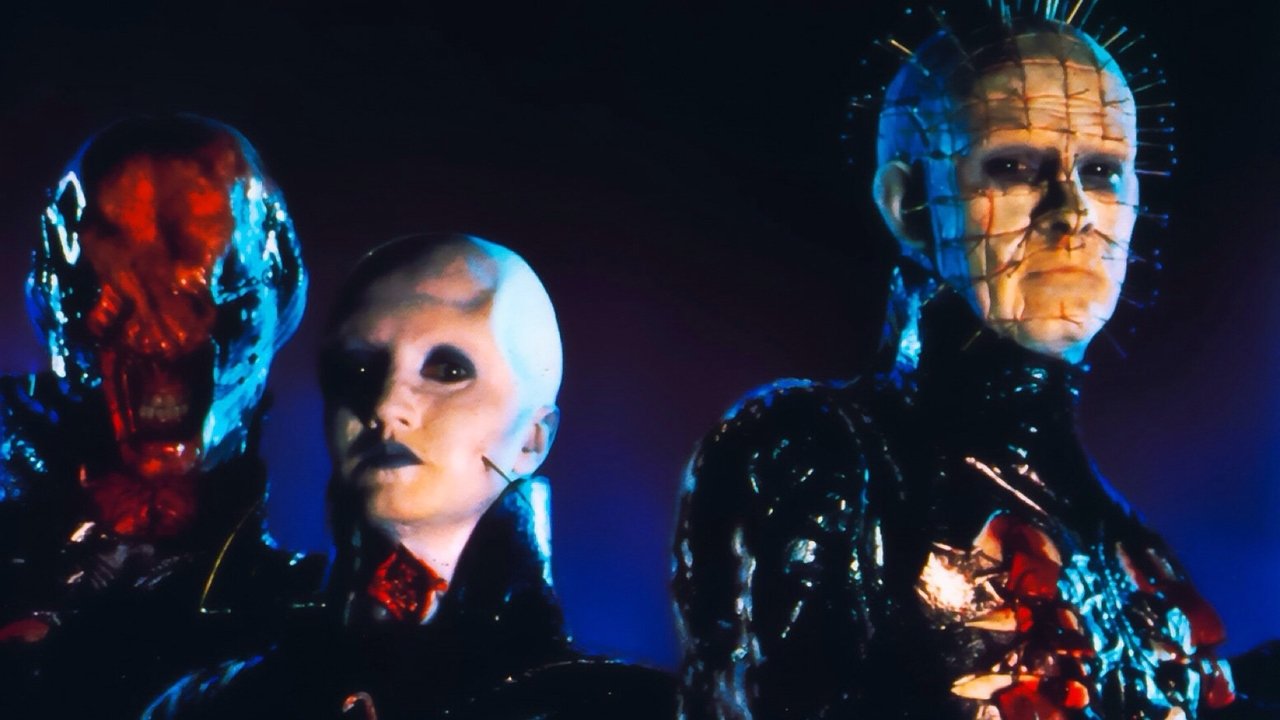
New World Pictures marketed this brilliantly for the home video market. I recall the specific artwork on the clamshell case—the image of Dr. Channard’s Cenobite form, with those horrific wires snaking into his skull. It promised a level of "unrated" intensity that the box art for Friday the 13th Part VII just couldn't match. The Cenobites are basically cosmic Goths who lost their way to a Bauhaus concert, and in this film, we finally get to see the humans they used to be, adding a tragic layer to the leather and chains.
The Red Queen of Hell
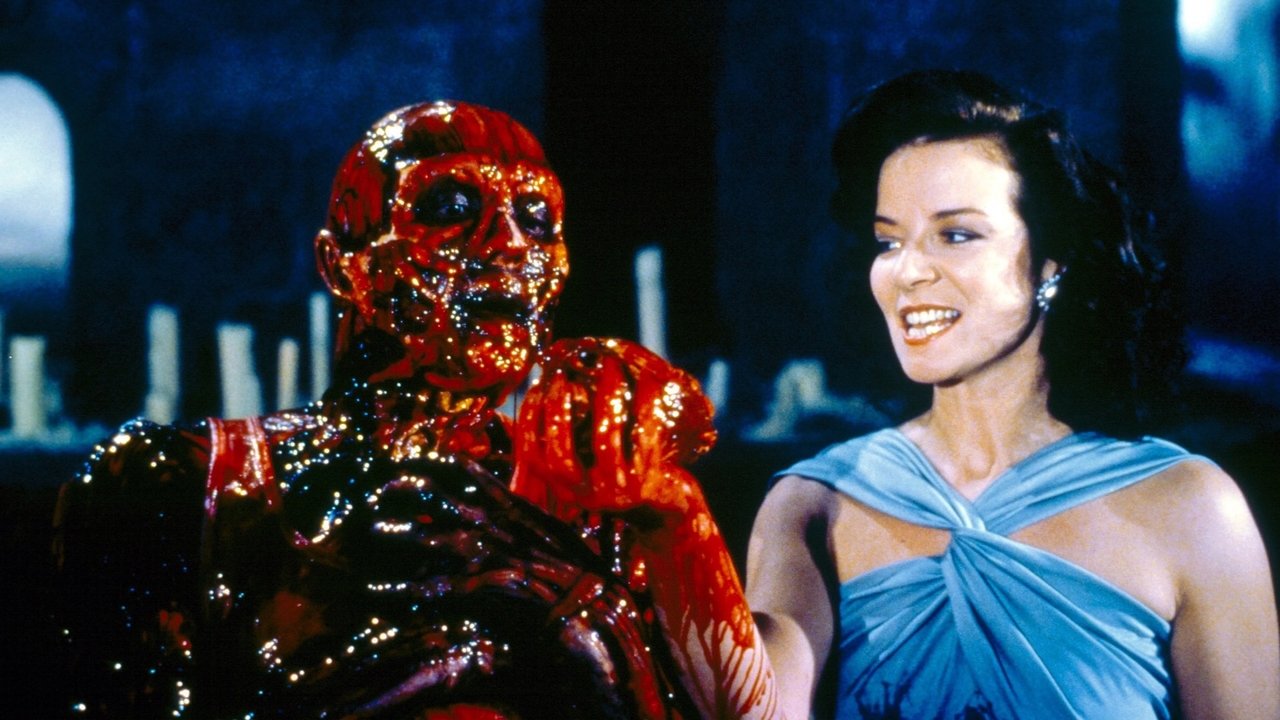
While Ashley Laurence provides the emotional stakes, the film belongs entirely to Clare Higgins as Julia Cotton. If the first film was about her transition from bored housewife to murderer, Hellbound turns her into a full-blown noir villainess in the afterlife. Her "resurrection" scene—emerging skinless from a blood-soaked mattress—is a triumph of practical effects that still makes me squirm.
Clare Higgins is essentially doing Shakespeare in a skinless suit, and she’s the only person in the room who seems to realize how campy and terrifying this is. Beside her, Kenneth Cranham plays Dr. Channard with a cold, predatory glee. When he eventually transforms into a Cenobite, the practical rigging used to suspend him from the ceiling by a giant serpent-like appendage is a peak example of pre-CGI ingenuity. The effects team at Image Animation, led by Bob Keen, managed to make a $3 million movie look like it cost five times that amount through sheer grit and buckets of fake blood.
Practical Nightmares and Production Hustle
The production stories behind Hellbound are a masterclass in independent resourcefulness. Because the budget was tight, the "Hell" sets were often just the same three or four hallways redressed and shot from different angles with heavy fog and dramatic lighting. They even reused pieces of the house from the first film to maintain continuity while saving pennies.
One of my favorite bits of trivia is that the "Pillar of Souls"—that gruesome totem pole of writhing bodies—was actually made of several actors and crew members covered in latex and slime, standing perfectly still for hours. It’s that kind of physical commitment that gives 80s horror its texture. You can feel the weight of the props and the stickiness of the sets.
The score by Christopher Young also deserves a massive shout-out. In an era where many horror films were moving toward cheap synth beats, Young delivered a massive, orchestral, and operatic sound. It elevates the film from a "gross-out sequel" to a dark epic. It’s the kind of music that makes a scene of a girl solving a puzzle box feel like the end of the world.
Hellbound: Hellraiser II is admittedly overstuffed. By the time we get to the third act, the plot starts to fray under the weight of its own mythology, and Imogen Boorman's character, Tiffany, feels a bit sidelined despite being the catalyst for the journey. However, as a relic of the golden age of practical effects and the VHS revolution, it is essential viewing. It’s a bold, imaginative swing that proves sequels don't have to be smaller or safer than the original. If you’re looking for a trip into the dark that values atmosphere and anatomy-defying makeup over jump scares, this is your ticket. Just don't expect to ever look at a mattress the same way again.
Keep Exploring...
-
Hellraiser
1987
-
Children of the Corn
1984
-
A Nightmare on Elm Street 3: Dream Warriors
1987
-
Phenomena
1985
-
Carrie
1976
-

The Hills Have Eyes
1977
-

Halloween II
1981
-
Peeping Tom
1960
-

Repulsion
1965
-
Don't Look Now
1973
-

Friday the 13th: The Final Chapter
1984
-
Friday the 13th Part VI: Jason Lives
1986
-

Cujo
1983
-
The Dead Zone
1983
-
Manhunter
1986
-
The Hitcher
1986
-
The Lost Boys
1987
-
A Nightmare on Elm Street 4: The Dream Master
1988
-

Halloween 4: The Return of Michael Myers
1988
-

The 'Burbs
1989