Killer Klowns from Outer Space
"In space, no one can hear you honk."
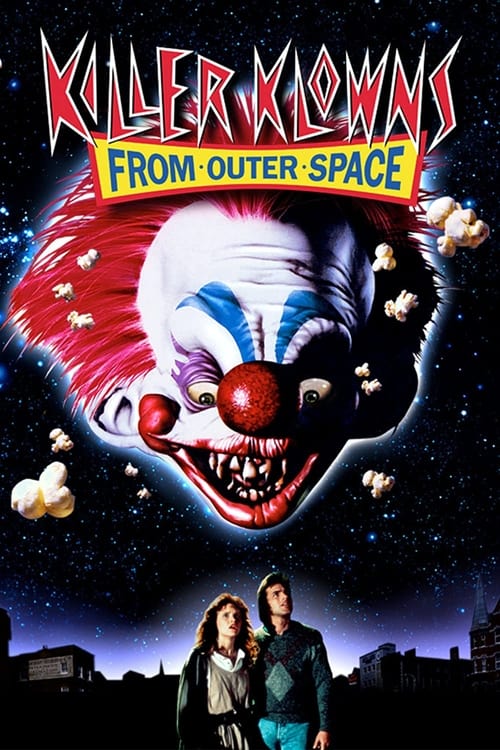
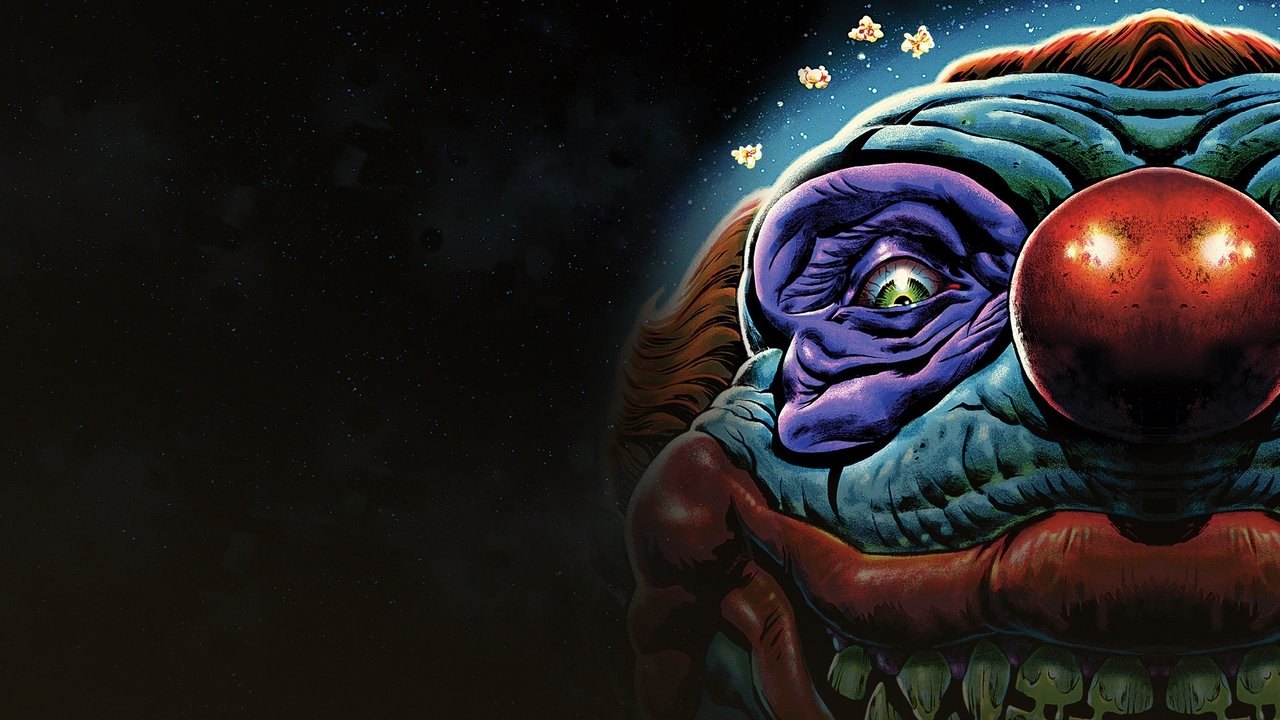
There is a specific kind of delirium that only 1980s independent horror can provide—a sense that the filmmakers were having so much fun that the celluloid itself might start giggling. I first encountered Killer Klowns from Outer Space not in a theater, but through the glowing neon portal of a Mom-and-Pop video rental shop in the early 90s. The box art was a masterstroke of marketing: a grotesque, vein-popping clown face that looked like it had been dipped in toxic waste and glitter. I remember holding that oversized plastic clamshell case, feeling a mix of genuine dread and "I have to see this" curiosity that simply doesn’t exist in the age of scrolling through thumbnails.
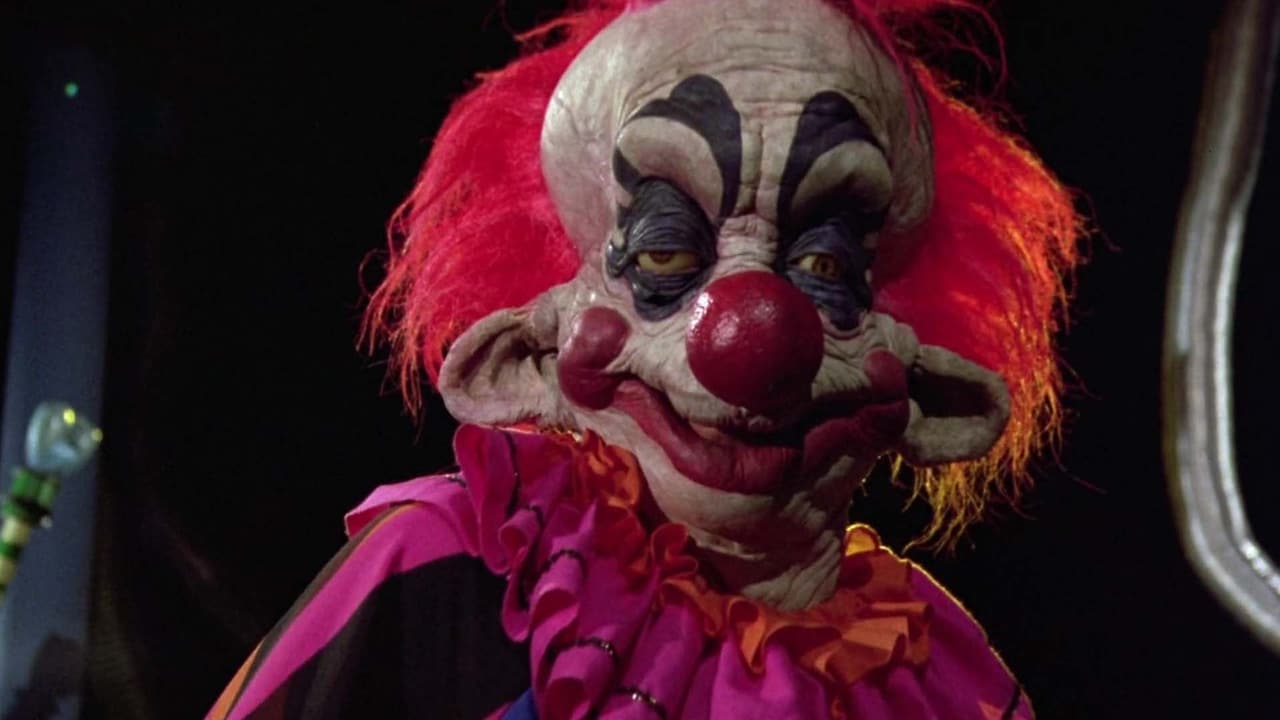
I once watched this while trying to fold a fitted sheet, and I eventually just gave up and sat on the floor with a bowl of lukewarm mac and cheese because the "shadow puppet" scene demands your full, undivided attention. It’s a film that refuses to be background noise.
The Chiodo Brothers’ Rubber Revolution
What makes Killer Klowns a perennial favorite isn’t just the "so bad it's good" irony that people often project onto 80s B-movies. It’s actually the craft. This was a passion project for the Chiodo Brothers (Stephen, Edward, and Charles), who were already legends in the practical effects world for their work on films like Critters (1986). Because they were effects artists first and directors second, they treated their $1.8 million budget like a holy challenge.
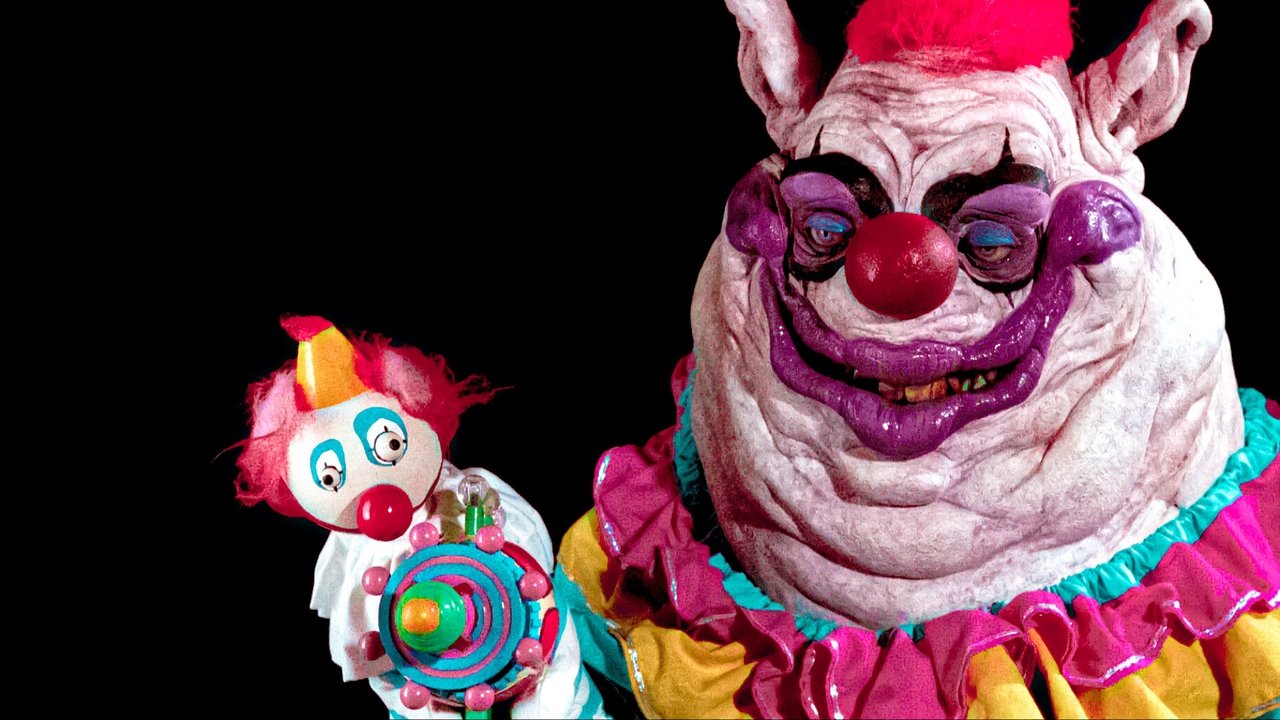
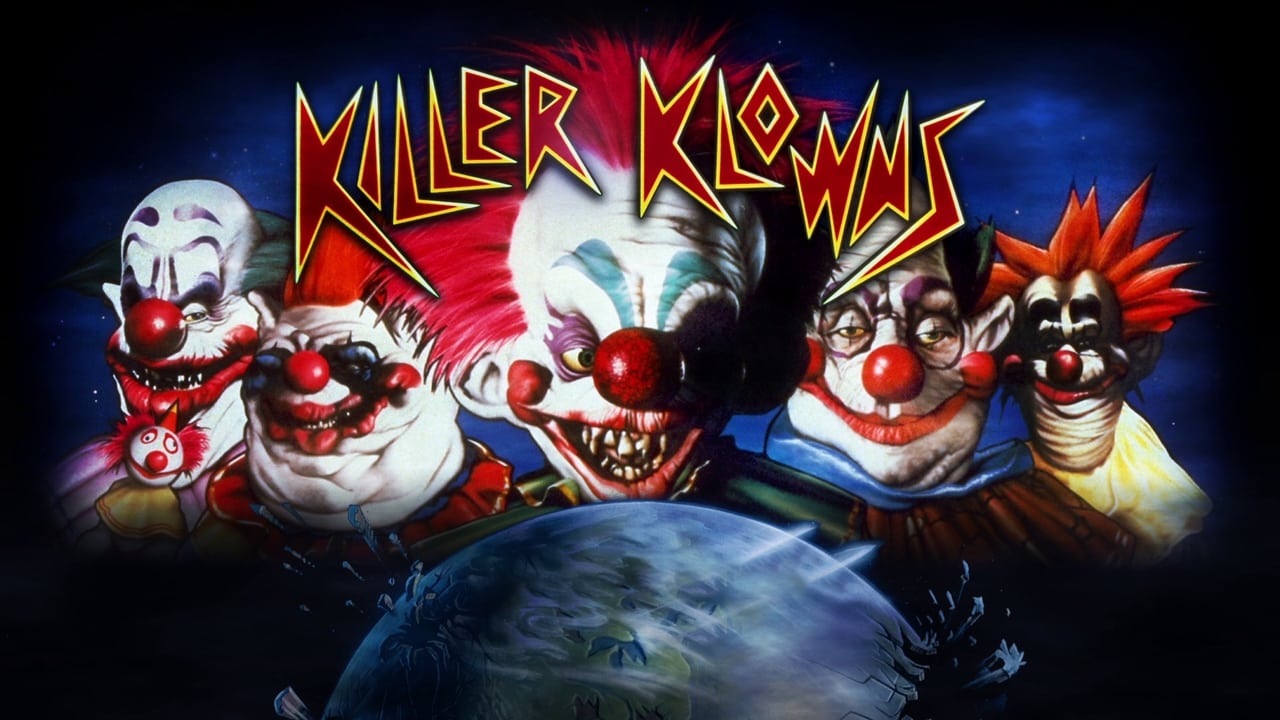
Every dollar is visible on the screen. The Klowns themselves are magnificent feats of creature design—not just actors in cheap masks, but elaborate animatronic suits with cable-controlled facial expressions that allow them to sneer, blink, and droop with unsettling fluidity. They manage to look both cuddly and decayed, like a childhood memory that’s gone sour in the sun. Stephen Chiodo’s direction leans into the surrealism of the premise, turning a small town into a psychedelic hunting ground where the rules of physics are replaced by the logic of a dark carnival. This movie has more imagination in a single rubber nose than the last five Marvel movies combined.
Cotton Candy Cocoons and Popcorn Predators
The plot is elegantly simple: a comet lands near a sleepy town, but it’s actually a glowing circus tent full of interstellar harlequins who use popcorn-shooting bazookas to "harvest" the locals. Grant Cramer (as Mike) and Suzanne Snyder (as Debbie) do a solid job as the earnest young leads, but the human heart of the film is the legendary John Vernon. Best known as Dean Wormer in National Lampoon's Animal House (1978), Vernon plays the world’s most cynical cop, Curtis Mooney. His refusal to believe the "klown" threat—even as he’s being literally puppeted by one—is a comedy goldmine.
The horror mechanics here are delightfully inventive. Instead of standard slasher tropes, the Chiodos subvert circus staples. The "tiny car" gag becomes a looming threat; the "balloon animal" becomes a bloodhound. There is a genuine creepiness to the way the Klowns don’t speak, only offering a high-pitched, mocking chortle as they wrap their victims in translucent pink cotton candy cocoons. The score by John Massari is the secret sauce, blending creepy carnivalesque melodies with driving 80s synth-rock. And let’s not forget the title track by the punk band The Dickies, which is an absolute earworm that perfectly captures the "It’s craazzy!" energy of the era.
A Video Store Holy Grail
Killer Klowns represents the absolute peak of the VHS revolution. While it didn't set the box office on fire upon its initial release, it became a legend of the rental aisles. It was the ultimate "sleepover movie"—the kind of film you’d discover by accident because the Friday the 13th tapes were all checked out, only to realize you’d found something much more unique and visually striking.
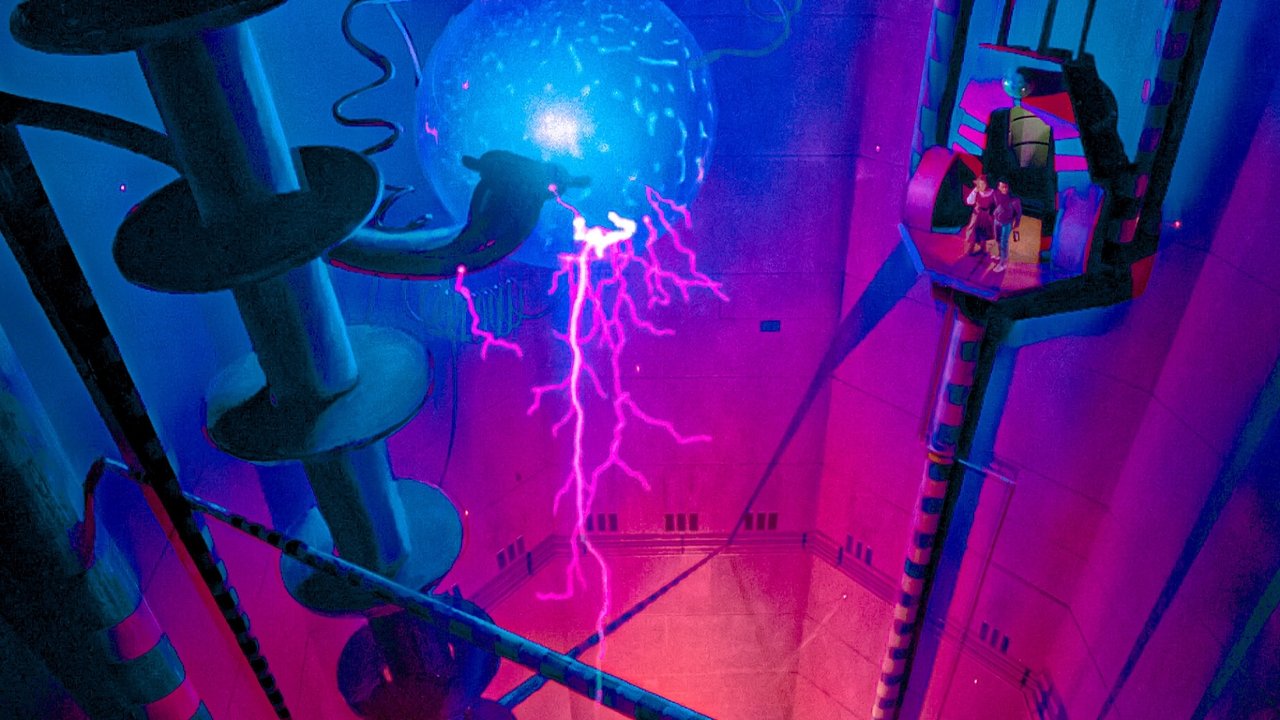
The film's legacy lives on because it refuses to wink too hard at the camera. It treats its absurd premise with just enough sincerity to make the visuals pop. From the "Klownzilla" finale—a massive puppet that required a small army of technicians to operate—to the hand-painted sets of the spaceship interior that look like a Dr. Seuss nightmare, the movie is a vibrant celebration of what can be achieved when practical effects artists are given the keys to the kingdom. It’s a neon-soaked relic of a time when "independent" meant you could build a giant popcorn gun and shoot it at Royal Dano (the quintessential "grumpy farmer" of 80s cinema) just because it looked cool.
Killer Klowns from Outer Space is a neon-drenched triumph of practical ingenuity over logic. It’s a film that understands that horror and comedy are two sides of the same painted coin, delivering a visual experience that remains as vibrant today as it was on a fuzzy VHS tape thirty years ago. If you have any love for the "Golden Age of Latex" or just want to see a clown punch a biker's head off in a single swing, this is your circus. Bring your own cotton candy—just make sure it doesn't have a human face inside.
Keep Exploring...
-

Re-Animator
1985
-
Critters
1986
-
Bad Taste
1987
-
The Texas Chainsaw Massacre 2
1986
-
Evil Dead II
1987
-
The Rocky Horror Picture Show
1975
-

Invasion of the Body Snatchers
1978
-
Weird Science
1985
-
Dawn of the Dead
1978
-

Scanners
1981
-

The Return of the Living Dead
1985
-
The Dead Zone
1983
-
Gremlins
1984
-
Cocoon
1985
-

Fright Night
1985
-
Little Shop of Horrors
1986
-

Short Circuit
1986
-
The Fly
1986
-
Innerspace
1987
-
Spaceballs
1987