Midnight Run
"The cross-country chase where the handcuffs are the smallest problem."
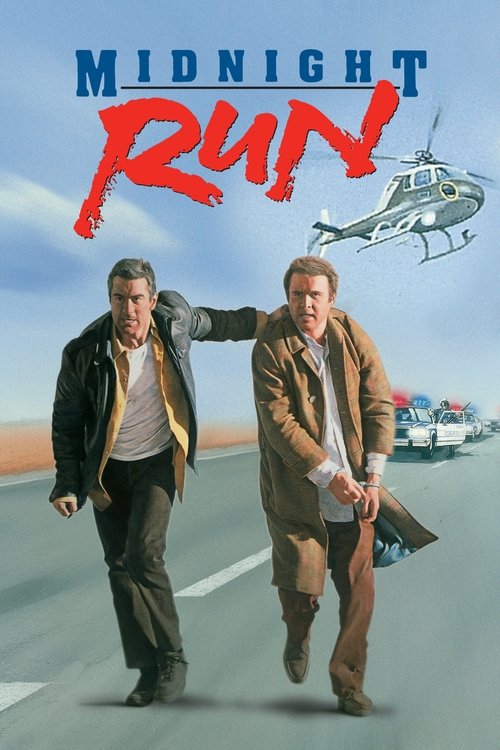
If you want to understand the exact moment Robert De Niro figured out he could be funny without losing his "tough guy" union card, you have to look at the "Litmus Test." It’s a scene early in Midnight Run where his character, bounty hunter Jack Walsh, cons a bar owner into thinking he’s an undercover agent by "confiscating" a counterfeit bill. It’s a masterclass in deadpan timing, but it’s also the first hint that we aren't watching a typical 80s shoot-'em-up. I actually watched this film for the third time while I was supposed to be fixing a leaky faucet in my kitchen; an hour later, the floor was underwater because I was too busy laughing at Charles Grodin's face to remember the wrench.
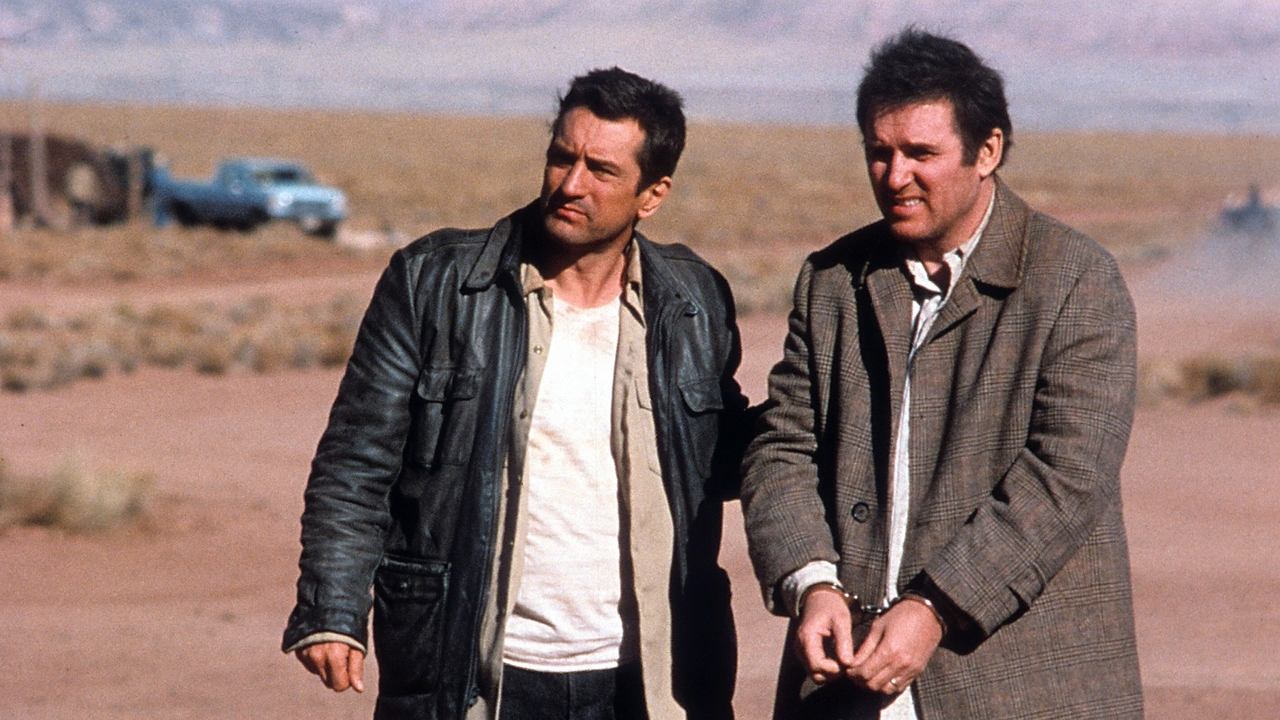
Midnight Run is the ultimate "road movie" that somehow doubles as one of the tightest action-comedies ever forged in the fires of the late 1980s. Directed by Martin Brest—who was coming off the massive success of Beverly Hills Cop (1984)—the film follows Jack Walsh as he attempts to transport Jonathan "The Duke" Mardukas (Charles Grodin) from New York to LA. The Duke is an accountant who embezzled millions from the mob and gave it to charity. He’s a "criminal" with the soul of a librarian, and he spends the entire film slowly dismantling Jack’s psychological defenses.
The Chemistry of Friction
What makes this work isn't the plot; it's the sheer, unadulterated friction. Robert De Niro plays Jack as a man who is perpetually five seconds away from a stroke. He’s grimy, he’s tired, and his diet consists entirely of cigarettes and spite. Then you have Charles Grodin. Grodin’s performance is a marvel of "annoyance as an art form." He doesn't yell; he just asks polite, repetitive questions about Jack’s cholesterol and his failed marriage until Jack literally wants to drive their car off a bridge.
The screenplay by George Gallo is secretly a romance between two men who express love through cigarette smoke and constant yelling. There is a tenderness buried under the 160+ F-bombs that feels earned because it’s so hard-won. When Jack finally opens up about his past in Chicago, it doesn't feel like a "scripted moment"—it feels like two guys finally exhausted enough to be honest.
The film also captures a very specific 1980s texture. This was an era where the American landscape still felt massive and inconvenient. They aren't just flying; they’re taking trains, buses, and stolen crop dusters. Donald E. Thorin’s cinematography avoids the neon-soaked gloss of most 1988 films, opting instead for a dusty, sun-bleached look that makes you feel the grit in Jack’s suit.
A Masterclass in Supporting Sleaze
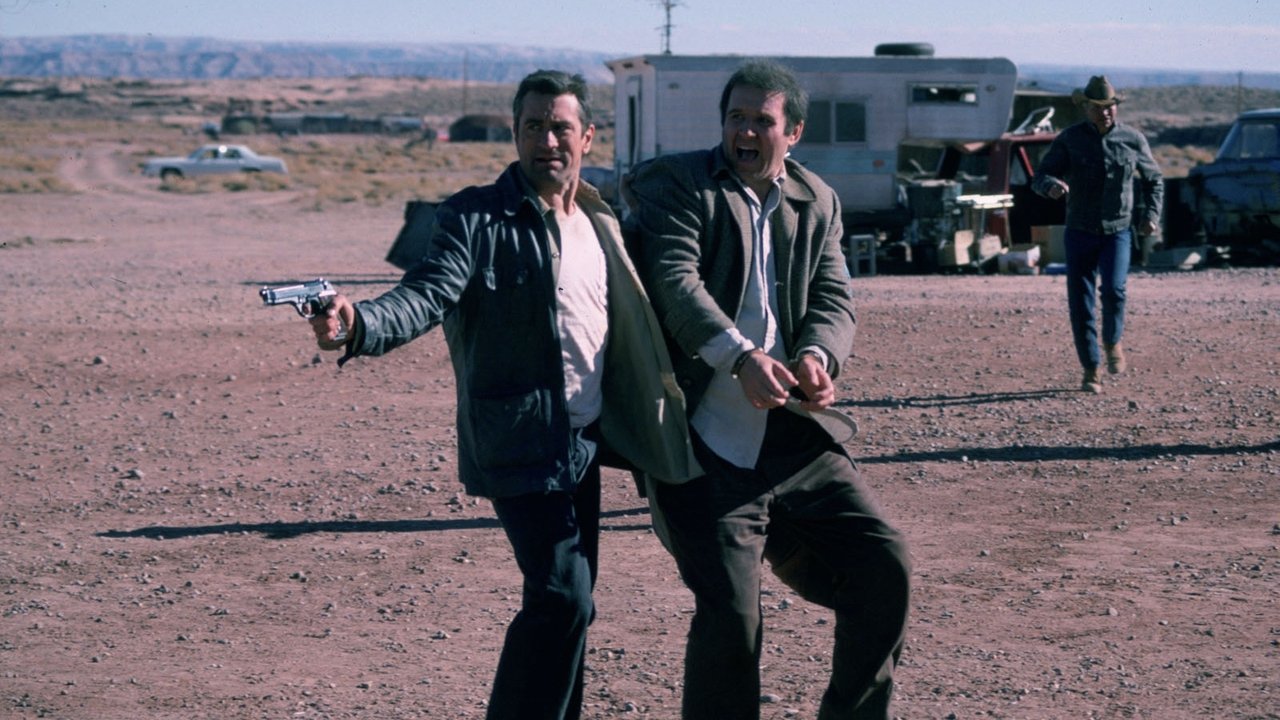
While the leads are legendary, the supporting cast is what elevates this into the stratosphere. Joe Pantoliano is at his peak "weasel" level as the bail bondsman Eddie Moscone, and the late Dennis Farina brings a terrifying, foul-mouthed authenticity to the role of mob boss Jimmy Serrano. But the real MVP of the "other guys" is John Ashton as Marvin Dorfler, a rival bounty hunter who is just as incompetent as he is arrogant. The constant "I’ll see you in LA, Jack!" back-and-forth is a running gag that never gets old.
Then there’s Yaphet Kotto as FBI Special Agent Alonzo Mosely. Watching Kotto play the "straight man" to the chaos around him is a joy. The running gag of Jack stealing Mosely’s ID is the kind of character-driven comedy that feels missing in modern blockbusters. These characters aren't just archetypes; they all have their own agendas, and they all feel like they exist even when the camera isn't on them.
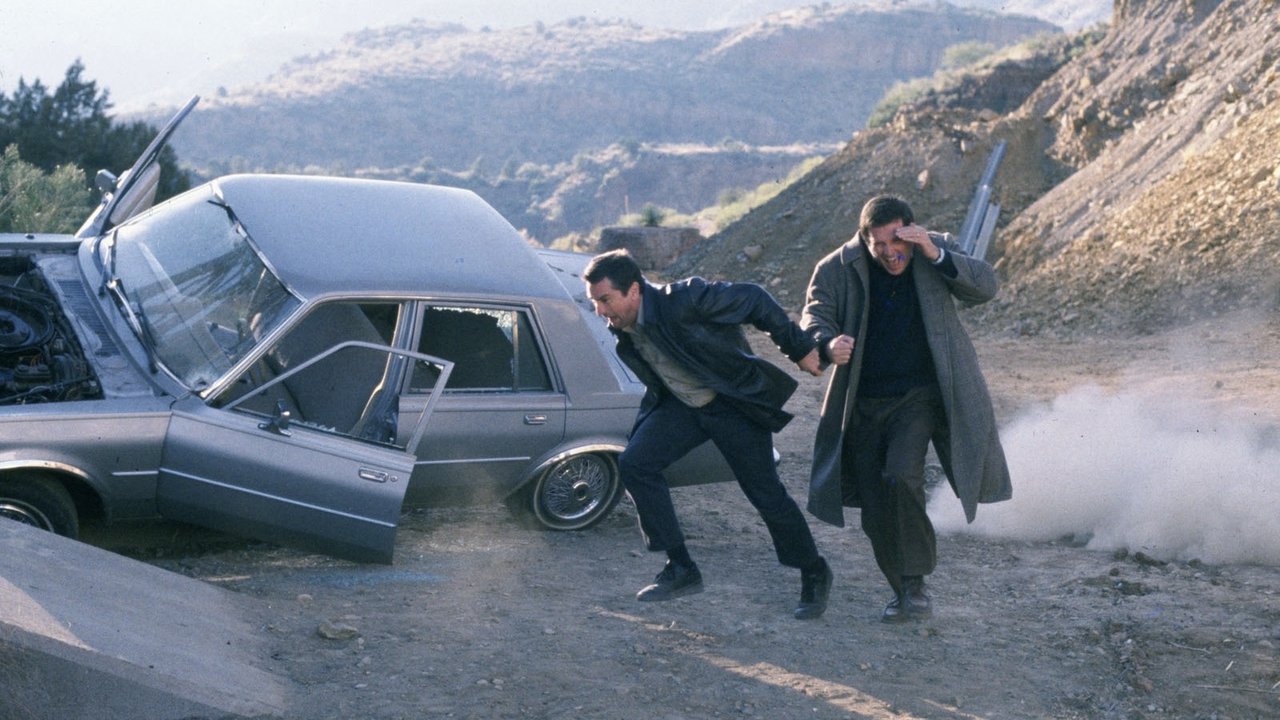
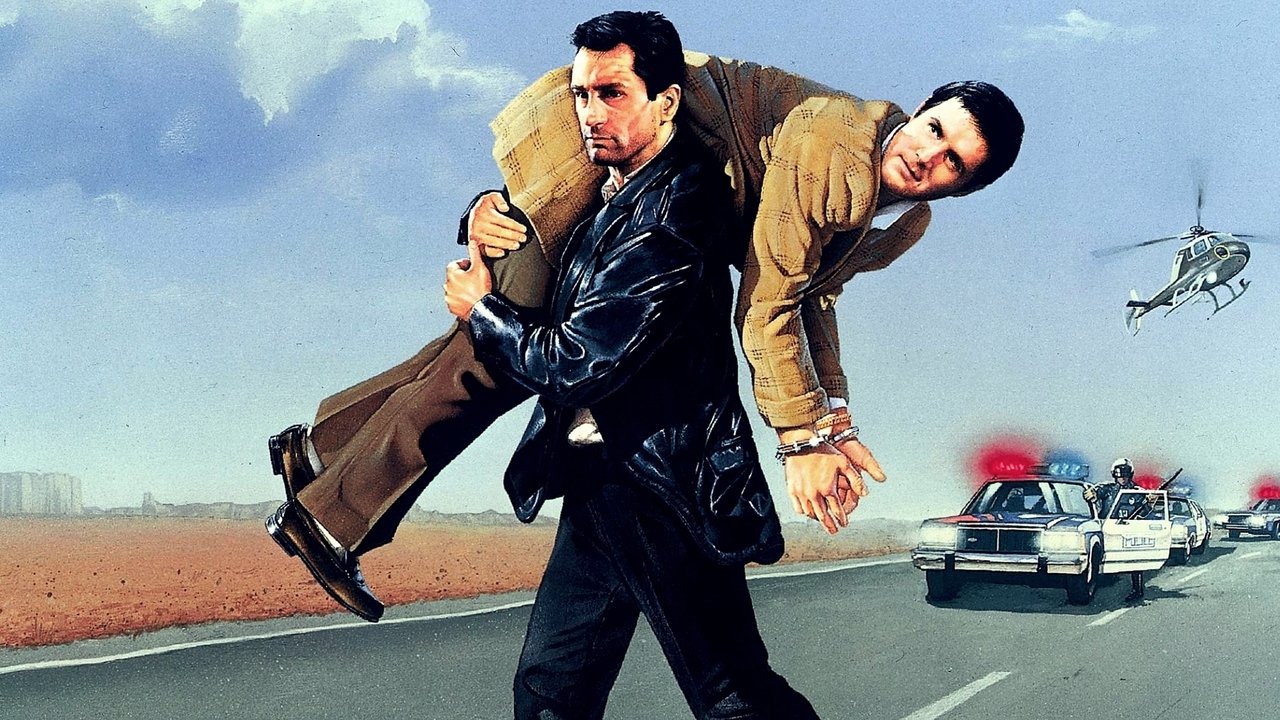
The action sequences, handled with a heavy emphasis on practical stunts, have a weight to them that CGI simply cannot replicate. When a car flips or a helicopter chases a truck through a canyon, you can see the suspension straining. Martin Brest understood that for the comedy to land, the stakes had to feel real. You believe Jack could actually die, which makes it even funnier when he’s arguing about whether or not a $20 bill is counterfeit while being shot at.
The VHS Legacy and the Litmus Test
I remember the VHS box art for this being a staple of every mom-and-pop rental shop in the early 90s. It was usually tucked between Die Hard and Lethal Weapon, but it always felt like the smarter, weirder cousin. While those films were about the spectacle, Midnight Run was the one you rewatched because you wanted to hear the dialogue again. This is the only movie where Robert De Niro looks like he actually enjoys having a chronic headache.
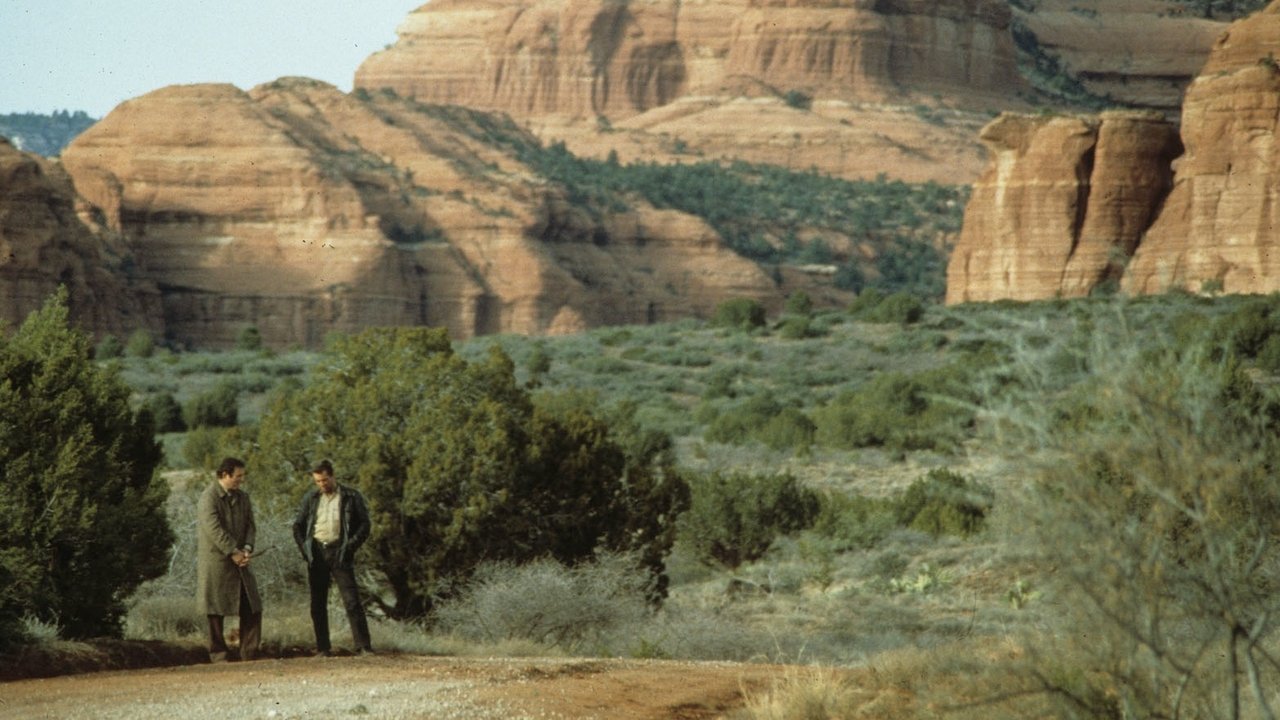
Danny Elfman provides the score here, and it’s a total departure from the gothic whimsy he was doing for Tim Burton at the time. It’s a bluesy, guitar-driven romp that perfectly captures the "beater car driving through the desert" vibe. It keeps the energy up even when the characters are just sitting in a diner eating "chorizo and eggs."
Midnight Run didn't spawn a massive franchise (outside of some forgettable TV movies), and honestly, that’s for the best. It’s a lightning-in-a-bottle moment where a high-concept studio budget met a New Hollywood character study. It’s a film about how hard it is to be a "good man" in a world run by scumbags, and how sometimes, the only person who understands you is the guy you’re currently handcuffed to.
If you haven't seen this in a few years, go back and watch the scene where they try to pass off "bonds" in a grocery store. It’s a perfect distillation of why this film is a classic: it’s frantic, it’s grounded in character, and it’s fundamentally human. Jack Walsh just wants his $100,000 and his coffee shop, but what he gets is a soul-cleansing road trip with the world’s most polite embezzler. It’s the best "beautiful friendship" cinema ever gave us.
Keep Exploring...
-
Turner & Hooch
1989
-
Beverly Hills Cop
1984
-
Lethal Weapon 2
1989
-
Tango & Cash
1989
-
Beverly Hills Cop II
1987
-
48 Hrs.
1982
-
Batman
1966
-
Lethal Weapon
1987
-
Shoot 'Em Up
2007
-
Clue
1985
-
Lethal Weapon 3
1992
-
Rumble in the Bronx
1995
-
Smokin' Aces
2006
-
The Guard
2011
-
Romancing the Stone
1984
-
Innerspace
1987
-
Bad Boys
1995
-
The Blues Brothers
1980
-
Police Story
1985
-
Bullitt
1968