Mississippi Burning
"Justice has a very dark side."
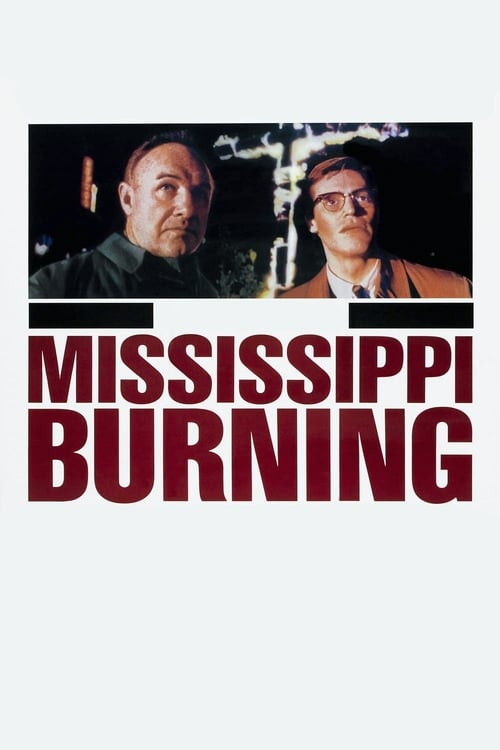
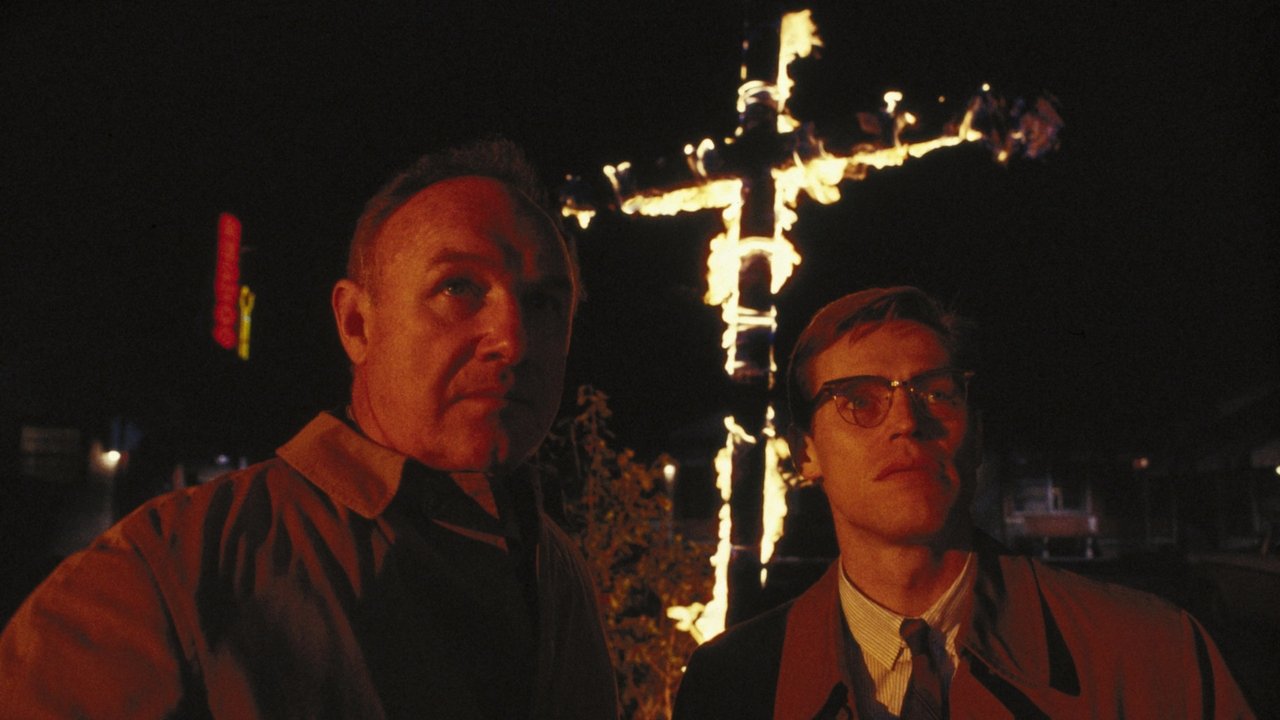
The first thing I remember about watching Mississippi Burning wasn't the plot, but the color. It’s a film drenched in a sickening, humid orange—the glow of burning wood, the flickering lanterns of a lynch mob, and a sun that seems to bake the morality right out of the soil. I first caught this on a late-night cable broadcast while I was nursing a lukewarm cup of peppermint tea that had gone completely cold, and the sheer hostility of the atmosphere made my living room feel ten degrees hotter.
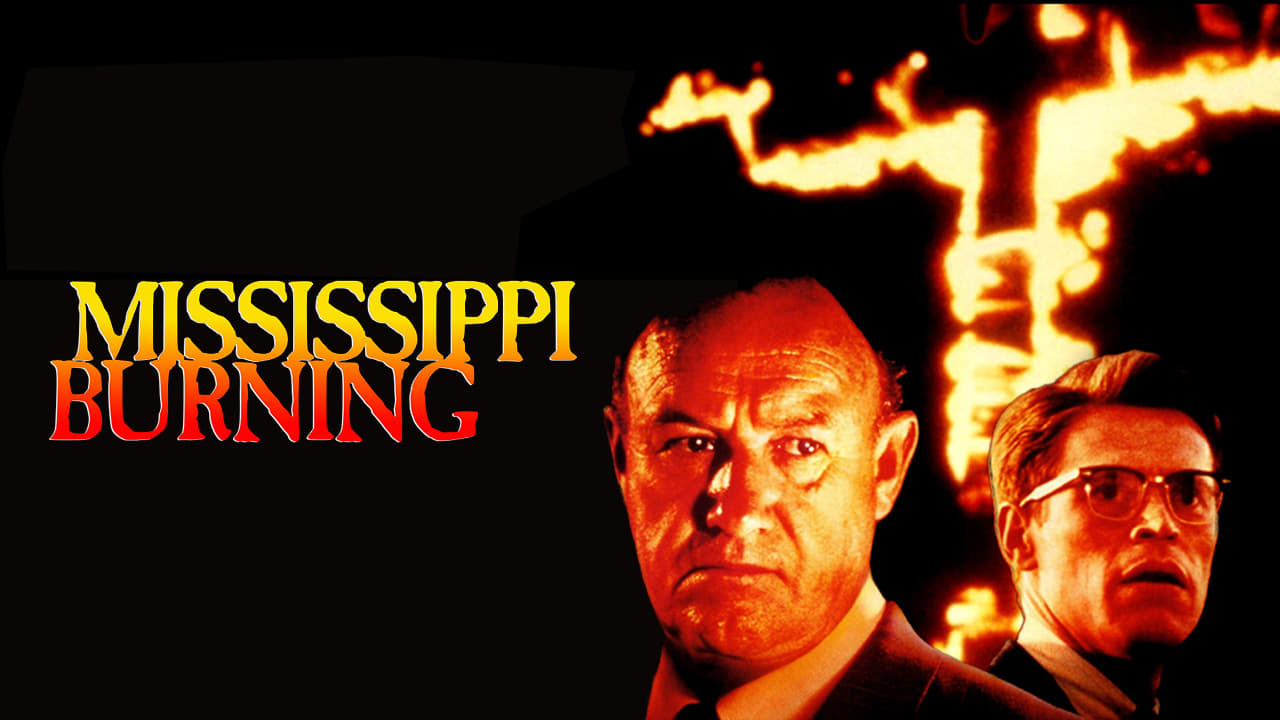
Directed by Alan Parker (who also gave us the haunting Angel Heart), this isn't a gentle history lesson. It’s a sweat-soaked, aggressive, and deeply uncomfortable crime thriller that uses the 1964 disappearance of three civil rights workers as the springboard for a gritty procedural. It’s a movie that wants to make you angry, and even decades later, it hasn't lost its ability to provoke a visceral reaction.
The Friction of the Law
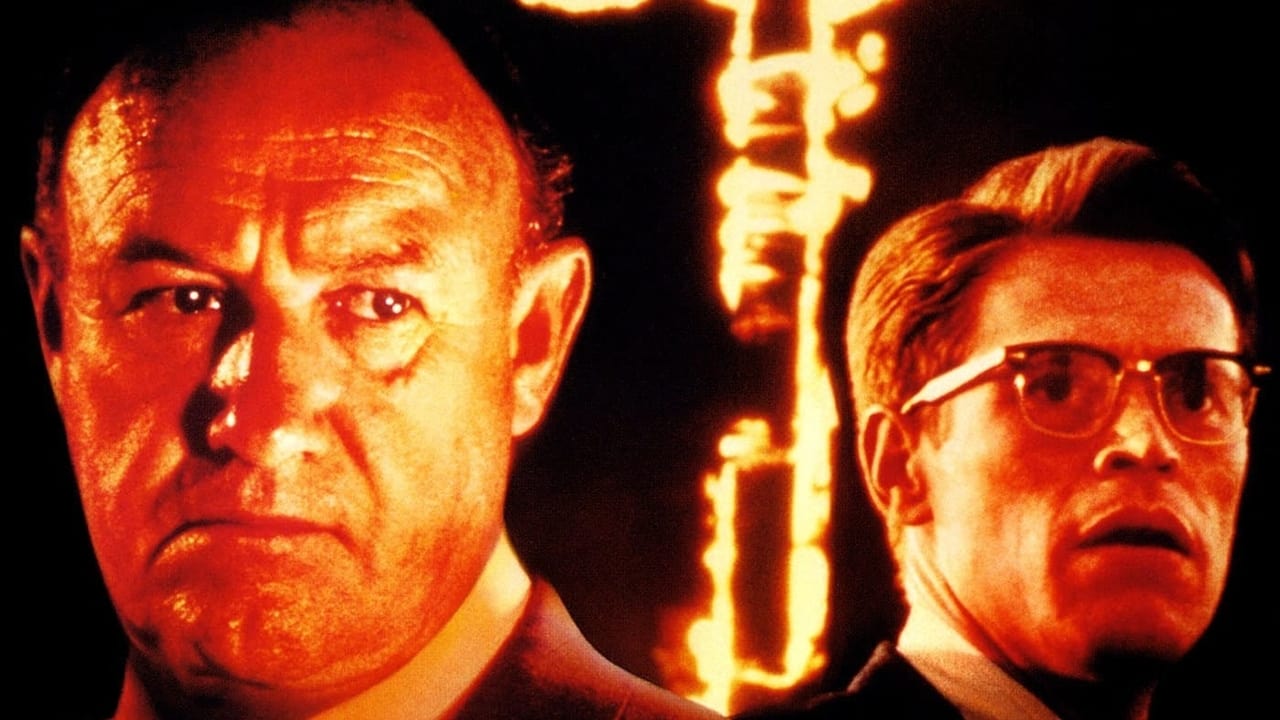
At the heart of the film is a classic "odd couple" dynamic, but stripped of any levity. Willem Dafoe plays Agent Alan Ward, a Kennedy-era idealist who thinks the FBI’s "Social Studies" approach and a few hundred suits in a small town will force the truth to the surface. He’s all starched collars and procedural rigidity. Opposite him is Gene Hackman as Agent Rupert Anderson.
Gene Hackman’s Agent Anderson is basically Popeye Doyle with a Southern accent and a slightly better haircut. He’s a former Mississippi sheriff who knows that in a town where the law wears a hood at night, you don't get answers by knocking on front doors during the day. He knows the smell of the air, the rhythm of the speech, and the exact way to lean on a man to make him crack. The chemistry between Dafoe and Hackman is built entirely on friction; they represent two different Americas trying to solve the same tragedy, and watching them clash is just as compelling as the investigation itself.
A Gallery of Human Ugliness
While the heroes are strong, Mississippi Burning is defined by its villains. This film features some of the most genuinely loathsome antagonists ever put to celluloid. Brad Dourif (the voice of Chucky himself!) is chilling as Deputy Clinton Pell. He has this twitchy, sneering arrogance that makes you want to reach through the screen. Then you have R. Lee Ermey, trading his Full Metal Jacket drill instructor bark for the slick, smiling venom of Mayor Tilman.
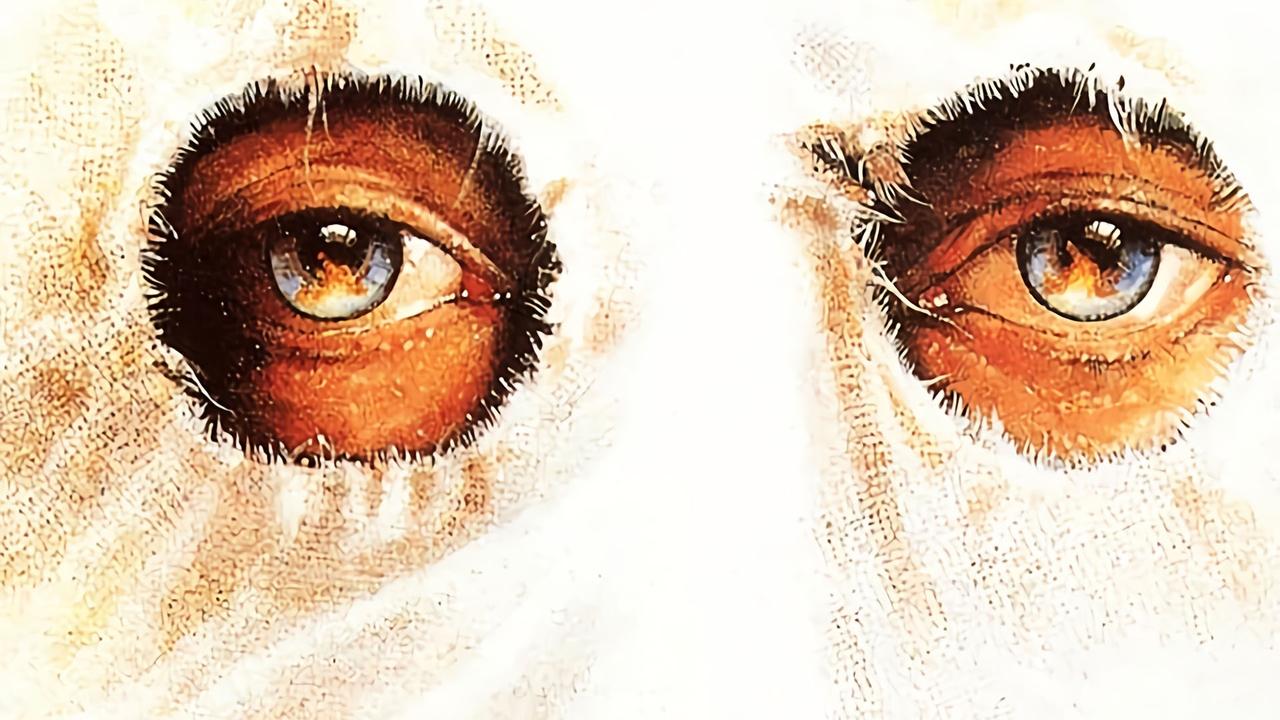
The film does an incredible job of showing how racism isn't just an outburst of violence, but a social infrastructure. It’s in the way Gailard Sartain’s Sheriff Stuckey chuckles while dismissing a kidnapping, or the way the townspeople look at the "outsiders" with a silence that feels like a physical weight. Amidst all this ugliness, Frances McDormand provides the film’s bruised soul. As Mrs. Pell, the Deputy’s wife, she gives a performance of quiet, agonizing conflict. She’s a woman trapped by her geography and her marriage, and her scenes with Hackman—where they speak in hushed tones about the "hatred that is taught"—are the most moving moments in the movie.
The Visual Heat and the VHS Legacy
From a craft perspective, Alan Parker and cinematographer Peter Biziou (who won an Oscar for this) created something remarkably tactile. You can practically feel the gnats buzzing and the dust clogging your throat. I remember the old Orion Pictures VHS box—it had that stark, high-contrast imagery that promised something "important," but the movie inside was much more of a gut-punch than the marketing suggested. Orion was the king of the "prestige thriller" in the 80s, and this sits right alongside The Silence of the Lambs in terms of their ability to package darkness for a mainstream audience.
Interestingly, the film was a massive hit on the rental circuit. It was one of those "talk about it at the water cooler" movies because of its ending—which I won’t spoil—but let’s just say it involves the FBI adopting some of the very tactics they’re supposed to be investigating. It’s a morally gray resolution that ruffled feathers in 1988 and still feels provocative today.
Stuff You Didn't Notice

One of the wildest things about the production is that Gene Hackman originally didn't want the part because he was tired of playing violent characters. It took Alan Parker a significant amount of convincing to get him on board. Also, the film’s script by Chris Gerolmo was famously rewritten by Parker to lean more into the thriller aspects rather than a dry historical retelling.
While the film has been criticized over the years for its "white savior" lens—relegating the actual Black activists to the background of their own struggle—it remains a powerful document of a specific era of filmmaking. It doesn't pretend to be a documentary; it’s a noir film set in a sun-drenched nightmare. The movie treats the KKK with the same terrifying, faceless dread that a slasher movie treats a masked killer.
Mississippi Burning is a heavy, intense, and impeccably acted piece of cinema. It’s the kind of movie that makes you want to take a long shower afterward, not because it’s "bad," but because it’s so effective at submerging you in a world of heat and hate. If you’ve never seen it, find the biggest screen you can and prepare to be genuinely rattled. It’s a reminder of a time when Hollywood wasn't afraid to let a "hero" be a little bit monstrous if it meant getting the job done.
***
Mississippi Burning is a haunting experience that works primarily because it refuses to blink. It captures a moment in American history through the lens of a relentless thriller, anchored by what might be Gene Hackman’s most nuanced and intimidating performance. It’s a difficult watch, but an essential one for anyone who appreciates a drama that actually has something at stake. It might be thirty-five years old, but the fire it depicts still feels like it’s burning.
Keep Exploring...
-
Blood Simple
1985
-
Clue
1985
-
Chinatown
1974
-
In the Heat of the Night
1967
-
Angel Heart
1987
-
All the President's Men
1976
-
Marathon Man
1976
-
Blow Out
1981
-

The Conversation
1974
-
The Killer
1989
-
The Poseidon Adventure
1972
-

Murder by Death
1976
-
Witness
1985
-
Blue Velvet
1986
-
Arlington Road
1999
-
The Outfit
2022
-
Body Double
1984
-
Lock Up
1989
-
Le Samouraï
1967
-
The Tenant
1976