My Neighbor Totoro
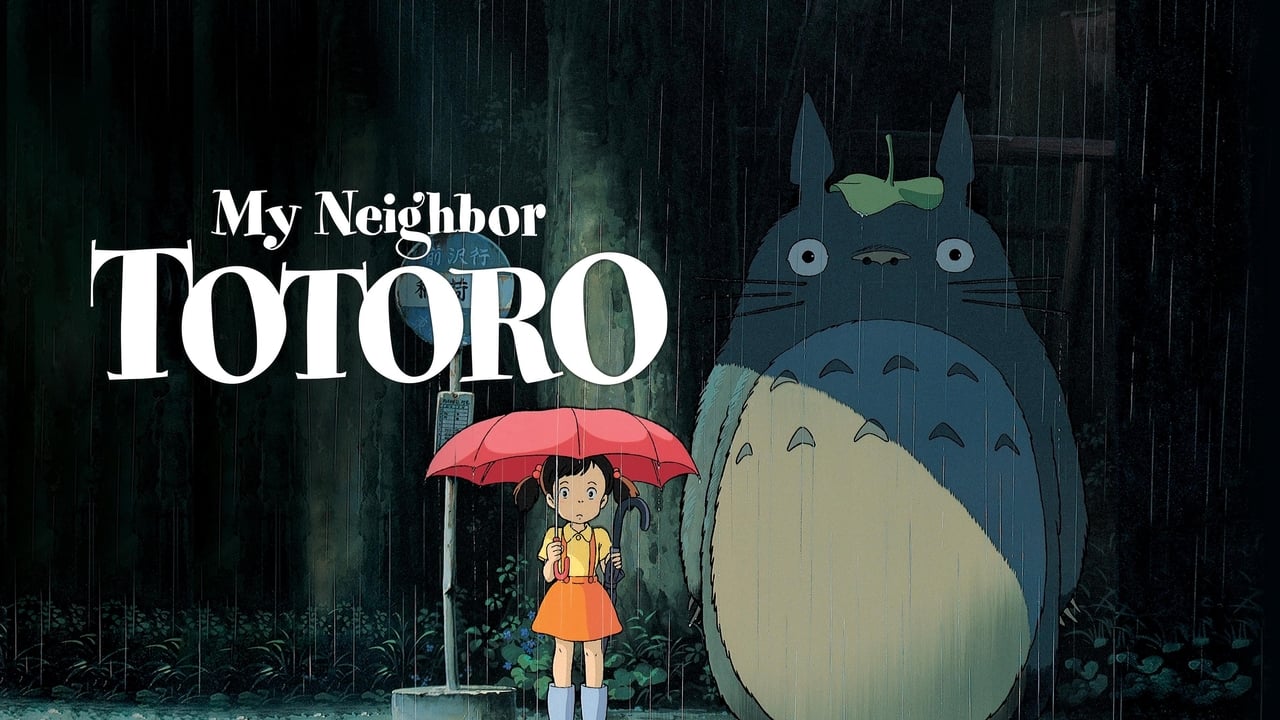
"Happiness is a bus stop in the rain."
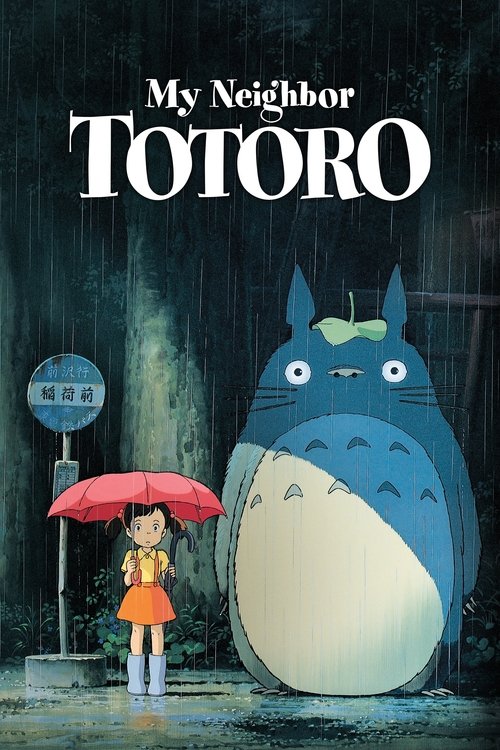
The summer air in 1988 was thick with the scent of pine and the hum of cicadas, but while Hollywood was busy perfecting the high-concept action flick and the "greed is good" aesthetic, a small studio in Tokyo was betting its entire future on a giant, fuzzy grey bean with an umbrella. I first encountered My Neighbor Totoro not in a theater, but on a flickering CRT television with a tracking bar that refused to sit still. Even through the fuzz of a third-generation dub, there was something about the way Hayao Miyazaki captured the specific weight of a raindrop hitting a leaf that made the rest of the world’s blockbusters feel suddenly, strangely hollow.
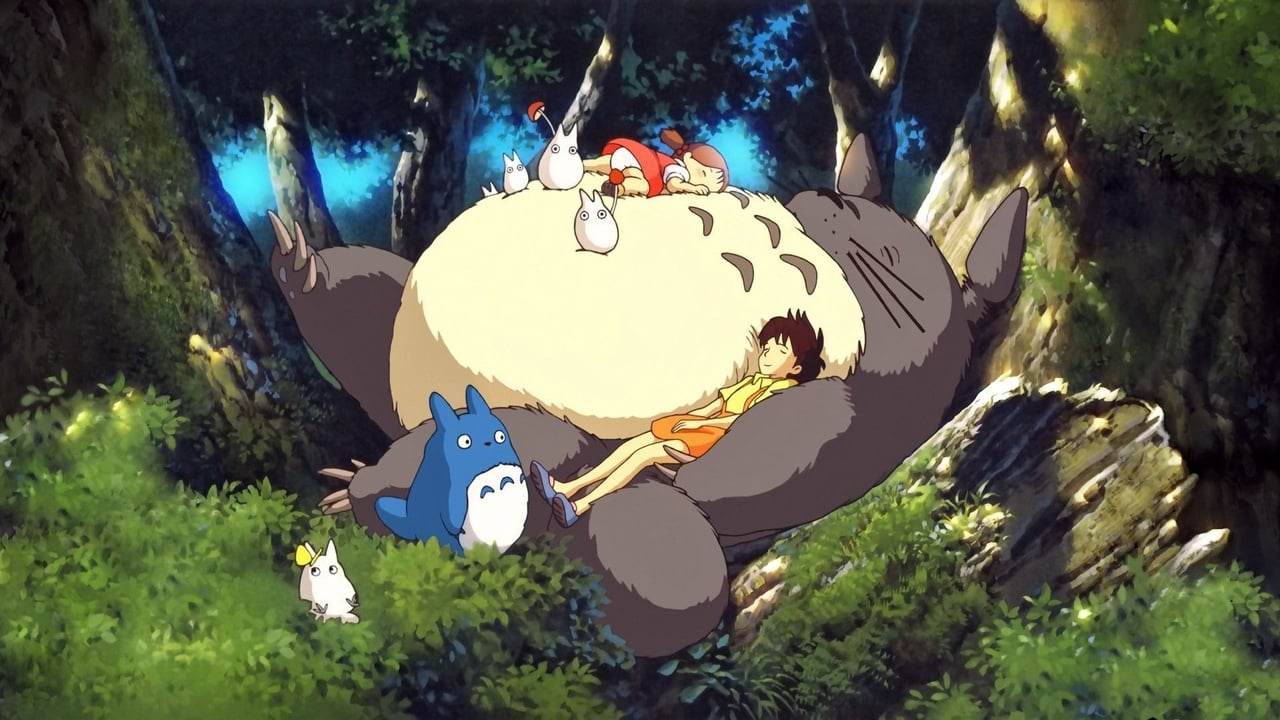
Most "family" films of the late eighties were frantically loud, terrified that if they stopped joking for ten seconds, the audience would realize they were just being sold a line of plastic toys. Totoro is the opposite. It is a film that understands the profound, almost spiritual importance of sitting still. It’s an indie gem disguised as a children’s fable, funded only because it was pitched as a double feature alongside the soul-crushing Grave of the Fireflies. Imagine that theatrical experience: a journey through the horrors of war followed by a nap with a forest spirit. It’s the ultimate cinematic "good cop, bad cop" routine.
The Weight of an Empty Chair
At its heart, this isn't just a fantasy; it’s a remarkably grounded drama about the quiet trauma of childhood. We follow Satsuki (voiced by Noriko Hidaka) and her younger sister Mei (Chika Sakamoto) as they move into a drafty old house to be near the hospital where their mother is recovering from a long-term illness. The "drama" here isn't found in explosions or grand betrayals, but in the subtle way Satsuki tries to act like a grown-up because she thinks her father (Shigesato Itoi) needs her to be one.
I watched this recently while dealing with a particularly annoying bout of food poisoning—the kind where you’re convinced your internal organs are staging a coup—and the scene where Satsuki finally breaks down and cries because she’s scared her mother might die hit me harder than any "adult" drama I’ve seen this year. Noriko Hidaka brings a vulnerability to the role that feels painfully authentic. It’s a masterstroke of directorial restraint; Miyazaki lets the camera linger on the girls' reactions, trusting the audience to understand the subtext of their fear without a single line of explanatory dialogue. The absolute audacity of a film where the 'climax' is just finding a lost four-year-old is exactly why it remains a pillar of world cinema.
Hand-Painted Transcendence
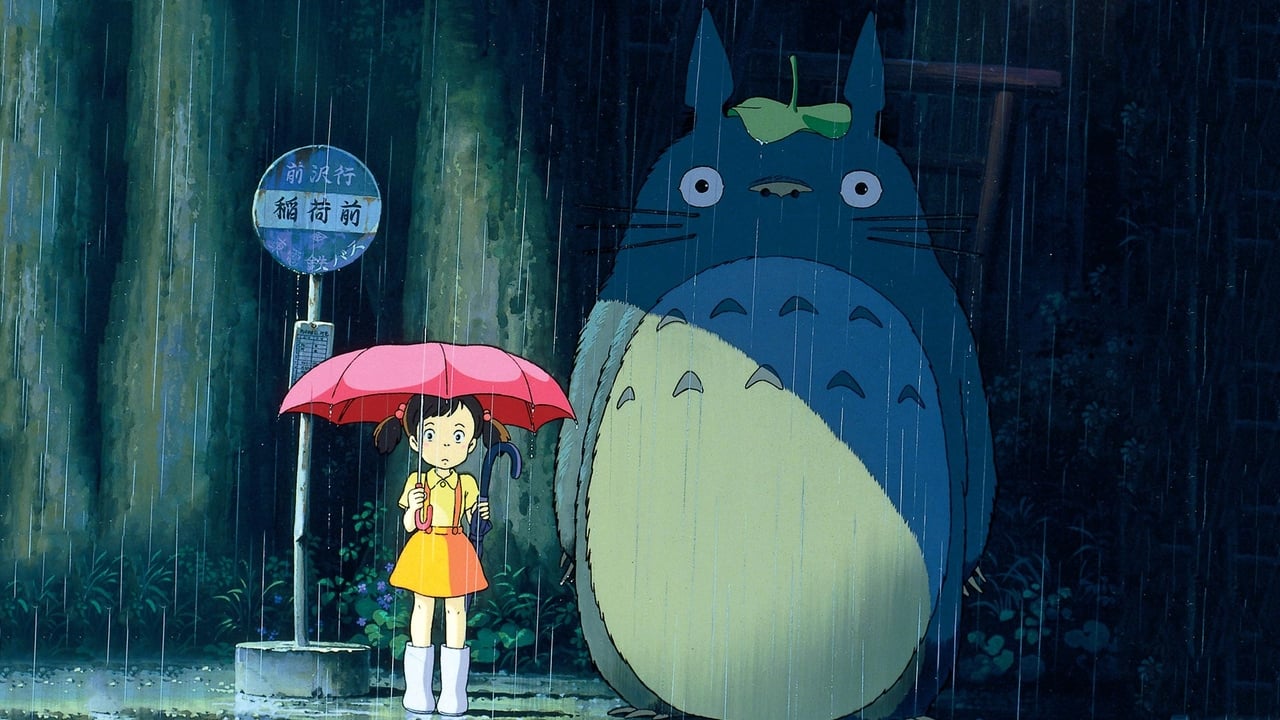
Before CGI turned every magical creature into a weightless collection of pixels, we had the Golden Age of cel animation. In Totoro, nature isn't just a background; it’s a character. The cinematography by Hisao Shirai captures the lush, wet greenery of the Japanese countryside with a vibrancy that feels more real than a photograph. You can almost smell the damp earth and the rotting wood of the "soot sprite" infested attic.
There’s a specific texture to 80s Ghibli films—a graininess in the painted backgrounds that feels tactile. When the Catbus arrives—a multi-legged feline transport that defies every law of biology—it has a physical presence. You believe it’s there because you can see the way the grass bends under its weight. This was the peak of practical-minded animation, where every frame was a labor of love by artists who weren't just drawing characters, but building an ecosystem. Hayao Miyazaki famously insisted on checking almost every frame himself, a level of auteur control that would make Coppola blush.
The Shinto Soul of the VHS Era
There is a deep, philosophical current running beneath the surface of the forest. The Totoros aren't "imaginary friends" in the Western sense; they are kami, the spirits of the land. The film posits a world where being a good person isn't about defeating a villain—there is no villain in Totoro—but about being in harmony with your surroundings. It’s an animistic view of the world that treats a giant camphor tree with the same reverence as a cathedral.

The score by Joe Hisaishi is perhaps the most essential "actor" in the film. The main theme is iconic, but it’s the quiet, minimalist tracks that play during the sisters' explorations that provide the intellectual weight. It invites the viewer into a state of "ma"—the Japanese concept of "the space between." In an era where we are constantly bombarded with "content," My Neighbor Totoro offers us the gift of a quiet moment. It’s a film that asks us to look at the world with the same wide-eyed curiosity as Mei, suggesting that perhaps the magic hasn't left the world; we’ve just stopped looking for it.
Ultimately, My Neighbor Totoro is one of those rare films that grows with you. As a child, you see the wonder of the Catbus; as an adult, you see the heartbreaking bravery of a sister trying to hold her family together. It’s a piece of hand-drawn perfection that reminds us why we fell in love with movies in the first place. If you’ve never seen it, find the best screen you can, turn off your phone, and let the forest spirits in. It’s the most productive eighty-six minutes you’ll spend all year.
Keep Exploring...
-
Castle in the Sky
1986
-
Kiki's Delivery Service
1989
-
Nausicaä of the Valley of the Wind
1984
-
Ponyo
2008
-
Porco Rosso
1992
-
Princess Mononoke
1997
-

Spirited Away
2001
-
The Boy and the Heron
2023
-
The Castle of Cagliostro
1979
-
Mickey's Christmas Carol
1983
-
The Secret World of Arrietty
2010
-

Flow
2024
-
The Little Mermaid
1989
-

Howl's Moving Castle
2004
-
Wings of Desire
1987
-

Mary Poppins
1964
-
Vincent
1982
-
A Grand Day Out
1990
-
The Secret of NIMH
1982
-
How the Grinch Stole Christmas!
1966