Oliver & Company
"Street-wise swagger meets a New York state of mind."
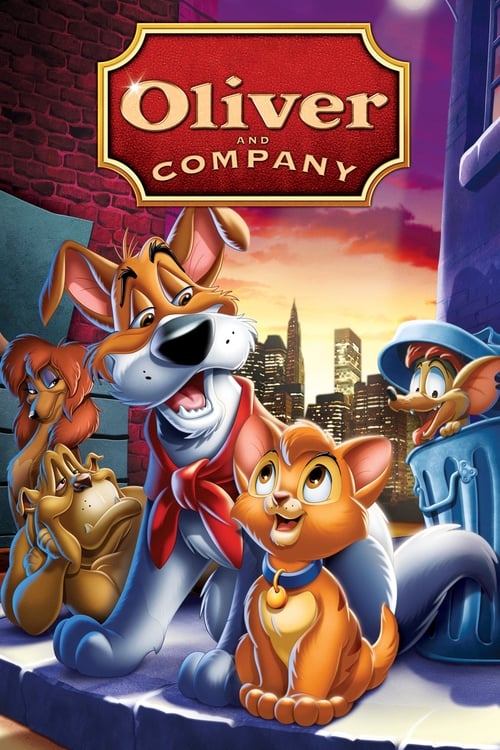
There is a specific kind of 1980s New York City that only exists in movies, and it usually involves a lot of steam rising from manholes, neon signs reflecting in puddles, and a general sense that everyone is about five minutes away from a musical number or a mugging. Disney’s Oliver & Company captures this vibe perfectly, though with a lot more fur than your average Scorsese flick. I rewatched this recently on a rainy Tuesday while my radiator made a rhythmic clanking sound like a dying harmonica, and honestly, the atmosphere of the film fit the mood of my drafty apartment a little too well.
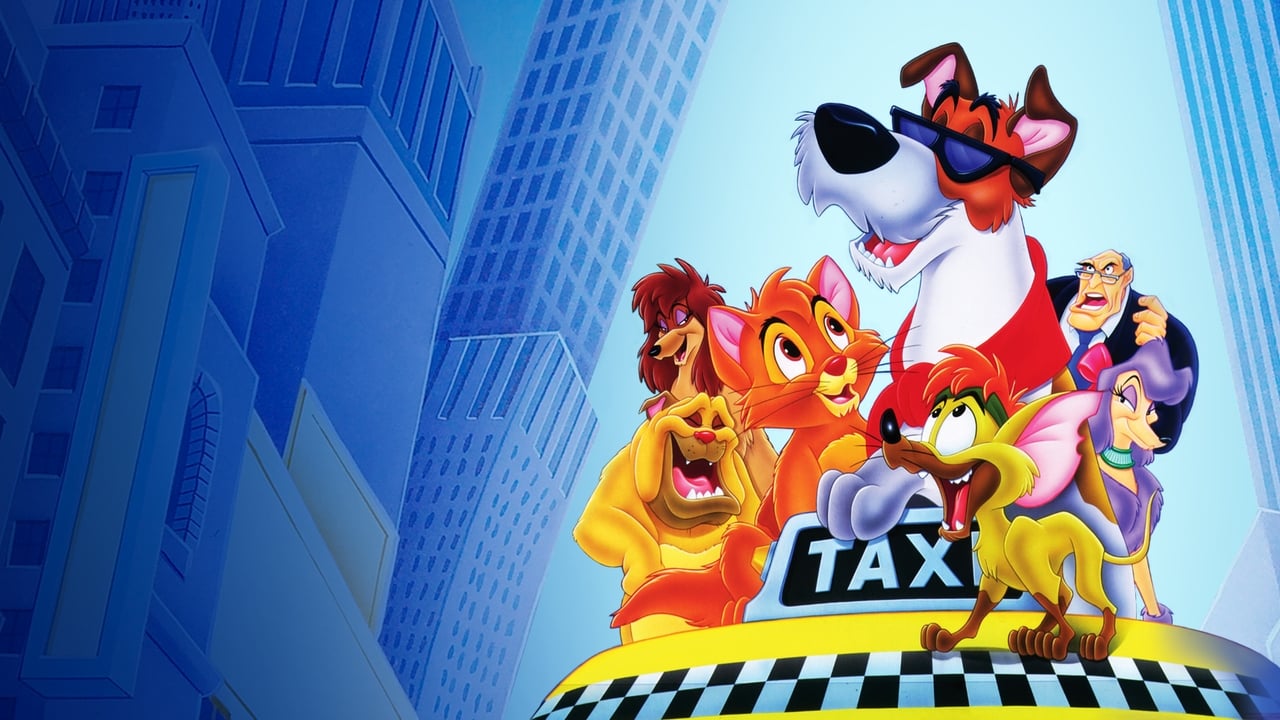
Released in 1988, this was Disney’s attempt to prove they could play in the modern sandbox. For decades, the studio had been stuck in a loop of English moors and fairy-tale forests. Suddenly, they were pivoting to a gritty, synth-heavy reimagining of Dickens' Oliver Twist, complete with product placement for Coca-Cola and Sony. It was the "first Disney movie with attitude," and while that tagline feels like it was written by a marketing executive wearing a power suit with giant shoulder pads, there’s some truth to it.
The Billy Joel of Dogs
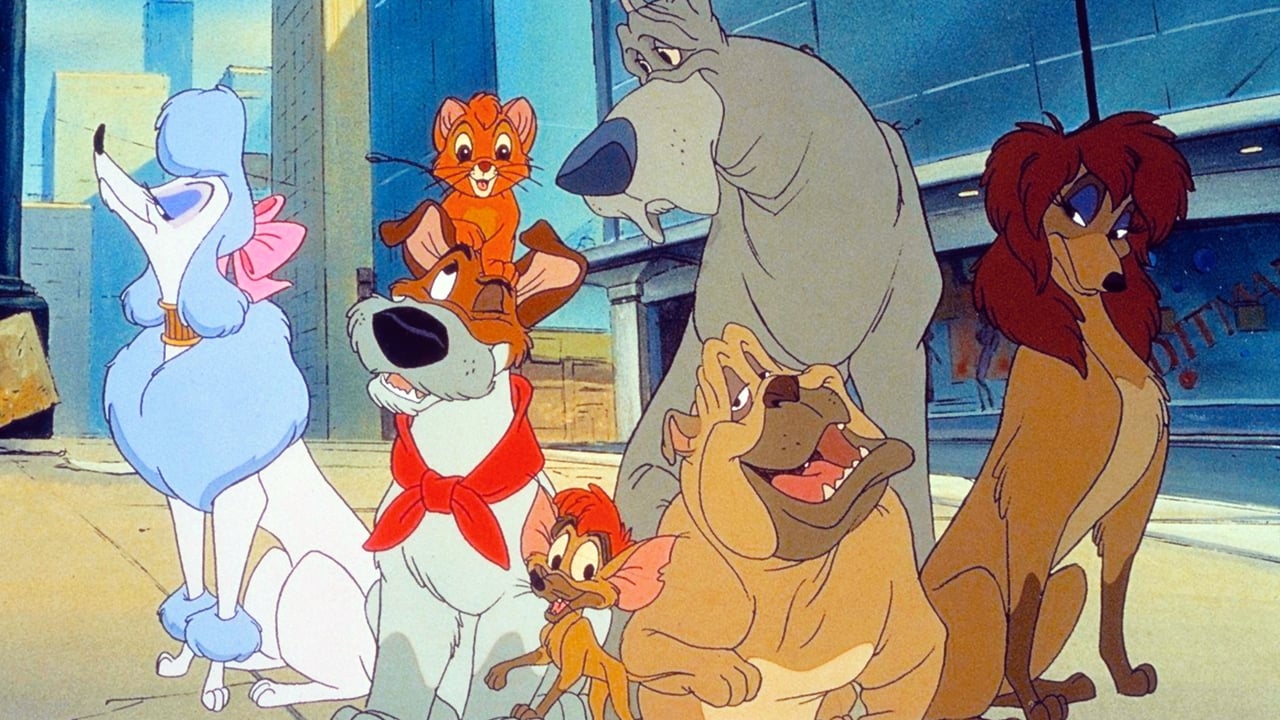
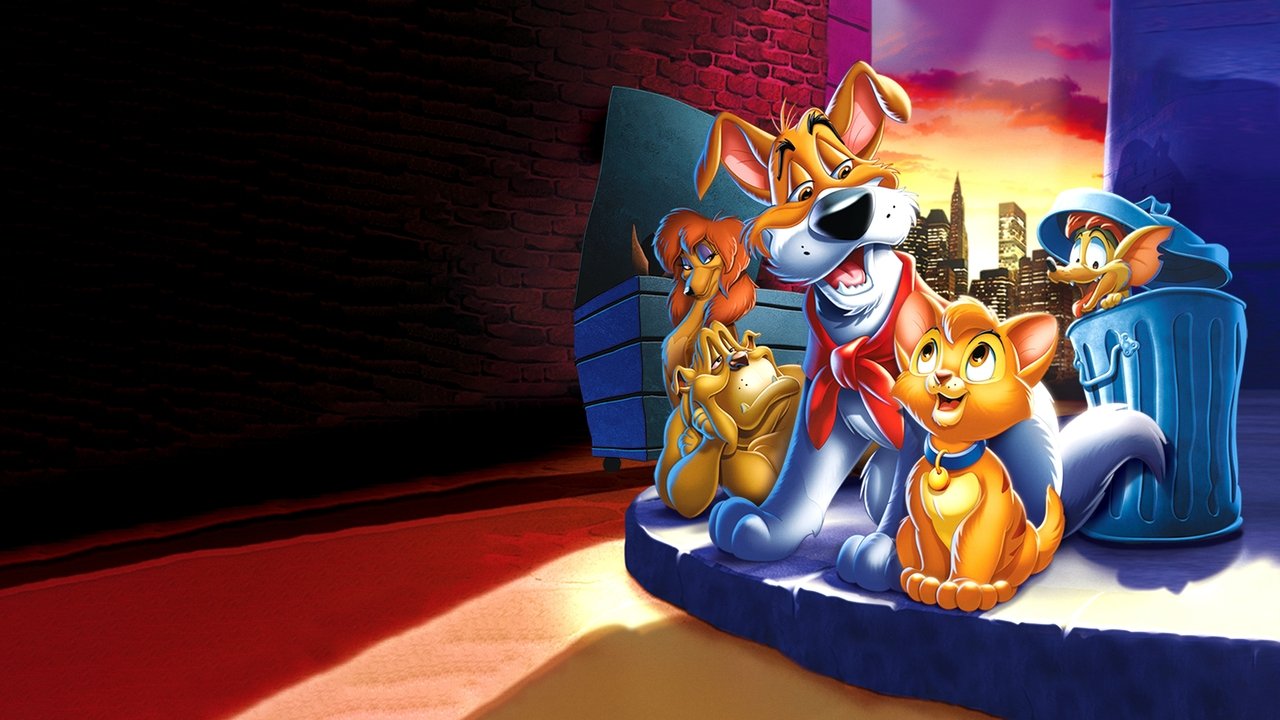
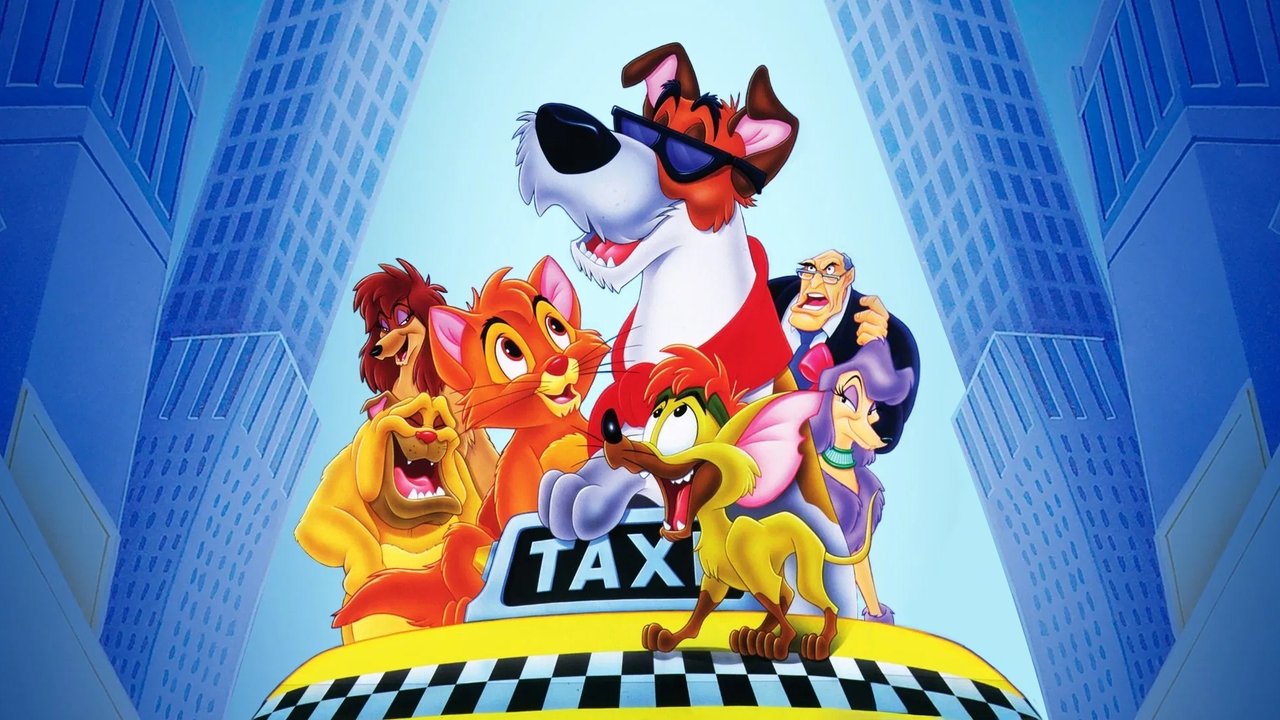
The heart of the film isn't actually the titular kitten, Oliver (voiced with wide-eyed innocence by a very young Joey Lawrence). It’s the dogs. Specifically, it’s Dodger, voiced by the Piano Man himself, Billy Joel. This was a massive casting coup at the time. Before the 1990s made "celebrity voice acting" the industry standard, seeing a rock star lead an animated feature was a genuine event. Dodger is basically Billy Joel in canine form—cool, detached, and possessing a singing voice that makes you want to walk through Manhattan with a scarf and a sense of purpose.
His introductory number, "Why Should I Worry?", is arguably one of the best "I'm cool" songs in the Disney canon. It’s also where the film’s 1980s identity peaks. I’m convinced that Dodger is the only animated dog who could realistically own a leather jacket without it looking weird. The rest of the gang—the hyperactive Tito (Cheech Marin), the theatrical Francis (Roscoe Lee Browne), and the dim-witted Einstein (Richard Mulligan)—provide a kinetic comedic energy that keeps the pacing tight. Cheech Marin especially is doing a lot of heavy lifting here; his ad-libbed energy feels genuinely spontaneous, a rarity in the tightly controlled world of animation.
High Stakes and Heavy Metal
What usually surprises people about Oliver & Company is how dark it gets. Our villain, Sykes (Robert Loggia), isn't a bumbling Captain Hook type. He’s a cold-blooded loan shark who sits in the shadows of a limousine, surrounded by smoke and two Dobermans who look like they’ve been trained by a paramilitary organization. He’s genuinely threatening because his stakes are real: he wants his money, and he’s willing to kidnap a child (the wealthy but lonely Jenny) to get it.
The climax, involving a high-speed chase through the subway tunnels and onto the Brooklyn Bridge, is a masterclass in pre-CGI tension. This was one of the first Disney films to heavily utilize computer animation for background elements like the cars and the subway train, and it gives the finale a scale that the studio’s earlier films lacked. It’s loud, it’s dangerous, and it features a villain death that is shockingly brutal for a movie sold with Happy Meals. Watching Sykes’ car meet the front of a subway train is the kind of core memory that turned 80s kids into horror fans later in life.
The VHS Vault and the $121 Million Gamble
Despite its success—it actually beat Don Bluth’s The Land Before Time at the domestic box office, which was a huge "win" for the Disney comeback—Oliver & Company had a strange life on home video. If you grew up in the early 90s, you probably remember the frustration of this movie being missing from the shelves. Disney kept it "in the vault" for nearly a decade, finally releasing it on VHS in 1996. By then, the white clamshell cases were a staple of every suburban living room, but Oliver felt like a relic of a different era—the "lost" movie between the old guard and the Little Mermaid Renaissance.
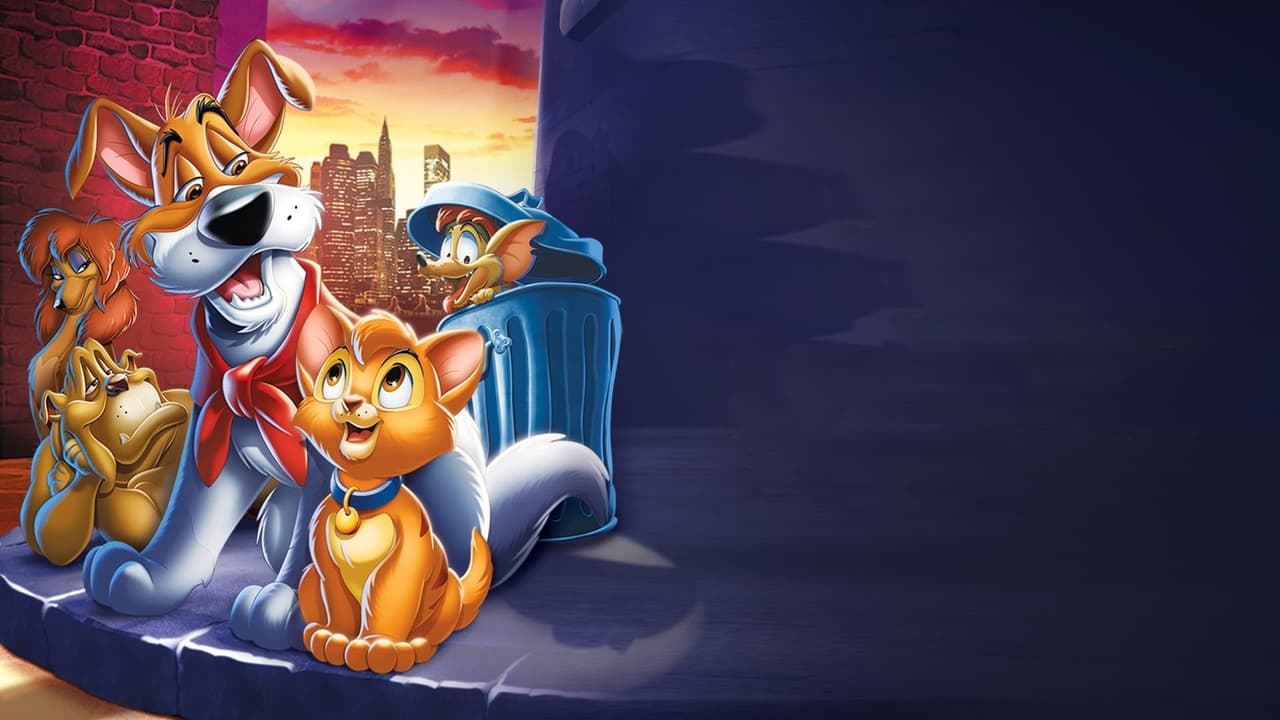
Looking back, the film’s fingerprints are all over modern cinema in ways you wouldn't expect. Believe it or not, the guy who eventually directed Logan and Indiana Jones and the Dial of Destiny, James Mangold, co-wrote this script. You can see his penchant for gritty, character-driven stakes even in a movie about a kitten. The budget was a massive $31 million, a huge gamble at the time, but it paid off by raking in $121 million worldwide. It proved that Disney could move away from the "Once Upon a Time" formula and still dominate the cultural conversation.
Oliver & Company is a fascinating time capsule. It’s loud, it’s neon, and it’s unashamedly a product of 1988. While the plot is a bit thin and the human characters (aside from the terrifying Sykes) are somewhat forgettable, the chemistry of the canine ensemble and that infectious soundtrack make it an easy, high-energy watch. It’s the cinematic equivalent of a hot dog from a New York street cart: maybe a little questionable if you think about it too hard, but undeniably satisfying in the moment.
Keep Exploring...
-

All Dogs Go to Heaven
1989
-
One Hundred and One Dalmatians
1961
-
The Aristocats
1970
-

An American Tail
1986
-
Honey, I Shrunk the Kids
1989
-

Bedknobs and Broomsticks
1971
-
The Addams Family
2019
-
Asterix and Cleopatra
1968
-
The Twelve Tasks of Asterix
1976
-
Cars
2006
-
The Goonies
1985
-

Short Circuit
1986
-
Turner & Hooch
1989
-
Chicken Run
2000
-

The SpongeBob SquarePants Movie
2004
-
Hoodwinked!
2005
-

Wallace & Gromit: The Curse of the Were-Rabbit
2005
-

Arthur Christmas
2011
-
Captain Underpants: The First Epic Movie
2017
-
PAW Patrol: The Movie
2021