Rambo III
"One man. One horse. One million explosions."
"What is it?" "It’s a blue light." "What does it do?" "It turns blue."
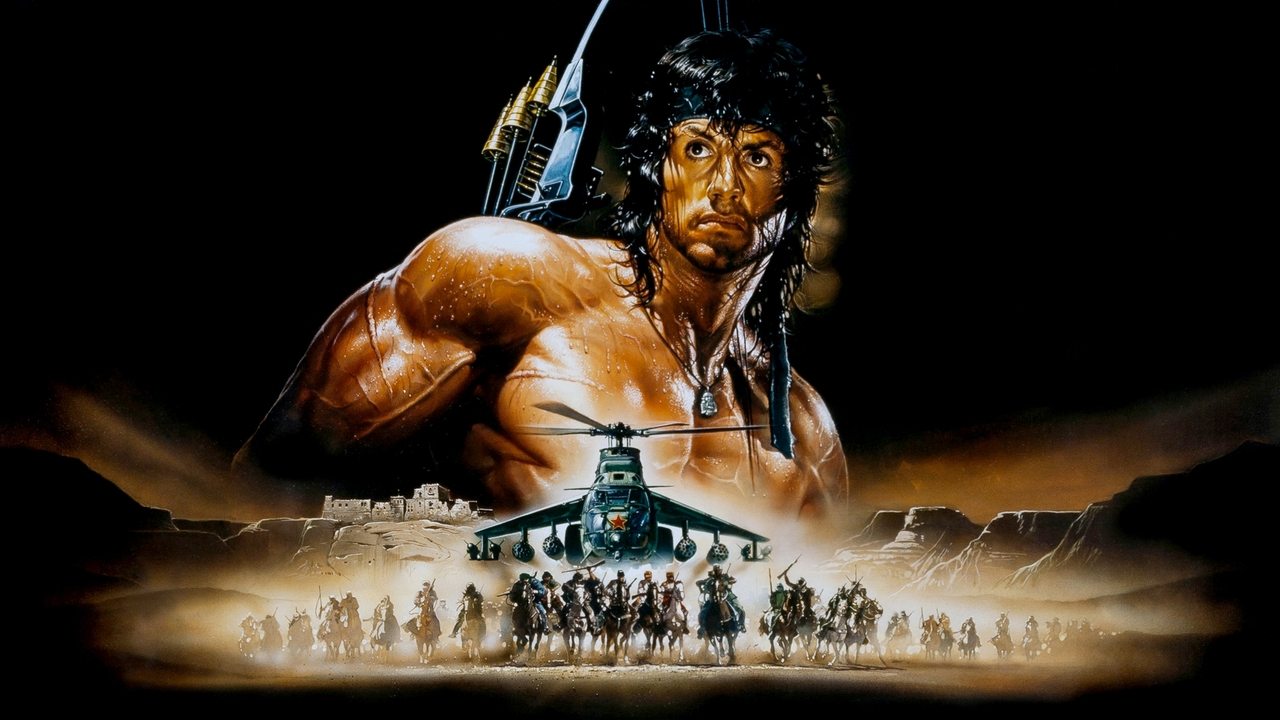
That exchange, delivered with stone-faced sincerity by Sylvester Stallone, is the exact moment Rambo III stops being a movie about a haunted veteran and starts being a beautiful, high-budget cartoon. By 1988, the John Rambo who wept in the arms of Richard Crenna at the end of First Blood was long gone, replaced by a bronzed demigod who could apparently take down a Soviet Hind gunship with a well-placed arrow.
I recently revisited this on an old DVD while sitting in a chair that has one leg shorter than the others, meaning I spent the entire runtime slightly tilted to the left. Honestly, it felt appropriate. The film itself is a lopsided monument to 1980s "more is more" filmmaking, an era where the solution to every narrative hurdle was to add another zero to the pyrotechnics budget.
The Monastery and the Minefield
The film kicks off with Rambo living in a Thai monastery, finding "inner peace" by participating in brutal stick-fighting matches for extra cash. It’s a classic 80s trope: the warrior-monk who just wants to be left alone until the plot knocks on his door. When his mentor, Colonel Trautman (Richard Crenna), gets captured during a mission in Afghanistan, Rambo has to dust off the headband.
What follows is essentially a 102-minute tour of the Afghan desert, featuring some of the most impressive practical effects of the decade. Director Peter MacDonald—who stepped in after the original director was fired a few days into shooting—was a renowned camera operator and second unit director (The Empire Strikes Back, Raiders of the Lost Ark). You can see that pedigree on screen. The film doesn't have the psychological weight of the original, but it looks spectacular. The scale is massive, the sets are sprawling, and the dust feels real because they were actually out there in the heat, throwing money at the screen in the form of C4.
The Peak of Practical Excess
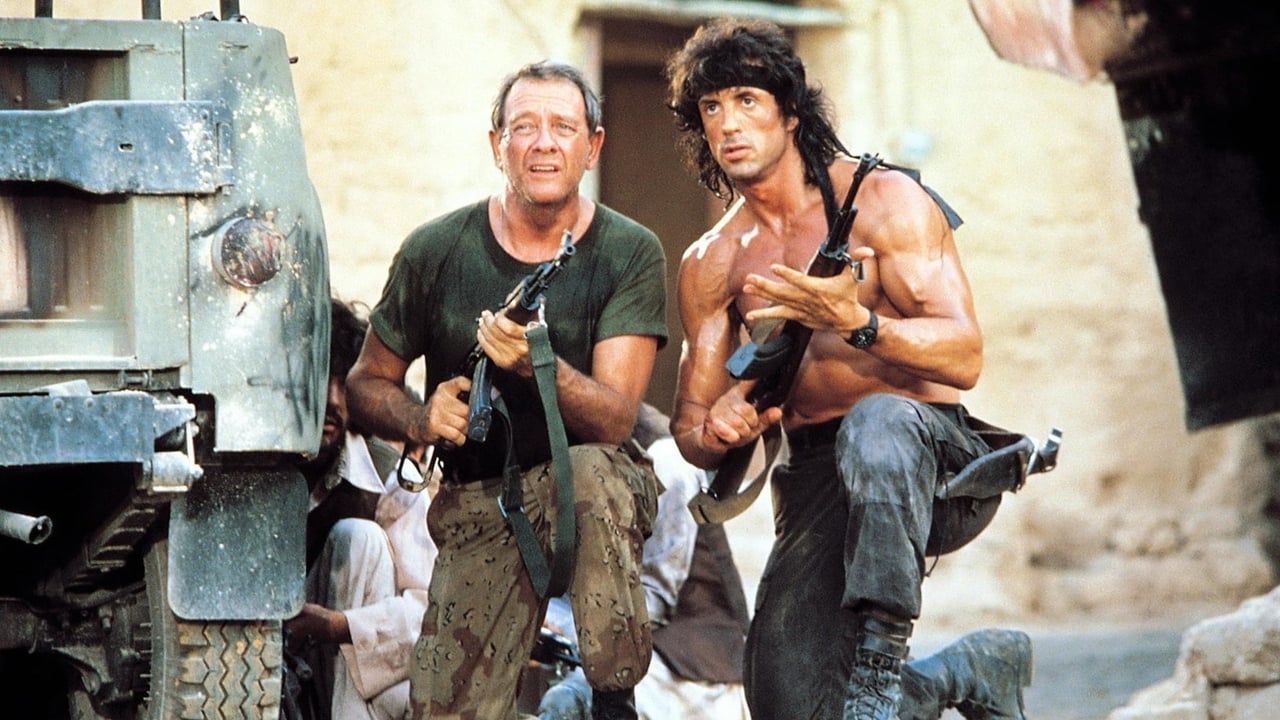
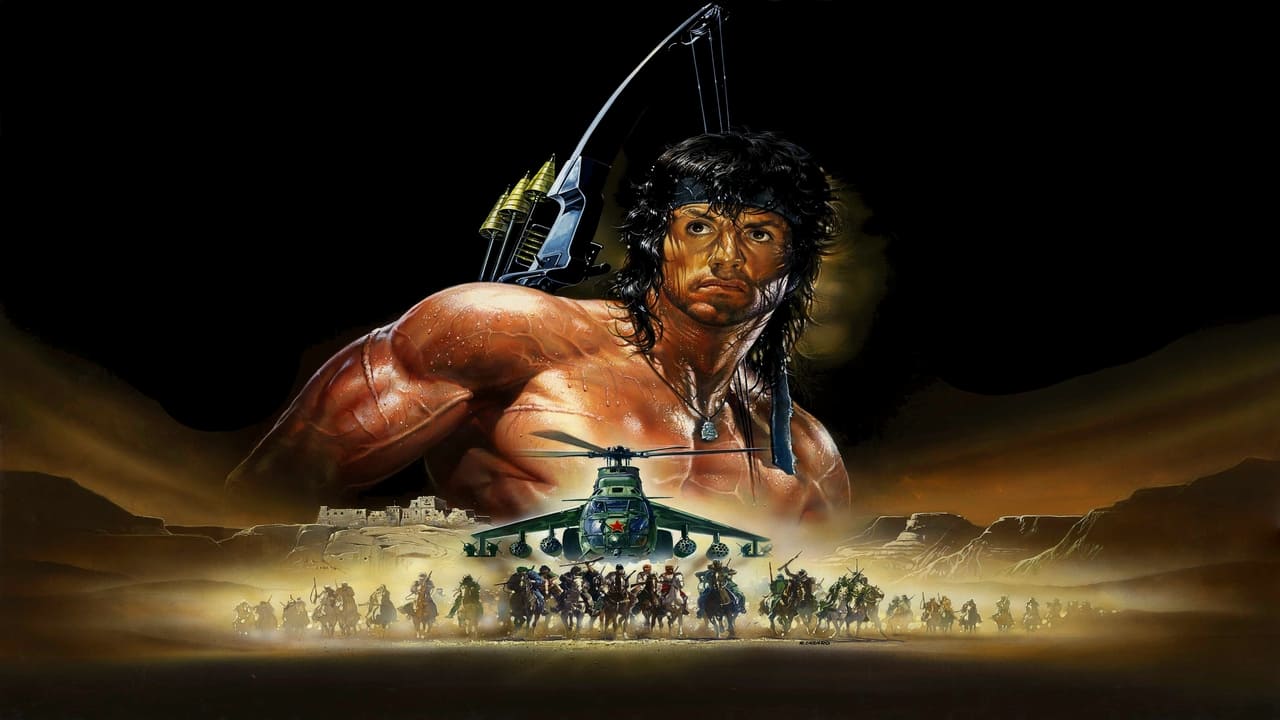
We need to talk about the action, because this movie treats a T-72 tank like a drift car. The sheer physicality of the stunts is something we’ve largely lost in the era of green screens. When you see Rambo charging a tank while riding a horse, that’s not a digital composite; that’s a real guy on a real horse. The climax, involving a head-on collision between a tank and a helicopter, remains one of the most audacious "did they really do that?" moments in action history.
The production was famously troubled and expensive. With a budget of $63 million, it was the most expensive film ever made at the time of its release. A huge chunk of that went into the logistics of filming in Israel and Arizona to replicate the Afghan landscape. It also earned a spot in the Guinness Book of World Records for being the most violent film ever made (at the time), with 108 deaths and 221 acts of violence. Watching it today, the violence feels almost operatic—it's so over-the-top that it loses its sting, becoming a rhythmic sequence of spectacular pyrotechnic bursts.
The VHS Rental Hero
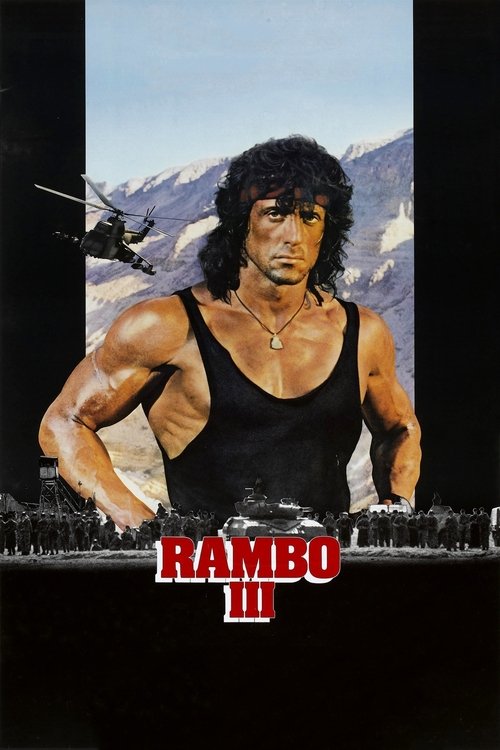
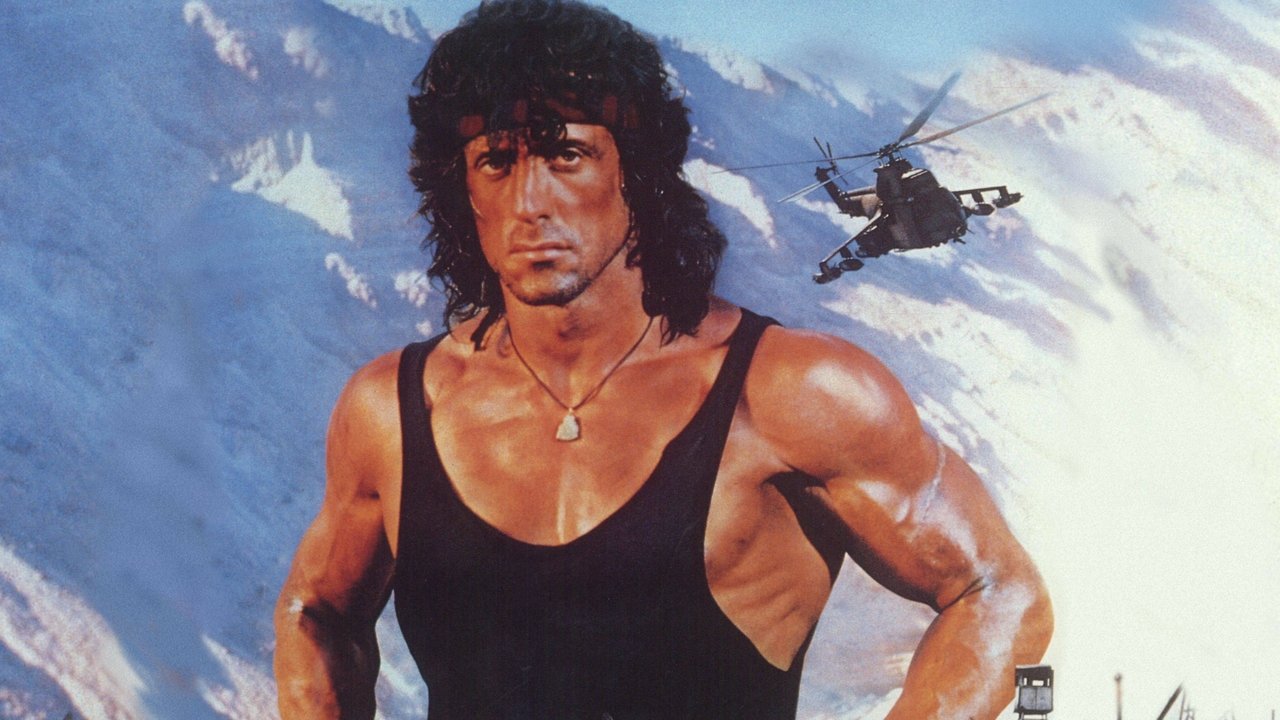
For a lot of us, Rambo III wasn't a theatrical experience; it was a weekend staple from the local video store. I remember the box art vividly—the saturated red of the headband against the tan desert, Stallone’s physique looking like it was chiseled out of mahogany. It was the kind of tape that stayed on the "New Releases" wall for months, its spine fading from the fluorescent lights.
There’s a specific texture to late-80s action on home video. The way the score by Jerry Goldsmith (who also did the incredible music for The Omen and Total Recall) would distort slightly when the explosions got too loud for your CRT TV speakers. Goldsmith’s work here is actually fantastic, blending traditional orchestral bombast with ethnic instrumentation that gives the film a grandeur it probably doesn't deserve. He manages to make Rambo feel like a mythic figure rather than just a guy with a very large knife.
The Weird Tidbits
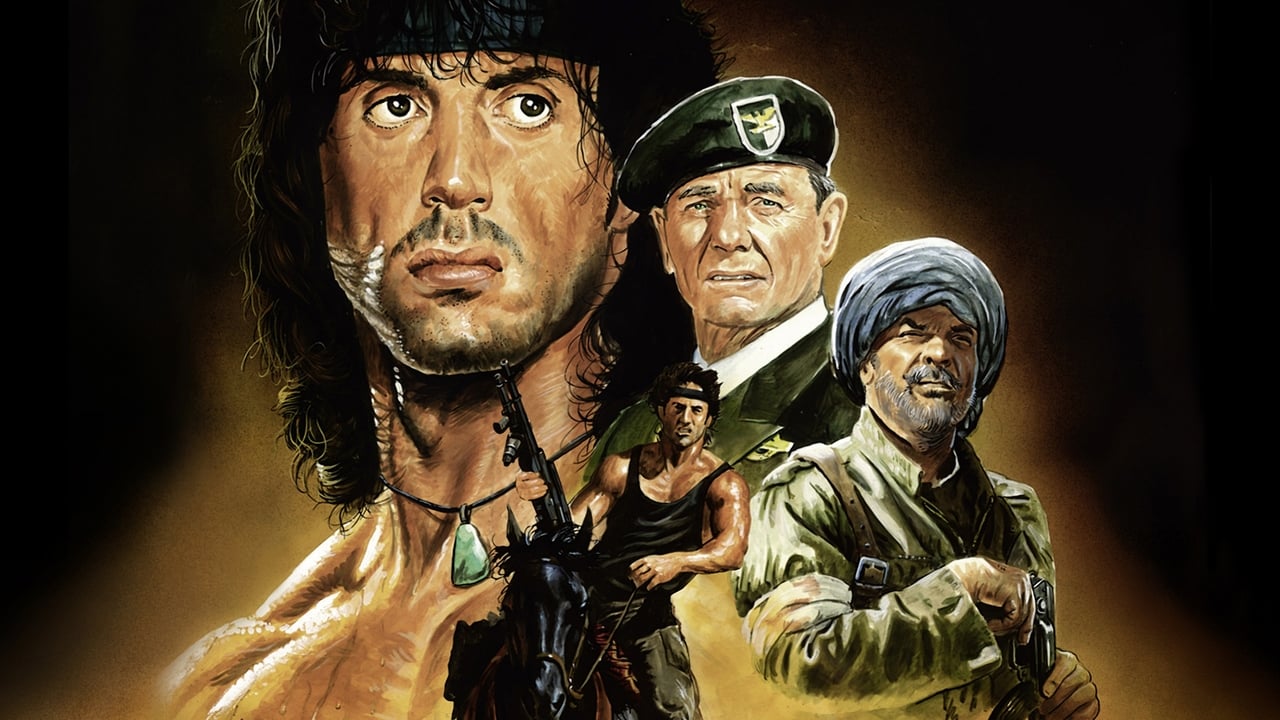
The Blue Light: That "blue light" joke wasn't in the script; it was an ad-lib from the set that Sylvester Stallone liked so much he kept it in. It remains the most human moment in the film. The Salary: Stallone reportedly received a Gulfstream jet as part of his $12 million salary for this film. That’s peak 80s stardom right there. The Dedication: For years, an urban legend claimed the film was dedicated to the Mujahideen. In reality, the end credits originally read, "to the gallant people of Afghanistan," which remains in most versions today. The Bow: The custom-made Hoyt Archery bow Rambo uses became a massive seller after the film. Every kid in the neighborhood suddenly wanted to be a tactical archer, much to the chagrin of local squirrels.
Rambo III is the ultimate "check your brain at the door" flick. It lacks the grit of the first film and the focused revenge of the second, but it replaces them with sheer, unadulterated spectacle. It’s a relic of a time when the Cold War provided easy villains and Hollywood had a seemingly bottomless pit of cash for practical stunts. Is it "good"? Not really. Is it an essential piece of 80s action history? Absolutely. It’s loud, it’s sweaty, and it features a man cauterizing a wound with gunpowder. What more do you want for five minutes of your time?
Keep Exploring...
-
Rambo: First Blood Part II
1985
-
First Blood
1982
-
Rambo
2008
-
Rambo: Last Blood
2019
-
Cliffhanger
1993
-
The Expendables
2010
-
The Expendables 2
2012
-
Cobra
1986
-
Never Say Never Again
1983
-
Octopussy
1983
-
A View to a Kill
1985
-
The Living Daylights
1987
-
Licence to Kill
1989
-
Tango & Cash
1989
-
The Expendables 3
2014
-
Thunderball
1965
-
You Only Live Twice
1967
-
Live and Let Die
1973
-
Moonraker
1979
-
For Your Eyes Only
1981