Red Heat
"Iron Curtain grit meets Chicago wit."
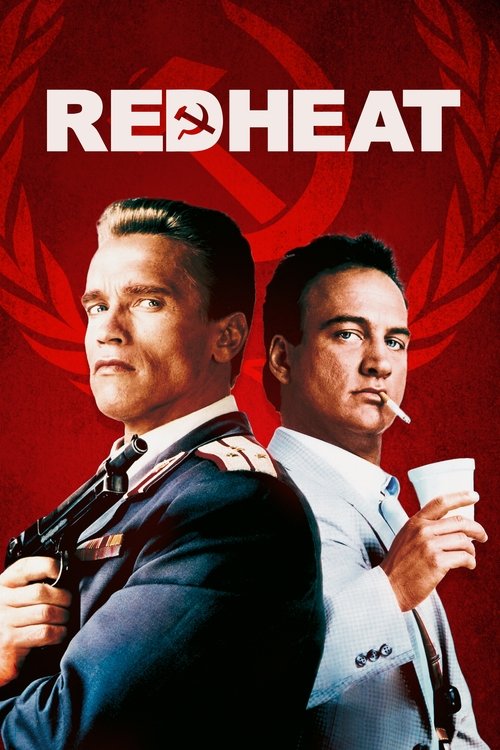
There is a specific kind of 1980s cinematic friction that occurs when you drop a literal iron curtain of a man into the neon-slicked chaos of Reagan-era Chicago. Red Heat doesn’t just lean into the "fish out of water" trope; it throws the fish into a deep fryer and watches the sparks fly. While most people point to 48 Hrs. as the definitive Walter Hill buddy-cop flick, there’s a grittier, more industrial charm to this Cold War collision that I find myself returning to whenever I need a dose of pure, unadulterated testosterone.
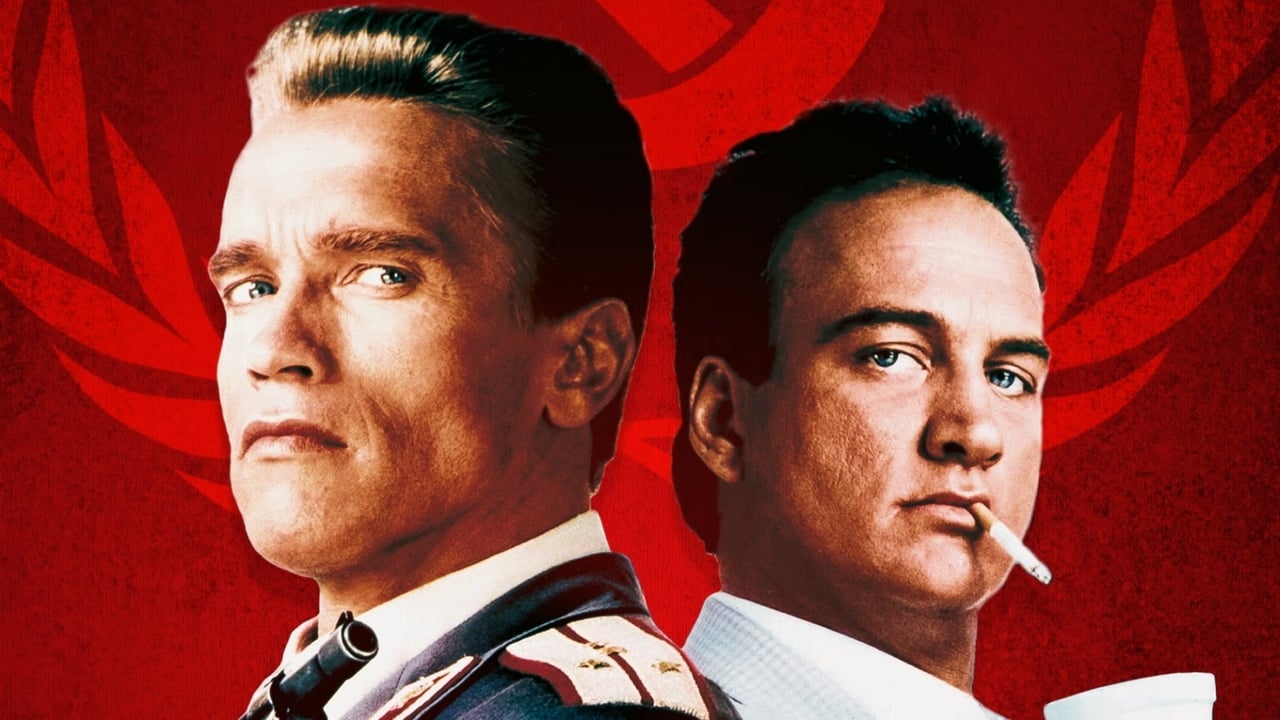
I watched this recently while wearing a ridiculously itchy wool sweater that my grandmother gave me, and the scratchy, uncomfortable warmth of the fabric felt like the perfect tactile accompaniment to the film’s brutal, Soviet-bloc aesthetic. It’s a movie that feels like it was forged in a furnace rather than filmed on a set.
Glasnost With a Gun
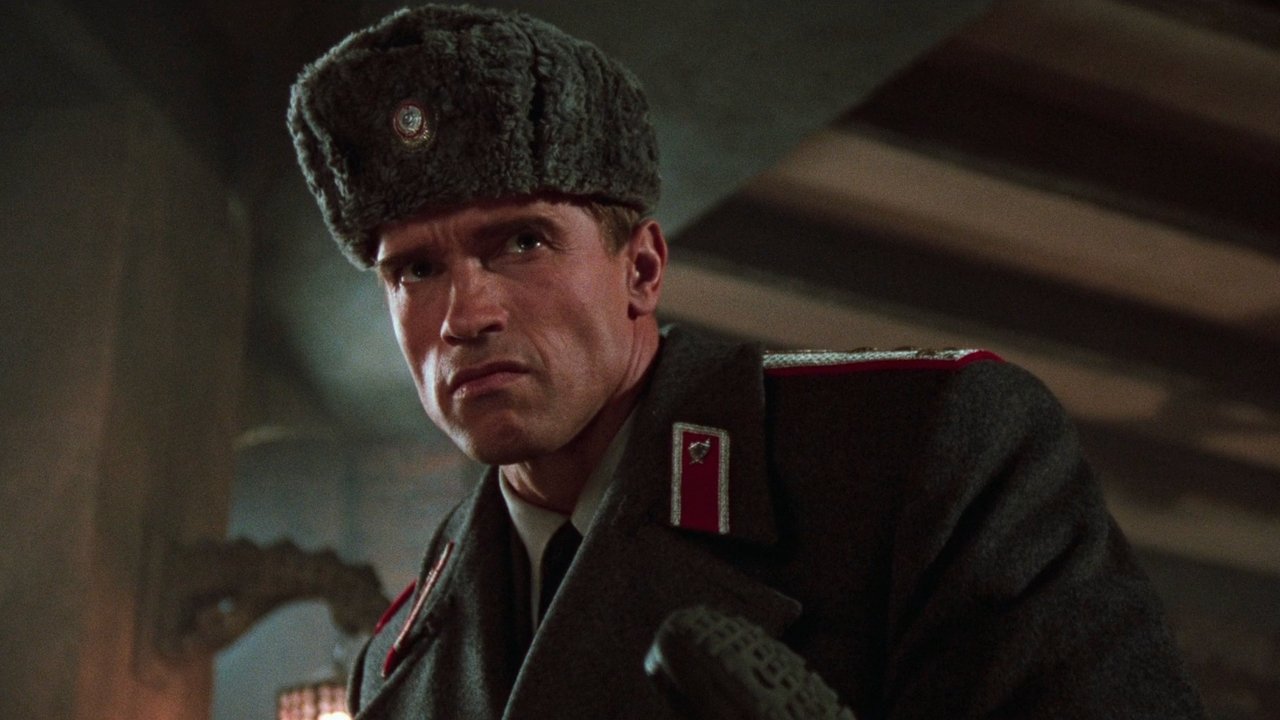
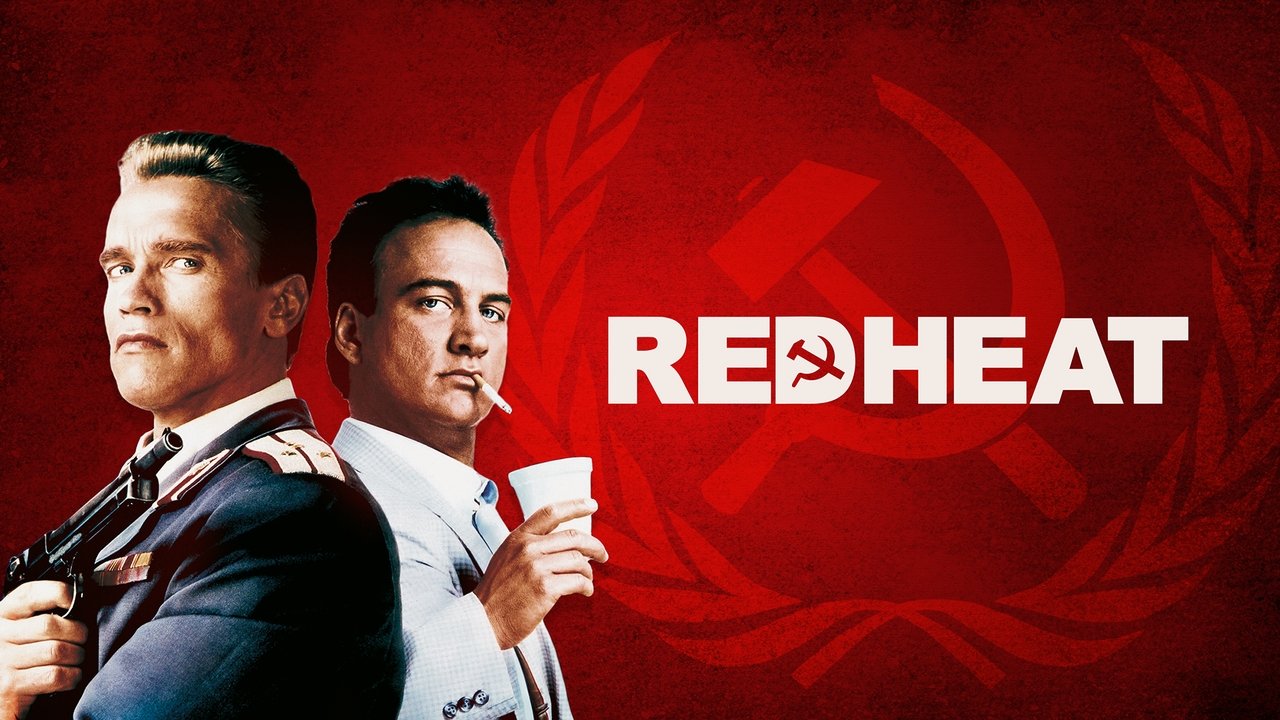
The film opens with a sequence that sets the tone perfectly: a naked sauna fight in the snow. It’s peak Walter Hill—physical, punishing, and utterly devoid of fluff. Arnold Schwarzenegger plays Ivan Danko, a man who is basically a sentient slab of granite. Unlike his turn in The Terminator, where the lack of emotion was programmed, here it’s a byproduct of the Soviet machine. When he travels to Chicago to extradite a Georgian drug lord (played with sleazy menace by Ed O'Ross), he’s paired with Art Ridzik, played by Jim Belushi.
I honestly believe Jim Belushi gets a raw deal in the history of 80s action. He isn't trying to be an action star; he’s the human personification of a crumpled fast-food bag. His Ridzik is sloppy, cynical, and loud—the perfect counterpoint to Danko’s terrifyingly efficient silence. While the "mismatched partners" thing was already a cliché by 1988, the political subtext gives it a fresh coat of paint. It’s not just a personality clash; it’s a clash of ideologies. Danko thinks American Miranda rights are a joke; Ridzik think's Danko's "hand-to-hand interrogation" methods are a lawsuit waiting to happen.
Steel, Smoke, and Stunt Buses
The action in Red Heat possesses a weight that you just don't see in modern, CGI-heavy blockbusters. When things break in this movie, they look like they hurt. The centerpiece is the climactic bus chase through the streets of Chicago. Walter Hill didn't settle for a standard car chase; he opted for two massive, lumbering transit buses playing a game of chicken at forty miles per hour. It’s essentially a demolition derby with public transit, and the lack of digital interference makes every crunch of metal feel momentous.
The cinematography by Matthew F. Leonetti captures a version of Chicago that feels lived-in and grimy, far removed from the polished skylines of a Ferris Bueller day off. This is a city of alleyways, bus depots, and dimly lit precinct offices. The sound design follows suit—the gunshots don't "pew-pew," they "thud." The heavy caliber of Danko’s "Podbyrin 9.2mm" pistol (actually a modified Desert Eagle) sounds like a cannon being fired in a hallway. It’s oppressive in the best way possible.
The Carolco Gold Mine
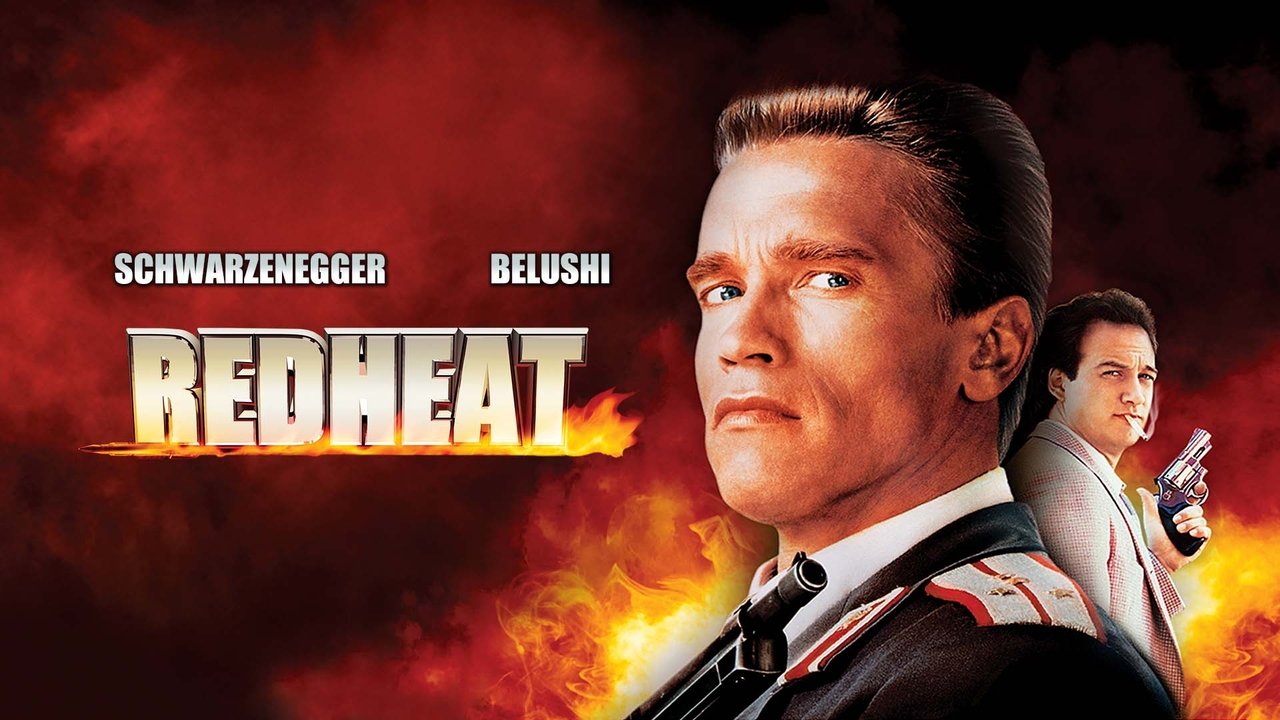
If you grew up perusing the "Action" aisle of a local video store, the Carolco Pictures logo was a seal of quality. It promised big budgets, bigger stars, and a certain level of "hard-R" violence that felt illicit and exciting. Red Heat was a staple of those shelves, its box art featuring Arnold Schwarzenegger in his stiff Soviet uniform looking like he could punch a hole through the sun.
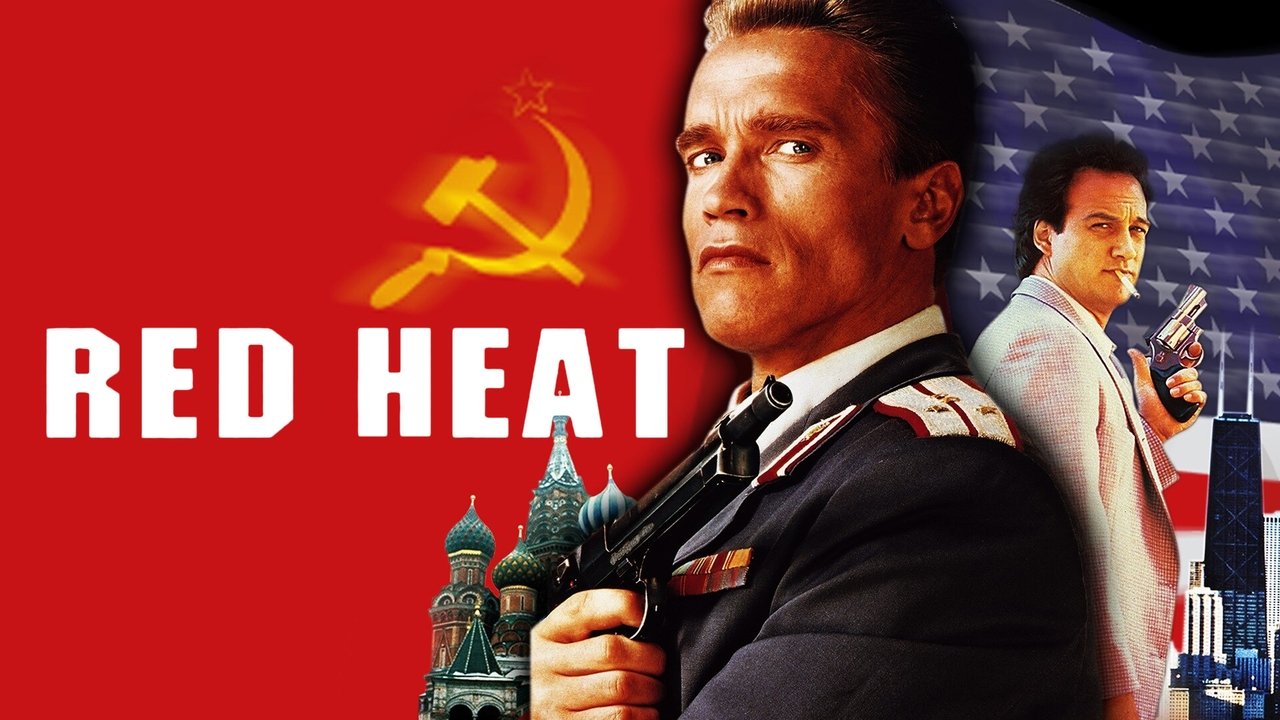
Interestingly, the film holds a unique place in history as the first American production allowed to film in Moscow’s Red Square. Walter Hill and a skeleton crew essentially "stole" those shots, working with a minimal permit to capture Arnold in front of the Kremlin. That authenticity anchors the first ten minutes, making the transition to the grime of Chicago feel even more jarring.
The supporting cast is a "who’s who" of talent that hadn't quite hit their peak yet. Seeing a young Laurence Fishburne (credited as Larry) as a stern Lieutenant and a magnetic Gina Gershon as the femme fatale reminds you that even the most straightforward action movies of this era were stacked with genuine actors. Even Peter Boyle shows up to do his best "exasperated captain" routine, and he’s clearly having a blast.
The film doesn't reinvent the wheel, but it balances the wheel on the edge of a cliff and dares it to fall. It’s a fascinating time capsule of a moment when Hollywood was trying to figure out how to talk to the Soviet Union through the language of explosions. The pacing is tight, the jokes mostly land (thanks to Belushi’s impeccable timing), and the James Horner score provides a dark, percussive heartbeat that drives the whole thing forward.
While it was overshadowed at the box office by Die Hard later that same summer, Red Heat remains a high-water mark for the practical action era. It’s a movie that understands that the best special effect is often just two large men looking at each other with intense mutual suspicion. If you can track down a copy—or find it buried in a streaming library—it’s the perfect way to spend a Friday night with the volume turned up. Just make sure you aren't wearing an itchy wool sweater when you do.
Keep Exploring...
-
48 Hrs.
1982
-
Raw Deal
1986
-
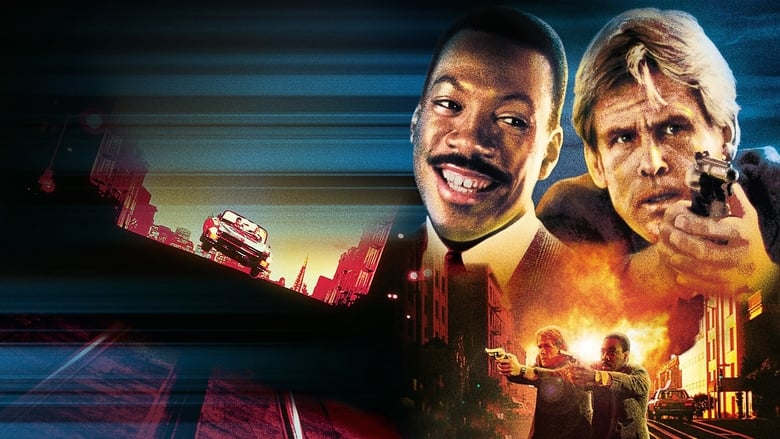
Another 48 Hrs.
1990
-
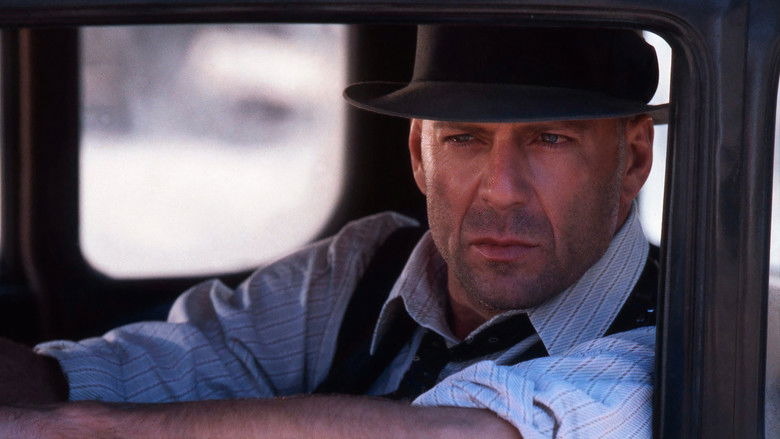
Last Man Standing
1996
-
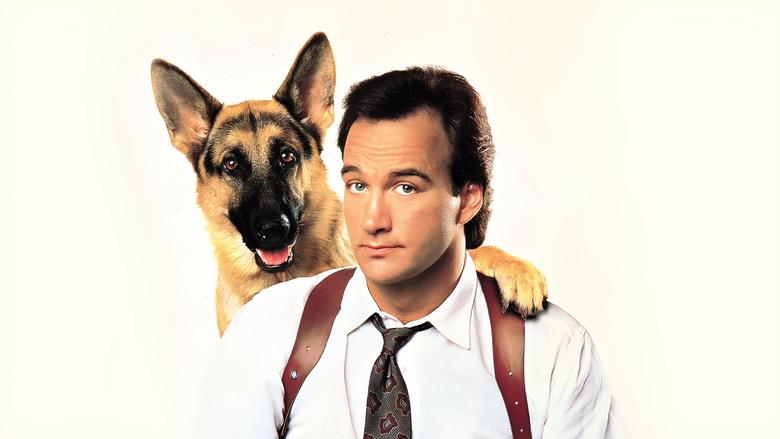
K-9
1989
-
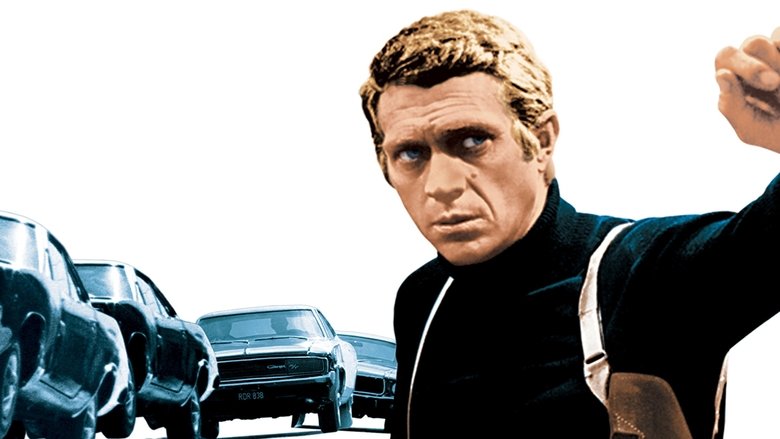
Bullitt
1968
-
Cobra
1986
-

Midnight Run
1988
-
The Dead Pool
1988
-
Lock Up
1989
-
Turner & Hooch
1989
-
Marathon Man
1976
-
Conan the Destroyer
1984
-

Bullet to the Head
2012
-

The Enforcer
1976
-
Batman
1966
-

Magnum Force
1973
-
Sudden Impact
1983
-
Beverly Hills Cop
1984
-
Beverly Hills Cop II
1987