Scrooged
"Yuppie greed meets ghostly justice in high-def holiday chaos."
Most Christmas movies try to sell you a warm hug and a cup of cocoa, but Scrooged starts by trying to sell you a TV special called The Night the Reindeer Died, featuring Lee Majors defending Santa’s workshop with an assault rifle. It is the most "1988" opening imaginable—a cynical, neon-soaked, high-concept middle finger to the saccharine sentimentality of the holiday season. I first watched this on a flickering CRT television while trying to untangle a massive, knotted ball of Christmas lights that eventually just snapped in my hands, and honestly, that frustration is the perfect headspace for this movie.
The Gospel According to Frank Cross
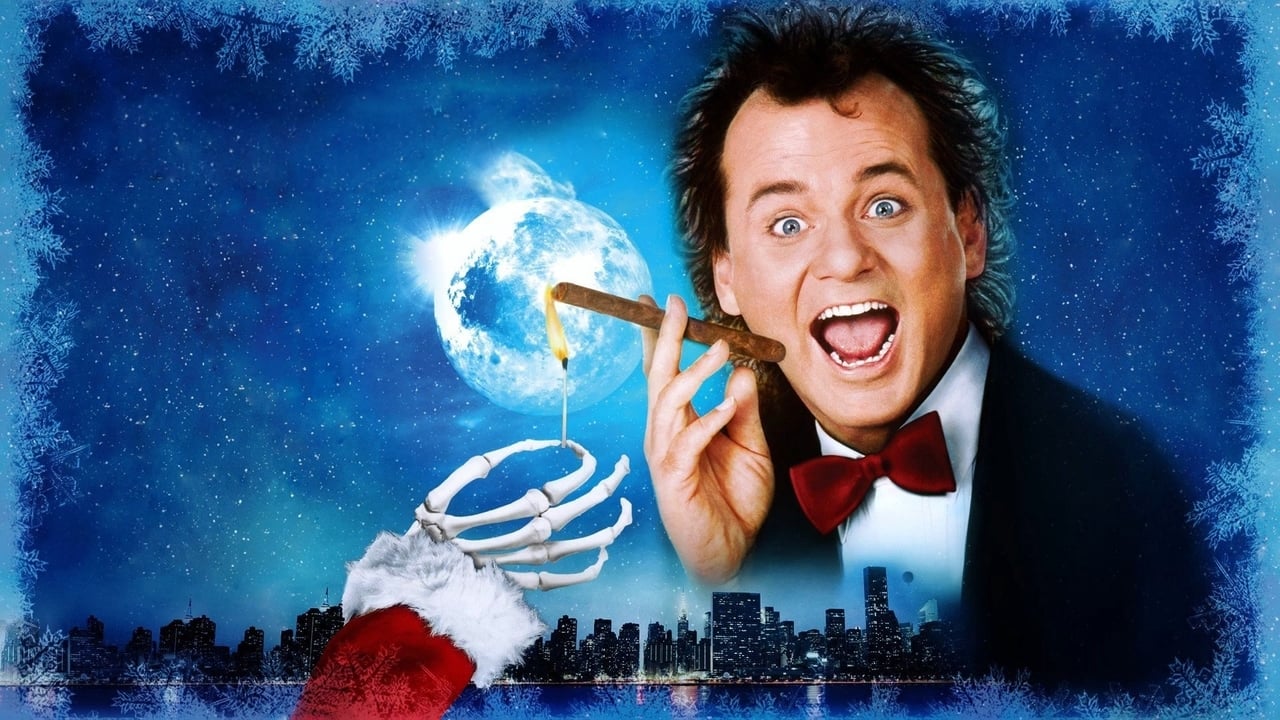
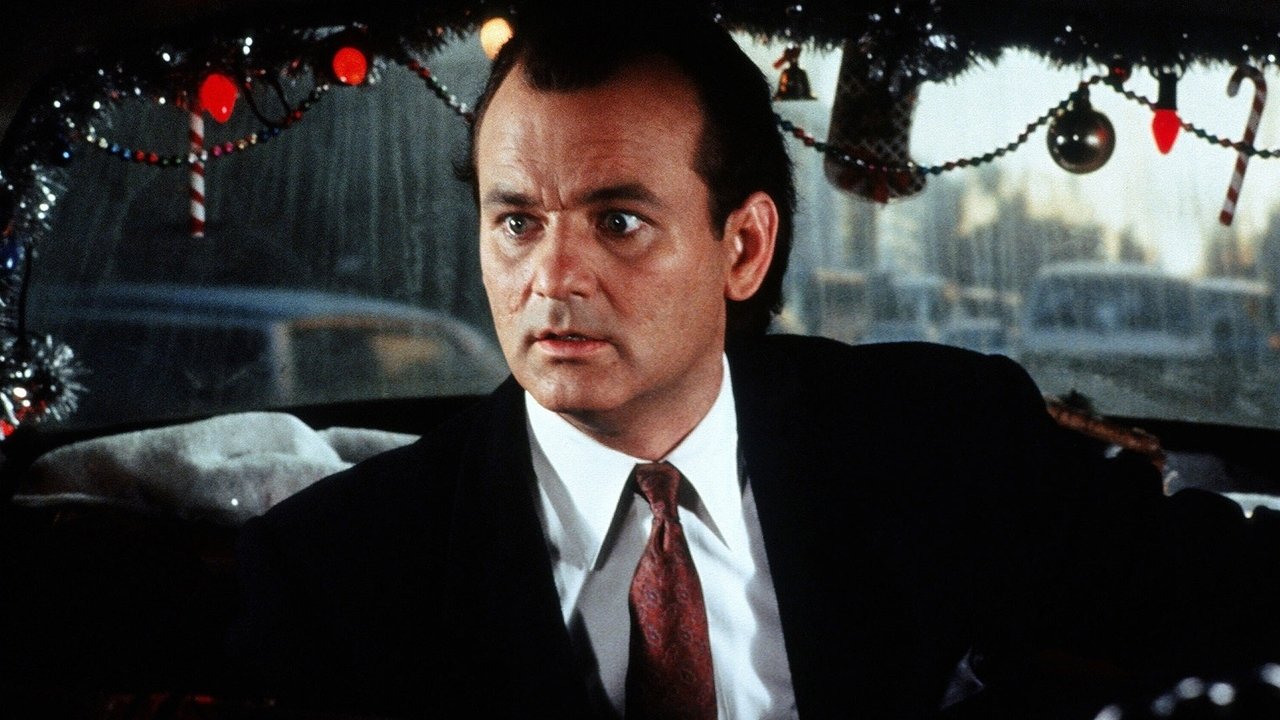
By the time 1988 rolled around, the "New Hollywood" grit of the 70s had fully curdled into the corporate excess of the Reagan era, and no one captured that transition quite like Bill Murray as Frank Cross. This isn't the cuddly, eccentric Murray we see in modern indie films; this is the high-voltage, manic, and genuinely mean Murray. He’s a television executive who is so committed to his own brand of misery that he gives his employees monogrammed towels for Christmas—and fires Bobcat Goldthwait (playing the pitiable Eliot Loudermilk) on Christmas Eve just for having a conscience.
Frank is a magnificent monster. He’s the guy who thinks a promo featuring a sequence of urban terror is the best way to market A Christmas Carol. Bill Murray plays him with a frenetic energy that feels like he’s vibrating at a different frequency than the rest of the cast. It’s a performance that reminds me why he was the king of the 80s; he could be a total jerk and yet, through some alchemical magic of comedic timing, you still want to see where he’s going next. He’s surrounded by a stellar ensemble, including Karen Allen as the "one who got away," who provides the film’s only real heartbeat, and John Glover as the smarmy, younger rival Bryce Cummings, who is basically the human embodiment of a "Yuppie for Sale" sign.
Practical Nightmares and Ghostly Taxis
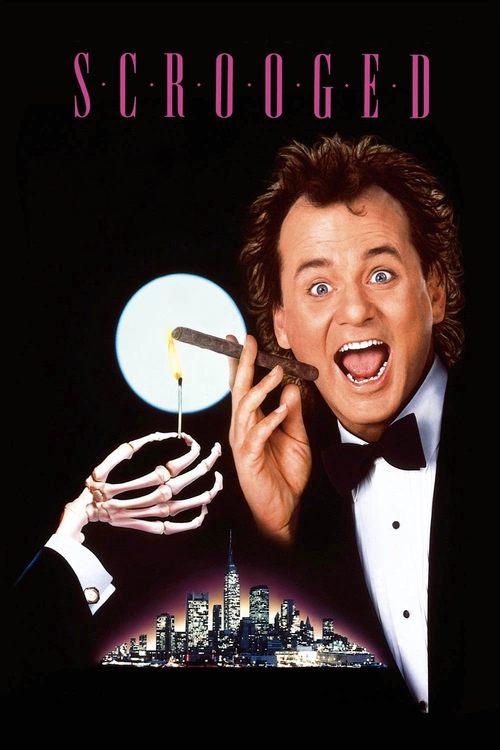
If you grew up in the VHS era, you probably remember the box art for Scrooged—Murray’s face slightly distorted, looking like he’d been through a blender. That visual DNA carries over into the film's incredible practical effects. Directed by Richard Donner (the man who gave us the gritty realism of Lethal Weapon and the wonder of Superman), the film leans heavily into the grotesque.
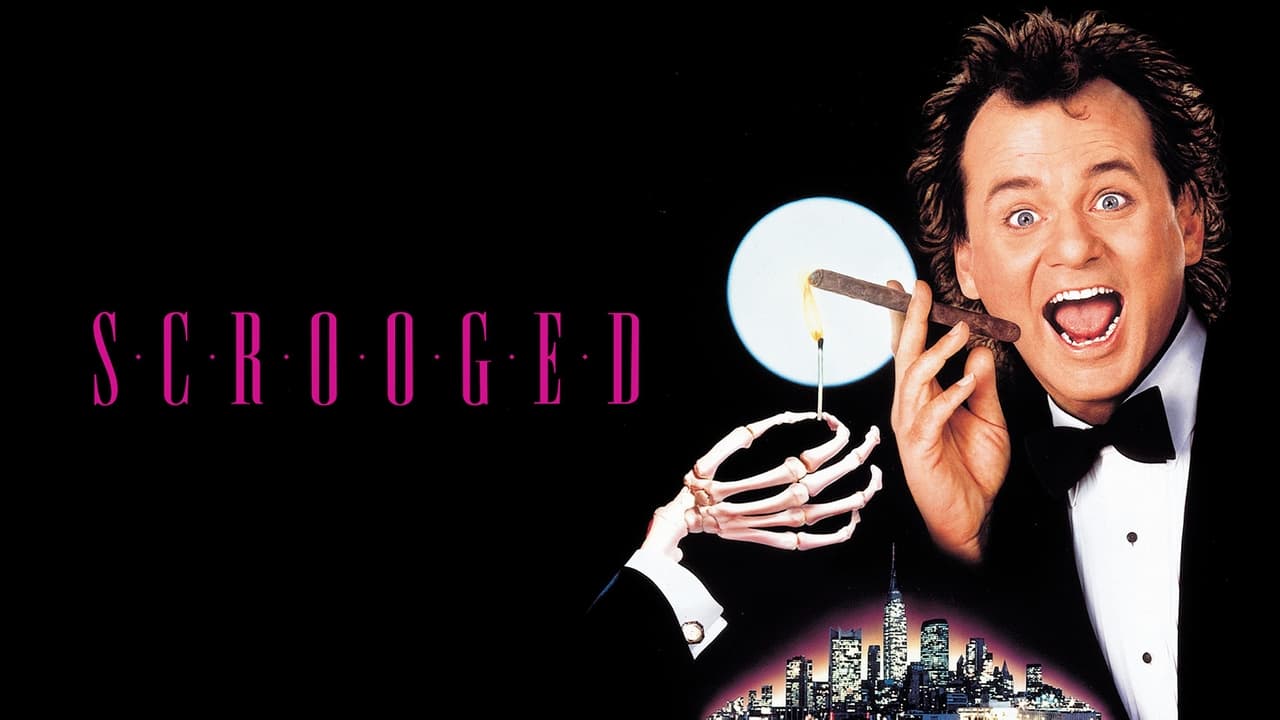
The Ghost of Christmas Past is a cigarette-chomping, New York cab driver played by the late, great David Johansen, and he’s a chaotic delight. But it’s the Ghost of Christmas Present—a violent, glittery pixie played by Carol Kane—who steals the show. She spends half her screen time physically assaulting Murray, which, according to on-set legends, resulted in some actual injuries. The sheer tactility of these effects is what makes the 80s so special. When we see the Ghost of Christmas Future, which looks like a towering skeletal TV monitor with lost souls trapped behind the glass, it carries a weight that modern CGI simply can't replicate. It’s a haunted house attraction disguised as a blockbuster comedy, and the seams showing in the makeup only make it feel more authentic.
The Weirdest Redemption in Cinema
The screenplay by Mitch Glazer and Michael O'Donoghue (the latter being one of the darkest minds from the early years of Saturday Night Live) creates a strange friction. The movie spent ninety minutes being a biting satire of corporate greed and media manipulation, and then it has to pivot to a "happy" ending.
The finale of Scrooged is legendary for being one of the most polarizing scenes in holiday cinema history. Frank Cross breaks the fourth wall, hijacks a live broadcast, and delivers a rambling, semi-improvised monologue about the "miracle" of Christmas that feels less like a redemption and more like a public mental breakdown. My hot take? Frank Cross's final monologue is a terrifying descent into madness, not a redemption. He’s not "cured"; he’s just transitioned from being a cynical jerk to being a manic cult leader. And yet, when the cast starts singing "Put a Little Love in Your Heart," you can’t help but lean into the chaos.
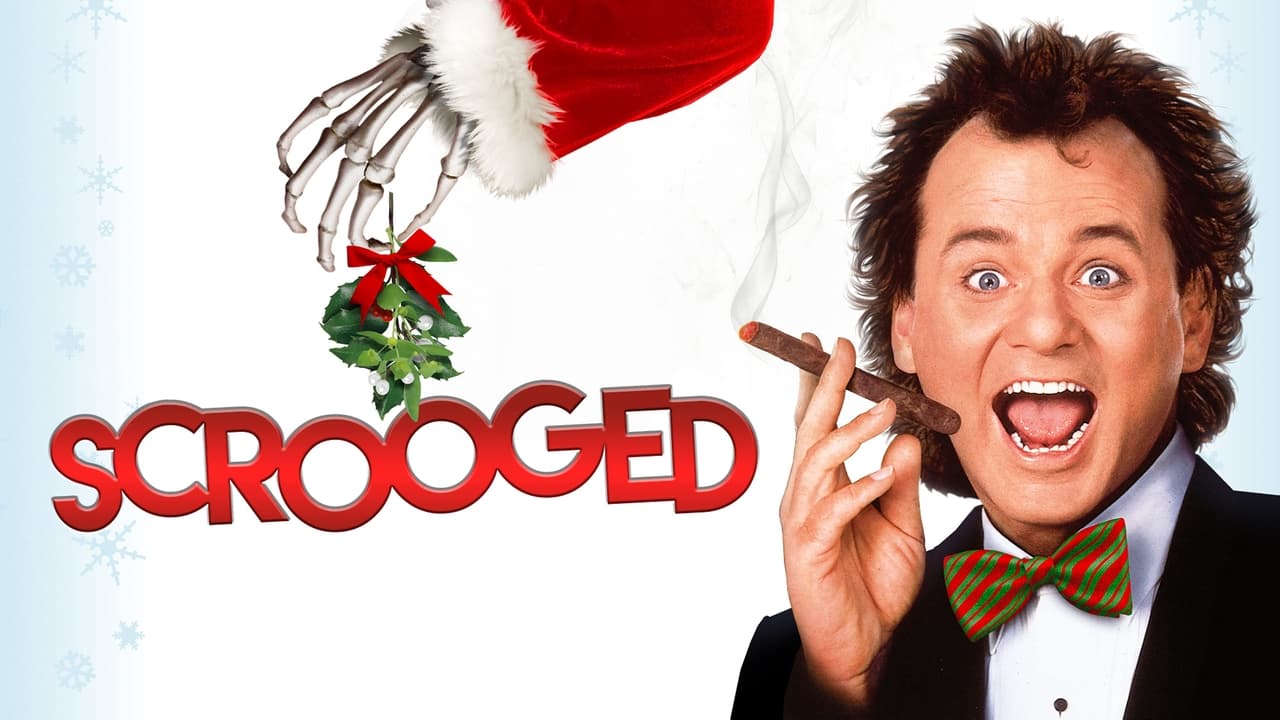
Watching this now, it feels like a time capsule of an era where even the "family" movies had teeth. It’s got a cameo from Robert Mitchum as a senile network owner obsessed with TV for cats, and a score by Danny Elfman that sounds like a darker, twisted version of his work on Beetlejuice. It’s a messy, loud, and frequently mean-spirited movie that somehow ends up being more memorable than any of the "clean" Dickens adaptations.
Scrooged remains the ultimate antidote to holiday boredom. It captures that specific late-80s texture where the sets are too big, the hair is too tall, and the cynicism is thick enough to cut with a knife. While the tonal shift at the end might give you whiplash, the journey there—led by Bill Murray at the peak of his powers—is a comedy masterclass that rewards every rewatch. Grab your old VHS copy (or the nearest 4K stream) and let the spirits move you in "odd and hysterical ways."

Keep Exploring...
-
Ladyhawke
1985
-

All Dogs Go to Heaven
1989
-

Big
1988
-

Risky Business
1983
-
The Goonies
1985
-
The Purple Rose of Cairo
1985
-

An American Tail
1986
-
Lethal Weapon
1987
-
Lethal Weapon 2
1989
-
Say Anything...
1989
-
The Adventures of Baron Munchausen
1988
-

The Muppet Christmas Carol
1992
-
Maverick
1994
-

Bedknobs and Broomsticks
1971
-
Stripes
1981
-
Tango & Cash
1989
-
Time Bandits
1981
-
Ghostbusters
1984
-
Gremlins
1984
-
Big Trouble in Little China
1986