The Adventures of Baron Munchausen
"Logic is an anchor. Imagination is a hot air balloon."
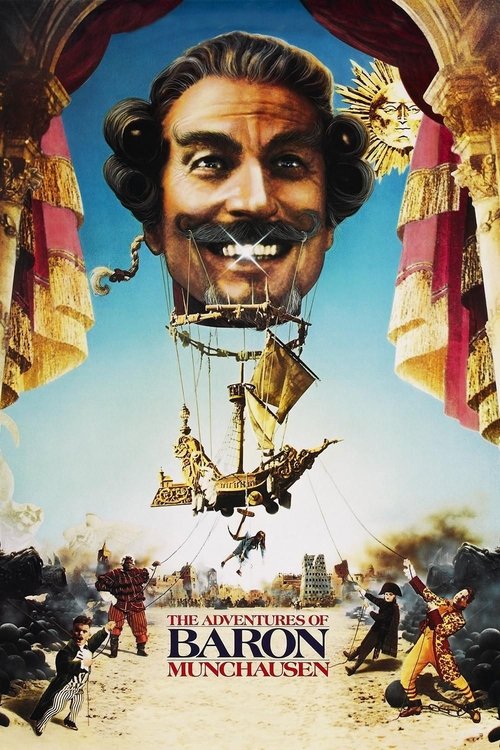
In 1988, while the rest of Hollywood was busy trying to figure out how to make muscle-bound men in headbands look heroic, Terry Gilliam was busy setting fire to forty-six million dollars to see if he could make a man fly to the moon in a ship made of silk knickers. There is a certain kind of madness required to make a film like The Adventures of Baron Munchausen, a production so famously cursed and financially catastrophic that it nearly took Columbia Pictures down with it. But as I sat down to rewatch this recently—distracted only by the persistent ticking of a radiator that sounds remarkably like a ticking time bomb—I realized that this is exactly the kind of beautiful, bloated failure we simply don't get anymore.
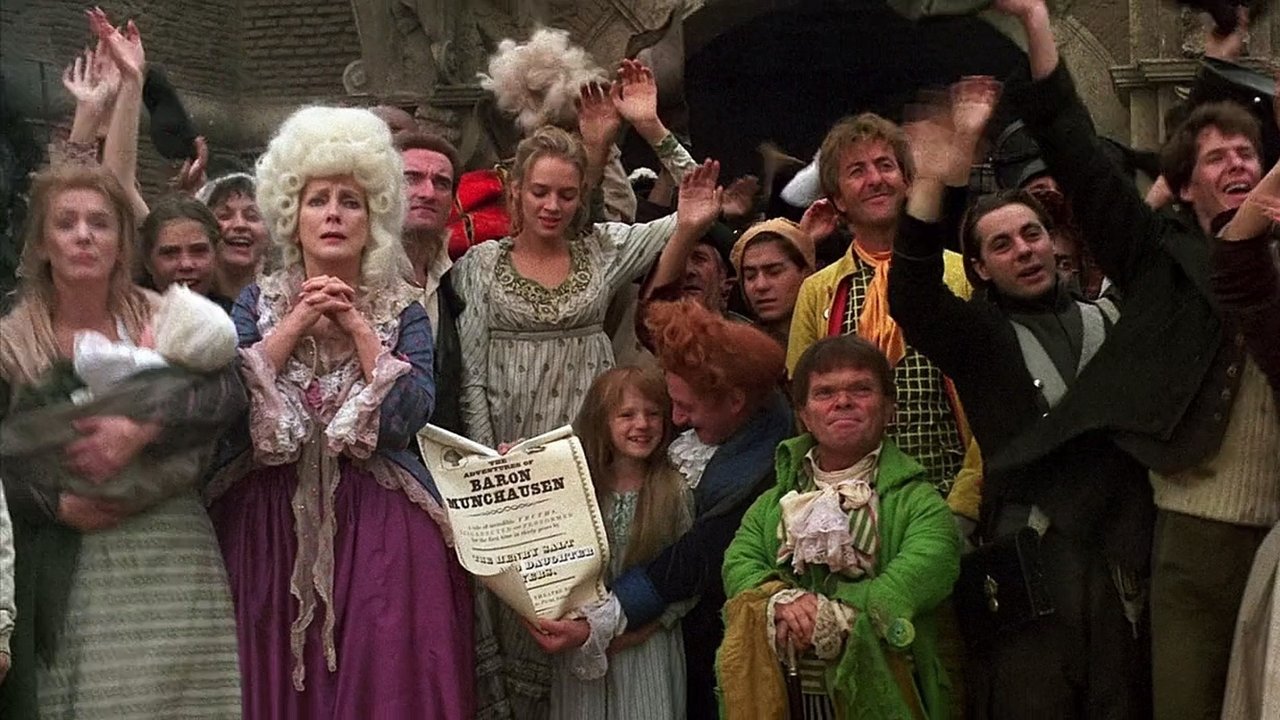
The War Between Reason and Ridiculousness
The film dropped at the tail end of a decade defined by excess, yet it felt totally out of step with its contemporaries. While Die Hard was redefining the action hero, Terry Gilliam was concluding his "Trilogy of Imagination" (following Time Bandits and Brazil) with a story that explicitly hates the concept of logic. The plot, such as it is, finds the legendary Baron (played with a weary, aristocratic sparkle by John Neville) attempting to save a besieged city from the Turks by reuniting his super-powered, aging cohorts.
It’s a film about the death of wonder. The antagonist isn’t just the Turkish army; it’s the "Age of Reason" personified by Jonathan Pryce’s Horatio Jackson, a man who wants to execute soldiers for being too brave because it upsets the balance of his ledgers. This tension makes the film feel remarkably modern. The Baron is essentially the original 'Alternative Facts' merchant, and we love him for it because the truth he offers is so much more vibrant than the grey reality surrounding him.
A Practical Effects Fever Dream
Watching this today serves as a stark reminder of what we lost when the industry pivoted to CGI. Every frame of The Adventures of Baron Munchausen is packed with a tactile, grimy density that you can almost smell. When the Baron and the young Sally Salt (Sarah Polley in her breakout role) end up inside the belly of a giant sea monster, it doesn't look like a digital asset; it looks like a damp, cavernous theater set built by a madman.
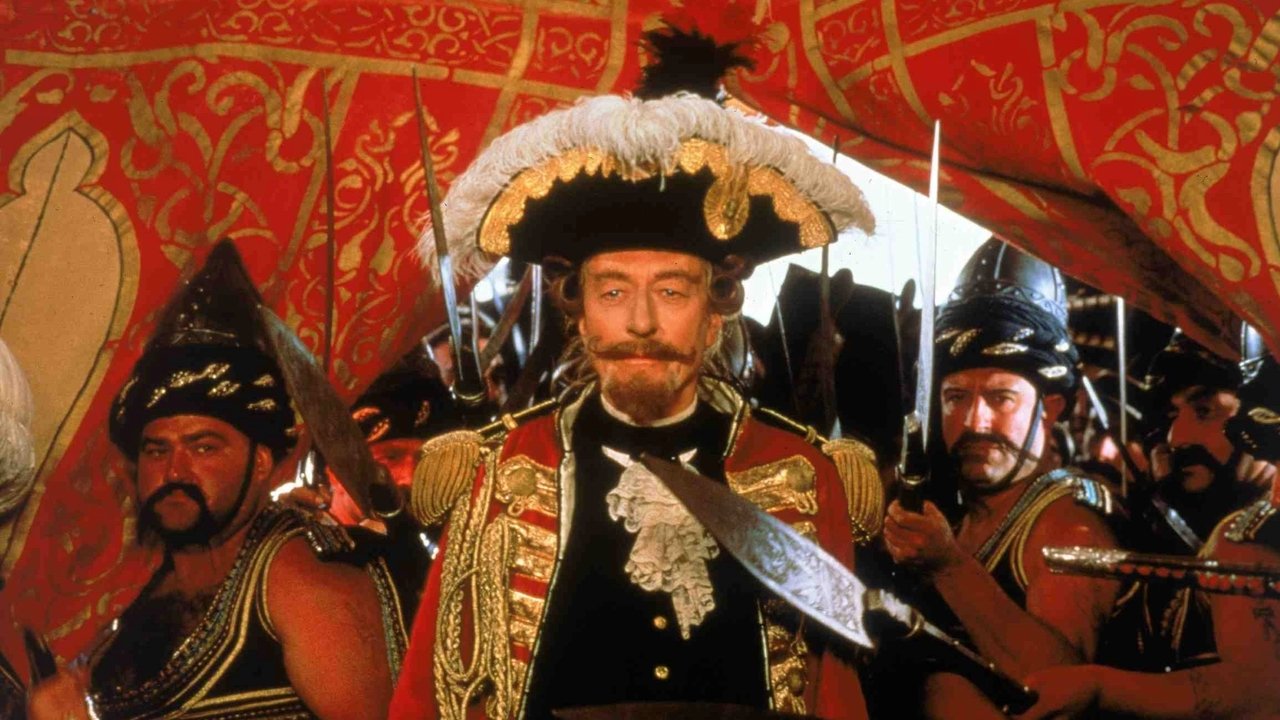
The production was a nightmare, largely because Terry Gilliam refused to compromise on the scale. The "Sultan's Palace" sequences, filmed at Cinecittà in Rome, are masterpieces of production design. You have Oliver Reed as a jealous, booming Vulcan and Uma Thurman (only 17 at the time) emerging from a seashell as Venus in a shot that Giuseppe Rotunno’s cinematography turns into a living Botticelli painting.
There’s a famous story that the budget spiraled so far out of control that the studio tried to shut it down multiple times. Apparently, producer Thomas Schühly had to pull every trick in the book to keep the cameras rolling. You can see every cent of that struggle on screen. The "Moon" sequence—featuring an uncredited, manic Robin Williams as the King of the Moon—is a triumph of miniatures and wirework. Robin Williams' head floating independently of his body is more convincing than most $200 million Marvel third acts.
The Video Store Holy Grail
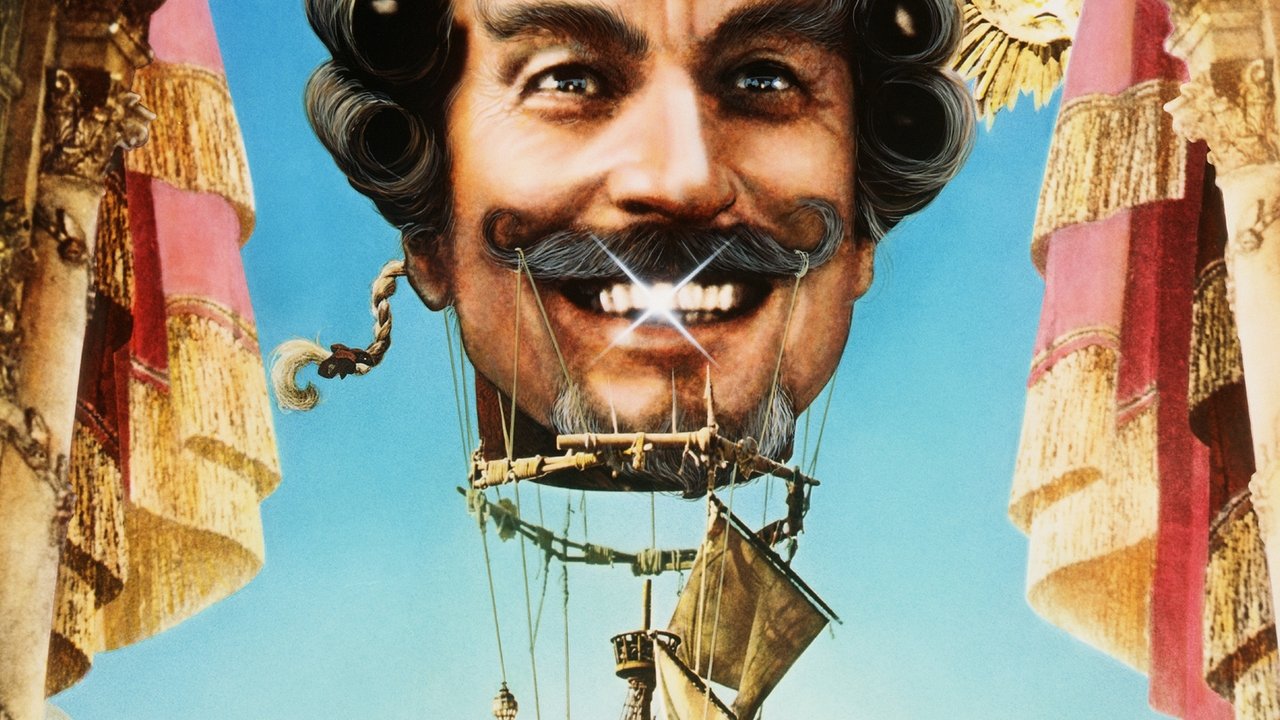
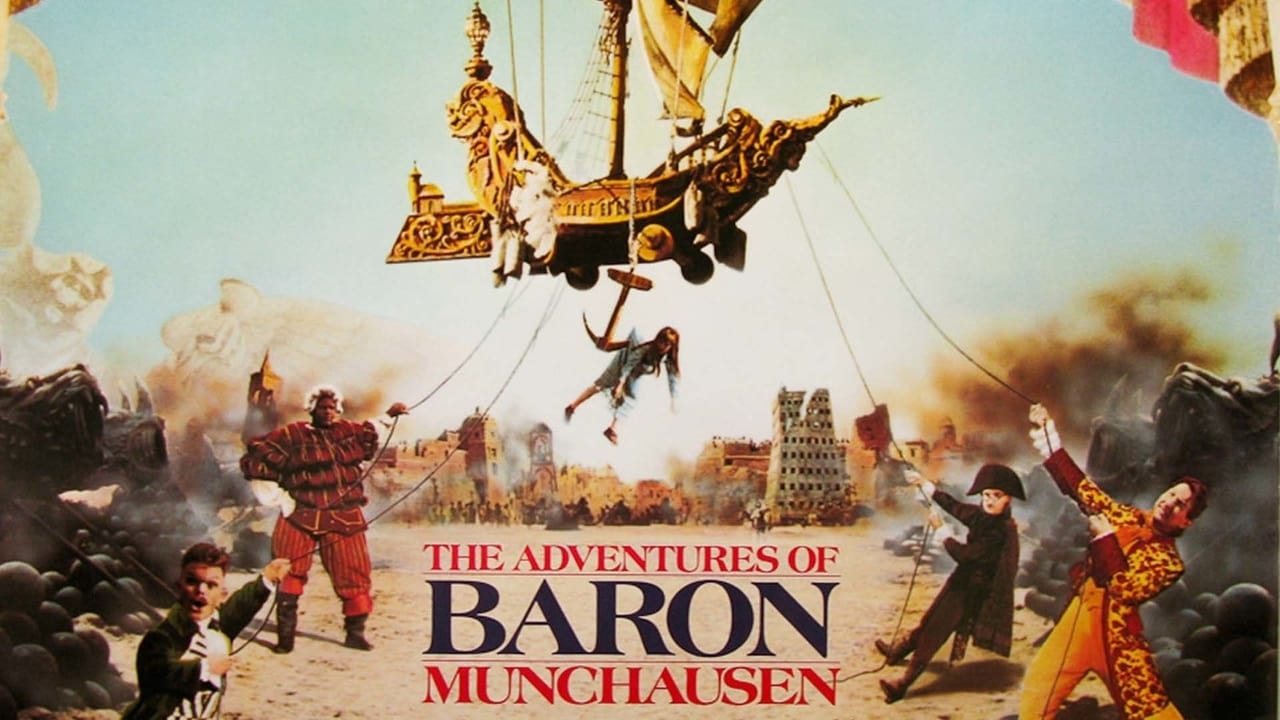
If you were a kid in the early 90s, this movie didn’t exist in theaters—it existed as a heavy, oversized clamshell VHS box at the local rental haunt. It was one of those "discovery" movies. The cover art, featuring the Baron riding a cannonball, promised a level of adventure that the film actually delivered, which was a rarity in an era of deceptive VHS marketing.
I found that watching it on tape actually enhanced the experience; the slight grain of the analog format softened the edges of the matte paintings and made the transitions between the "real" world and the Baron's tall tales feel more seamless. It became a cult staple because it demanded repeat viewings just to catch the details in the background—the Clockwork Grim Reaper, the giant bees, or the way Eric Idle (as the world's fastest man, Berthold) vibrates with an energy that feels like he’s trying to escape the frame itself.
It’s also worth noting the chemistry of the "misfit" crew. Charles McKeown (who co-wrote the script), Winston Dennis, and Jack Purvis bring a Vaudeville energy that keeps the film from becoming too pretentious. They aren't just characters; they are remnants of a lost world of storytelling.
The Adventures of Baron Munchausen is a glorious mess. It is too long, the pacing occasionally trips over its own ruffled collar, and it is frequently more interested in its own visuals than the people inhabiting them. But in an era of calculated, safe blockbusters, this film feels like a miracle. It is a loud, colorful, expensive argument for the necessity of lying to ourselves just to make life bearable. If you can track down a copy—ideally one that hasn't been scrubbed too clean by a digital "restoration"—do yourself a favor and let the Baron take you for a ride.
It’s a film that proves that even if you’re falling to your death, you might as well enjoy the view on the way down. Between the incredible practical stunts and the sheer audacity of the set pieces, I walked away feeling like my own life was a little too "Reason-based." I think I’ll go buy a cannonball. Or at least another box of cereal.
Keep Exploring...
-
Time Bandits
1981
-
Monty Python and the Holy Grail
1975
-
Ladyhawke
1985
-

The Man Who Killed Don Quixote
2018
-

Bedknobs and Broomsticks
1971
-
Big Trouble in Little China
1986
-
The Princess Bride
1987
-
The Brothers Grimm
2005
-
Romancing the Stone
1984
-
The Jewel of the Nile
1985
-
The Purple Rose of Cairo
1985
-

An American Tail
1986
-

Scrooged
1988
-

All Dogs Go to Heaven
1989
-
Fear and Loathing in Las Vegas
1998
-
Brazil
1985
-

DuckTales: The Movie - Treasure of the Lost Lamp
1990
-
National Lampoon's European Vacation
1985
-
The Castle of Cagliostro
1979
-
Asterix and Cleopatra
1968