The Big Blue
"The abyss is calling, and it has no lungs."

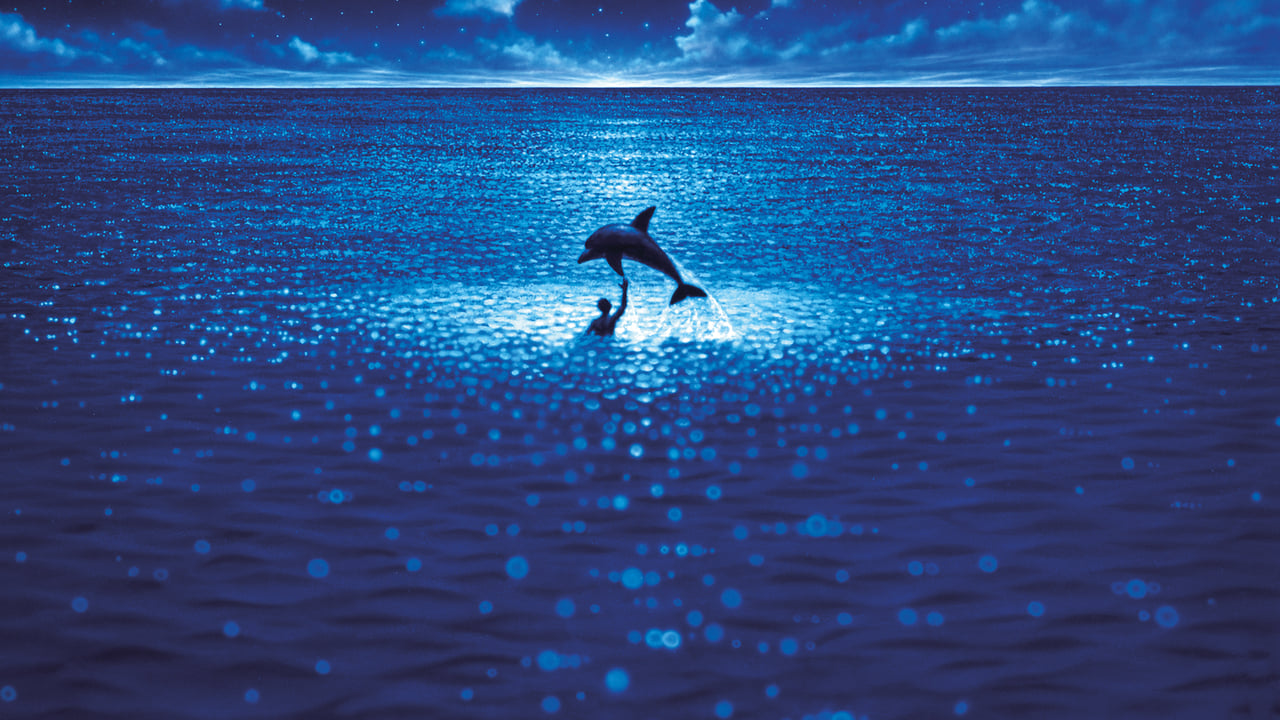
I watched The Big Blue for the first time while eating a slightly stale ham sandwich, and by the forty-minute mark, I found myself so entranced by the screen that I’d forgotten to chew. There is something fundamentally hypnotic about Luc Besson’s 1988 masterpiece—a film that feels less like a narrative and more like a slow, pressurized descent into a dream. If you grew up wandering the aisles of a local video store, you probably remember the box. It usually featured a deep, impossible azure background with a lone diver or a dolphin, promising an adventure that the 1980s American marketing machine didn’t quite know how to handle.
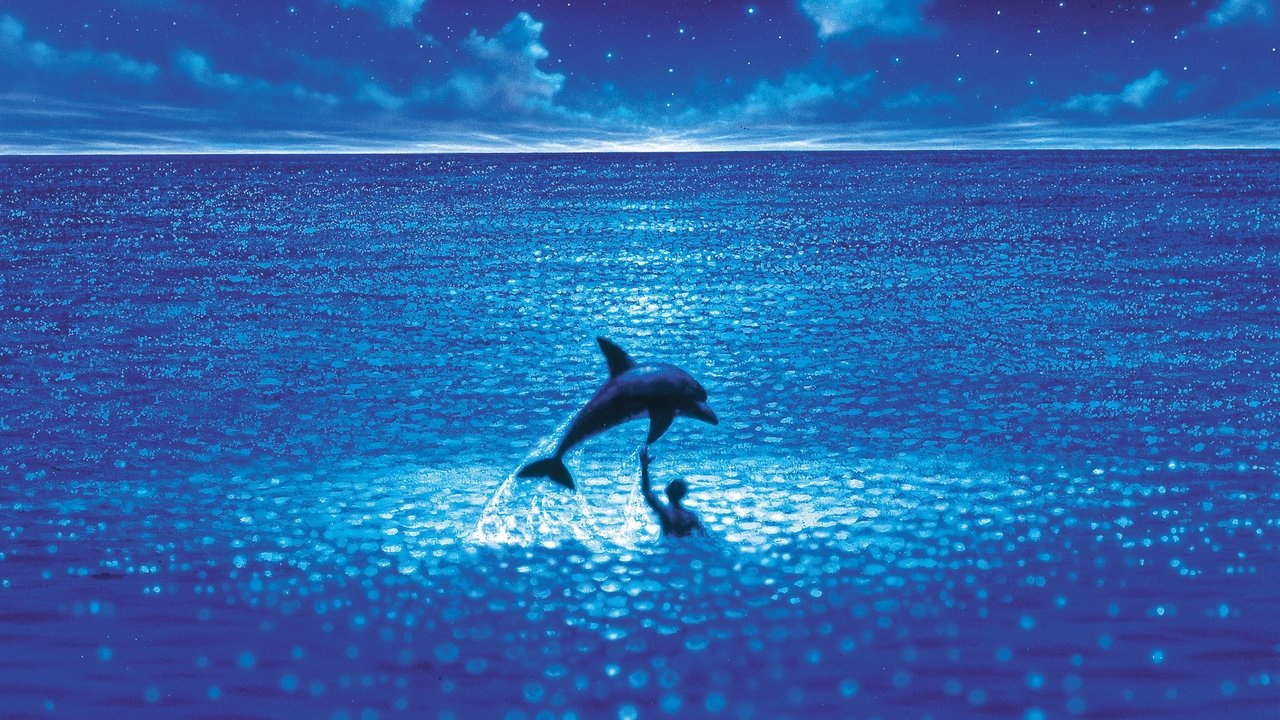
In the States, the studio panicked. They hacked the 168-minute runtime down to a brisk 118 minutes, replaced Éric Serra’s ethereal, synth-heavy score with something more "traditional" by Bill Conti, and even tacked on a happy ending. It was a disaster. But for those of us who tracked down the "Version Longue" on a chunky double-tape VHS set, we discovered a film that redefined what "adventure" could look like. It wasn’t about explosions; it was about the silent, crushing weight of the soul.
The Gospel of the Deep
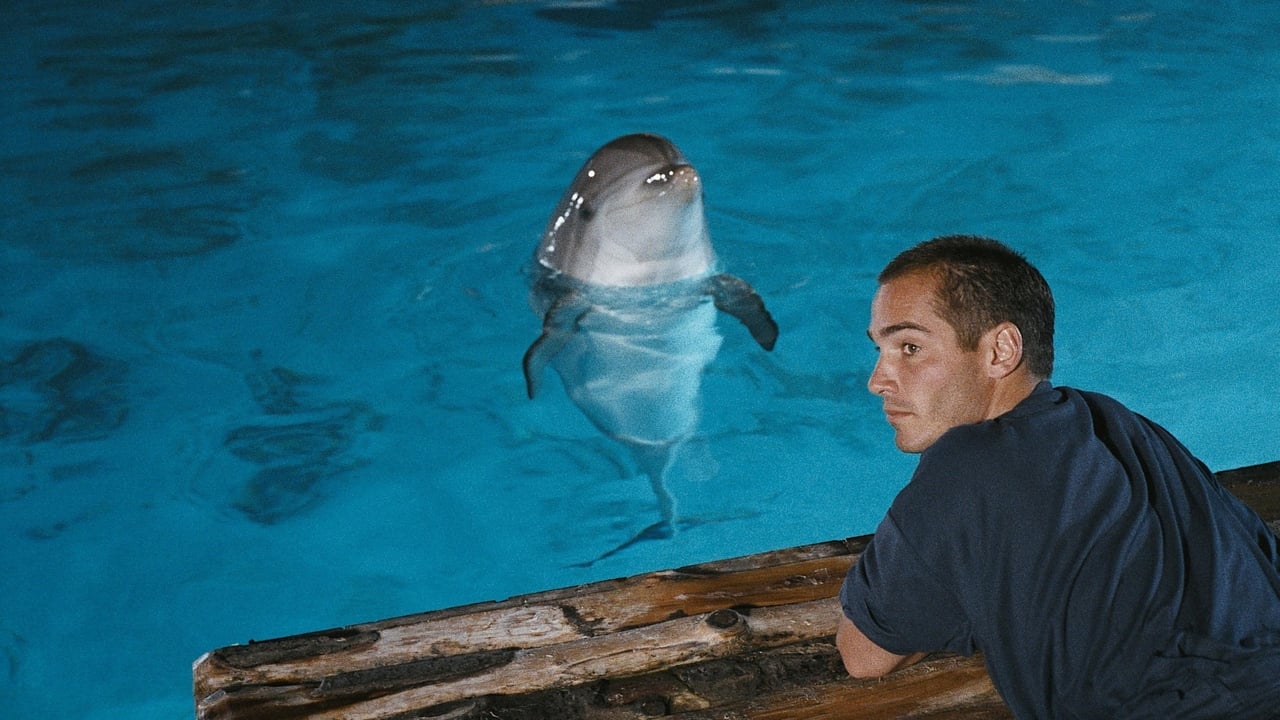
The story follows the lifelong rivalry between two free divers: Jacques Mayol (Jean-Marc Barr) and Enzo Molinari (Jean Reno, appearing here as Juan Moreno). Jacques is a man who feels more at home with dolphins than humans, a quiet, almost alien presence whose heart rate drops to impossible levels the moment he hits the water. Enzo, by contrast, is a force of nature—boisterous, ego-driven, and fueled by a competitive streak that borders on the suicidal.
Jean-Marc Barr plays Jacques with a wide-eyed, detached innocence that could have been annoying in a lesser actor’s hands, but here it feels genuinely aquatic. He’s a man who belongs to the sea, and the tragedy of the film is watching Rosanna Arquette, as the insurance investigator Johana, try to tether him to the dry, boring world of mortgages and relationships. Arquette does a lot of heavy lifting here; she has to be the audience’s entry point into this weird, hyper-masculine world of breath-holding, and she manages to make her character’s desperation feel earned rather than just "needy."
Then there’s Jean Reno. Before he was an international superstar in Léon: The Professional (another Besson collaboration), he was Enzo. He dominates every frame he’s in, eating spaghetti with a ferocity that suggests he might swallow the plate, too. The chemistry between him and Barr is the film’s true romance. It’s a brotherhood built on a shared obsession with a place where no human is meant to survive.
Style Over (and Under) Substance
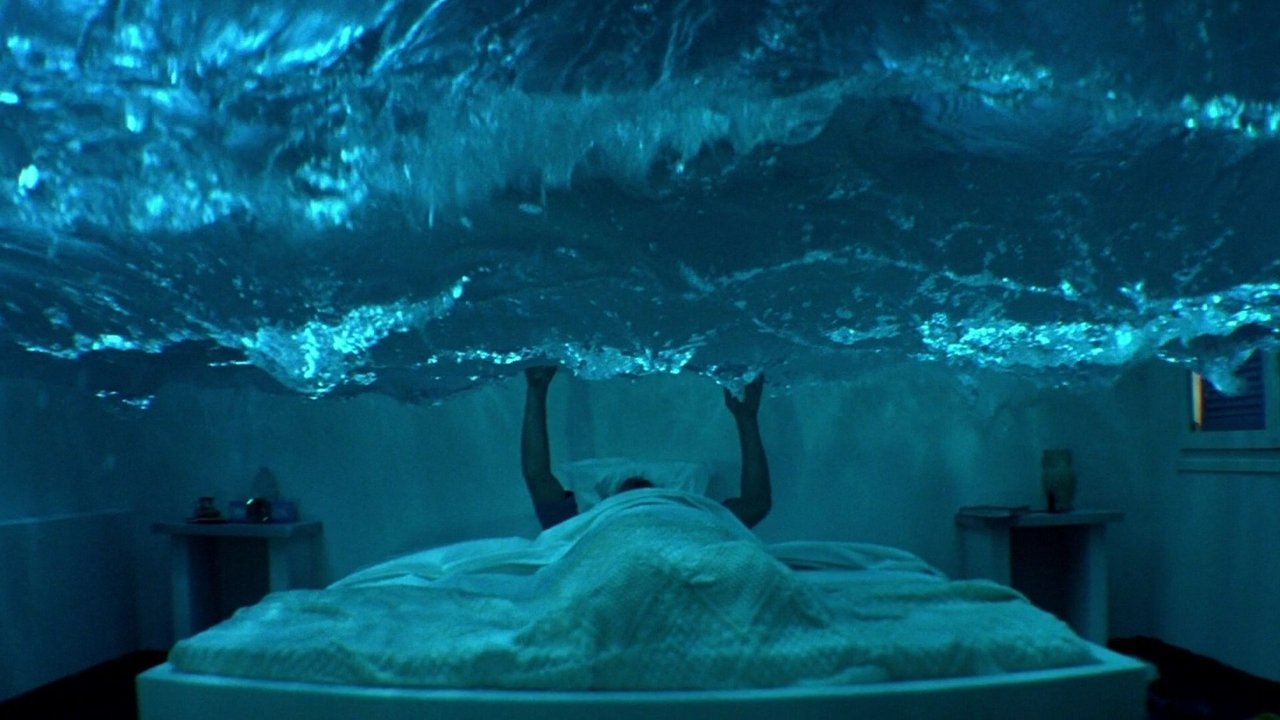
Critics at the time loved to throw the term Cinéma du Look at Besson, suggesting he cared more about pretty pictures than depth. To that, I say: have you seen these pictures? Shot by Carlo Varini, the cinematography captures the Mediterranean and the icy waters of the Andes with a clarity that felt revolutionary in 1988. This was the golden age of practical effects. There’s no CGI trickery here; these actors were actually in the water, and the camera rigs were custom-built to follow them into the depths.
When Jacques descends into the blackness, the film slows down. The editing pace, which might feel "boring" to a modern audience raised on three-second cuts, is intentional. It forces you to feel the oxygen deprivation. The film is basically one long, beautiful panic attack. You find yourself holding your own breath at the kitchen table, your lungs burning in sympathy with the characters.
The score by Éric Serra is equally vital. It’s a wash of 80s synthesizers and whale-song echoes that sounds like what I imagine a dolphin hears when it’s dreaming. It shouldn’t work—it’s very "of its time"—but it creates an atmospheric cocoon that makes the outside world feel noisy and irrelevant.
The Pull of the Abyss
Why does The Big Blue still resonate? Because it’s a drama about the ultimate "opt-out." We live in a world of constant noise, and Jacques represents the ultimate desire to just… slip away. The ending is one of the most debated in 80s cinema (spoilers ahead for a 36-year-old movie). When Jacques finally chooses the dark water over the woman he loves, it’s heartbreaking, but it’s also the only honest conclusion.
I remember finding the VHS at a "Go-Video" rental shop in the early 90s. The tape was slightly warped from too many viewings, leading to a shimmering effect on the water scenes that, honestly, probably enhanced the experience. It was the kind of movie that became a cult classic specifically because the "home video revolution" allowed us to sit with its nearly three-hour length in the dark, uninterrupted.
It’s a film about the danger of passion, just like the tagline says, but it’s also about the loneliness of being "special." If you’re looking for a traditional sports movie, keep walking. This is a romantic fantasy where the "other woman" is a few hundred feet of salt water. It’s weird, it’s gorgeous, and it’s unapologetically French.
If you’re going to watch this, do yourself a favor and find the longest version possible. Put your phone in another room, turn the lights off, and let the blue take you over. It’s a reminder that before Luc Besson was making high-octane action romps like The Fifth Element, he was a filmmaker capable of capturing the terrifying, silent majesty of the soul. Just don’t forget to breathe.

Keep Exploring...
-

Risky Business
1983
-

The Right Stuff
1983
-
Romancing the Stone
1984
-
Starman
1984
-

An American Tail
1986
-
Pretty in Pink
1986
-

The Mission
1986
-
Dangerous Liaisons
1988
-
Say Anything...
1989
-
The Messenger: The Story of Joan of Arc
1999
-
Dogman
2023
-
West Side Story
1961
-
Jules and Jim
1962
-
La Jetée
1962
-
Belle de Jour
1967
-
The Poseidon Adventure
1972
-
The Party
1980
-
Sophie's Choice
1982
-
The Karate Kid Part II
1986
-
Far and Away
1992