The Blob
"Hunger has no face, but it has an appetite."

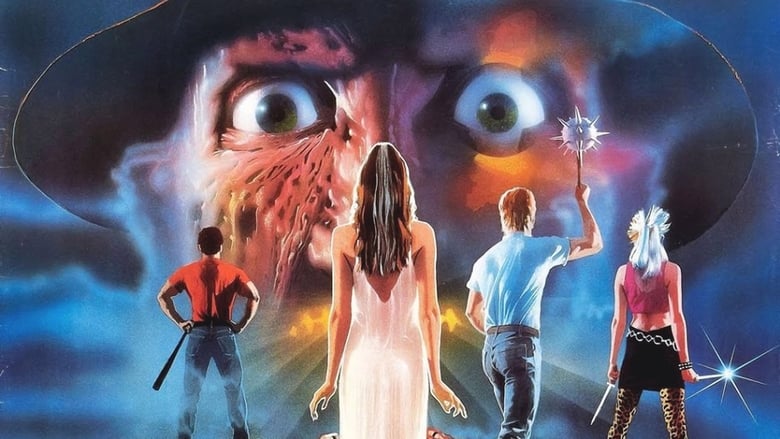
Most remakes are a cynical grab for nostalgia, but every so often, a film comes along and decides to set the original’s legacy on fire just to see how pretty the flames are. In 1958, the "Blob" was a slow-moving pile of silicone that Steve McQueen could outrun with a brisk walk. By 1988, director Chuck Russell and screenwriter Frank Darabont—the duo who had just saved the Freddy Krueger franchise with Dream Warriors—decided that the titular monster shouldn't just be a threat; it should be a biological catastrophe.
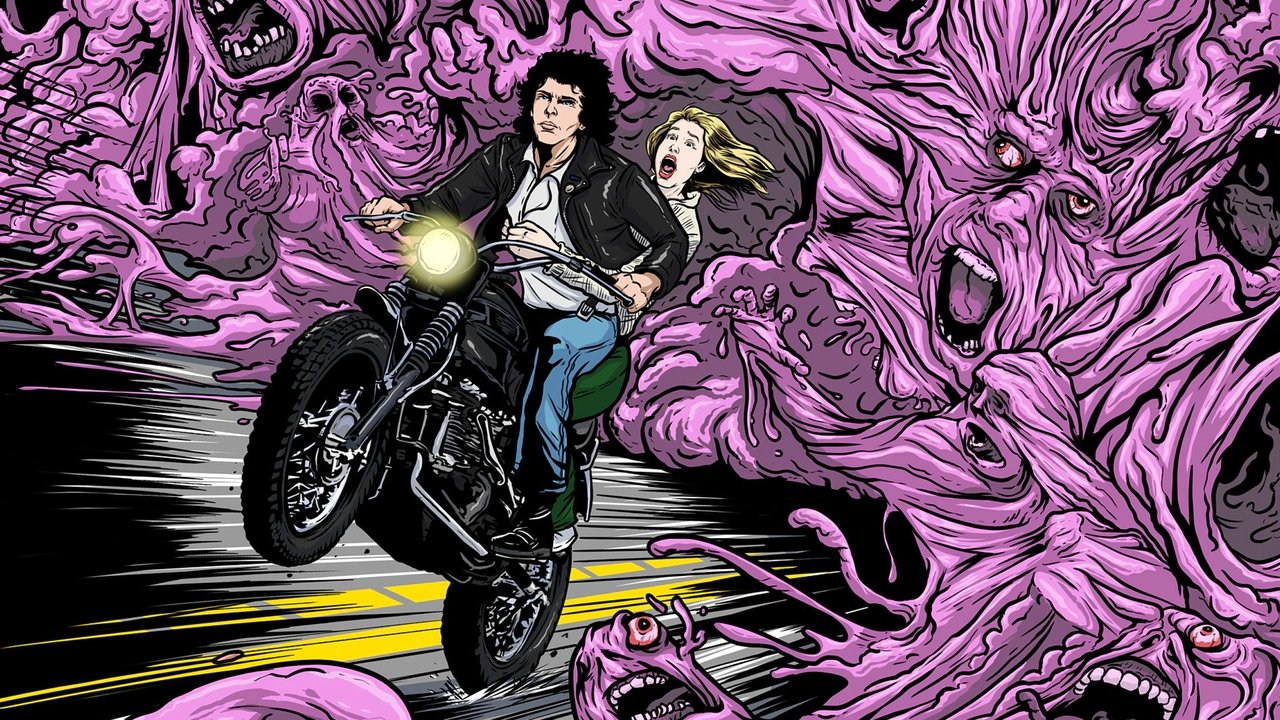
This isn't just a horror movie; it’s a mean-spirited, high-octane survival flick that treats its characters like pieces of gum on the bottom of a shoe. I rewatched this recently while my neighbor was outside power-washing his driveway, and the rhythmic thrum of the water against the pavement somehow made the scenes of the creature’s rapid expansion feel even more invasive.
A Masterpiece of Practical Carnage
We are currently living in an era where CGI can simulate anything but rarely makes us feel the weight of it. The Blob is the antidote to digital weightlessness. This film is the pinnacle of the Practical Effects Golden Age, standing shoulder-to-shoulder with John Carpenter’s The Thing and David Cronenberg’s The Fly.
The creature design, led by Tony Gardner, is a triumph of engineering and gross-out imagination. This isn't just a puddle of jelly; it’s a translucent, vein-filled nightmare that looks like a giant, sentient internal organ. The way it moves—pulsating, reaching with acidic tendrils, and dragging people into its mass—is genuinely upsetting. There is a specific scene involving a kitchen sink that remains one of the most effective "nowhere is safe" moments in cinema history. It’s the kind of sequence that makes you look twice at your own plumbing before you brush your teeth. It turns a mundane household fixture into a predatory maw.
Subverting the 1980s Slasher Rules
What I love about this script is how it gleefully murders the tropes of the decade. Usually, in an 80s horror flick, you can spot the "Final Girl" and the "Heroic Boyfriend" from space. Here, Chuck Russell delights in subverting expectations. Characters you expect to lead the charge are dissolved in minutes. It creates a genuine sense of unpredictability that is rare in the genre.
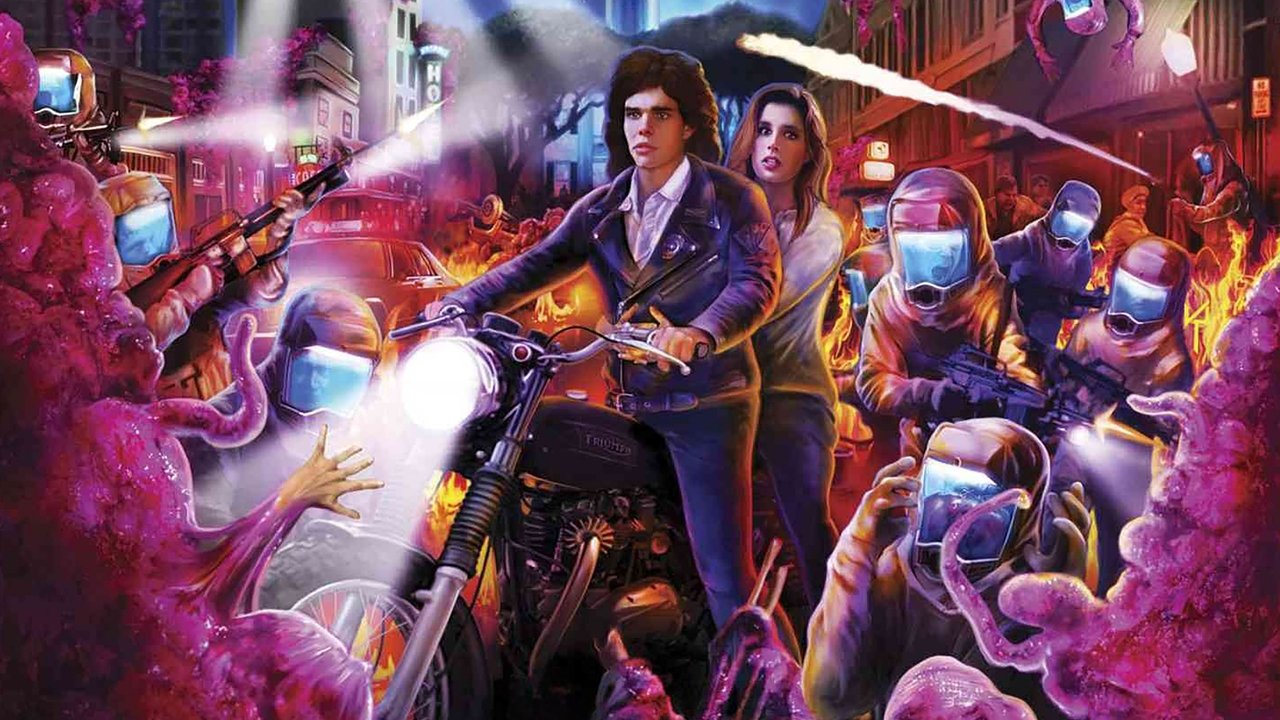
Kevin Dillon plays Brian Flagg, the quintessential 80s rebel with a mullet that deserves its own SAG card. He’s the town outcast, the "wrong side of the tracks" kid who is the only one cynical enough to see the government conspiracy unfolding. Opposite him is Shawnee Smith (long before she became a staple of the Saw franchise) as Meg Penny. Meg is the real revelation here. She starts as the bubbly cheerleader but evolves into a Rambo-esque survivor out of pure necessity. Watching her grab a machine gun and take charge of the situation is incredibly satisfying. It’s a movie that hates children and treats its audience like adults, particularly in a shocking scene involving a younger character that most modern studios would never have the nerve to film today.
The Neon Glow of the VHS Shelf
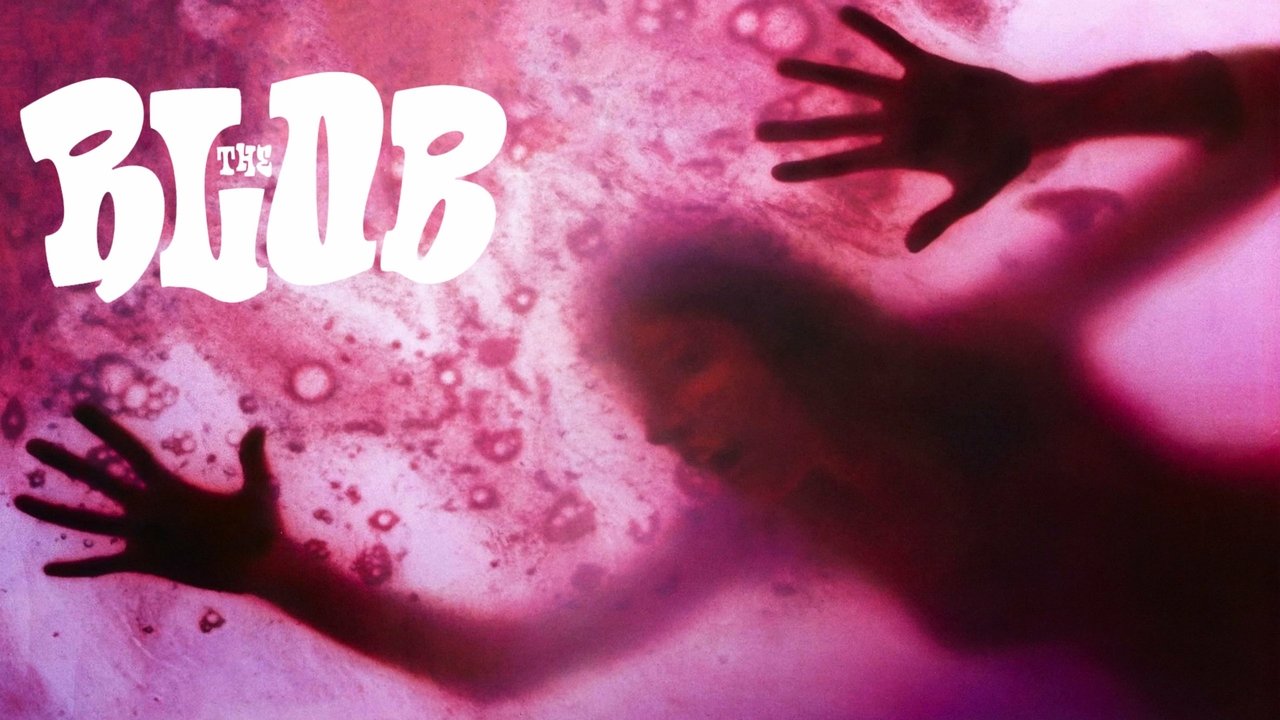
While it tanked at the box office—losing out to the summer of Who Framed Roger Rabbit and Die Hard—The Blob found its true home in the fluorescent aisles of local video stores. I remember the specific neon-pink font of the VHS box art at the rental shop, a color so bright it practically vibrated against the black background. On a CRT television, the creature’s translucent pink hue has a peculiar, toxic glow that modern 4K transfers almost struggle to replicate. It was a "sleepover staple" because it felt dangerous.
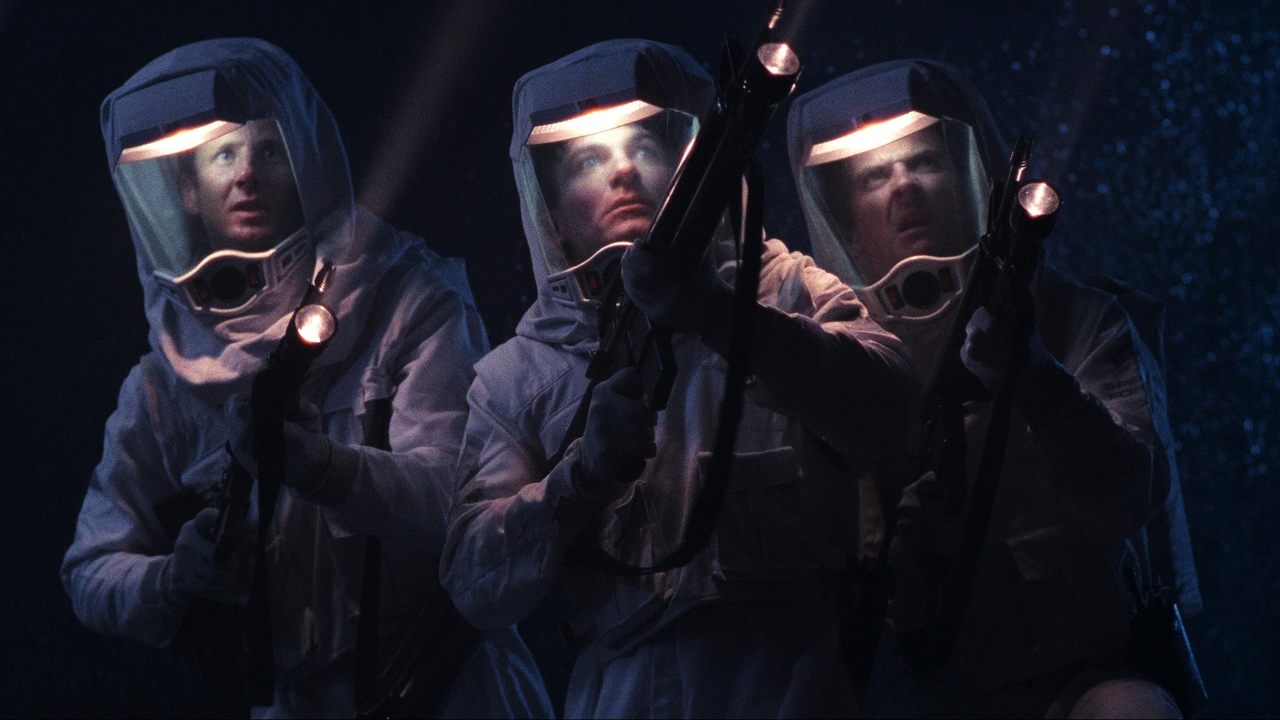
The film also benefits from a surprisingly sharp political edge. The 1958 original was a "Red Scare" metaphor about an external threat; the 1988 version is a post-Watergate, Reagan-era nightmare about internal betrayal. The real villains aren't just the space goo, but the men in hazmat suits led by Joe Seneca as Dr. Meddows. It captures that 80s anxiety that the people coming to "save" you are the ones who put you in danger in the first place.
Why It Still Sticks
The pacing here is relentless. At 95 minutes, there isn't a second of filler. From the moment the meteor crashes to the explosive finale, it’s a masterclass in escalating tension. Mark Irwin’s cinematography gives Arborville a cozy, Americana feel that makes the eventual destruction feel more personal. When the Sheriff, played by the always-reliable Jeffrey DeMunn, realizes his town is being digested, you feel the weight of his failure.
The Blob is a reminder of what horror can be when it’s made by people who love the craft of the "scare." It’s gooey, it’s loud, and it’s unashamedly a B-movie, but it’s executed with A-list talent. If you missed this one because you thought it was just another "creature feature," it’s time to rectify that. Just maybe skip the Jell-O for dessert afterward.
The 1988 remake of The Blob remains a high-water mark for the genre, blending incredible practical effects with a script that isn't afraid to break the rules. It’s a cynical, thrilling, and visually spectacular ride that has aged much better than many of its more successful contemporaries. Whether you’re a practical effects junkie or just looking for a tight, scary thriller, this one is an absolute essential for any horror library.

Keep Exploring...
-
A Nightmare on Elm Street 3: Dream Warriors
1987
-
The Dead Zone
1983
-
The Fly
1986
-
The Hitcher
1986
-

Videodrome
1983
-

Re-Animator
1985
-
Critters
1986
-
Bad Taste
1987
-
Killer Klowns from Outer Space
1988
-

Cujo
1983
-
2010
1984
-

Star Trek III: The Search for Spock
1984
-
Starman
1984
-
Cocoon
1985
-

Enemy Mine
1985
-

Fright Night
1985
-
Weird Science
1985
-
Flight of the Navigator
1986
-
Little Shop of Horrors
1986
-

Short Circuit
1986