The Land Before Time
"Five tiny heroes, one giant journey home."

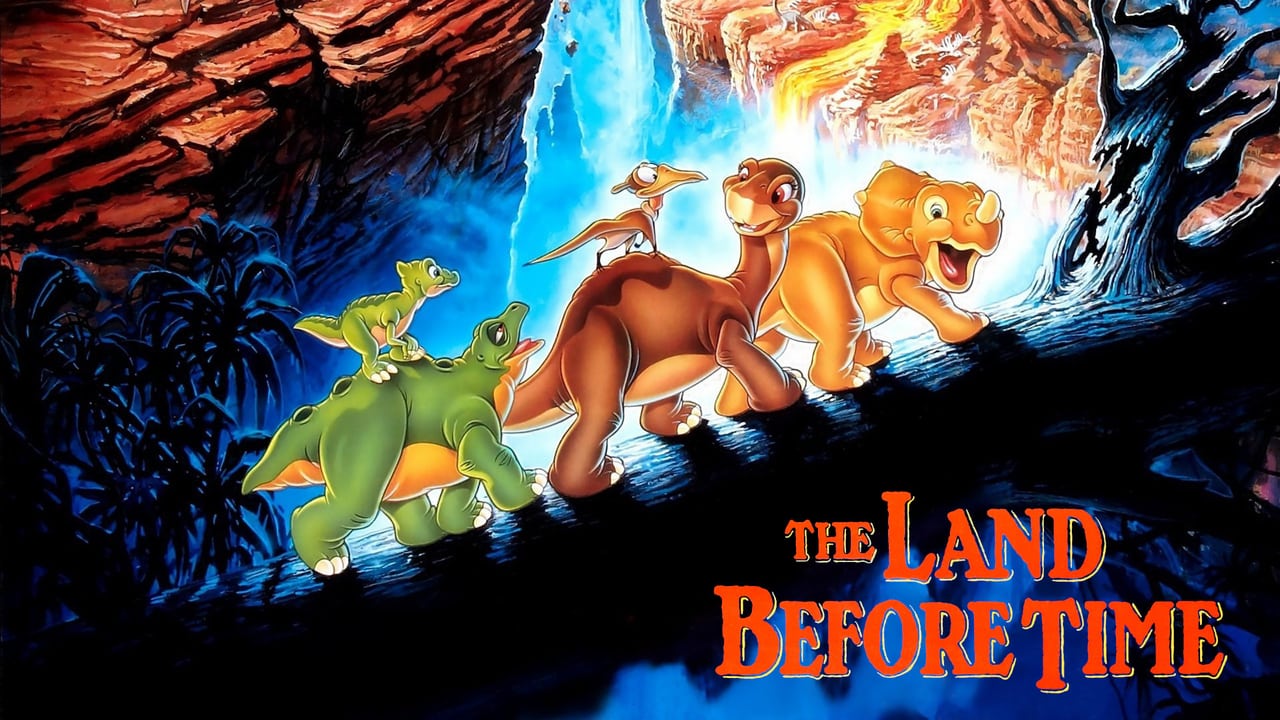
I vividly remember trying to eat a maple leaf in my backyard when I was six years old. I’d seen Littlefoot munch on a "tree star" with such prehistoric gusto that I was convinced it was the height of culinary luxury. It wasn’t; it tasted like dirt and regret. But that is the power of Don Bluth’s The Land Before Time. It didn't just show us a world of dinosaurs; it made us feel the textures, the hunger, and the heartbreaking stakes of a journey across a dying earth.
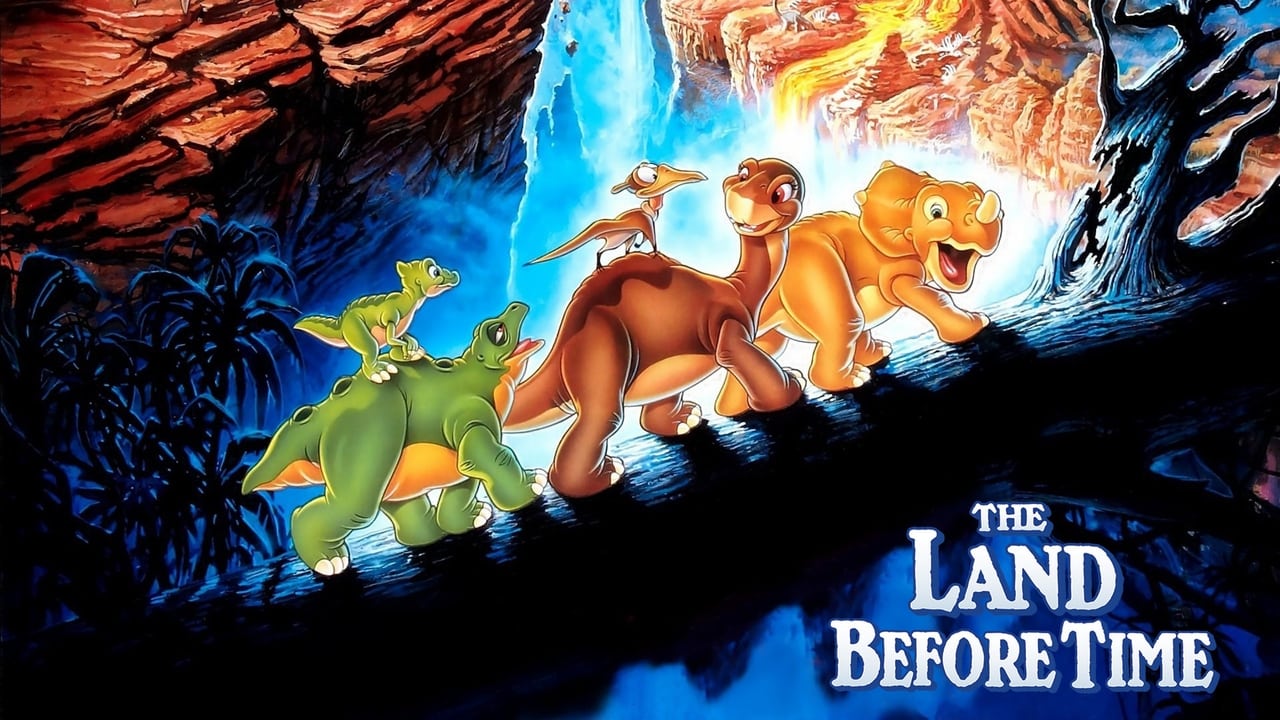
Watching this again recently on a rainy Tuesday while eating leftover Thai food, I realized how much this film shaped my internal compass for what an "adventure" should be. It isn’t just about the destination—the legendary Great Valley—it’s about the soul-crushing weight of the miles traveled and the unlikely bonds forged in the mud.
The Bluth Standard: Beauty in the Bleakness
In the late 80s, animation was at a crossroads. Disney was just beginning its "Renaissance" with The Little Mermaid (1989), but Don Bluth—the man who famously walked out on the Mouse House to do things his own way—was already perfecting a darker, more tactile style of storytelling. The Land Before Time feels heavy. The landscapes are painted in volcanic greys, scorched oranges, and sickly purples. It’s a world that feels like it’s actually ending.
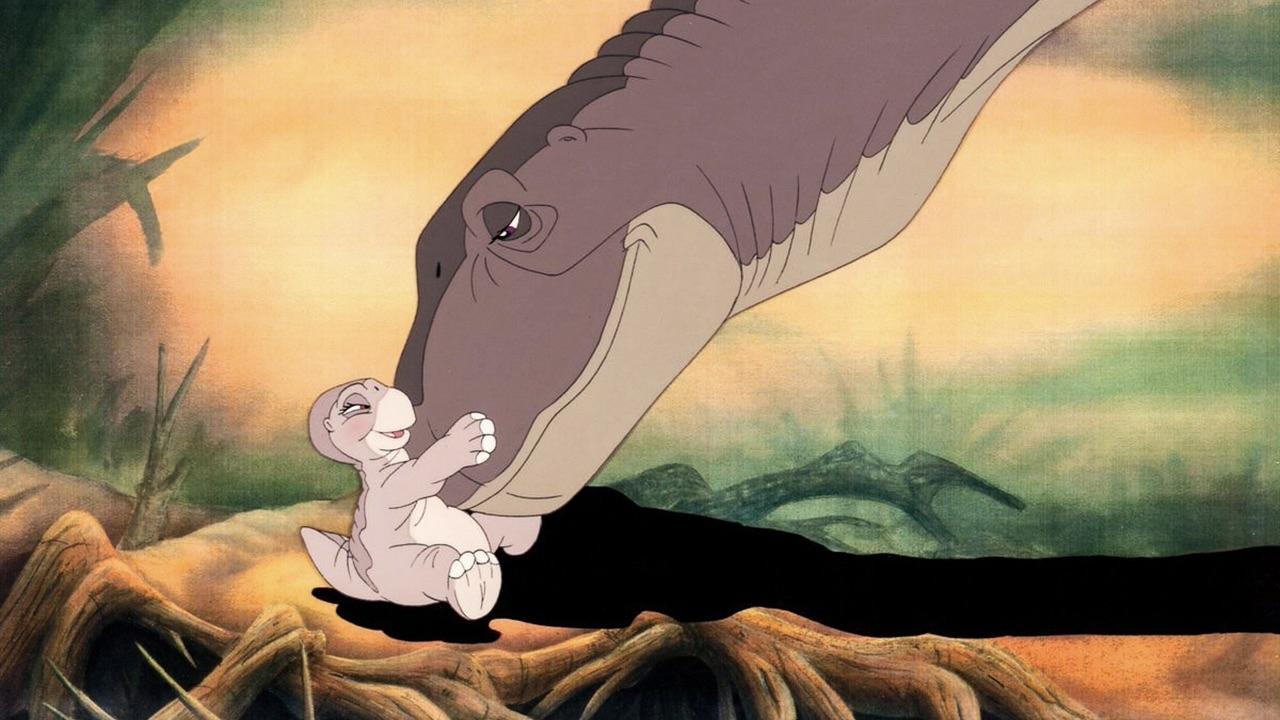
The character designs are where the magic happens. Littlefoot (voiced by Gabriel Damon) isn't a "cute" dinosaur in the modern, sanitized sense. He’s gangly and vulnerable. When he loses his mother early on—a scene that stands alongside Bambi and The Lion King in the Holy Trinity of Childhood Trauma—the film doesn't look away. James Horner, fresh off his work on Aliens (1986), delivers a score that is sweeping, elegiac, and far more sophisticated than a "kids' movie" usually earns. It treats the grief of a child as a monumental, earth-shaking event.
A Fellowship of Misfits
The adventure kicks into gear when Littlefoot meets his "herd." This is classic quest-building at its finest. You have Cera (Candace Hutson), the stubborn Three-horn who is the original Mesozoic mean girl. Her arc is actually quite complex; she’s grappling with the systemic prejudice her father instilled in her. Then there’s Ducky (Judith Barsi), the heart of the group; Petrie (Will Ryan), the neurotic flyer; and Spike, the silent engine.
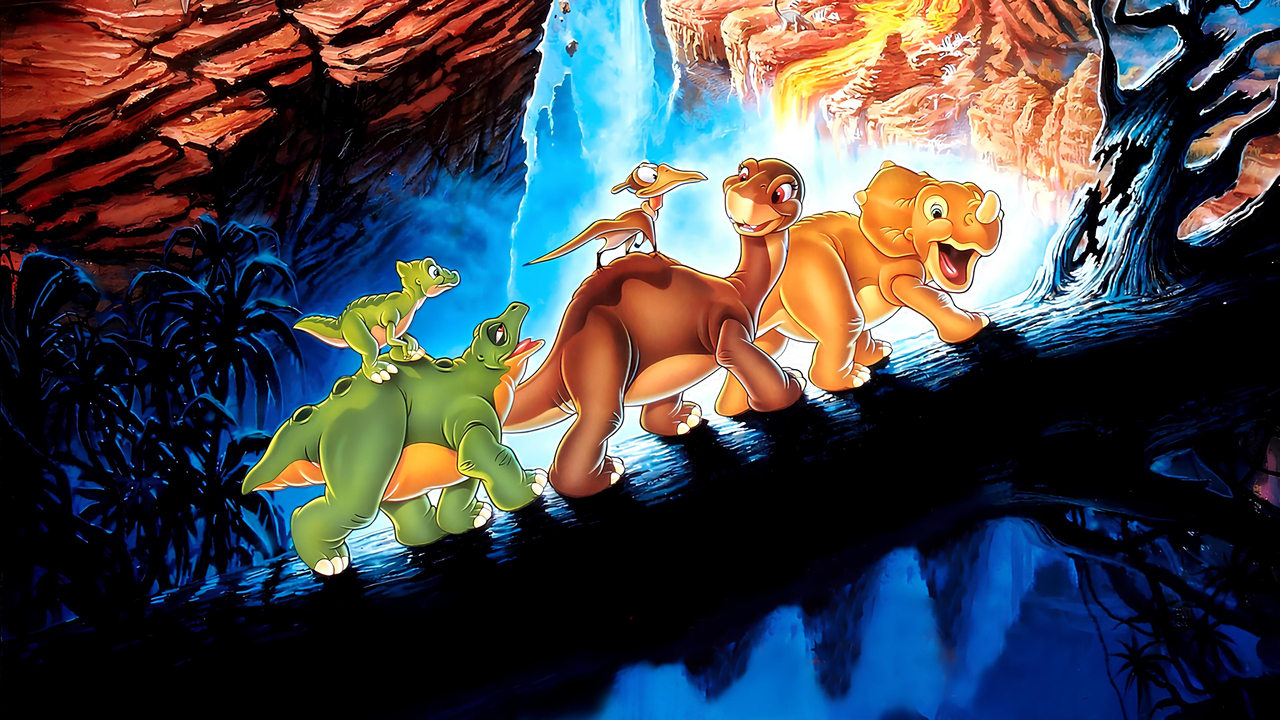
Their dynamic works because the peril feels genuine. When they encounter the Sharptooth, it’s not a cartoon villain—it’s a force of nature. Sharptooth is the scariest movie monster of the 80s, full stop. There is a sequence where he leaps out of the shadows, and even as an adult, I felt that familiar jolt of "I need to hide under my blanket." The film understands that for an adventure to matter, the threat has to be absolute. These kids aren't just looking for a playground; they are fleeing extinction.
The VHS Legacy and the Cut Footage
For those of us who grew up in the peak VHS era, this movie was a foundational text. I remember the specific "clack" of the black plastic cassette and the way the Pizza Hut commercial before the film (the one with the rubber puppets) became burned into my brain. But what many don't realize is that the version we all watched was actually heavily sanitized by producers Steven Spielberg and George Lucas.
Turns out, Don Bluth’s original cut was significantly more intense. About 11 minutes of footage were excised because the producers feared it would cause psychological damage to young viewers. This included more graphic shots of the Sharptooth attack and extended sequences of the kids in extreme distress. Even with those cuts, the film remains remarkably bold. It trusts children to handle big emotions—grief, prejudice, and the terror of the unknown.
Why the Journey Still Matters
The pacing of the 69-minute runtime is a masterclass in momentum. There’s no filler. Every encounter—from the "tar pit" to the final showdown at the mountain—serves the core theme: working together is a survival requirement, not a choice.
It’s easy to look back at the 13 direct-to-video sequels and feel like the brand was diluted, but the 1988 original stands alone as a piece of high-stakes cinema. It’s an adventure that feels earned because it’s paved with loss. When they finally crest that hill and see the Great Valley, and Pat Hingle’s narrator tells us they’ve reached their home, it feels like a genuine relief. I wasn't just watching dinosaurs find a field; I was watching five orphans survive the end of the world.
The Land Before Time is a rare example of a family film that refuses to talk down to its audience. Between the hand-painted artistry of the Don Bluth studio and the soaring emotional stakes, it remains the gold standard for animated adventure. It’s dark, it’s dirty, and it’s deeply moving. Just don’t try to eat the leaves in your yard afterward—some things are better left on the screen.
Keep Exploring...
-

An American Tail
1986
-
The Secret of NIMH
1982
-

All Dogs Go to Heaven
1989
-
Anastasia
1997
-
Robin Hood
1973
-
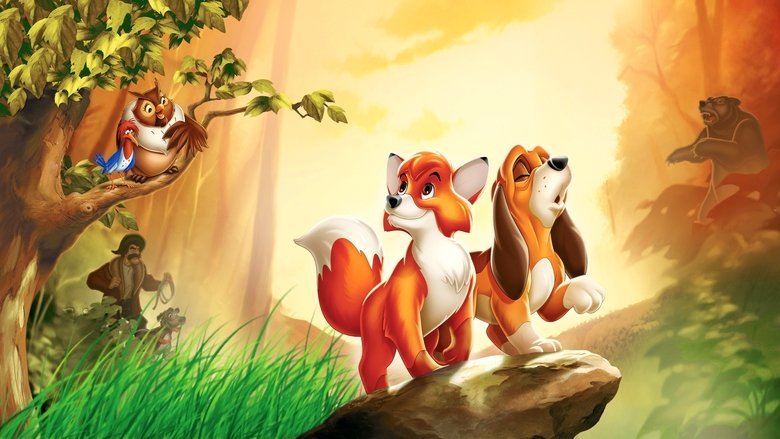
The Fox and the Hound
1981
-
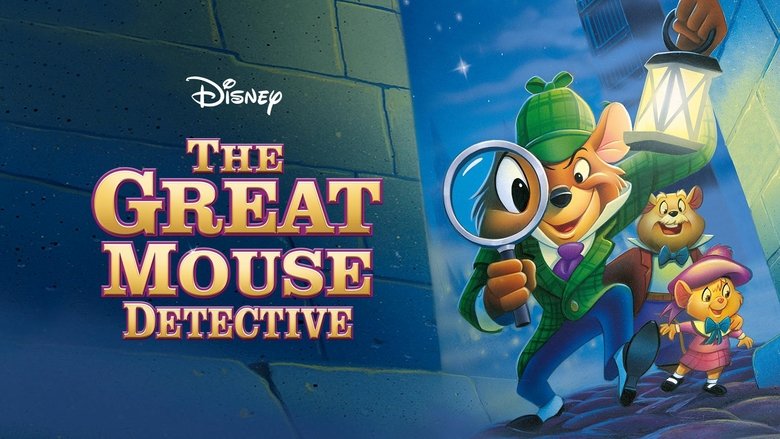
The Great Mouse Detective
1986
-
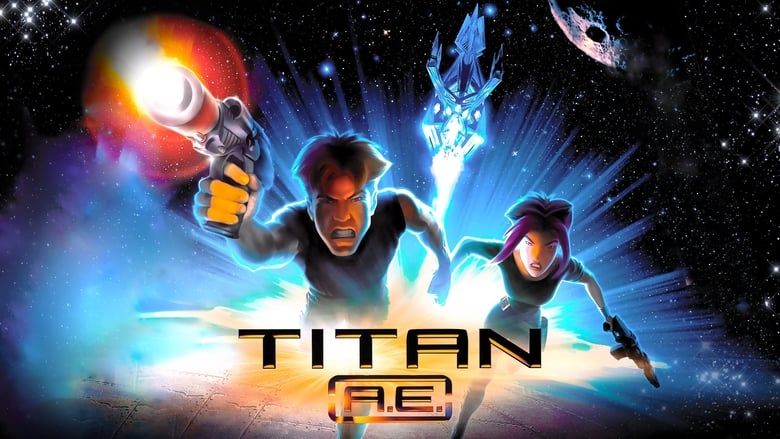
Titan A.E.
2000
-
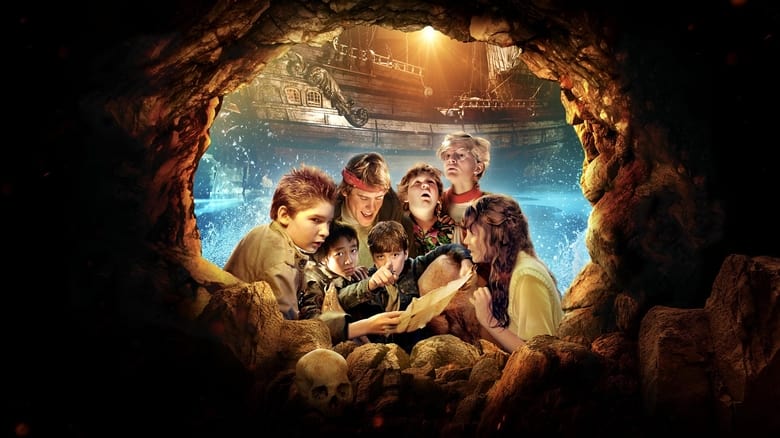
The Goonies
1985
-
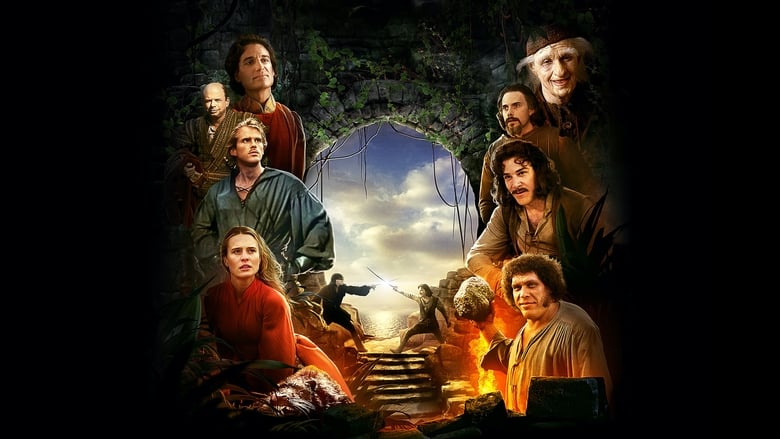
The Princess Bride
1987
-

Bedknobs and Broomsticks
1971
-
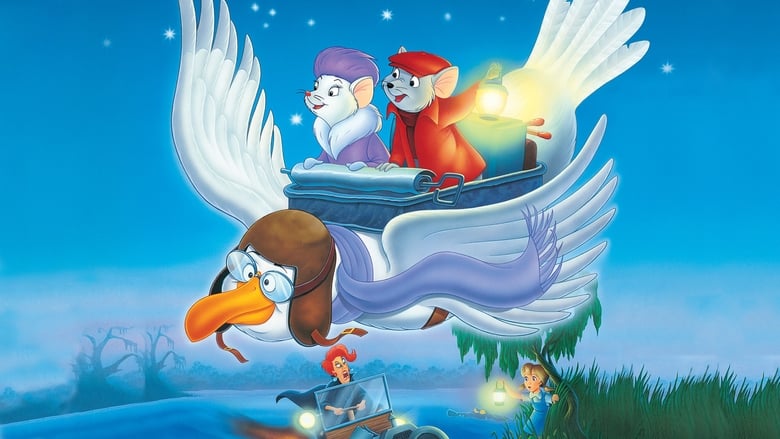
The Rescuers
1977
-
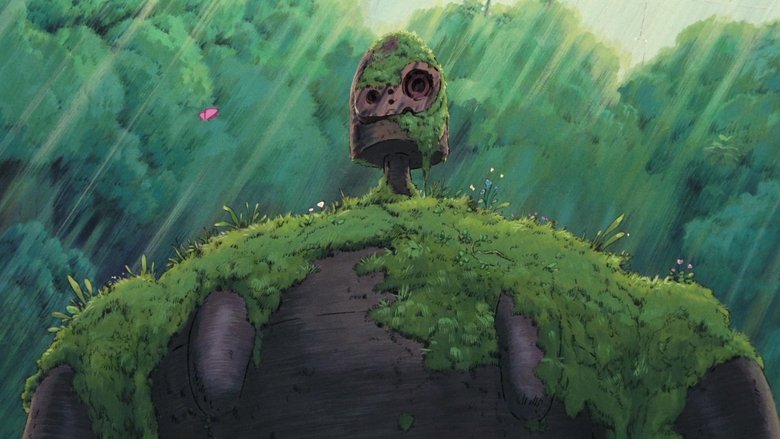
Castle in the Sky
1986
-
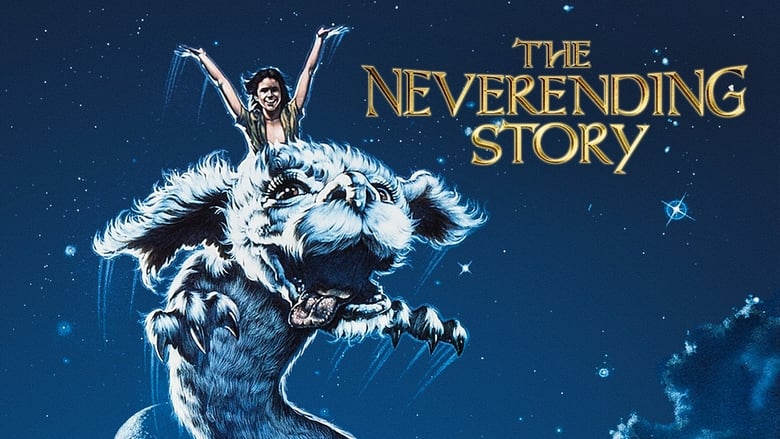
The NeverEnding Story
1984
-
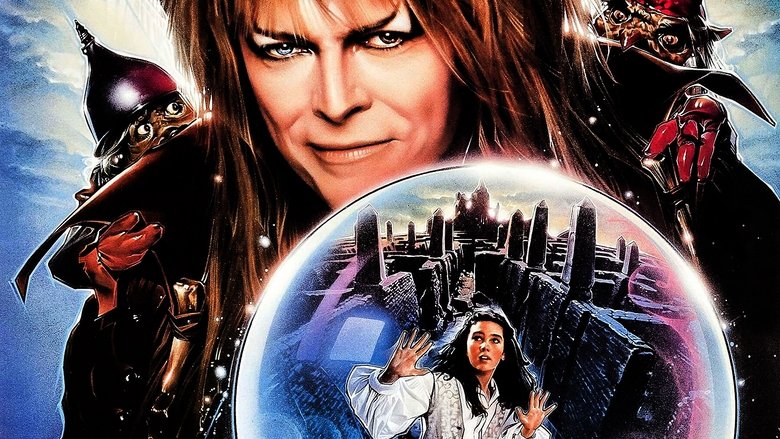
Labyrinth
1986
-
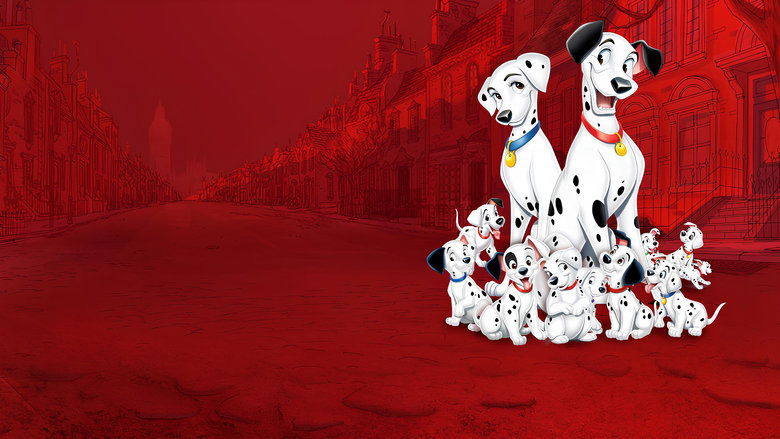
One Hundred and One Dalmatians
1961
-
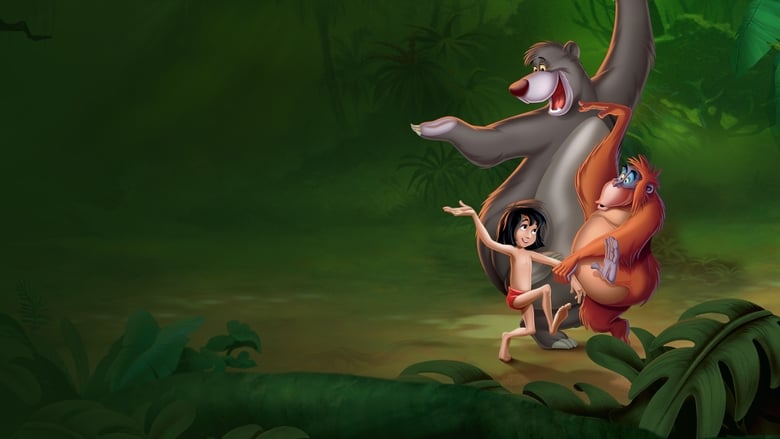
The Jungle Book
1967
-
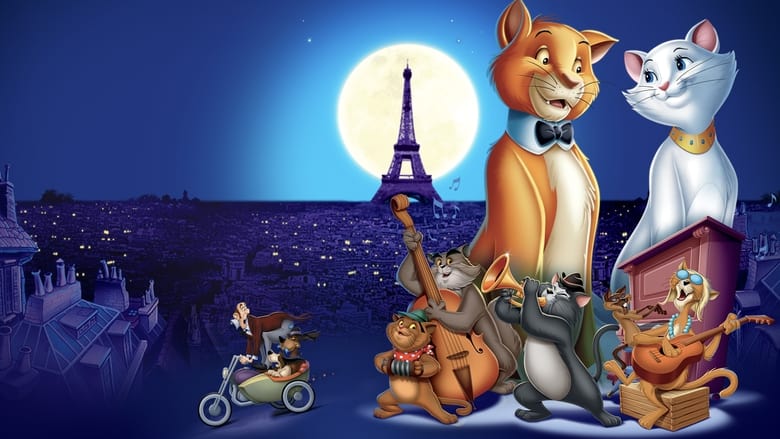
The Aristocats
1970
-
The Many Adventures of Winnie the Pooh
1977
-
The Black Cauldron
1985