The Last Temptation of Christ
"The divine struggle is found in the dirt."
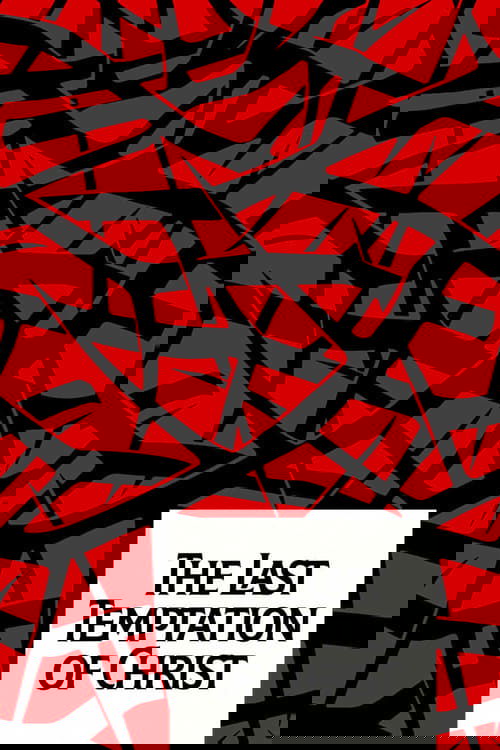
Imagine walking into your local Cineplex in 1988 and being greeted not by a popcorn smell, but by a phalanx of protesters shouting about your eternal soul. Martin Scorsese didn’t just release a movie with The Last Temptation of Christ; he threw a Molotov cocktail into the cultural zeitgeist. I actually first saw this on a borrowed VHS tape that had a "Property of St. Jude’s Library" sticker half-peeled off the spine, which made the whole viewing experience feel like I was participating in a clandestine heist. I watched it while drinking a lukewarm Tab soda, and let me tell you, the fizz of the soda perfectly matched the electric anxiety humming through the screen.
The Man Who Made the Crosses
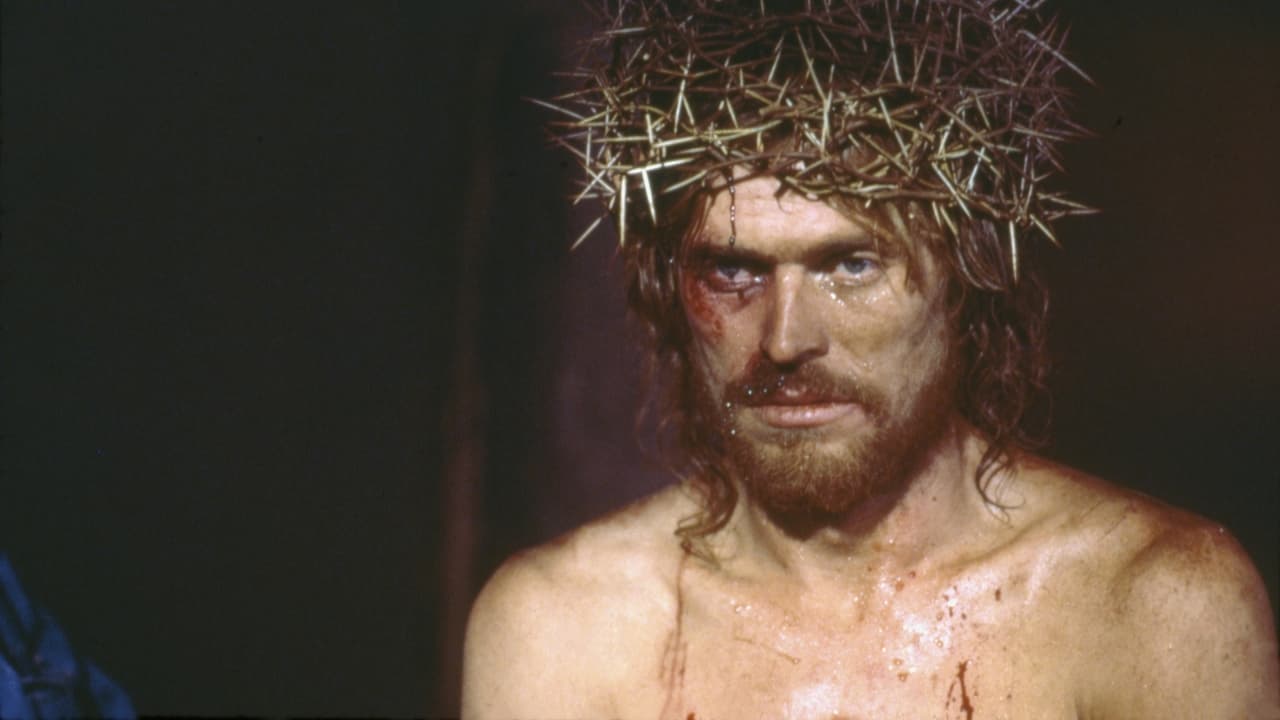
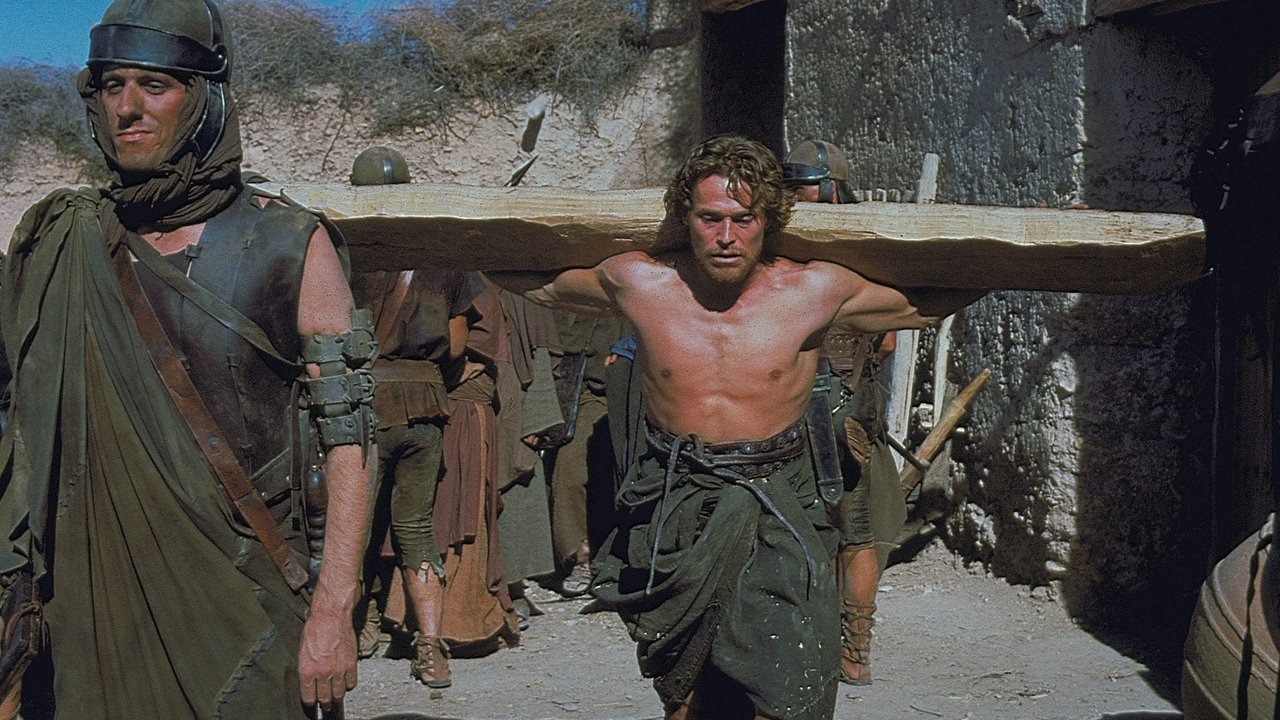
This isn't the Sunday School version of the Messiah. Willem Dafoe (who I’d only known as the terrifying villain from To Live and Die in L.A. at that point) plays a Jesus who is profoundly, agonizingly human. In an opening that still makes my skin crawl, we see him as a carpenter—but not a builder of homes. He builds the very crosses the Romans use to execute Jewish revolutionaries. It’s a gut-punch of a character introduction. Dafoe’s performance is a tightrope walk over an abyss, capturing a man who is terrified that the voices in his head might be God, but desperately hopes they’re just madness.
Scorsese and screenwriter Paul Schrader (the duo behind Taxi Driver) treat the divinity of Christ as a psychological burden rather than a superpower. When Dafoe looks into the camera, you don't see the calm of a deity; you see the sweat and exhaustion of a man who is being dragged toward a destiny he never asked for. It’s gritty, dusty, and smells of sun-baked earth. This Jesus isn't a porcelain statue; he’s a guy who gets dirt under his fingernails and blood on his hands.
A Judas from the Outer Boroughs
Then there’s Harvey Keitel. If you can get past the fact that Judas Iscariot sounds like he just finished a shift at a deli in Brooklyn, his performance is actually the secret heart of the film. While most biblical epics treat Judas as a mustache-twirling villain, Keitel plays him as the only person strong enough to hold Jesus to his mission. He’s the muscle, the revolutionary, the best friend who has to do the dirty work. Keitel’s Judas is basically a divine hitman with a heart of gold.
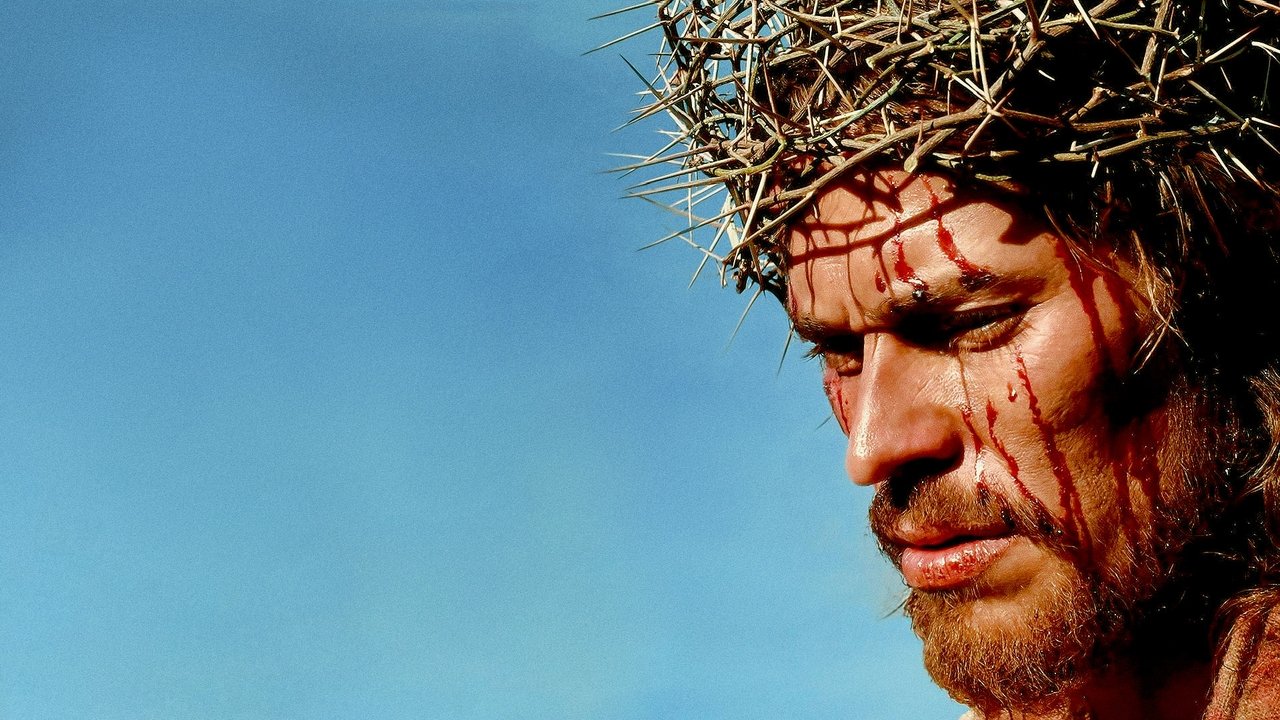
The chemistry between Dafoe and Keitel feels like something out of a 1970s New Hollywood gritty drama, not a sword-and-sandal epic. They argue like brothers. They challenge each other. It’s a masterclass in how to ground high-concept theology in relatable human friction. And let’s not overlook Barbara Hershey as Mary Magdalene, whose presence provides the necessary tether to the "temptation" of the title—the life of a normal man that Jesus so desperately craves.
The VHS Forbidden Fruit
For a film that cost only $7 million—a pittance for an epic even in '88—it looks and sounds staggering. Michael Ballhaus’s cinematography uses these sweeping, circular camera moves that make the Judean desert feel like a character itself. But the real MVP is Peter Gabriel. His score, Passion, was a staple of my Walkman for years. He blended Middle Eastern instruments with 80s synthesizers in a way that felt ancient and futuristic at the same time.
The film's legacy, however, is inseparable from the controversy. Because of the boycotts, many people only ever saw this via the "forbidden fruit" of the local video store. The box art for the Universal VHS release was strikingly minimalist—just a crown of thorns against a white background—which stood out like a warning sign among the neon-soaked covers of RoboCop or Action Jackson. It was the ultimate "parental advisory" movie before those stickers were even a thing.
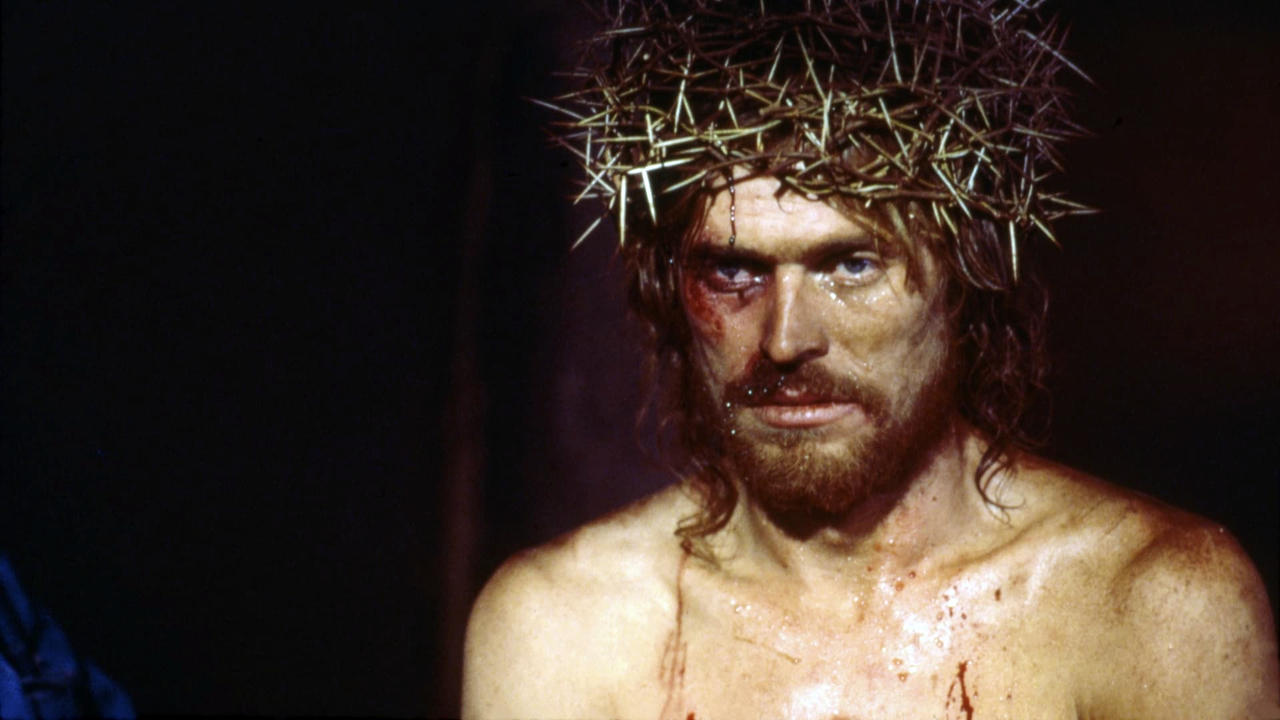
Apparently, Scorsese had been trying to make this movie for fifteen years. He originally wanted to shoot it in the early 80s with Aidan Quinn in the lead, but the studio pulled the plug due to budget and pressure. When he finally got the green light, he shot it in Morocco under grueling conditions, often using his own salary to keep the production afloat. That scrappy, low-budget energy is visible in every frame; it feels like a guerilla film made by a director who knew this might be his last chance to say something profound.
The Last Temptation of Christ is a towering achievement of the late 80s, proving that cinema could still be a dangerous, transformative space even in the era of the blockbuster. It’s a film that asks us to consider that the greatest sacrifice wasn't the death of a God, but the life of a man. Whether you’re religious or a staunch atheist, the sheer craft on display—from Gabriel’s haunting world-beat score to Dafoe's trembling intensity—is undeniable. It’s a film that earns its runtime and stays with you long after the tape has hissed and rewound in the VCR.

Keep Exploring...
-
The Color of Money
1986
-

Taxi Driver
1976
-
Raging Bull
1980
-
After Hours
1985
-
The Age of Innocence
1993
-
Mean Streets
1973
-
Bringing Out the Dead
1999
-
The King of Comedy
1982
-

The Right Stuff
1983
-
Hannah and Her Sisters
1986
-

Risky Business
1983
-
The Outsiders
1983
-
Red Dawn
1984
-
Starman
1984
-
Cocoon
1985
-

Enemy Mine
1985
-
Pale Rider
1985
-

An American Tail
1986
-
Heartbreak Ridge
1986
-
Pretty in Pink
1986