They Live
"Put the glasses on. Or start eating that trash can."
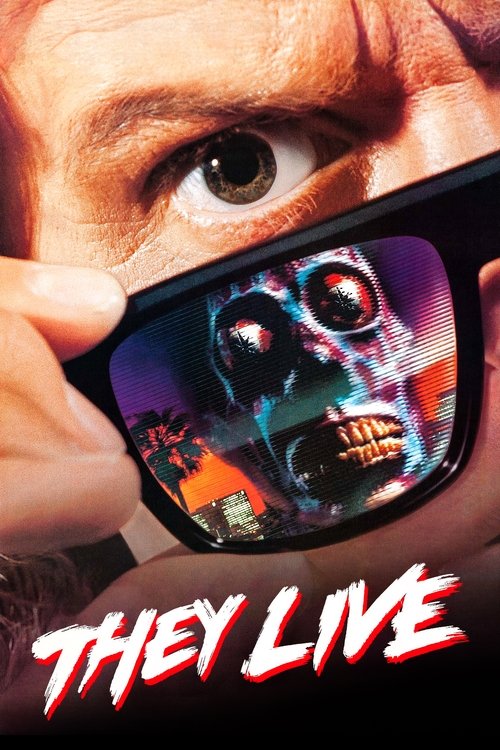
There is a specific, itchy kind of paranoia that only sets in when you realize the person telling you the world is ending might actually be the only one in the room making sense. I first saw They Live on a flickering CRT television while trying to assemble a particularly stubborn IKEA bookshelf, and the sheer frustration of following nonsensical diagrams mirrored Roddy Piper’s confusion so perfectly that I felt like I was being initiated into a cult. It isn’t just a movie; it’s a manual for surviving a decade that wanted to sell you a dream while picking your pocket.

By 1988, John Carpenter had already cemented his status as the master of the "siege" film, but They Live feels like a siege on our collective psyche. It’s a lean, mean, and deeply cynical piece of independent filmmaking that cost a mere $4 million—a pittance even then—and yet it carries more intellectual weight than most of the $100 million blockbusters currently clogging our digital queues.
The Monochrome Truth
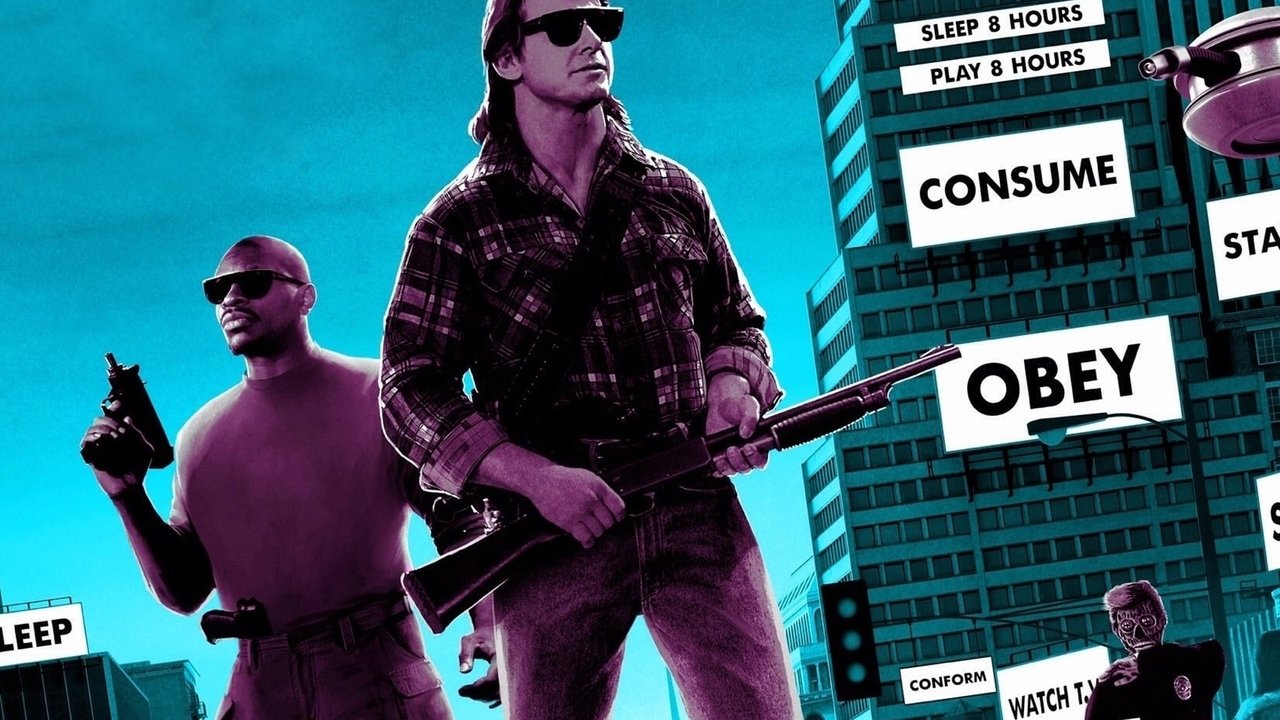
The film follows John Nada (Roddy Piper), a drifter with a denim jacket and a "life’s a bitch" haircut, who finds a pair of Hoffman sunglasses that strip away the world’s colorful veneer. Suddenly, the neon signs of Los Angeles don't say "Rent a Car" or "Drink Soda." They say OBEY, MARRY AND REPRODUCE, and CONSUME. Even the dollar bills in his hand simply read THIS IS YOUR GOD.
The genius of the practical effects here isn't just in the alien designs—though the skeletal, blue-and-silver "ghouls" created by the makeup team are effectively jarring—it’s in the simplicity of the transition. Carpenter and cinematographer Gary B. Kibbe used a specific black-and-white film stock for the "glasses-on" sequences to create a harsh, high-contrast look that feels like a punch to the gut. It’s unglamorous. It’s cold. It suggests that the truth isn't some beautiful revelation; it’s a bleak, demanding responsibility.
Five Minutes of Fury
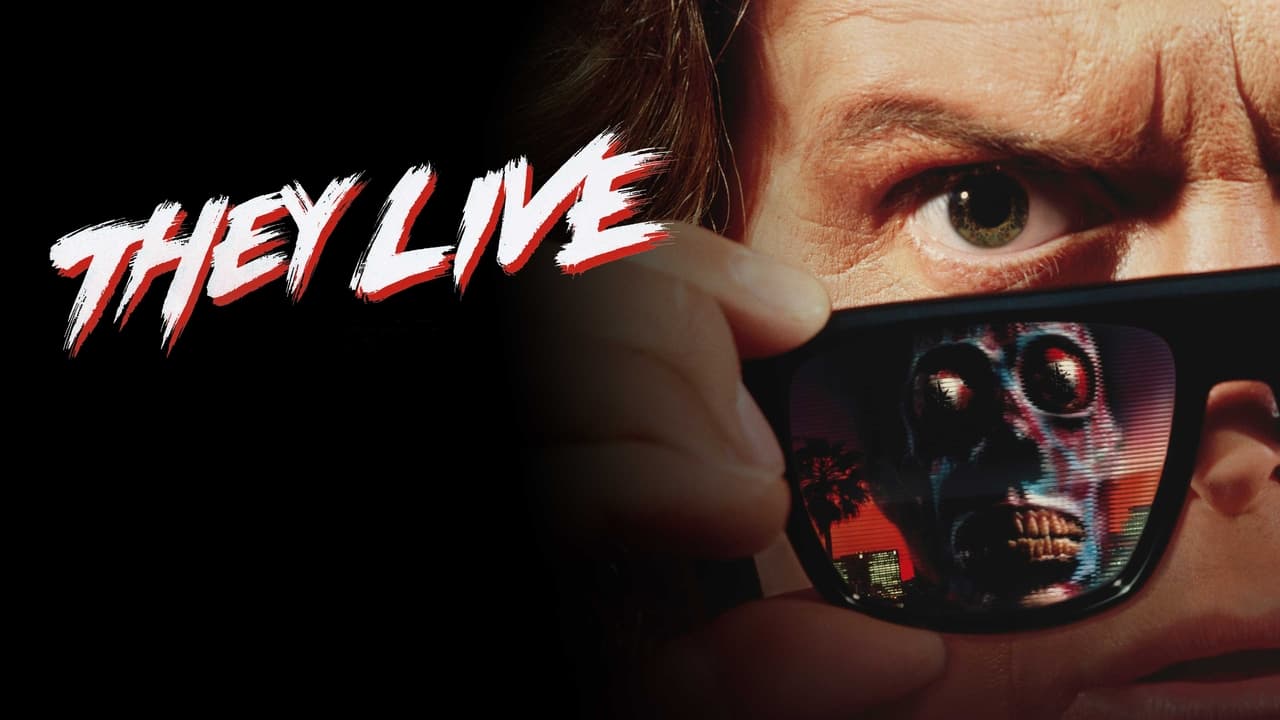
You can’t talk about They Live without talking about "The Fight." When Nada tries to force his friend Frank (Keith David) to put on the glasses, what follows is a six-minute, bone-crunching alleyway brawl that serves as the film’s narrative spine. Most directors would have cut this down to thirty seconds of quick-edits. Carpenter, ever the rebel, lets the camera linger until you can practically smell the sweat and stale dumpster air.
The legendary alleyway fight isn't just a meme; it’s the most honest depiction of how hard it is to convince a friend they’re being lied to. Piper and David actually rehearsed the choreography for three weeks, and while they weren't throwing full-force punches, they weren't exactly "pulling" them either. Piper, a pro-wrestler by trade, brought a physical exhaustion to the role that most A-listers would be too vain to attempt. He looks haggard, bruised, and genuinely tired of being the only guy who sees the monsters.
The chemistry between him and Keith David—who previously worked with Carpenter on The Thing (1982)—is what anchors the film’s more outlandish sci-fi elements. Frank represents the audience’s desire to just keep his head down and get his paycheck. He doesn't want the truth; he wants a quiet life. Watching Nada literally beat the truth into him is one of the most cathartic, if uncomfortable, sequences in 80s cinema.
The Ghost in the Reagan Era
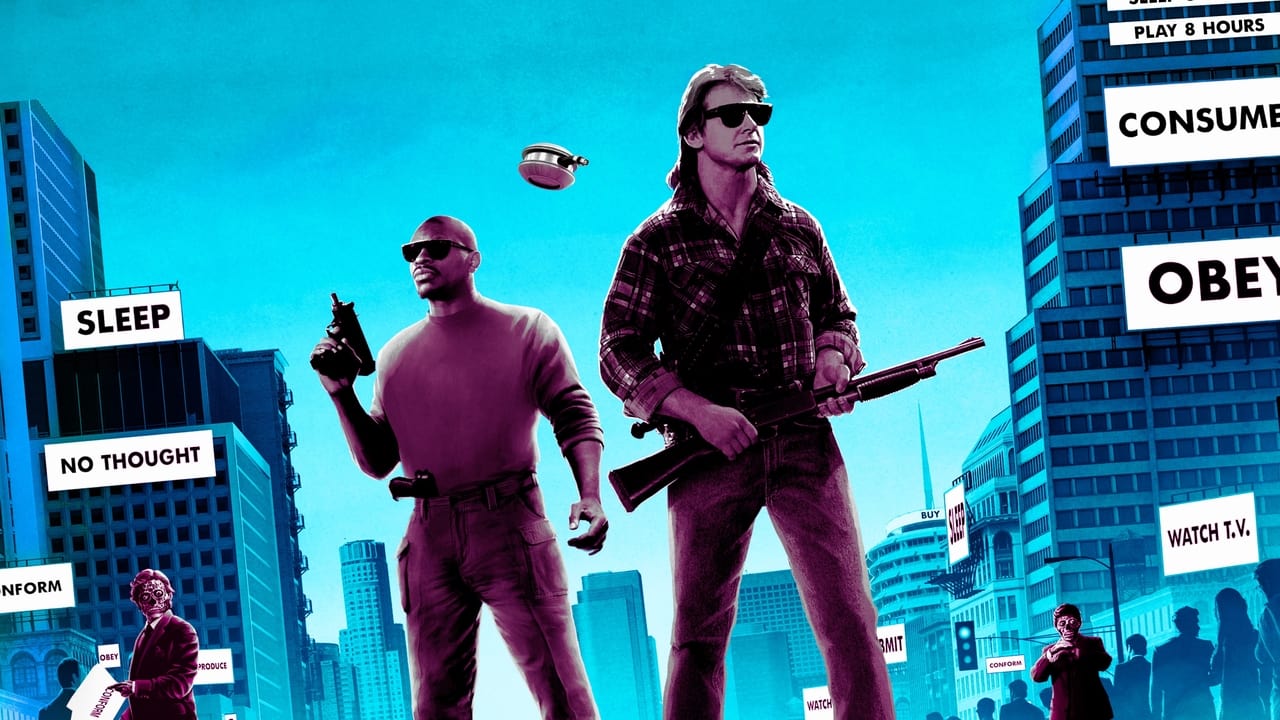
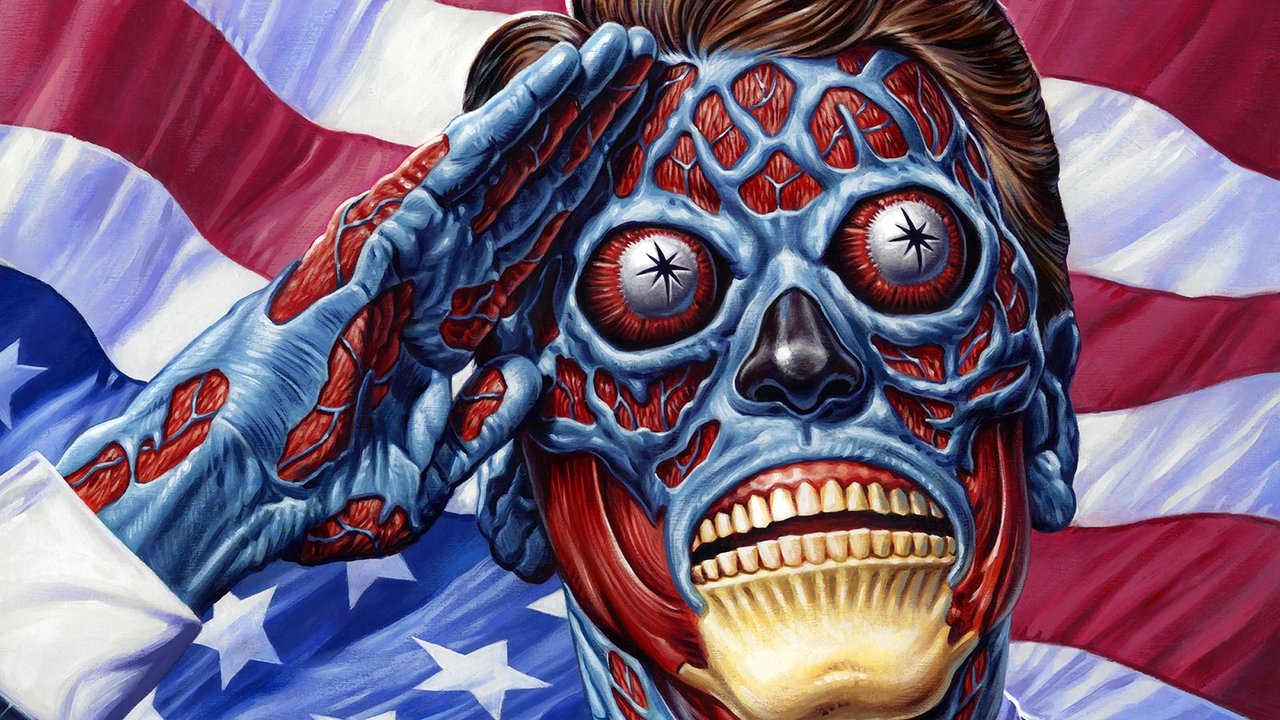
While the film is often celebrated for its "bubblegum and kicking ass" one-liners, the underlying atmosphere is one of profound dread. This is a dark film about the disappearance of the American middle class. The "aliens" aren't from Mars; they’re the ultimate upper-class exploiters who have decided that humanity is a natural resource to be strip-mined. Meg Foster, with her unnerving, piercing blue eyes, plays Holly Thompsen as a chilling reminder that the system’s greatest defenders are often the ones who have the most to lose if the status quo shifts.
Carpenter’s score—a bluesy, minimalist synth-crawl—underscores the loneliness of the protagonist. It doesn't sound like a triumphant action movie; it sounds like a man walking down a rainy street at 3 AM. It’s amazing what Carpenter achieved on such a tight budget. They couldn't afford massive sets, so they shot on the real, gritty streets of downtown L.A., turning actual homeless encampments into the backdrop for their revolution. It gives the film a "stolen" quality, like we’re watching something we weren't supposed to see.
The home video revolution was kind to They Live. On the shelf of a 1990s rental store, the box art promised a standard action flick, but the tape inside was a Trojan horse of social commentary. It’s the kind of movie that changes depending on when you watch it. In 1988, it was a middle finger to Reaganomics. Today, in an era of algorithmic manipulation and "fake news," it feels like a documentary that just happens to have rubber masks.
Ultimately, They Live succeeds because it refuses to blink. It doesn't offer a happy, neatly tied-up ending where the world is saved and everything goes back to normal. It’s a film about the cost of waking up. Carpenter reminds us that once you see the "Obey" signs, you can never really go back to just looking at the billboards. It’s a masterpiece of "low-art" that manages to be more sophisticated than the high-brow dramas of its era, and it remains the ultimate cinematic middle finger to anyone who tells you to just keep your head down and keep buying.
Keep Exploring...
-
Assault on Precinct 13
1976
-

Halloween
1978
-
Mad Max 2
1981
-

Escape from New York
1981
-
The Terminator
1984
-
Aliens
1986
-

Predator
1987
-
RoboCop
1987
-

Star Trek II: The Wrath of Khan
1982
-

The Thing
1982
-
The Time Machine
1960
-
Dirty Harry
1971
-
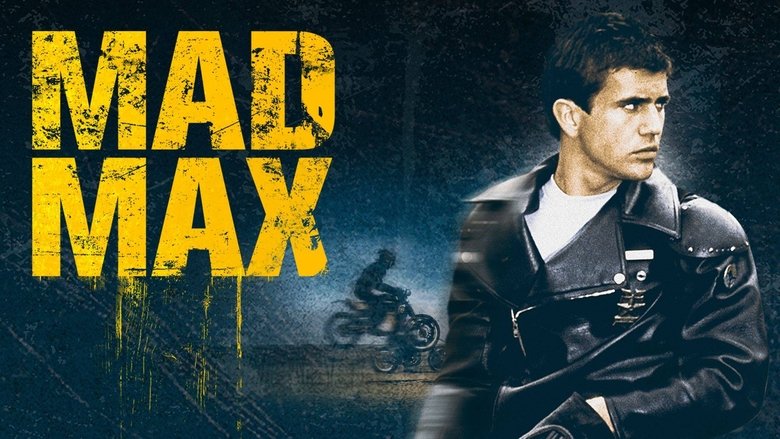
Mad Max
1979
-
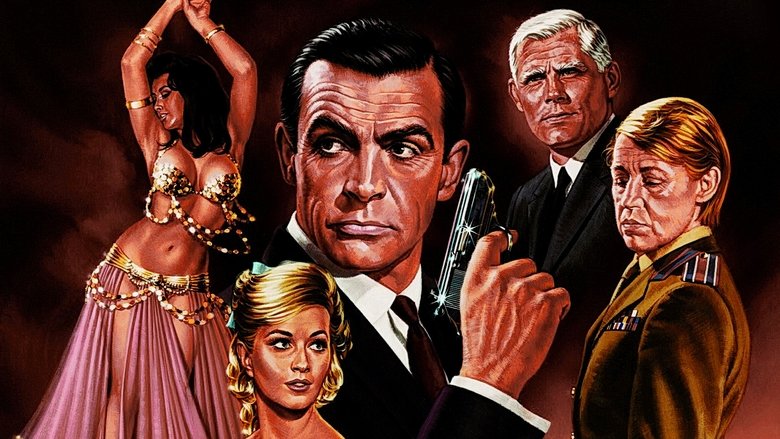
From Russia with Love
1963
-

Fist of Fury
1972
-
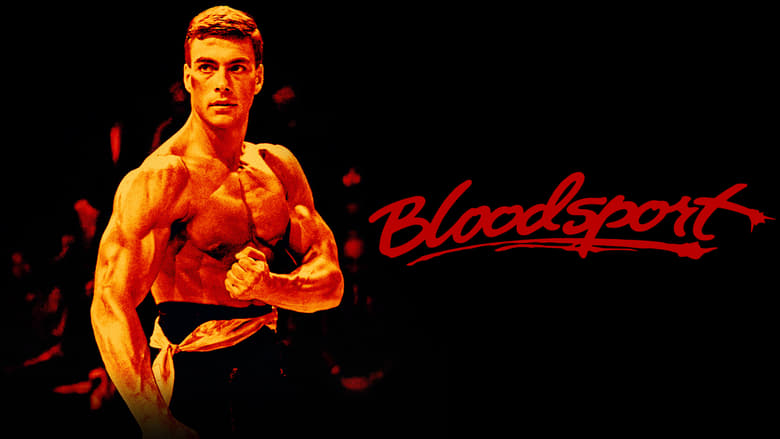
Bloodsport
1988
-
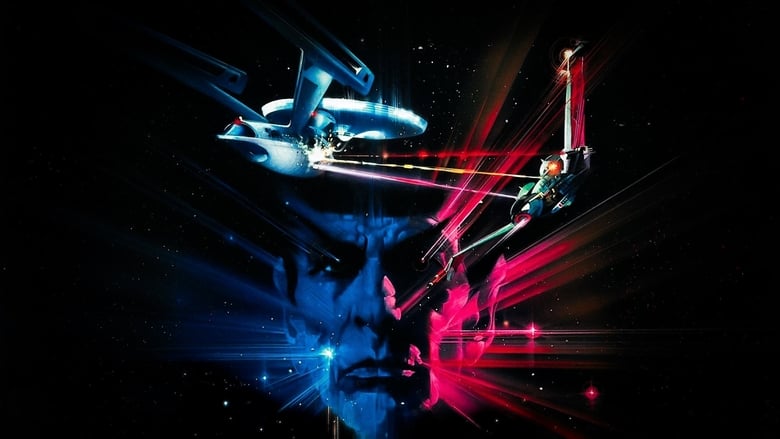
Star Trek III: The Search for Spock
1984
-
The Running Man
1987
-
Bad Taste
1987
-

Kickboxer
1989