Who Framed Roger Rabbit
"Believe the impossible. Beware the Dip."
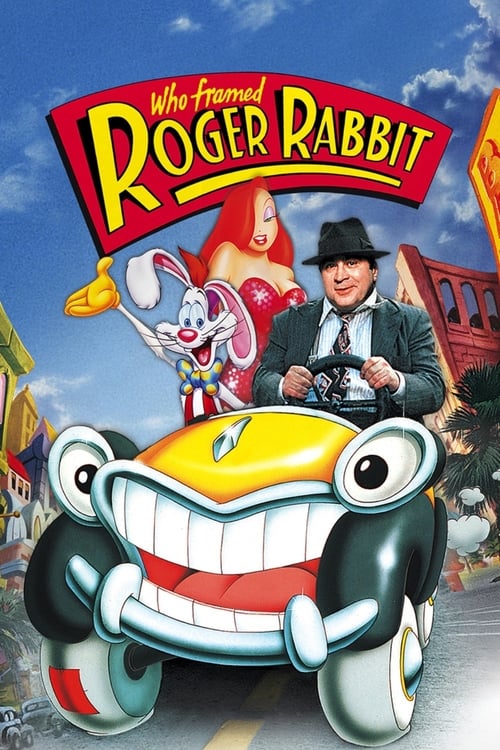
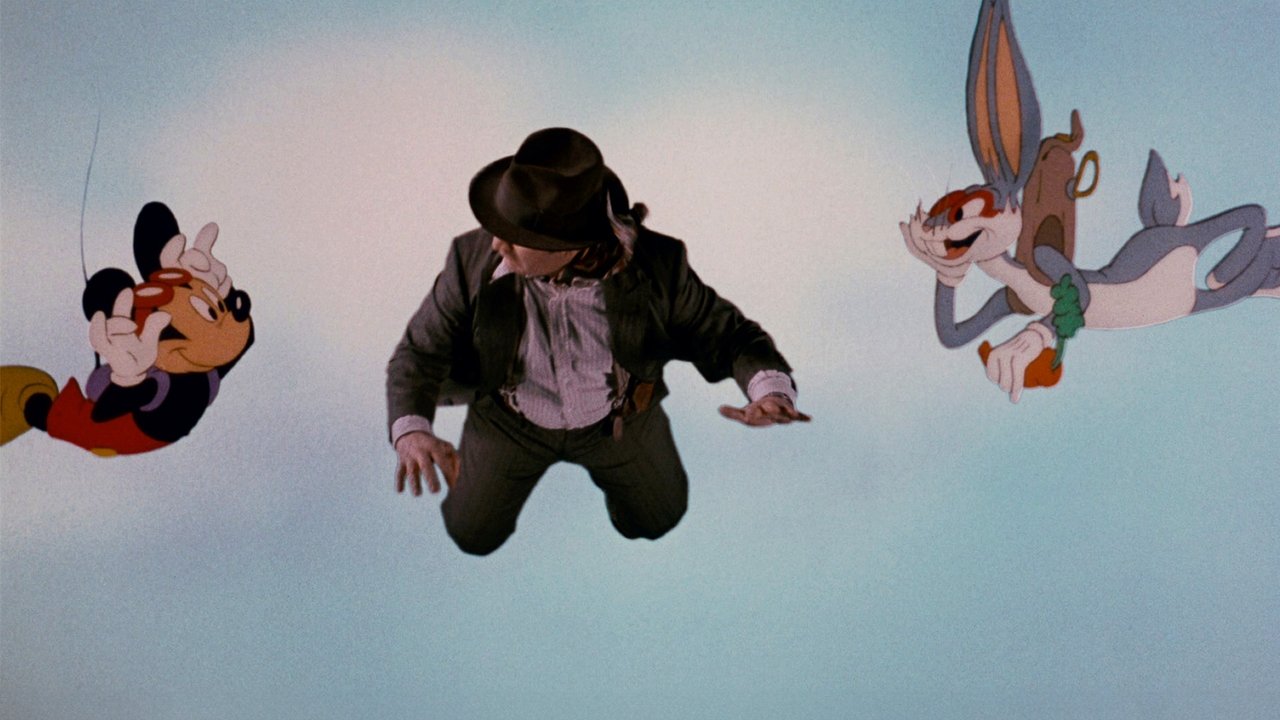
There is a specific, dizzying moment in Who Framed Roger Rabbit where Mickey Mouse and Bugs Bunny share a skydiving scene. For a modern audience raised on Fortnite crossovers and Space Jam sequels, this might seem like a minor novelty. But in 1988, seeing those two icons together was the cinematic equivalent of a high-wire act performed over a pit of copyright lawyers. It was a legal miracle that only someone with Steven Spielberg’s clout and Robert Zemeckis’s manic energy could have pulled off.
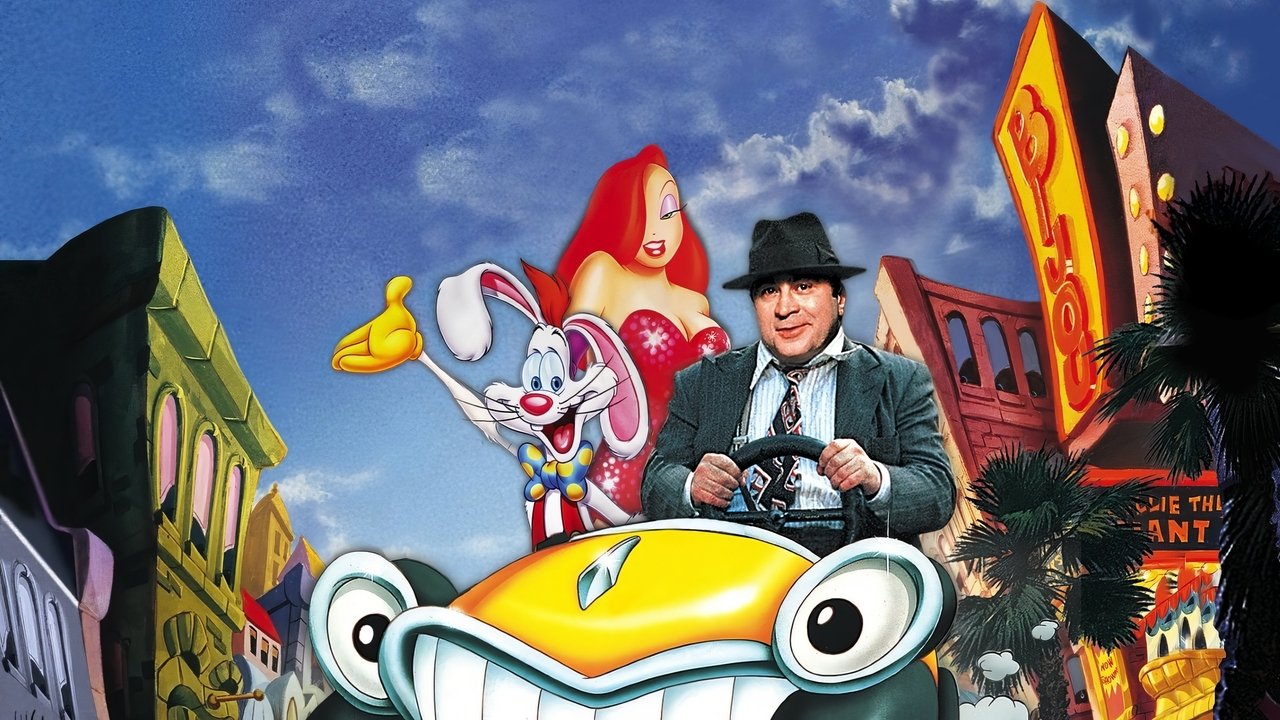
I watched this film again last Tuesday while my neighbor was power-washing his driveway, and the rhythmic thrum of the water actually synced up perfectly with the Benny the Cab chase. It’s a movie that demands that kind of sensory overload. It doesn't just ask you to suspend your disbelief; it grabs your disbelief by the lapels and shakes it until the loose change falls out.
Bumping the Lamp
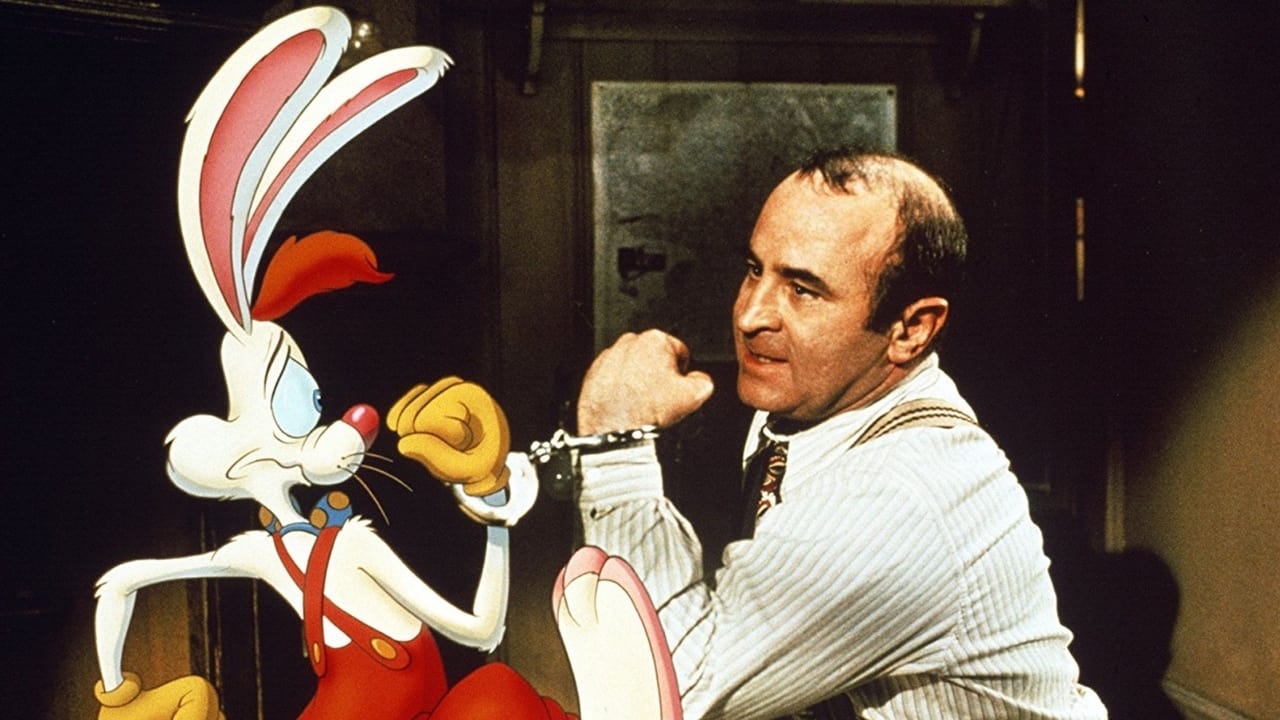
Before the age of seamless CGI, Zemeckis and his team were doing things with practical effects and hand-drawn cells that still look better than most $200 million Marvel outings. There’s a philosophy at Disney Research called "Bumping the Lamp," named after a scene in this very movie. In a sequence where Eddie Valiant (Bob Hoskins) drags a handcuffed Roger (Charles Fleischer) through a back room, Eddie accidentally hits a hanging lamp. The lamp swings, and the light—and the shadows—shift across Roger’s animated body with frame-perfect accuracy.
It was a nightmare to produce. Every frame had to be hand-shaded to account for the moving light source. It’s the kind of obsessive detail that makes the "Toons" feel like they occupy physical space. When Bob Hoskins grabs Roger by the throat, your brain doesn't see a man holding a drawing; it sees a man holding a frantic, furry problem. Hoskins is the unsung hero of this entire era of filmmaking. He spent months acting against tennis balls and empty air, and he did it so convincingly that he reportedly struggled with hallucinations of cartoons for a year after filming. He gave us a hard-boiled noir protagonist who was the only sane man in a world made of ink and adrenaline.
Noir, Neon, and Nightmare Fuel
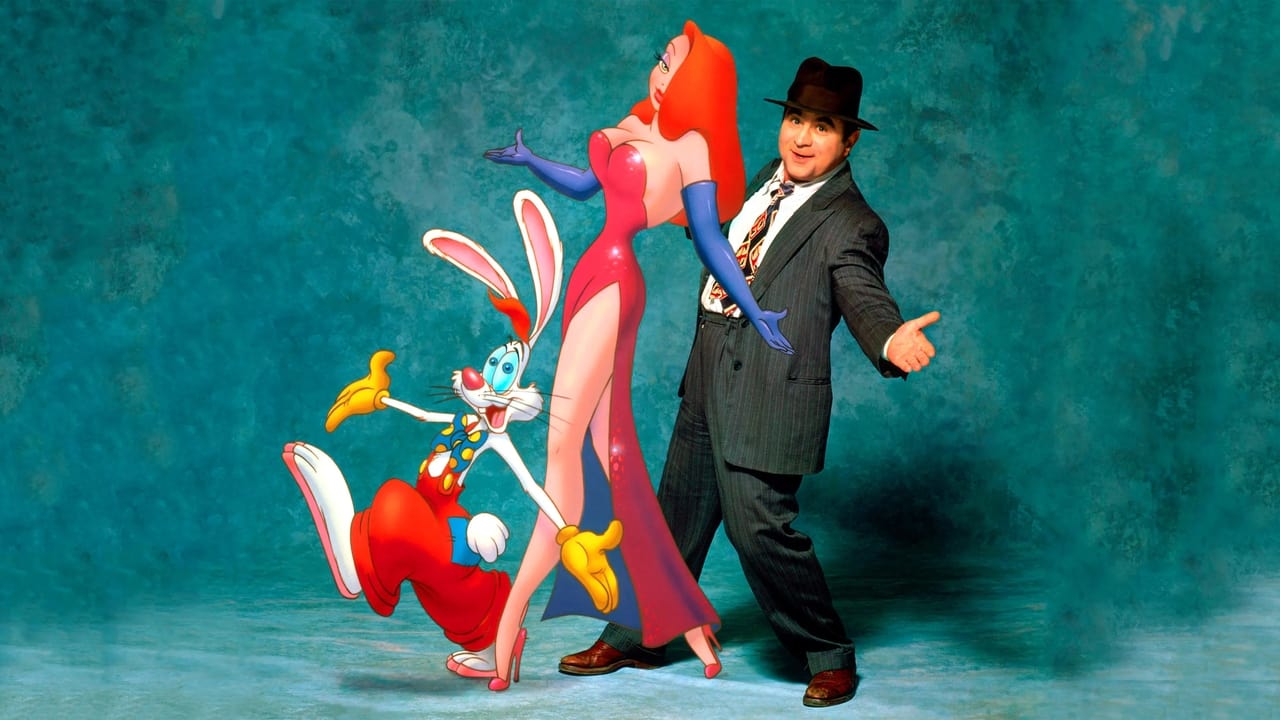
At its heart, Who Framed Roger Rabbit is a pitch-perfect Los Angeles noir. It has the corrupt city planning, the cynical detective, and the ultimate femme fatale in Jessica Rabbit (Kathleen Turner). "I'm not bad, I'm just drawn that way" isn't just a great line; it’s a thesis statement for the film’s playfulness with genre tropes. The script by Peter S. Seaman and Jeffrey Price is remarkably tight, balancing adult themes of urban decay and genocide (yes, the "Dip" is essentially a chemical weapon) with the slapstick anarchy of Toontown.
Then, there is Christopher Lloyd. As Judge Doom, Lloyd delivers a performance that launched a thousand therapy sessions for 80s kids. With his cane, his black fedora, and those unblinking eyes, he looks like he was sculpted out of cold marble and pure malice. The reveal of his true nature in the final act—the high-pitched voice, the spinning eyes—is a masterclass in practical horror. It’s the kind of risk that filmmakers in the late 80s took because they knew the home video market would embrace the weirdness.
The VHS Treasure Map
Speaking of home video, this was a massive title for the VHS revolution. Because the film is so densely packed with background gags and blink-and-you’ll-miss-it cameos (look for the Fantasia hippos or the cameos from the Fleischer era), it became one of those tapes that families watched until the magnetic ribbon turned to dust. It also became a playground for the "freeze-frame" hunters of the early 90s. There were urban legends—some true, some exaggerated—about hidden frames and "scandalous" details hidden by mischievous animators. This film wasn't just a movie; it was a treasure map that you navigated with the "Pause" and "Tracking" buttons on your VCR.
The budget was a staggering $70 million, making it one of the most expensive films of the decade. It could have been the biggest disaster in Disney’s history. Instead, it became a cultural touchstone that redefined what "all-ages" entertainment could look like. It respects the intelligence of the adults while catering to the imagination of the kids, never talking down to either.
Who Framed Roger Rabbit remains a flawless intersection of art and commerce. It captures the cynicism of the 70s auteur era and marries it to the high-concept spectacle of the 80s. Even decades later, it hasn't aged a day because the craftsmanship is so tactile. It’s a love letter to a bygone era of animation and a testament to the time when Robert Zemeckis was the undisputed king of the "how did they do that?" blockbuster. If you haven't seen it recently, watch it again—and keep an eye out for the lamp.

Keep Exploring...
-

Back to the Future
1985
-
Back to the Future Part II
1989
-
Romancing the Stone
1984
-
Gremlins
1984
-
Big
1988
-
Lethal Weapon 2
1989
-
Back to the Future Part III
1990
-
The Castle of Cagliostro
1979
-

All Dogs Go to Heaven
1989
-
One Hundred and One Dalmatians
1961
-
The Blues Brothers
1980
-
Shrek
2001
-
Shrek 2
2004
-
Ratatouille
2007
-
How to Train Your Dragon 2
2014
-
The Lego Movie
2014
-
Frozen II
2019
-
Puss in Boots: The Last Wish
2022
-
The Bad Guys
2022
-
The Purple Rose of Cairo
1985