Women on the Verge of a Nervous Breakdown
"Gazpacho, Valium, and the art of the meltdown."
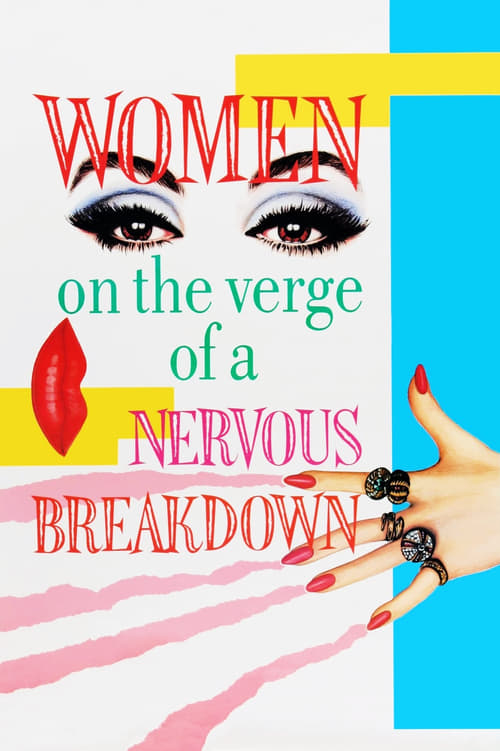
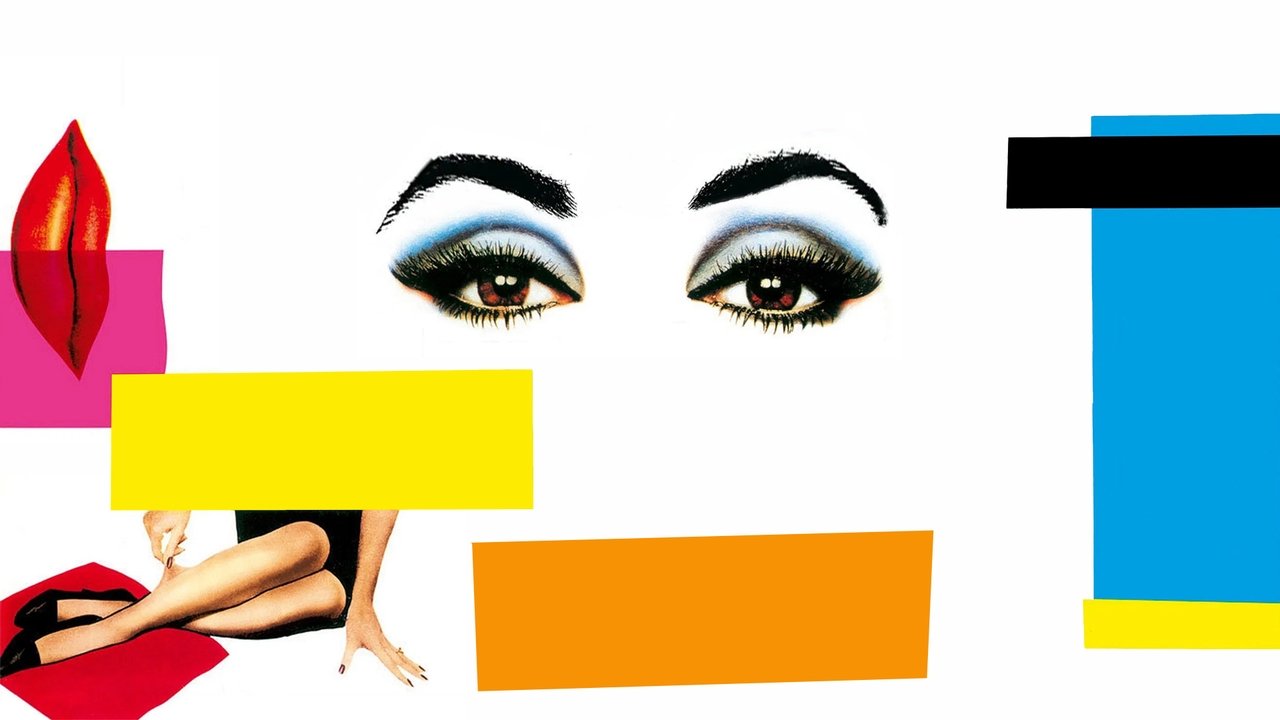
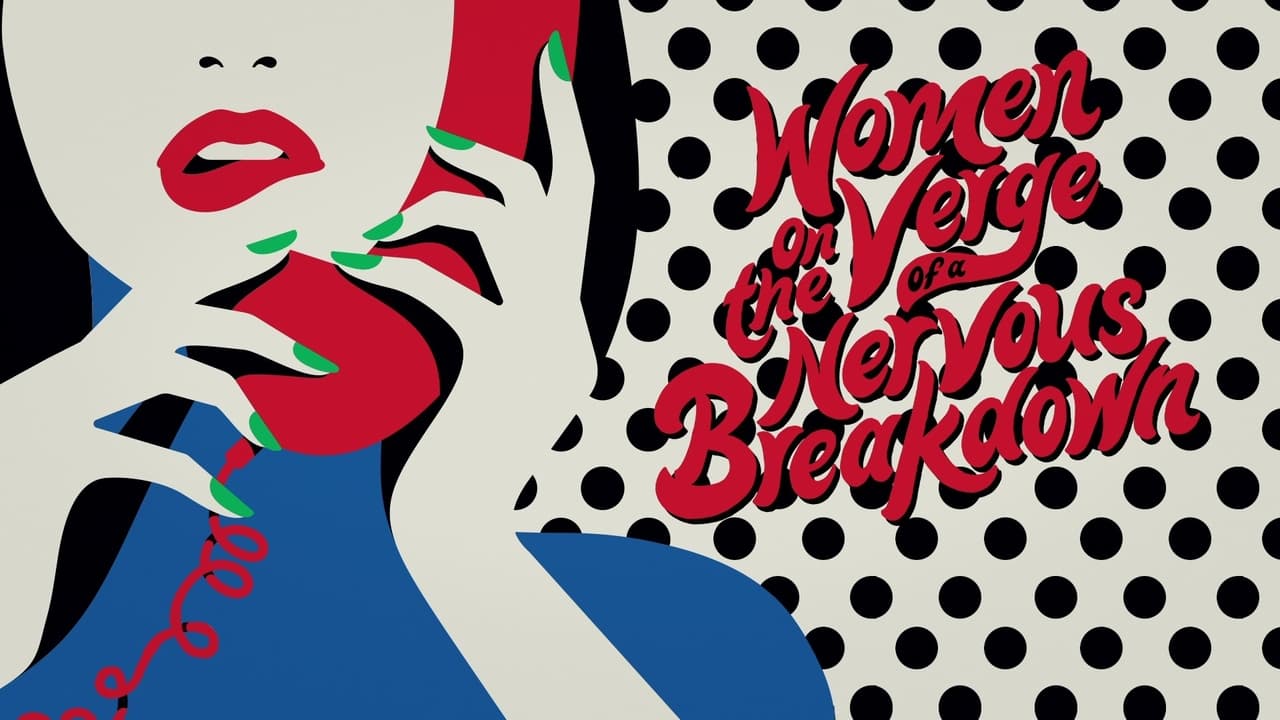
The first thing you notice isn't the dialogue or the plot—it’s the red. Not just a simple crimson, but a hyper-saturated, aggressive, "stop-everything-and-look-at-me" red that coats the high heels, the telephones, and the soul of 1980s Madrid. If you walked into a video store in 1989 and saw the box art for Women on the Verge of a Nervous Breakdown, you weren't looking at a movie; you were looking at a fashion emergency that had somehow been captured on celluloid. It promised a kind of sophisticated, European chaos that felt lightyears away from the gritty cynicism of late-era New Hollywood.
I watched this most recent viewing while my neighbor was outside unsuccessfully trying to start a lawnmower for forty minutes, and honestly, the rhythmic chug-chug-fail of the engine provided a perfect, unintended percussion for the mounting anxiety on screen. It’s a film that thrives on things that refuse to work the way they should.
The Pop-Art Panic Attack
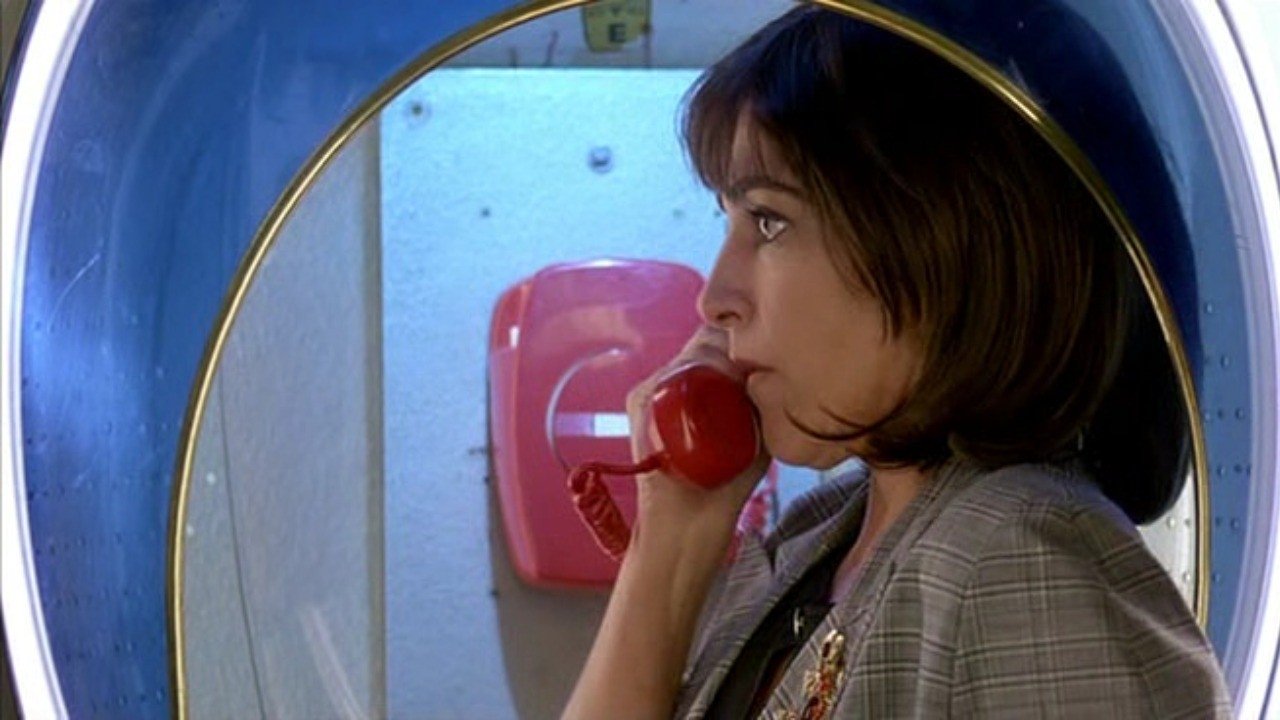
At its heart, the movie is a screwball farce, but Pedro Almodóvar isn't interested in the door-slamming antics of old-school theater. He’s interested in what happens when the vibrant energy of post-Franco Spain—the "Movida Madrileña"—collides with a woman who has simply had enough. Carmen Maura plays Pepa, a voice-over actress who has just been dumped via answering machine by a man named Iván. Pepa spends the next 88 minutes trying to track him down, while her apartment slowly transforms into a high-fashion purgatory for everyone she knows.
Carmen Maura is a revelation here. She doesn't play "nervous" like a caricature; she plays it like a woman whose internal thermostat has been ripped off the wall. When she decides to spike a batch of gazpacho with a handful of sleeping pills, she does it with the focused precision of a chemist. The performance is the anchor for a film that could easily have drifted into pure absurdity. She makes the heartbreak feel real, even when a "Mambo Taxi" with a leopard-print interior and a built-in pharmacy shows up to whisk her away.
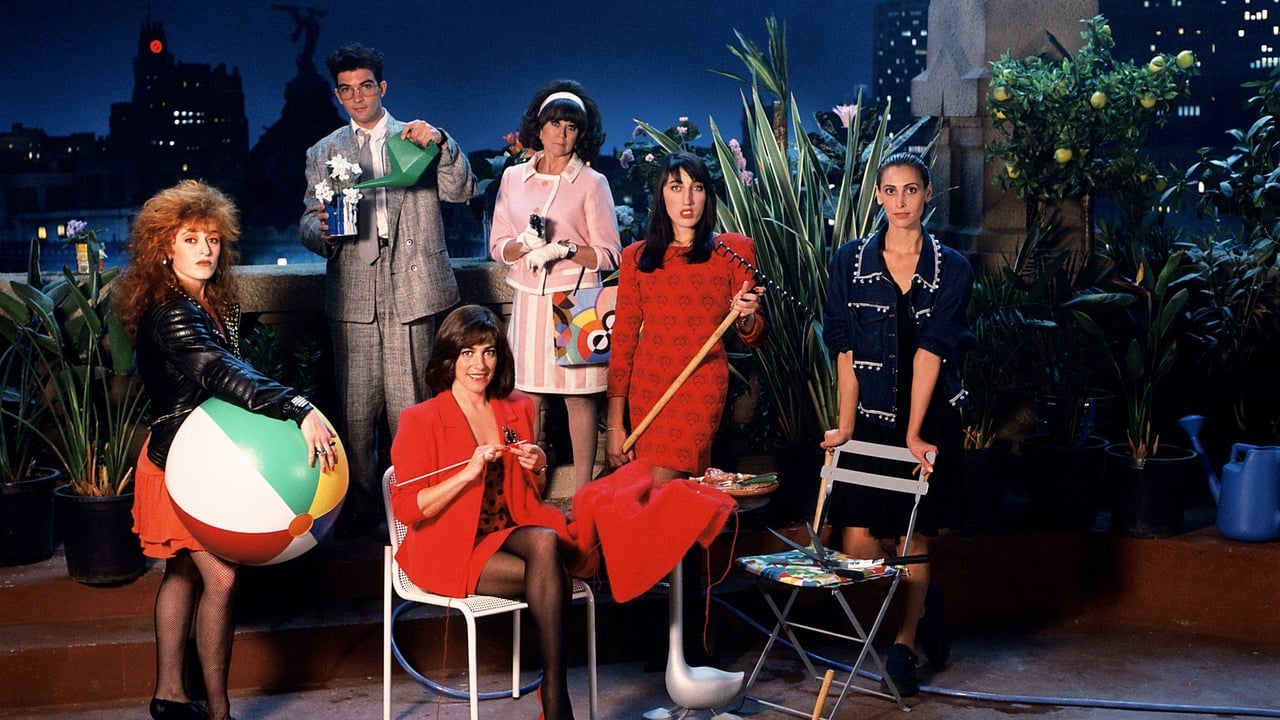
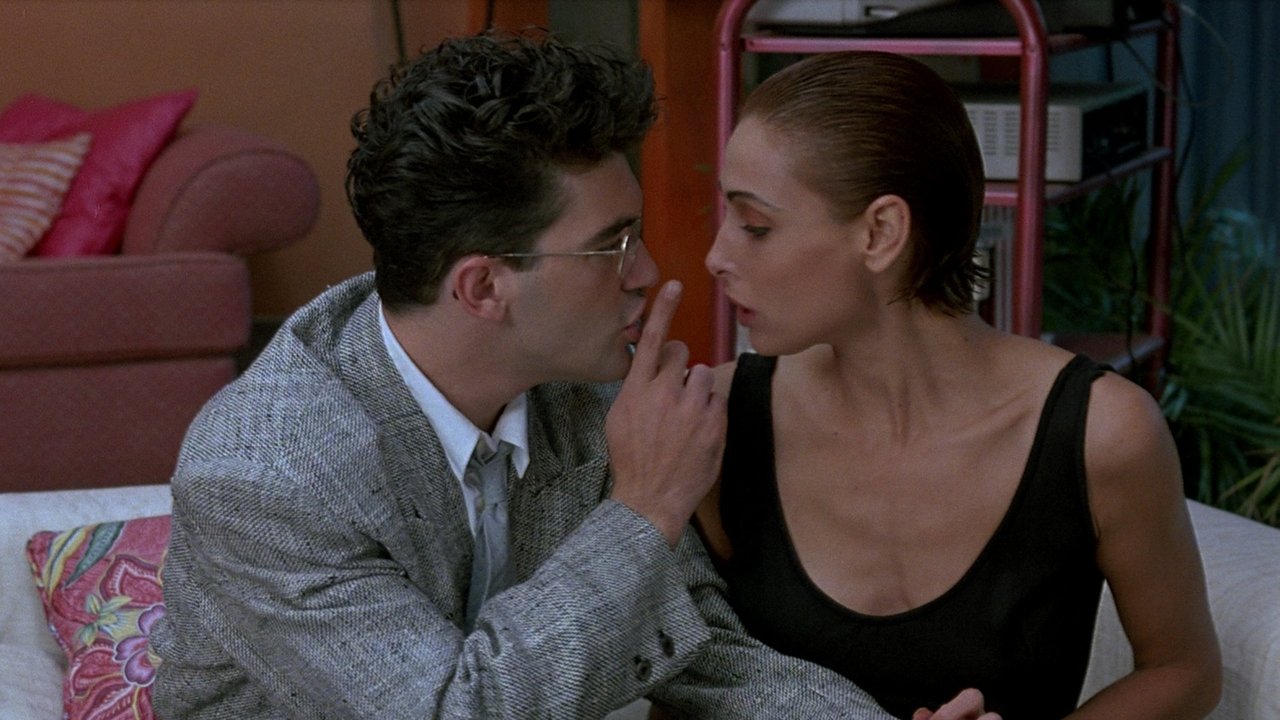
Then there’s a young Antonio Banderas as Carlos, the son of the man who dumped Pepa. Before he was a Hollywood swashbuckler, Banderas was Almodóvar’s go-to guy for playing characters who were lovably incompetent nerds with great hair. His chemistry with the rest of the ensemble—particularly the wild-eyed Julieta Serrano and the iconic, high-fashion features of Rossy de Palma—is what makes the film’s second half sing. It’s a masterclass in "bottled" storytelling; almost everything happens in one apartment, yet it feels more expansive than most globetrotting adventures.
The VHS Treasure Hunt
For those of us who grew up in the 80s and 90s, Women on the Verge holds a specific place in the cultural memory of the local video store. Back then, "Foreign Film" was often a dusty corner filled with somber, black-and-white meditations on death. Almodóvar changed that. This was the tape with the bright yellow spine that looked like it belonged in the "Comedy" section but felt too cool for the mainstream. It was a "discovery" film. I knew people who rented this tape so many times the tracking would go haywire during the iconic telephone-throwing scene.
The film feels like the ultimate bridge between the 70s art-house ambition and the 80s love of artifice. It’s unashamedly theatrical. Every set looks like a set, and every sunset looks like a painting. Almodóvar spent about $700,000 on the production, which was a healthy budget for Spain at the time but pocket change by American standards. Yet, he made it look like a million bucks by leaning into the artificiality. He didn't have the money for sprawling location shoots, so he built a Madrid of the mind—a city of rooftops and neon that feels more "real" than the actual place.
Practical Magic and Gazpacho
One of my favorite bits of trivia about the production is that the view of Madrid from Pepa’s balcony is actually a massive photographic mural. When you watch the film now, you can tell it’s a flat image, but in the context of Almodóvar’s aesthetic, that makes it better. It underscores the idea that Pepa is living in a curated, controlled world that is falling apart at the seams.
There’s also the legendary gazpacho recipe. Almodóvar reportedly had a specific way he wanted the vegetables to look on screen—they had to be the perfect shade of red to match the decor. The film is famous for its "recipe" monologue, and it’s one of those rare moments where a director manages to turn a culinary instruction into a plot device and a character study all at once.
The pacing is breathless. It avoids the 80s trap of overstaying its welcome, clocking in at a lean 88 minutes. It’s the kind of movie that reminds you that dramas don’t have to be grey and depressing to be profound. Sometimes, the best way to examine the human heart is to put it in a bright red dress and throw a telephone at it.
Ultimately, Women on the Verge of a Nervous Breakdown is a celebration of resilience through the lens of comedy. It captures that specific feeling of being at the end of your rope and deciding to use that rope to hang some new curtains instead. It’s bright, it’s loud, and it’s deeply empathetic to the plight of people who are just trying to get through the day without setting their bed on fire. If you’ve never seen it, find the most vibrant copy you can and let the gazpacho do its work.
Keep Exploring...
-

Volver
2006
-
After Hours
1985
-
All About My Mother
1999
-
Julieta
2016
-
Parallel Mothers
2021
-
The Apartment
1960
-
Lolita
1962
-
Annie Hall
1977
-

The Breakfast Club
1985
-
Pain and Glory
2019
-

Risky Business
1983
-
Cocoon
1985
-

An American Tail
1986
-
Hannah and Her Sisters
1986
-
Good Morning, Vietnam
1987
-
Moonstruck
1987
-
The Lost Boys
1987
-

Big
1988
-

Scrooged
1988
-
Working Girl
1988