Working Girl
"Big hair, bigger dreams, and a head for business."
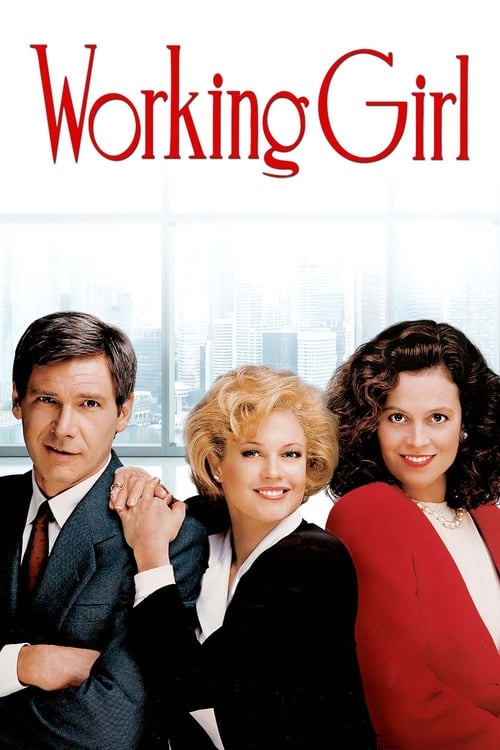
If you want to know what 1988 felt like, you don’t look at a history book; you look at the opening shot of the Staten Island Ferry circling Manhattan while Carly Simon’s "Let the River Run" wails about the "New Jerusalem." It is the sound of pure, unadulterated ambition, and it smells like a mixture of Aqua Net and desperation. I watched this yesterday while my neighbor’s leaf blower provided a rhythmic, buzzing soundtrack to the boardroom scenes, which actually made the corporate tension feel surprisingly authentic.

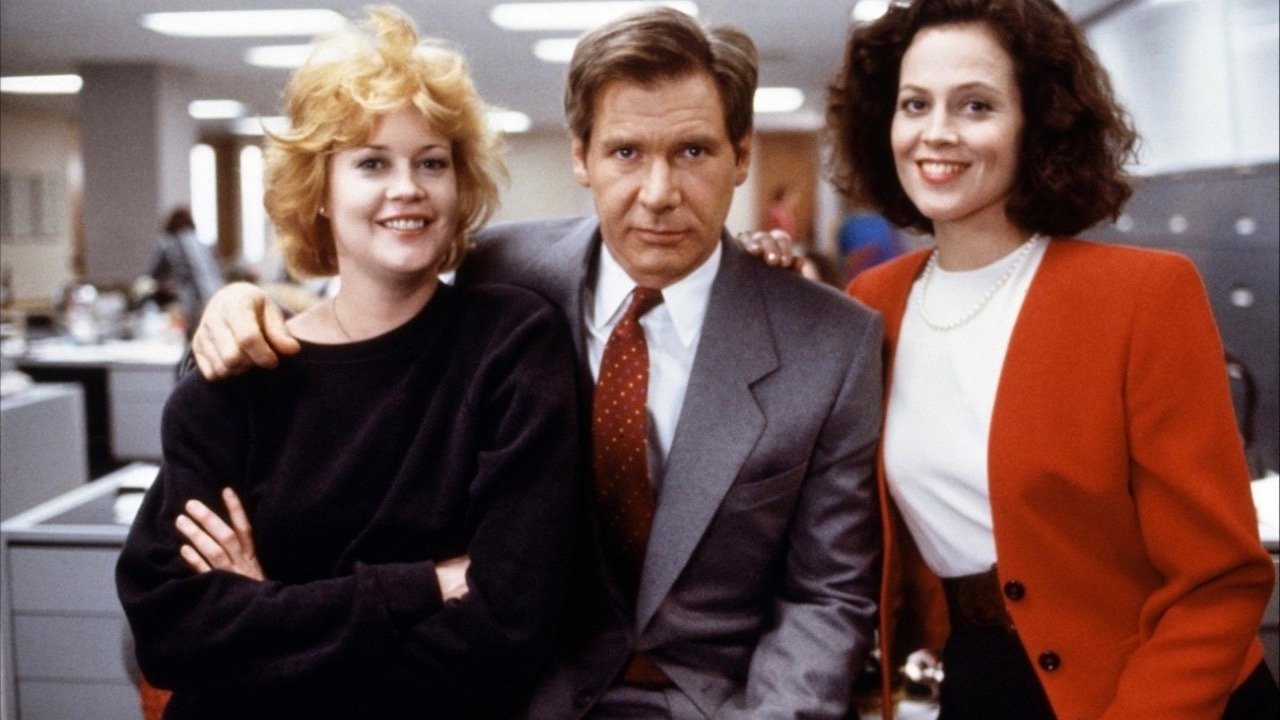
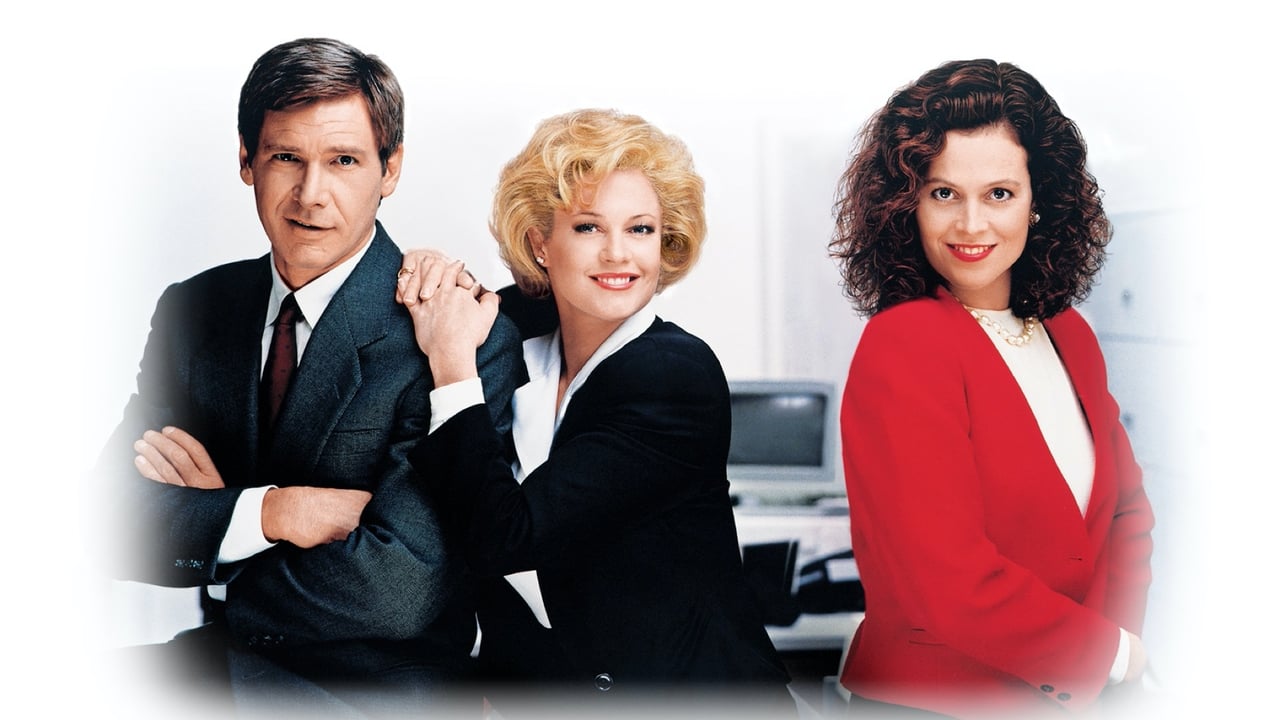
Directed by Mike Nichols (The Graduate, Who’s Afraid of Virginia Woolf?), Working Girl is the ultimate "fake it 'til you make it" fable. It arrived at the tail end of the Reagan era, a time when the "yuppie" was both a target of derision and a blueprint for survival. The film follows Tess McGill (Melanie Griffith), a secretary with a Staten Island accent thick enough to clog a drain and a brain sharp enough to cut through the glass ceiling. When her boss, the icy Katharine Parker (Sigourney Weaver), steals her investment idea and then conveniently breaks a leg in a skiing accident, Tess doesn't just fill her shoes—she steals her life.
The Architecture of the Power Suit
The first thing you notice—beyond the hair, which Joan Cusack (as Tess’s best friend Cyn) wears like a structural marvel that likely required its own zoning permit—is how Melanie Griffith plays the role. Her voice is a breathy, Marilyn-esque whisper that makes everyone in the room underestimate her. It’s a brilliant piece of performance because we, the audience, are constantly waiting for her to snap. Instead, she just gets quieter and more competent.
Sigourney Weaver is equally legendary here. Coming off the high-octane intensity of Aliens (1986), her Katharine Parker is a different kind of monster. She’s the "benevolent dictator" who calls you "dear" while stabbing you in the back with a silver letter opener. The chemistry of their conflict is what anchors the film; it isn't just about a job, it's about the realization that the women who climbed the ladder before you might be the ones most likely to kick it away.
The Man Who Put the "Goof" in Go-Getter
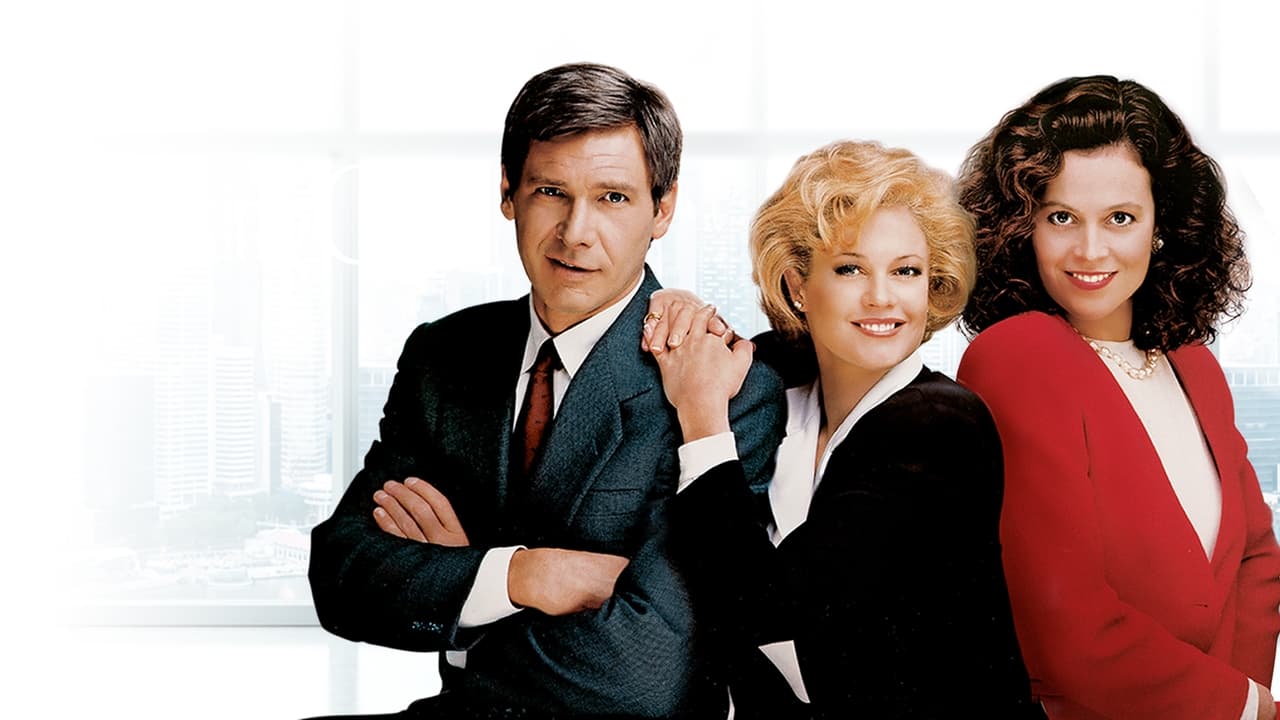
Then there’s Harrison Ford as Jack Trainer. We’re used to him as Han Solo or Indiana Jones, but here, he’s playing a romantic lead who is refreshingly terrible at being suave. He’s clumsy, he’s constantly being surprised by Tess, and he spends a good portion of the movie looking like a confused golden retriever. It’s one of the few times in his career where he leans into his comedic timing, and it works because he lets Melanie Griffith be the smartest person in the room.
The film's success wasn't a fluke. It cost about $28 million to make—a decent chunk of change in 1988—and hauled in over $100 million at the box office. It was a genuine cultural phenomenon. I remember seeing the VHS box at my local rental shop—that iconic cover with the three leads’ faces against a blue-gray gradient. It was a staple of the "New Release" wall for months, right next to Die Hard and Coming to America. Apparently, the marketing worked because it wasn't just a "chick flick"; it was a movie about the American hustle that everyone from Wall Street brokers to high school kids could get behind.
Stuff You Didn't Notice
One of the best things about the production is the authenticity of the "commuter" look. The sight of Tess wearing a power suit with white Reebok sneakers and tube socks while walking to the office is a 100% accurate time capsule. Fun fact: Melanie Griffith actually wore those sneakers between takes to save her feet, and Mike Nichols realized it was such a perfect visual metaphor for the "secretary on the move" that he kept it in the movie.
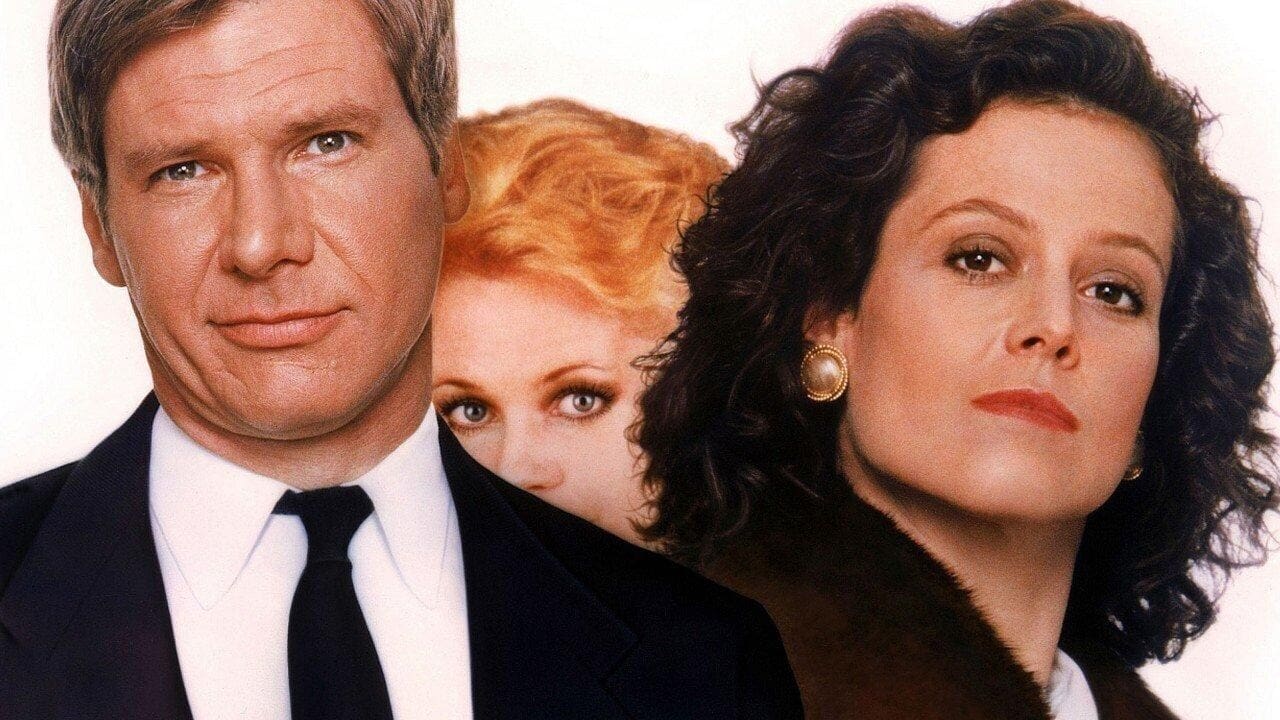
There's also the Alec Baldwin of it all. Before he was the king of 30 Rock, he was playing Mick Dugan, Tess’s dirtbag boyfriend who looks like a human thumb in a gold chain. It’s a small role, but it perfectly illustrates what Tess is trying to escape. She isn't just running toward a corner office; she’s running away from a life of beer-can pyramids and casual infidelity.
The film also sports a screenplay by Kevin Wade that manages to be sharp without being cynical. It earned six Oscar nominations, including Best Picture, which is rare for a "rom-com." But calling it a rom-com feels like a slight; it’s a corporate thriller where the weapon of choice is a well-placed merger proposal rather than a gun.
Working Girl is the rare 80s gem that doesn't just rely on nostalgia to get by. It works because the central struggle—wanting to be taken seriously in a world that only sees your exterior—is timeless. It captures that specific New York energy where the skyline looks like a promise and the subway smells like a warning. If you’ve ever felt like an outsider looking in, this is your anthem. Just be prepared to have "Let the River Run" stuck in your head for the next three to five business days.
Keep Exploring...
-

The Graduate
1967
-

Moonstruck
1987
-
Cocktail
1988
-

Risky Business
1983
-

The Lost Boys
1987
-
Say Anything...
1989
-

When Harry Met Sally...
1989
-

Flashdance
1983
-

Out of Africa
1985
-
Witness
1985
-

The Karate Kid Part II
1986
-

Dirty Dancing
1987
-

Fatal Attraction
1987
-

Good Morning, Vietnam
1987
-

Big
1988
-
Coming to America
1988
-

Look Who's Talking
1989
-
The War of the Roses
1989
-

Closer
2004
-
Sleepless in Seattle
1993