Back to the Future Part II
"The future is back, and it’s a total mess."
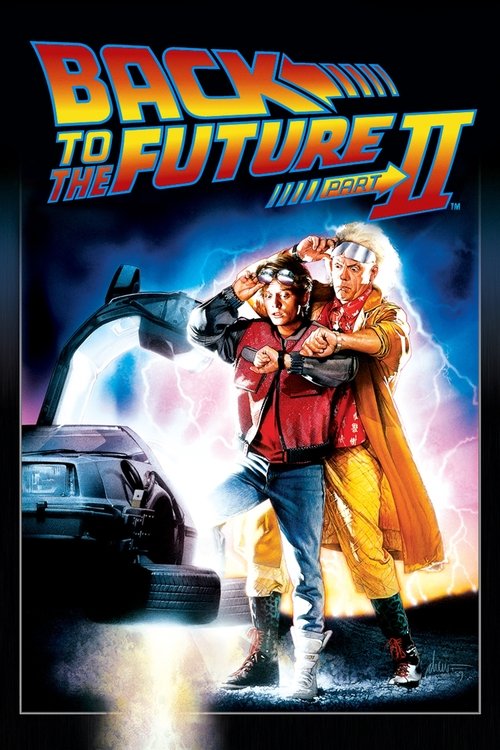
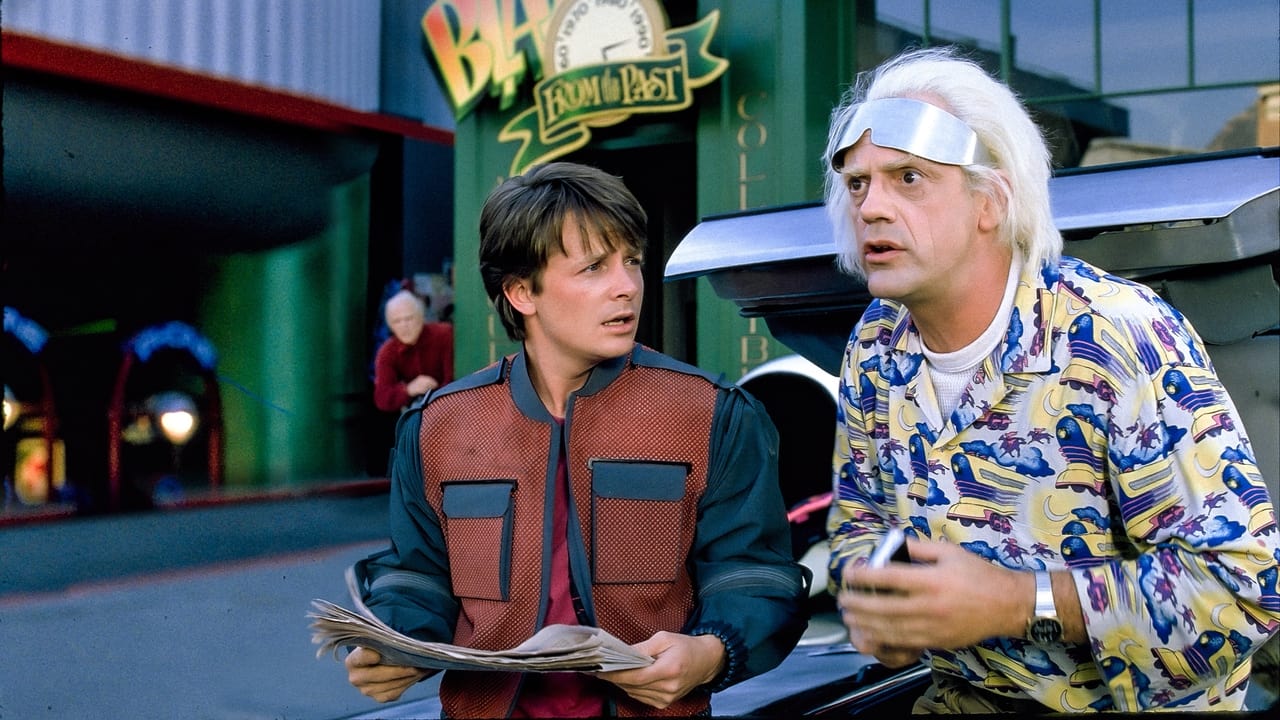
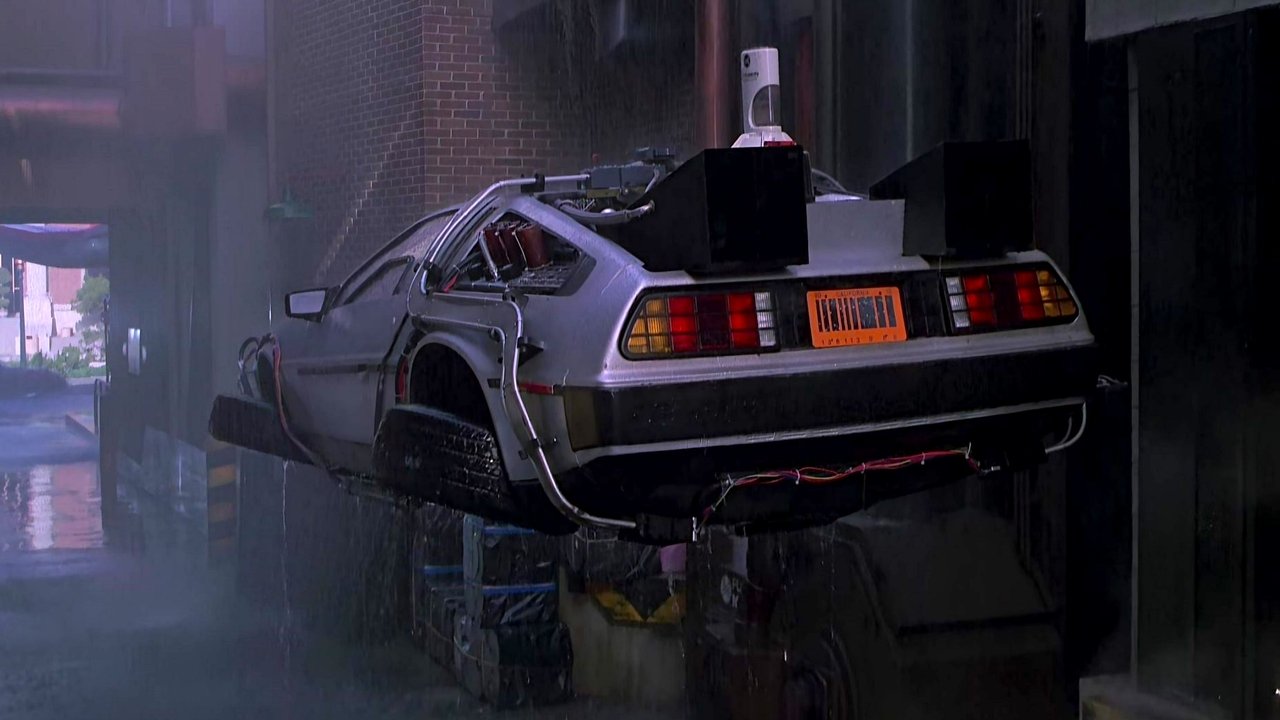
I remember the great playground lie of 1989 like it was yesterday: the hoverboard was real. Director Robert Zemeckis gave a televised interview claiming that Mattel had actually invented the hovering planks, but they weren't being released because "parent groups" thought they were too dangerous. I spent an entire summer looking at my old skateboard with utter disdain, waiting for the technology to catch up to the myth. That’s the kind of grip Back to the Future Part II had on the collective imagination. It didn’t just show us the future; it made us feel entitled to it.
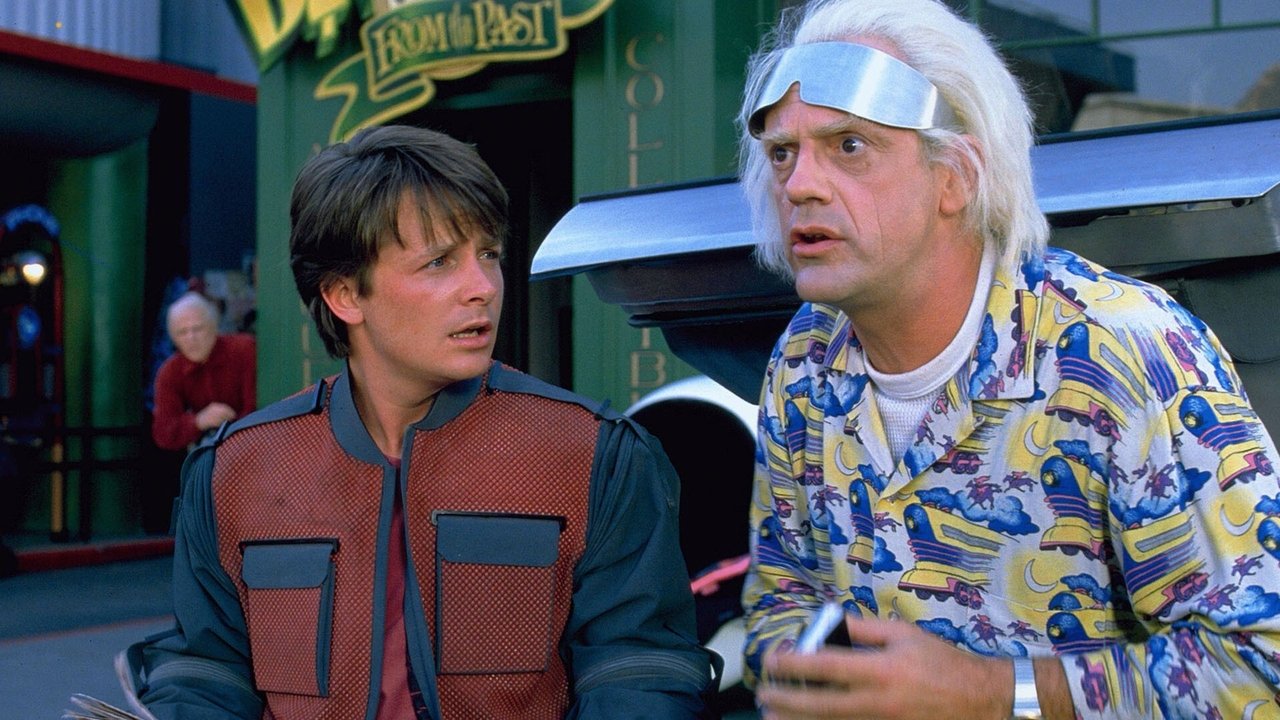
I rewatched this last night while struggling with a slightly charred bag of microwave popcorn, and I realized that the "future" of 2015 is actually the least interesting part of the film. Don't get me away—the neon-drenched, Pepsi-Perfect-swilling aesthetic is a masterpiece of production design—but the real meat of the movie is its sheer, breathless audacity. Most sequels are content to just "do the first one again, but bigger." Zemeckis and screenwriter Bob Gale (who also wrote the underrated 1941) decided to do something far more dangerous: they built a movie that literally crawls inside the ribcage of the original.
The Logistics of a Legend
The middle act of this film is where things get truly weird. When Marty and Doc return to a warped version of 1985—a "Hell Valley" where Biff Tannen is a casino mogul and Hill Valley is a decaying urban nightmare—the movie shifts from a lighthearted sci-fi romp into something surprisingly dark. It reflects that late-80s anxiety about urban decay and corporate greed, even while Michael J. Fox is busy falling off rooftops. Thomas F. Wilson, playing every iteration of Biff, is the secret weapon here. Whether he’s a cyber-punk bully in the future or a bathrobe-clad tyrant in the alternate present, he brings a physical presence that makes the stakes feel real. Honestly, Biff Tannen is the most underrated villain in cinematic history because he’s a threat in every single timeline.
Technically, this was the peak of the practical effects era before CGI completely took the wheel. To get three different versions of Michael J. Fox (Marty, Marty Jr., and Marlene) in the same frame at a dinner table, the crew used the "VistaGlide" system. It was a computer-controlled camera that could repeat the exact same movement over and over, allowing Michael J. Fox to act against himself. It was a painstaking process that required the actors to hit their marks with millisecond precision. This wasn't just "movie magic"—it was a grueling exercise in cinematic math.
The Home Video Detective Agency
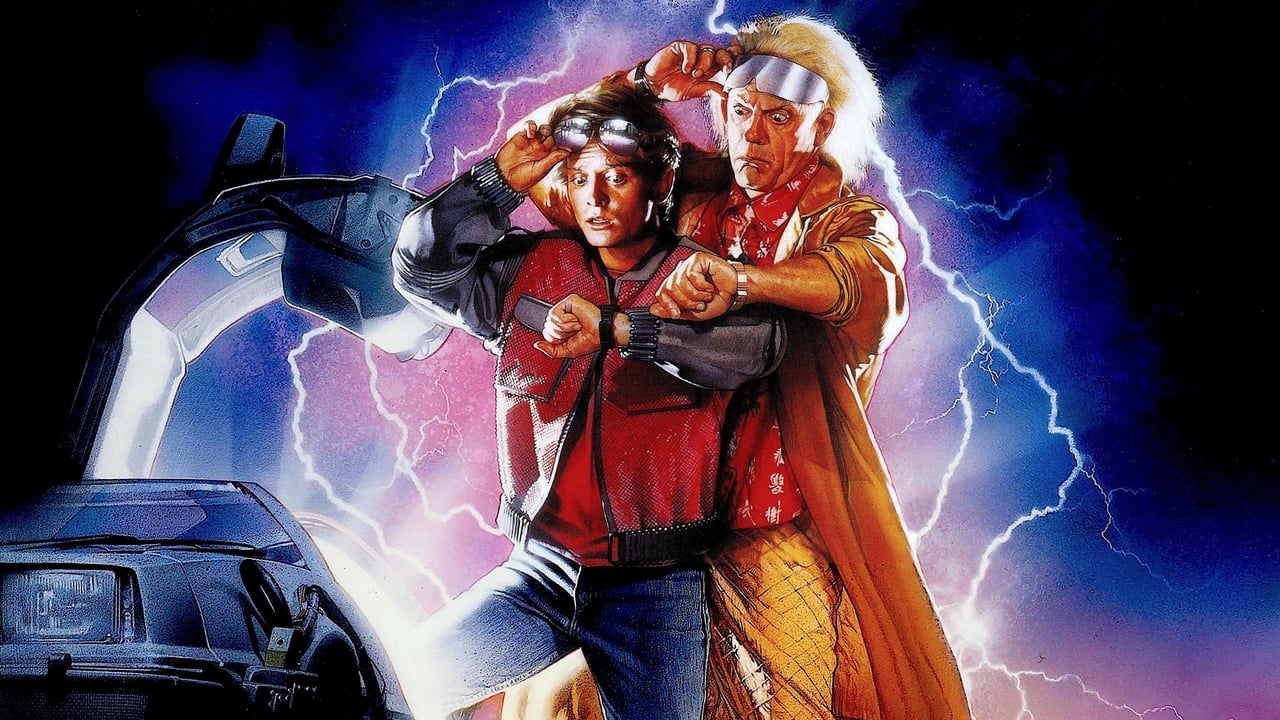
In the late 80s and early 90s, this was a massive hit at the rental counter. It was one of those tapes you’d rent specifically to abuse the pause button. Because the film returns to the events of the 1955 climax from the first movie, fans spent hours frame-stepping through the VHS to see where the "new" Marty was hiding during the "old" Marty's scenes. It turned the audience into detectives. We were all looking for the seams.
There was a bit of behind-the-scenes drama that became a legendary bit of trivia for us tape-heads: Crispin Glover didn't return as George McFly. To fix this, the production used a face mold from the first film and put another actor in heavy prosthetics. It’s a bit eerie when you know what to look for, but at the time, we were just happy to see the family back together. And let's not forget Elisabeth Shue stepping in for Claudia Wells as Jennifer. It’s a seamless handoff, even though the movie literally starts by re-shooting the final scene of the first film with a different actress.
The $40 million budget was considered massive for 1989, but it paid off spectacularly. The film hauled in $332 million worldwide, proving that audiences were more than willing to follow a plot that was essentially a complicated knot of "if-then" statements. Marty McFly is actually a bit of a secondary character in his own sequel, acting more as a cosmic janitor trying to clean up the mess Doc Brown accidentally made by bringing him to 2015 in the first place.
The Clock Tower Paradox
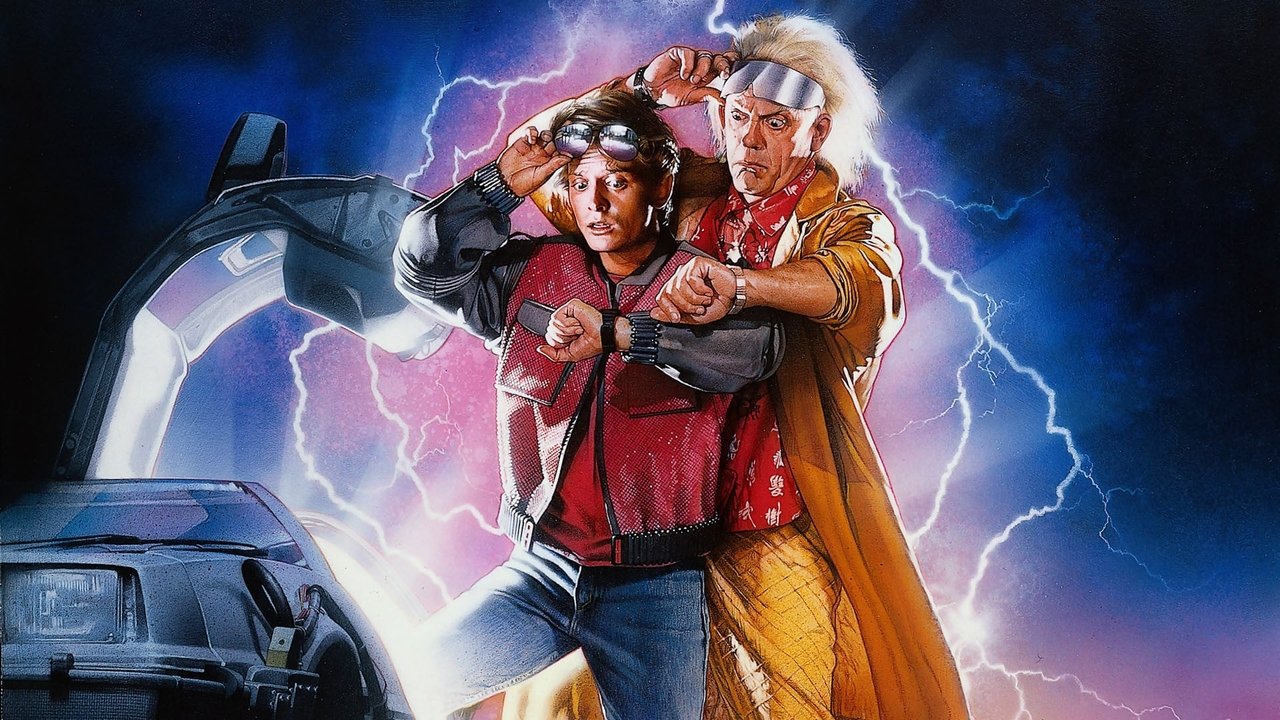
What I love most about Part II is how it rewards the "super-fan" without alienating the casual viewer. When Marty is scurrying around the rafters of the 1955 Enchantment Under the Sea dance, avoiding his other self from the first movie, it feels like a high-wire act. Christopher Lloyd, as Doc Brown, provides the necessary exposition with such manic energy that you don't care if the physics don't quite make sense. It’s a movie that trusts its audience to keep up, which is a rare thing for a summer blockbuster then or now.
The score by Alan Silvestri (Predator, The Avengers) also deserves a shout-out. He takes the triumphant theme from the first movie and twists it, making it frantic, mysterious, and occasionally quite menacing during the 1985-A sequences. It’s the glue that holds these three disparate time periods together.
Ultimately, Back to the Future Part II is the "difficult" middle child of the trilogy, but it’s also the most inventive. It’s a film that demands your full attention, treating time travel not just as a gimmick, but as a playground for logic puzzles and slapstick. It’s a chaotic, noisy, brilliant piece of popcorn cinema that reminds me why I fell in love with movies in the first place. My stale bagel may have been a disappointment, but this movie never is.
Keep Exploring...
-

Back to the Future
1985
-
Back to the Future Part III
1990
-
Romancing the Stone
1984
-
Who Framed Roger Rabbit
1988
-

Bill & Ted's Excellent Adventure
1989
-
Honey, I Shrunk the Kids
1989
-
Lethal Weapon 2
1989
-
One Hundred and One Dalmatians
1961
-
The Aristocats
1970
-
Ladyhawke
1985
-
The Goonies
1985
-
Big Trouble in Little China
1986
-
Innerspace
1987
-
The Princess Bride
1987
-
Star Trek IV: The Voyage Home
1986
-

Re-Animator
1985
-
The Adventures of Baron Munchausen
1988
-
Men in Black
1997
-
Thor: Ragnarok
2017
-

Minions: The Rise of Gru
2022