Batman
"The night belongs to the Bat."

In the summer of 1989, you couldn’t walk ten feet without seeing the yellow-and-black oval. It was on shirts, hats, cereal boxes, and even shaved into the back of people's heads. "Batmania" wasn't just a marketing campaign; it was a cultural fever dream. Before the Marvel Cinematic Universe made superhero movies a weekly occurrence, Tim Burton’s Batman was a singular, brooding monolith that proved comic book movies could be weird, dark, and unimaginably profitable.
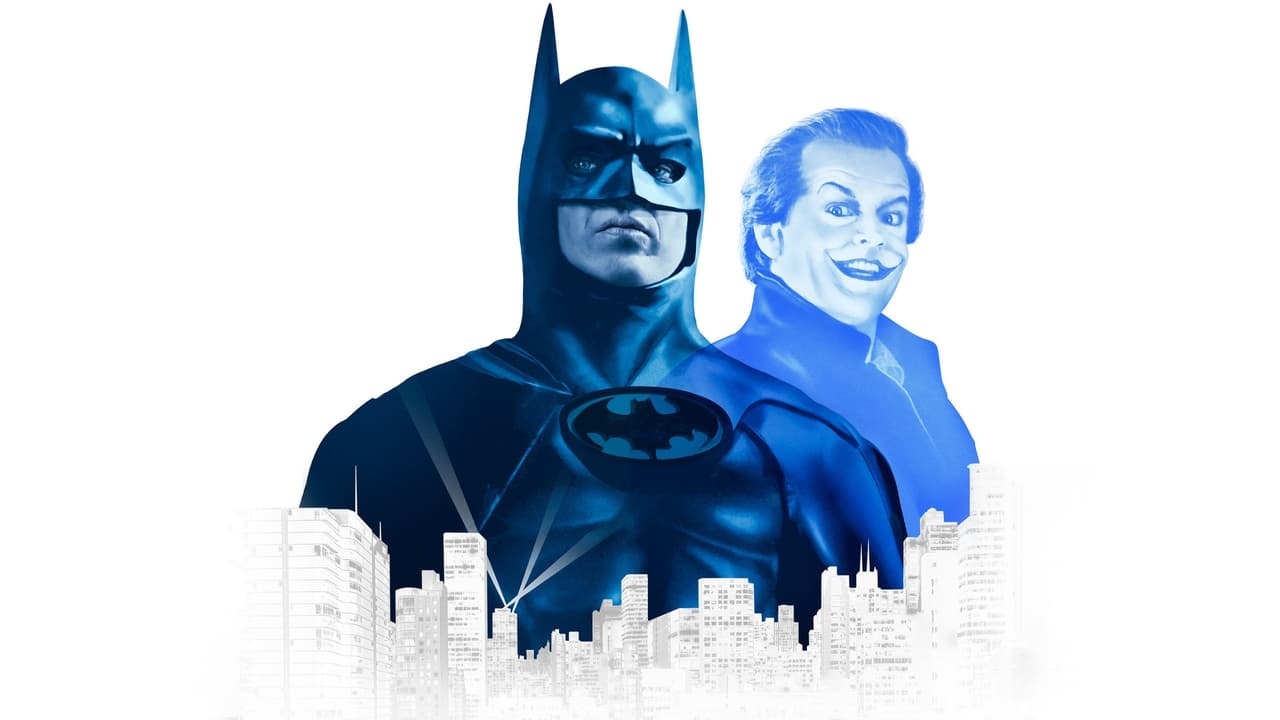
The Gamble on the Man Behind the Mask
When Michael Keaton was announced as Bruce Wayne, the fan reaction was basically the 1980s equivalent of a Twitter meltdown. Warner Bros. was flooded with over 50,000 letters of protest from fans who thought the "funny guy" from Mr. Mom would turn their Dark Knight into a joke. I watched this film most recently while eating a bowl of cereal that had gone slightly soggy, which strangely matched the damp, grey aesthetic of Gotham, and it reminded me why Keaton is still my favorite Bruce Wayne. He doesn't look like a god or a bodybuilder; he looks like a man who has genuinely lost his mind.
Keaton plays Wayne with a distracted, twitchy energy—he’s a billionaire who forgets which fork to use at his own dinner party because he’s too busy thinking about ballistics. When he puts on the suit, he’s terrifying precisely because he’s a bit of a freak. Because the original rubber suit was so stiff that Keaton couldn’t turn his head, he had to move his entire torso to look at anything, creating that iconic, predatory "Bat-turn" that every actor since has had to emulate. Keaton’s Batman is essentially a high-functioning shut-in with a leather fetish, and it’s the most honest interpretation we’ve ever had.
A City Built of Nightmares
The real star of the show might actually be the late Anton Furst, the production designer who turned the Pinewood Studios backlot into a suffocating, Gothic hellscape. This isn't the clean, modern Chicago-style Gotham of the Christopher Nolan era. This is a city where the sun never seems to rise, built out of rusted steel, leaking pipes, and jagged stone. It looks like "hell erupted through the pavement," which was exactly the intent.

The action is heavy and physical, largely because everything you see on screen is actually there. From the Batmobile—built on a Chevy Impala chassis and looking like a Salt Flats racer from a nightmare—to the massive cathedral climax, there’s a tactile weight to the world. When the Batwing gets shot down and slides across the pavement, you’re seeing a massive model being dragged through real fire. There’s a grit to the practical effects that CGI just can't replicate. It feels dangerous, smoky, and expensive.
The Joker’s Hostile Takeover
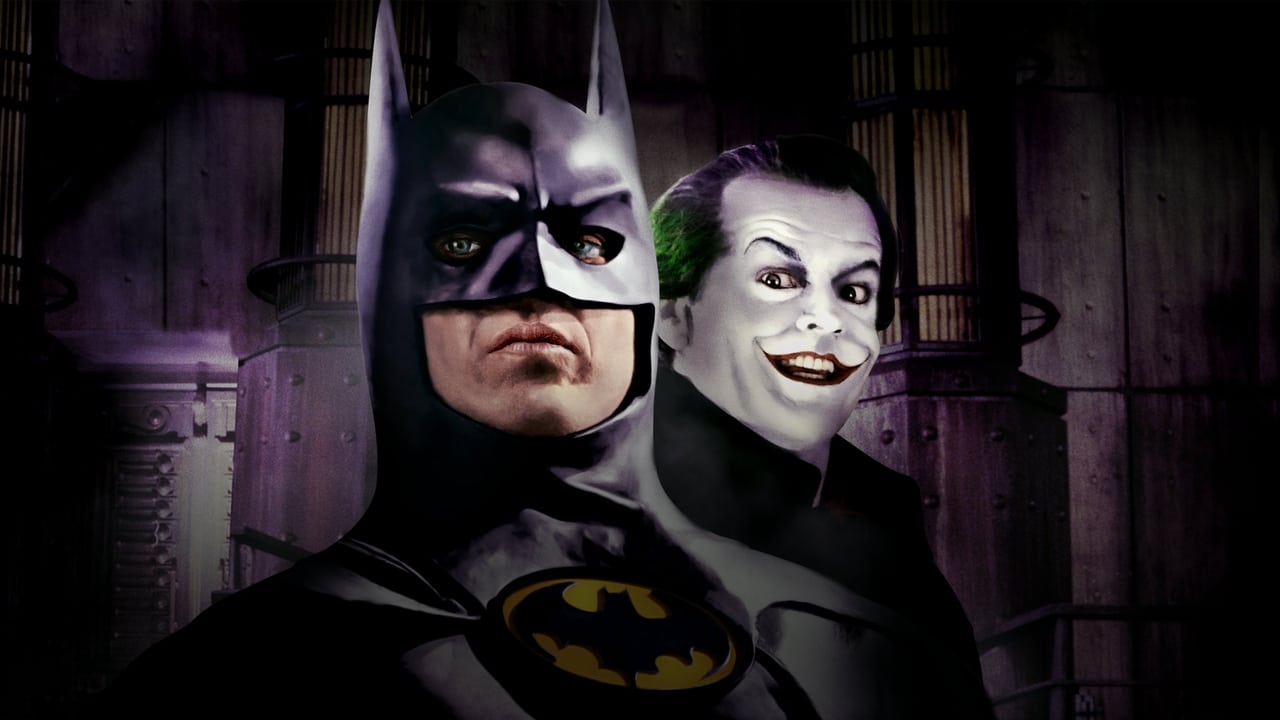
Then there’s Jack Nicholson. If Keaton is the soul of the movie, Nicholson is the engine. He didn't just play Jack Napier; he negotiated a deal that would make a corporate raider blush. By taking a percentage of the box office and the merchandise, Nicholson reportedly walked away with over $60 million—a staggering sum for 1989. Jack Nicholson’s Joker is less of a character and more of a hostile takeover of the production.
He’s clearly having the time of his life, dancing to Prince songs while defacing classic art in the Flugelheim Museum. His Joker is a "homicidal artist," using SMILEX gas to leave his victims with a permanent, grotesque grin. The makeup by Nick Dudman is a masterpiece of practical horror, allowing Nicholson’s own expressive eyebrows to do the heavy lifting while giving him that terrifying, immobile chin. Opposite him, Kim Basinger does what she can with the "damsel" role of Vicki Vale, but the movie is really a toxic romance between the Bat and the Clown. Robert Wuhl provides some much-needed cynical levity as reporter Alexander Knox, while Billy Dee Williams classes up the joint as Harvey Dent (a tragic "what if" considering we never got to see him become Two-Face in this universe).
The VHS Gold Standard
For many of us, the true life of Batman happened on home video. I still have a vivid memory of the specific texture of that black clamshell case and the "Diet Coke" commercial that played before the movie started on the tape. It was the kind of movie you watched until the tape started to track poorly, specifically during the Batmobile’s escape from the woods.
The film's legacy is cemented by its soundtrack—a weird, bifurcated beast. You have Danny Elfman’s legendary orchestral score, which defined the character’s "sound" for decades, clashing against original pop songs by Prince. It shouldn't work, but the neon-drenched 80s energy of Prince’s "Partyman" fits the Joker’s flamboyant chaos perfectly. It’s a snapshot of an era where movies were massive events that dictated what we listened to, what we wore, and how we viewed heroes.
Tim Burton’s vision remains a gorgeous, moody anomaly in the superhero genre. It prioritizes atmosphere and production design over tight plotting, but it captures the "comic book" feel better than almost any modern equivalent. It’s a film about two damaged people dressed in costumes trying to see who can claim the night, and thirty-five years later, it still feels like a fever dream worth having. If you can ignore some of the clunky fight choreography, you’re left with a Gothic masterpiece that changed Hollywood forever.
Keep Exploring...
-
Batman Returns
1992
-
Beverly Hills Cop
1984
-
Beverly Hills Cop II
1987
-
Beetlejuice
1988
-
Lethal Weapon 2
1989
-
Sudden Impact
1983
-
Witness
1985
-
Aliens
1986
-

Platoon
1986
-
Die Hard
1988
-
The Naked Gun: From the Files of Police Squad!
1988
-
Bullitt
1968
-
Marathon Man
1976
-
Scarface
1983
-
Who Framed Roger Rabbit
1988
-
The Killer
1989
-
The Blues Brothers
1980
-
A Fish Called Wanda
1988
-
Beetlejuice Beetlejuice
2024
-
Dirty Harry
1971