Bill & Ted's Excellent Adventure
"The future is in the hands of two idiots."
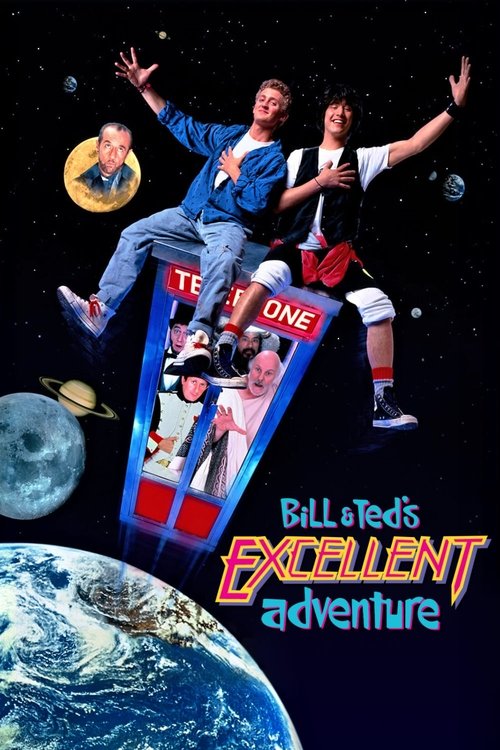
The phone booth is a dead technology, a glass-and-aluminum relic that most Gen Z-ers only recognize as a prop from a Superman movie. But in 1989, it was the ultimate vessel for a pair of San Dimas slackers who treated historical genocide and societal upheaval with the same breezy "whoa" they applied to a new Van Halen riff. I recently rewatched this while eating a slightly stale bag of Nacho Cheese Doritos—the kind that leaves your fingers permanently orange—and I realized that Bill & Ted’s Excellent Adventure might be the most sincere movie ever made about the total collapse of the space-time continuum.

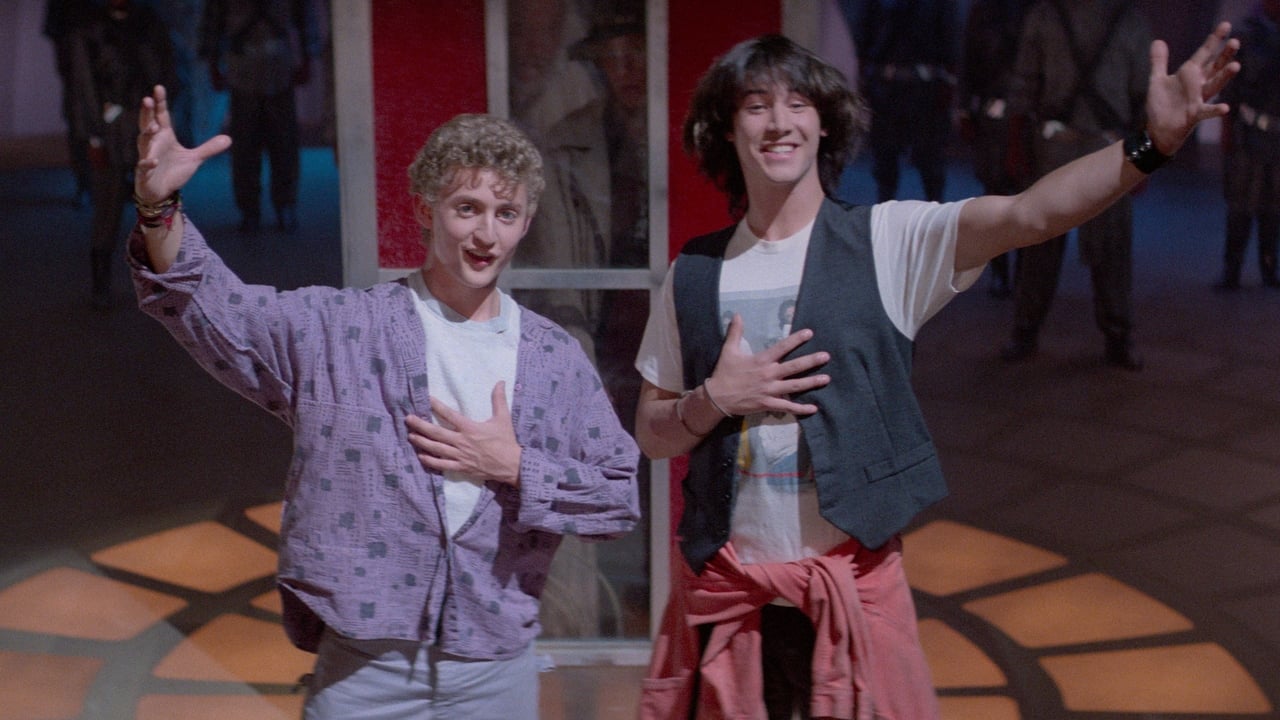
While the 1980s were littered with "teen sex comedies" and cynical "brat pack" dramas, Stephen Herek’s film opted for something much weirder: a sci-fi epic powered by pure, unadulterated kindness. Bill and Ted aren't rebels, and they aren't even particularly lazy; they’re just two dudes with a dream of a world-changing band (Wyld Stallyns) who happen to be failing History. If they don't pass their final presentation, Ted’s dad is sending him to military school in Alaska, and the future—a utopian society built on their music—will cease to exist.
The Philosophy of the Air Guitar
The brilliance of the film lies entirely in the chemistry between Alex Winter and Keanu Reeves. Before he was the grim reaper of the Continental or the savior of the Matrix, Reeves possessed a liquid-limbed, wide-eyed innocence that is impossible to fake. As Ted 'Theodore' Logan, his timing is impeccable; he treats every historical revelation not with skepticism, but with the curiosity of a golden retriever finding a new tennis ball. Winter’s Bill S. Preston, Esq. provides the slightly more "grounded" counterpoint, though in this universe, "grounded" just means he knows how to spell "Socrates" phonetically.
They are guided by George Carlin, playing the futuristic mentor Rufus with a dry, knowing smirk. It’s a bit of a meta-joke to have the most cynical stand-up comedian in history play the guy who tells us the future is actually going to be okay, but Carlin leans into the silliness. He doesn't treat the boys like idiots; he treats them like the architects of world peace. The movie’s central thesis—that "Be excellent to each other" is a viable foundation for a global civilization—is the ultimate anti-cynical hot take.
History’s Greatest Hits (and Water Slides)
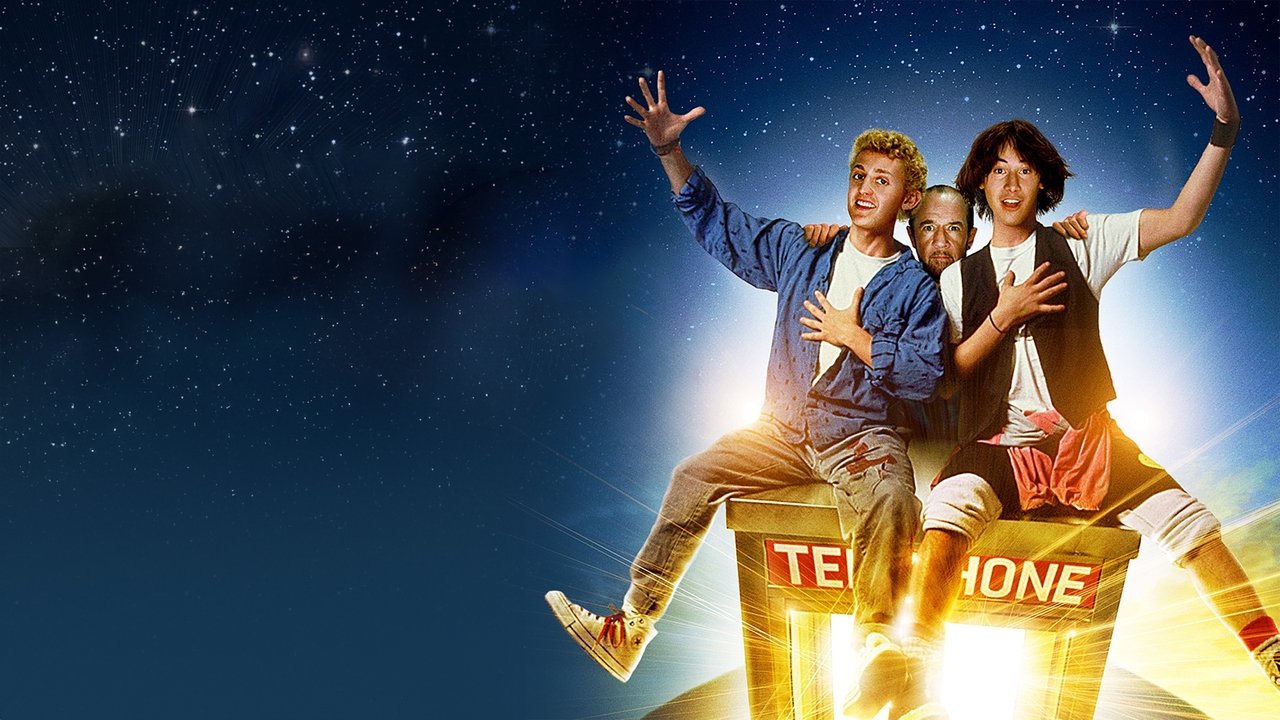
The sci-fi elements here are delightfully tactile. This was the tail end of the practical effects golden age, where "time travel" meant a phone booth being yanked through a neon-lit void of practical miniatures and hand-drawn electrical arcs. There’s a specific texture to 80s sci-fi that CGI simply cannot replicate—a sense that everything on screen was actually built in a workshop by guys covered in sawdust and resin.
The middle act, where the duo rounds up historical figures, is a masterclass in comedic character acting. Terry Camilleri is a revelation as Napoleon Bonaparte, portraying the French Emperor as a petulant toddler who discovers the joy of Ziggy Piggy ice cream and San Dimas water parks. Seeing Dan Shor (as Billy the Kid) and Tony Steedman (as Socrates) bond over the sheer absurdity of Southern California mall culture is a highlight. The mall sequence is essentially a $10 million excuse to see a Greek philosopher try to pick up girls near a Cinnabon.
This is where the VHS era really cemented the film’s cult status. In the early 90s, this was the ultimate "parent is out, let’s put the tape in" movie. It wasn't just about the jokes; it was about the specific, grainy aesthetic of the San Dimas mall and the "Circuits of Time" map that looked like something you’d find on the back of a cereal box. It’s a film that invited you to pause the VCR just to see if you could spot the historical inaccuracies—only to realize the inaccuracies were the point.
A Triumphant Legacy
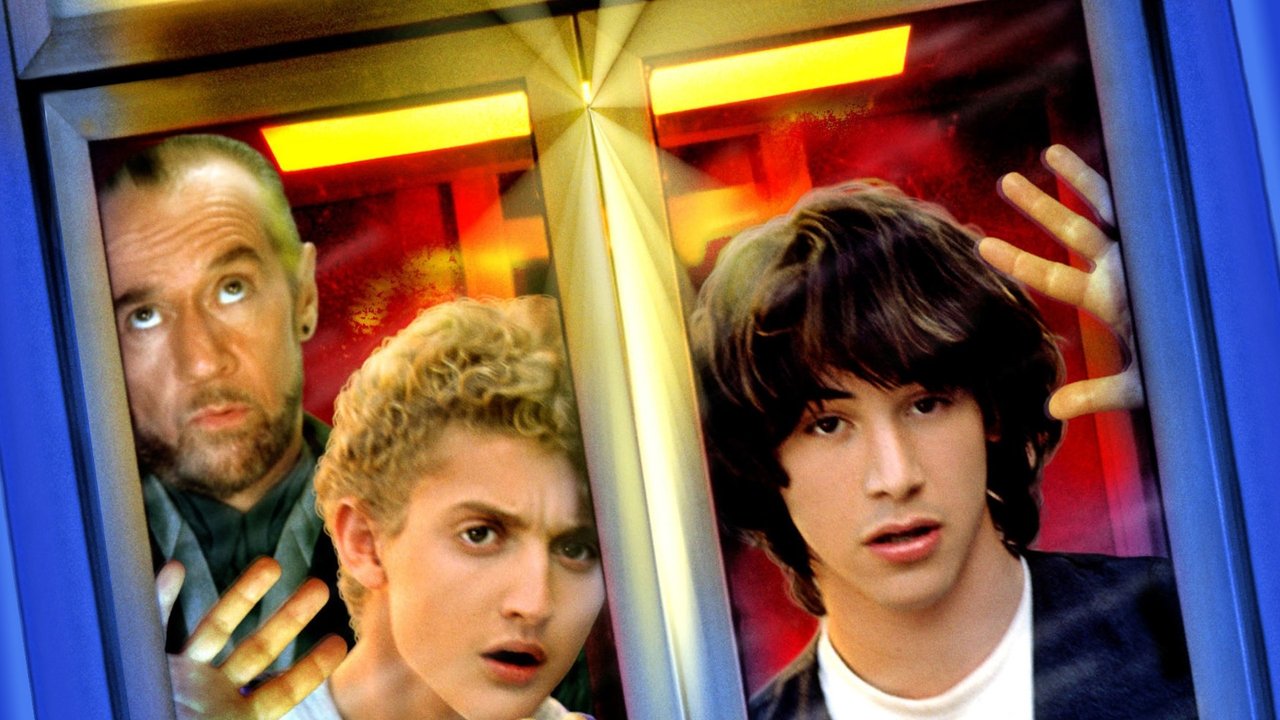
Looking back, Bill & Ted’s Excellent Adventure succeeded because it refused to punch down. Most comedies of this era relied on mocking the "dumb" characters or making the outcasts the butt of the joke. Here, the outcasts are the heroes because they are the only ones capable of seeing the world without prejudice. They treat Joan of Arc with the same respect they give the clerk at the Circle K.
The film's low-budget origins (it was delayed for a year when its original production company, DEG, went bankrupt) only add to its charm. It feels scrappy, much like the Wyld Stallyns themselves. It’s a science fiction film that prioritizes "vibe" over physics, and in doing so, it created a blueprint for every "slacker sci-fi" that followed, from Wayne’s World to Dude, Where’s My Car?
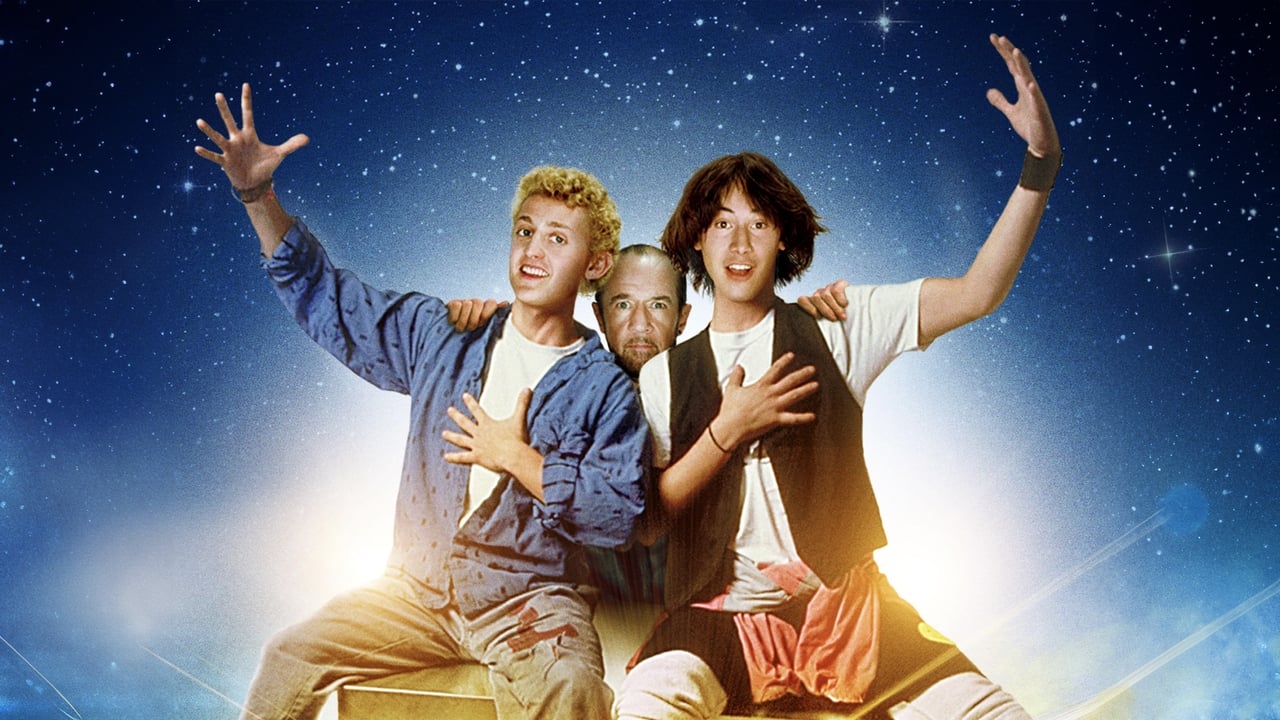
Ultimately, this is a film that reminds us that history isn't just a collection of dates and dead people—it's a living, breathing mess of humanity. It’s a movie that celebrates the idea that even the most unlikely people can change the world, provided they have a time machine and a solid grasp of the air guitar. It’s colorful, it’s loud, and it’s genuinely kind-hearted. If that isn't excellent, I don't know what is.
Keep Exploring...
-
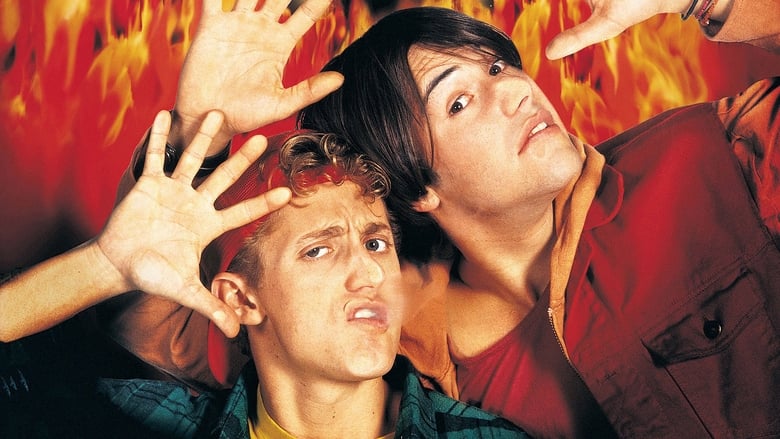
Bill & Ted's Bogus Journey
1991
-
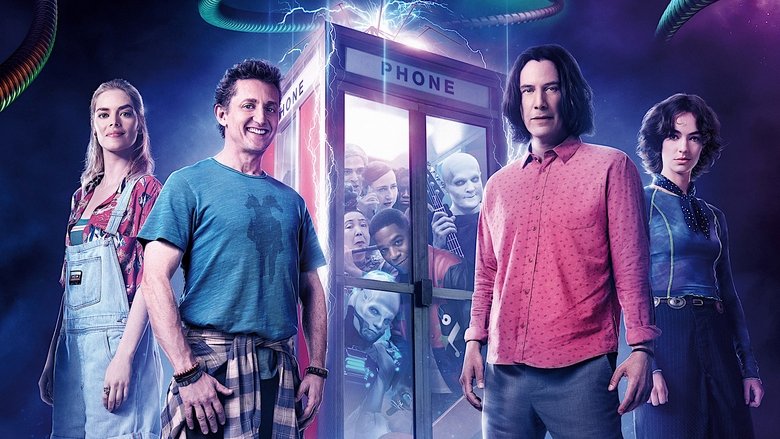
Bill & Ted Face the Music
2020
-
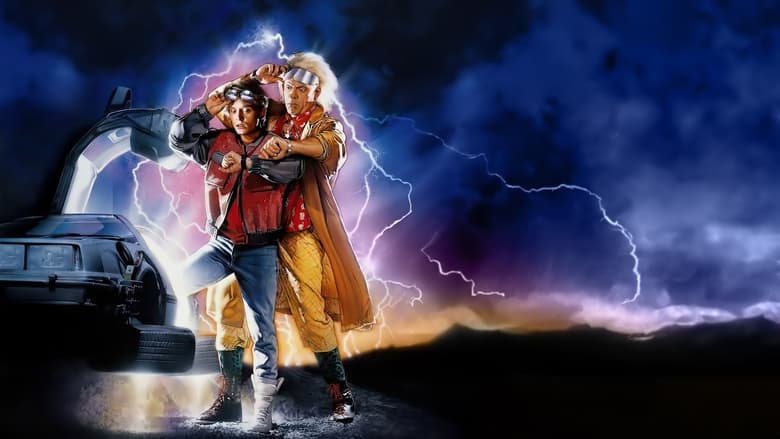
Back to the Future Part II
1989
-
Honey, I Shrunk the Kids
1989
-
The Goonies
1985
-
Big Trouble in Little China
1986
-
The Princess Bride
1987
-
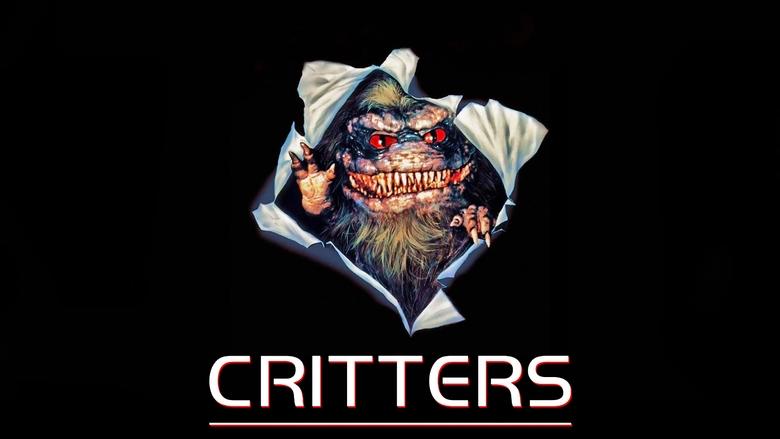
Critters
1986
-
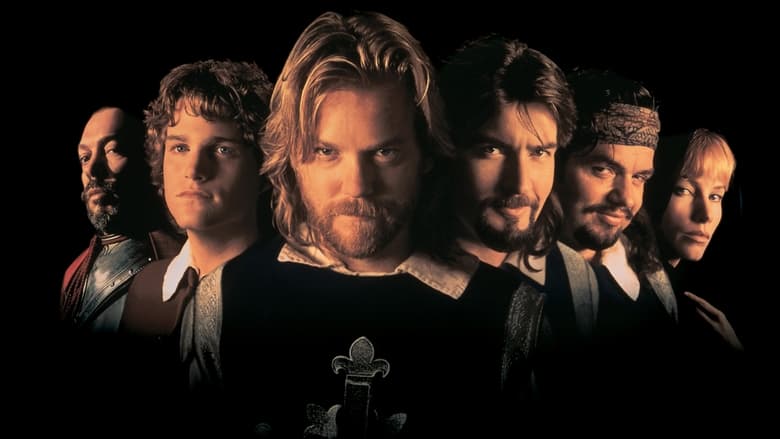
The Three Musketeers
1993
-
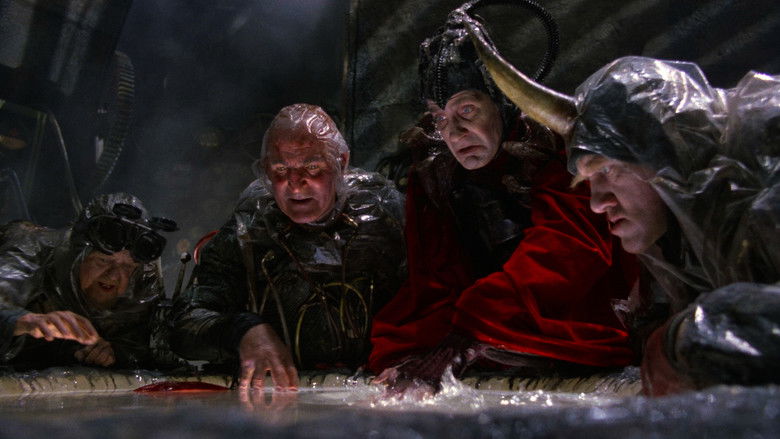
Time Bandits
1981
-

Back to the Future
1985
-
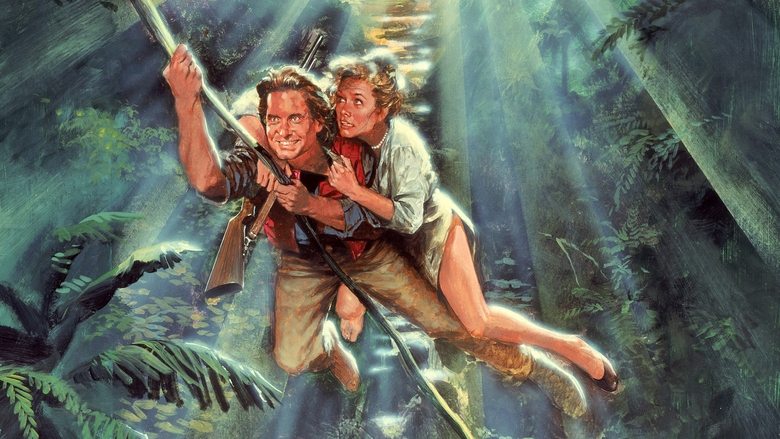
Romancing the Stone
1984
-
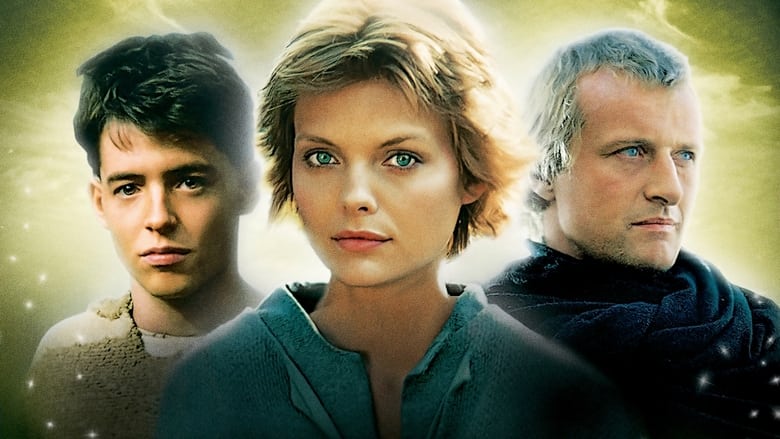
Ladyhawke
1985
-
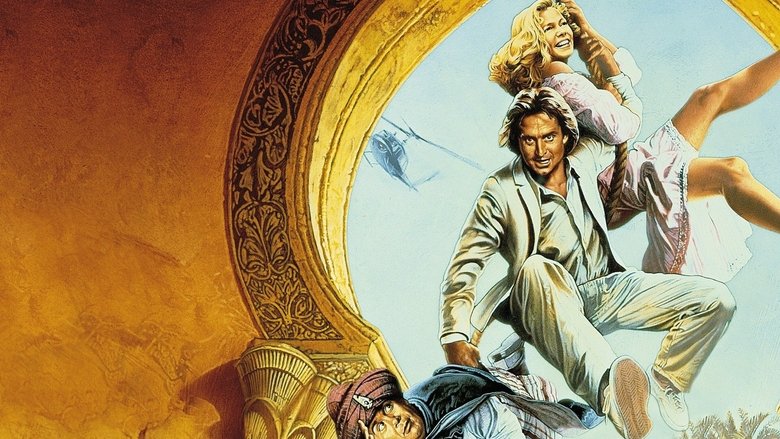
The Jewel of the Nile
1985
-

An American Tail
1986
-

Short Circuit
1986
-

The Golden Child
1986
-
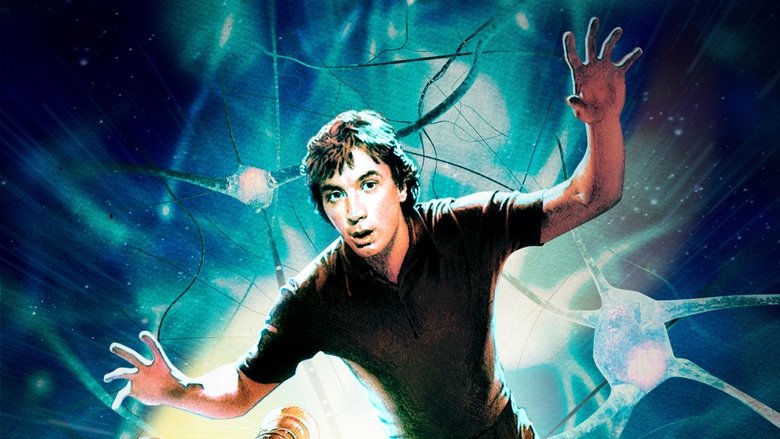
Innerspace
1987
-
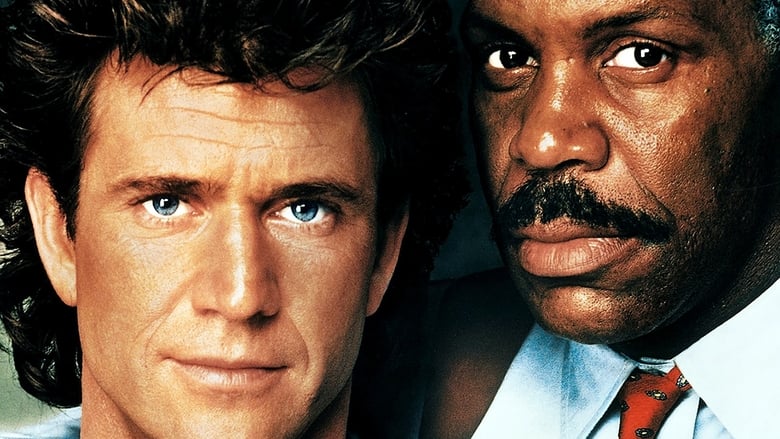
Lethal Weapon 2
1989
-
Journey to the Center of the Earth
2008