Born on the Fourth of July
"The parade ended, but the war never did."
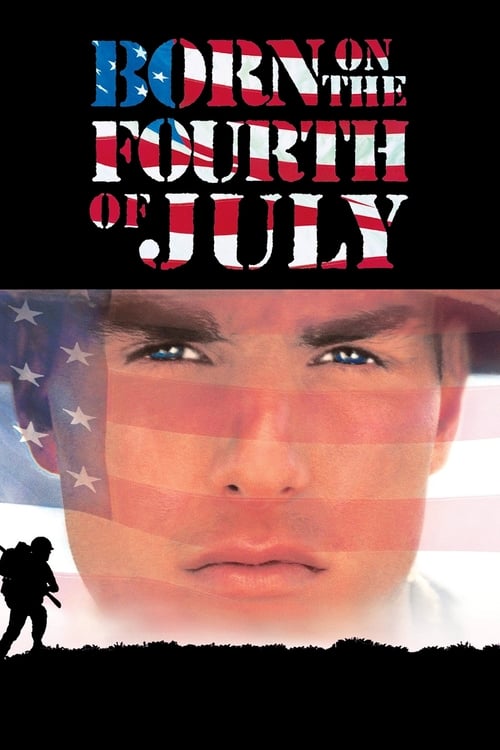
I remember watching Born on the Fourth of July for the first time on a humid Tuesday evening while nursing a lukewarm ginger ale that had lost its fizz hours ago. There is something about the stale air of a quiet living room that perfectly suits the suffocating intensity of Oliver Stone’s second entry in his Vietnam trilogy. By the time the credits rolled, I felt like I’d been dragged behind a jeep through the mud of North Carolina and the jungles of Southeast Asia. It’s not a "fun" movie, but it’s an essential piece of the late-80s cinematic landscape that proved Tom Cruise wasn't just a grin in a flight suit—he was a force of nature.
The Icon Under the Knife
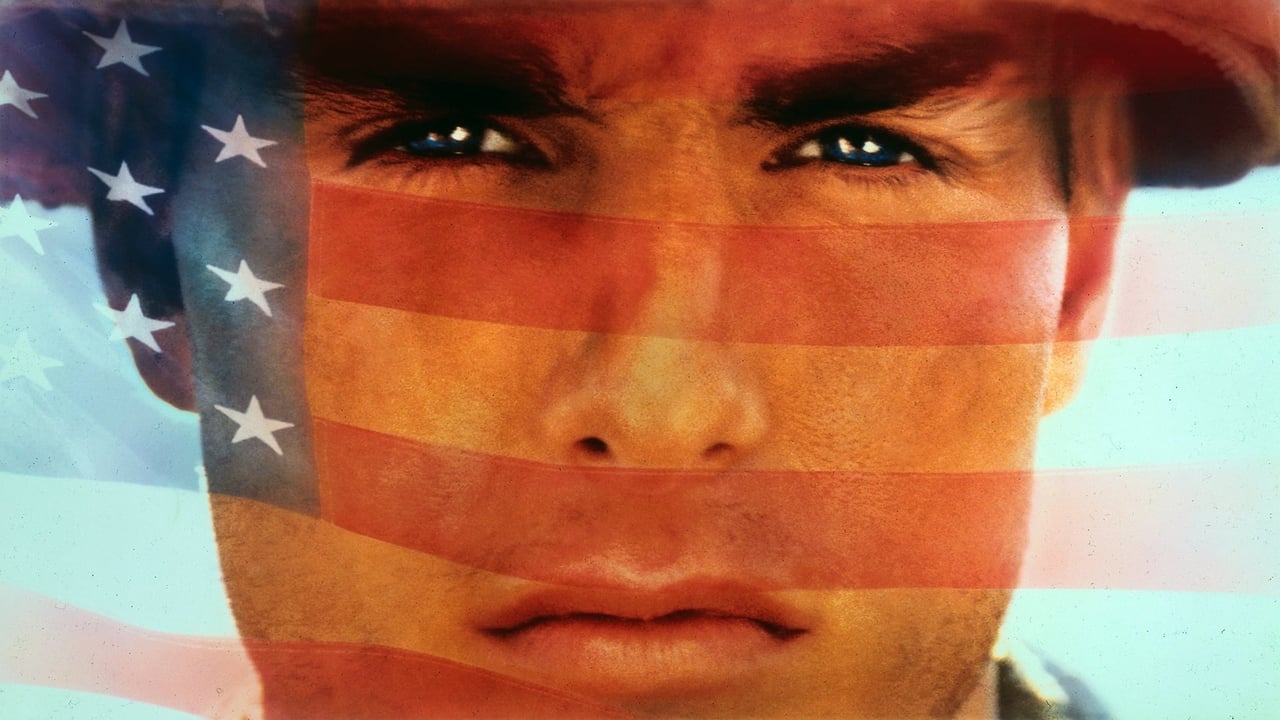
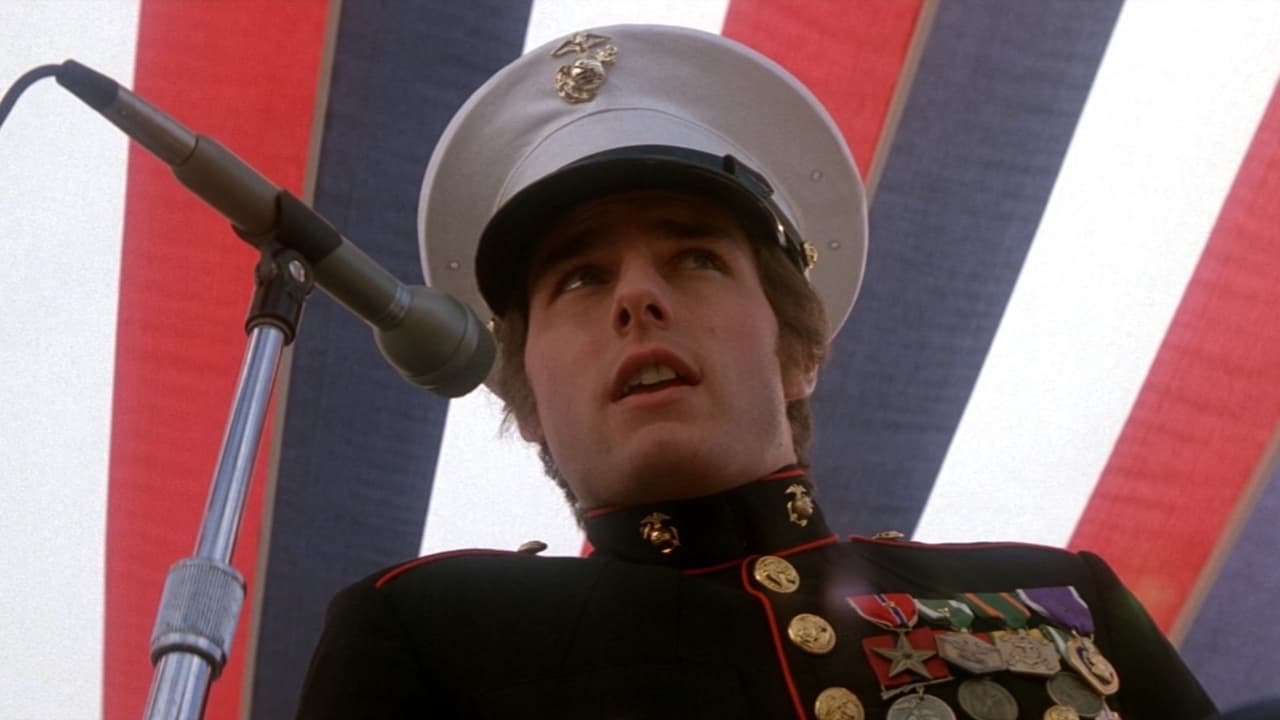
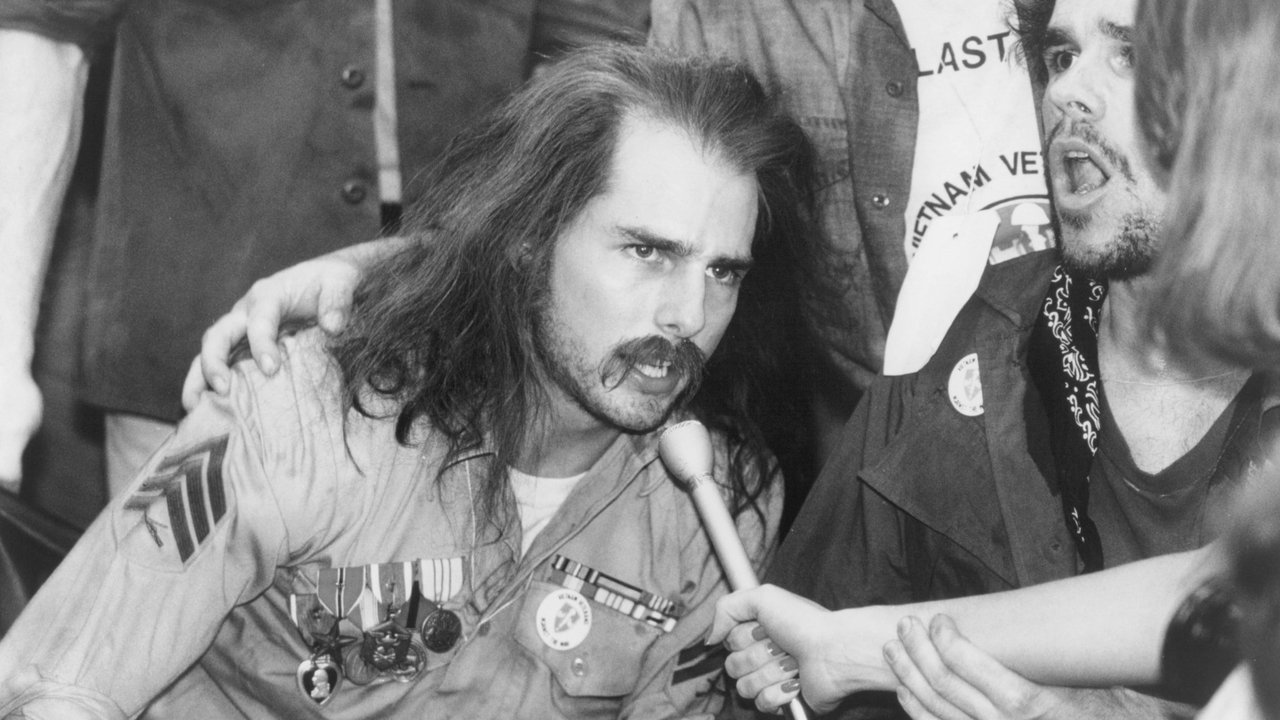
In 1989, Tom Cruise was the golden boy. Coming off Top Gun and Rain Man, he was the personification of Reagan-era American excellence. Then Oliver Stone (fresh off the success of Platoon and Wall Street) decided to dismantle that image piece by piece. As Ron Kovic, Cruise undergoes a transformation that is frankly terrifying to behold. He starts as the quintessential "All-American" kid, full of wrestling meets and prom dates, only to be shipped off to a war that doesn’t want him and returned to a country that doesn't recognize him.
The middle act of this film is a descent into a very specific kind of American hell. When Ron is wounded and sent to the Bronx VA hospital, the film shifts from a sun-drenched Norman Rockwell painting into a grimy, industrial nightmare. The hospital scenes are some of the most difficult to watch in mainstream cinema. Robert Richardson, the cinematographer who would become Stone’s visual architect, uses harsh, fluorescent lighting and tight, claustrophobic framing to make you feel the filth of the floors and the neglect of the staff. I found myself physically recoiling during the scenes where Ron struggles with his paralyzed legs; Cruise plays the frustration not as a noble tragedy, but as a jagged, screaming ego-death.
The Practicality of Pain
What strikes me most about this era of filmmaking—the tail end of the New Hollywood grit before CGI took over—is the tangible weight of everything. When Ron falls out of his hospital bed into a puddle of overflowed sewage, you know that’s not a digital effect. That’s a movie star on a dirty floor. The practical effects of the battlefield are equally staggering. In the "Practical Effects Golden Age," the explosions weren't just light shows; they moved air. You can see the grit in the actors' teeth.
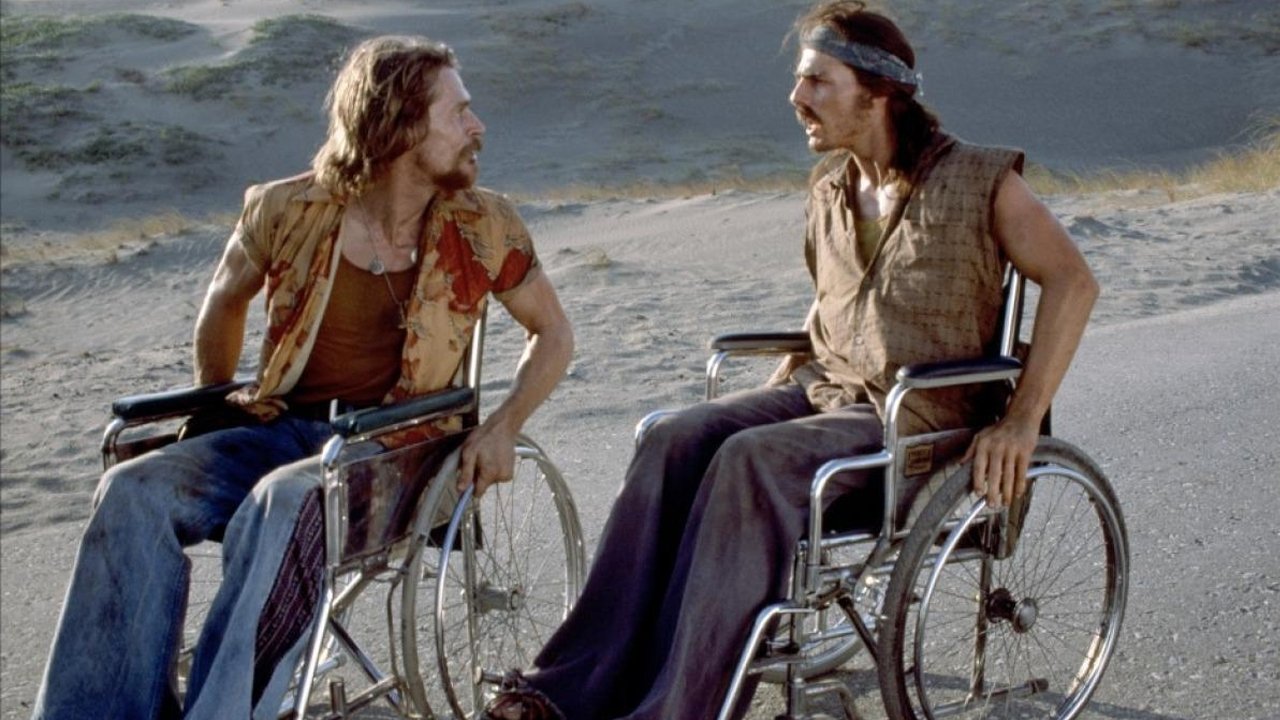
There’s a scene in Mexico where Ron, now a broken man seeking solace in booze and brothels, gets into a screaming match with another paralyzed vet played by Willem Dafoe. It is one of the most raw, uncomfortable pieces of acting I’ve ever seen. They are two men in wheelchairs in the middle of a dusty desert, shouting about who sacrificed more, and the scene feels like watching two ghosts fight over a grave. There’s no Hollywood polish here. Dafoe is electric, and his chemistry with Cruise is pure vitriol. It’s a reminder that before he was a meme, Tom Cruise was a character actor trapped in a leading man’s body.
A Blockbuster of Contradictions
It’s wild to think that this film was a massive commercial hit. With a $14 million budget, it raked in over $161 million. Today, a 145-minute character study about a paralyzed activist would struggle to find a theatrical window, but in 1989, audiences were hungry for this kind of soul-searching. This was a "Blockbuster of Substance." It captured the national hangover of the late 80s, a moment where the neon-soaked optimism of the decade was beginning to crack, revealing the unresolved trauma of the 60s underneath.
The production itself was a gauntlet. Apparently, Charlie Sheen was originally promised the role of Kovic after Platoon, but Stone pivoted to Cruise, leading to a legendary rift between the director and Sheen. Cruise took the role so seriously that he spent a year in a wheelchair to prepare, and he even considered taking a drug that would have temporarily paralyzed him for the filming of certain scenes—a move the insurance company (thankfully) vetoed. The real Ron Kovic was on set almost every day, and he was so moved by Cruise’s dedication that he gave the actor his own Bronze Star as a gift. That level of intensity bleeds through the screen. You aren't just watching a performance; you're watching a séance.
This isn't a film you put on while folding laundry. It demands your full attention and a bit of your soul. John Williams provides a score that is mournful and regal, steering the film away from pure nihilism and toward a hard-earned sense of redemption. While the pacing in the final third drags slightly as Ron enters his "activist" phase, the emotional payoff is massive. It’s a film that asks what happens to the "hero" when the credits don't roll after the battle, and the answer is both devastating and deeply moving.
Born on the Fourth of July remains a towering achievement in Oliver Stone’s filmography. It’s a loud, messy, angry, and beautiful examination of what it means to love a country that doesn't always love you back. If you’ve only ever known Tom Cruise as the guy who jumps off motorcycles, do yourself a favor: find the old Universal VHS (or a high-def stream, if you must) and watch him break his heart for the camera. It’s a transformative experience that lingers long after the ginger ale has gone flat.
Keep Exploring...
-

Platoon
1986
-

Wall Street
1987
-
JFK
1991
-
Good Morning, Vietnam
1987
-
Natural Born Killers
1994
-
Doctor Zhivago
1965
-
Empire of the Sun
1987
-
Casualties of War
1989
-
Glory
1989
-
Witness
1985
-

Top Gun
1986
-
Snowden
2016
-
Spartacus
1960
-
The Longest Day
1962
-
Patton
1970
-
Barry Lyndon
1975
-
A Bridge Too Far
1977
-
The Deer Hunter
1978
-
Sophie's Choice
1982
-
The Doors
1991