Casualties of War
"The war is hell, but the men are worse."
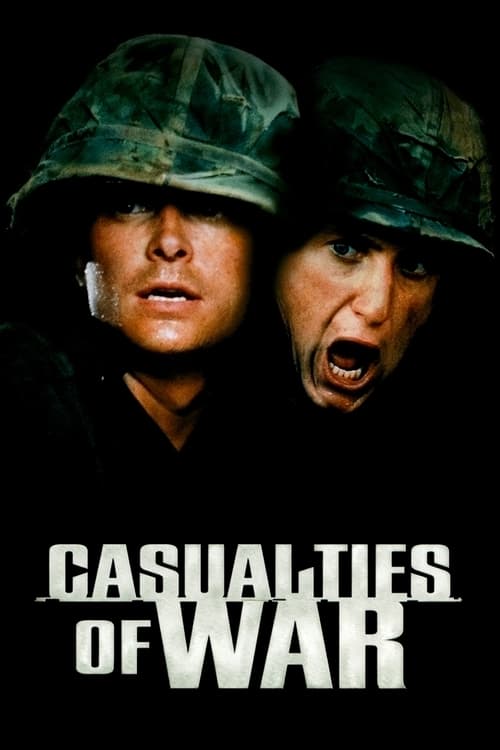
By 1989, the American cinema-going public was suffering from a distinct case of "Vietnam Fatigue." We’d already survived the psychedelic madness of Apocalypse Now, the grunt-level grit of Platoon, and the drill-sergeant trauma of Full Metal Jacket. So, when Brian De Palma—a director then best known for Hitchcockian thrillers and the operatic gore of Scarface—stepped into the jungle, people assumed they knew what to expect. They were wrong. Casualties of War isn't a "war movie" in the sense of strategy or skirmishes; it is a claustrophobic, agonizing courtroom drama that just happens to be set in a rainforest.
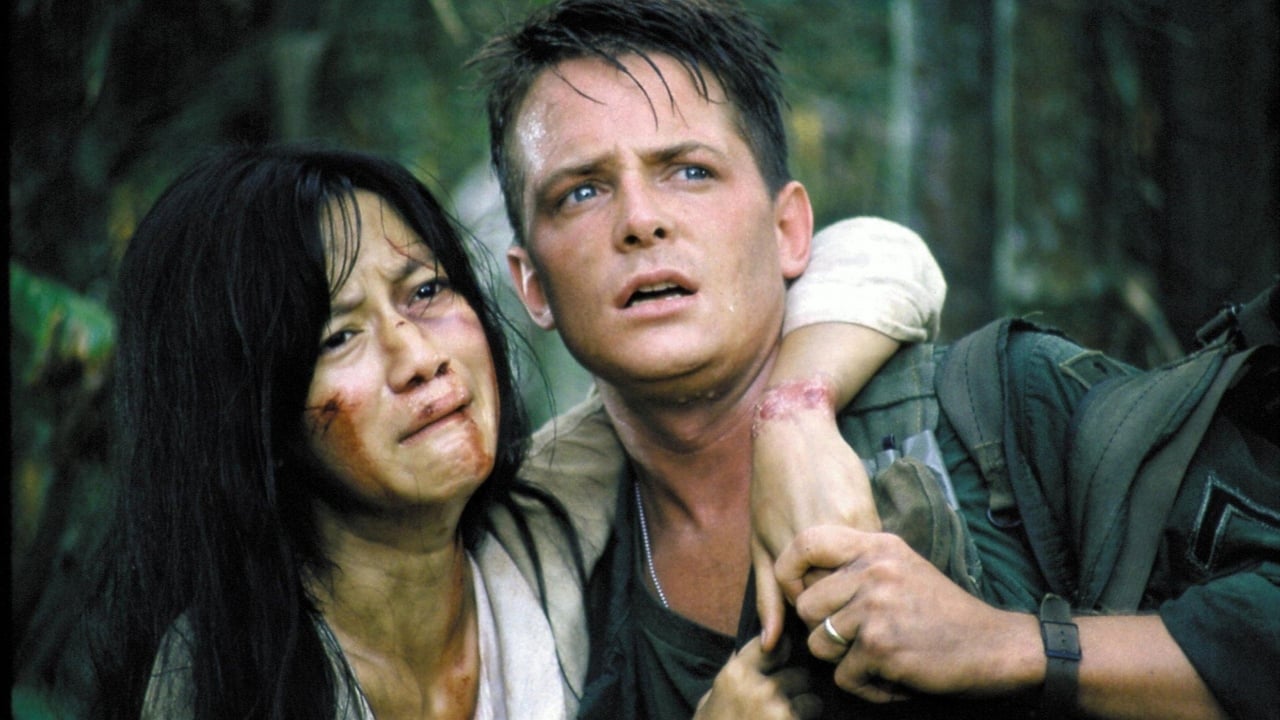
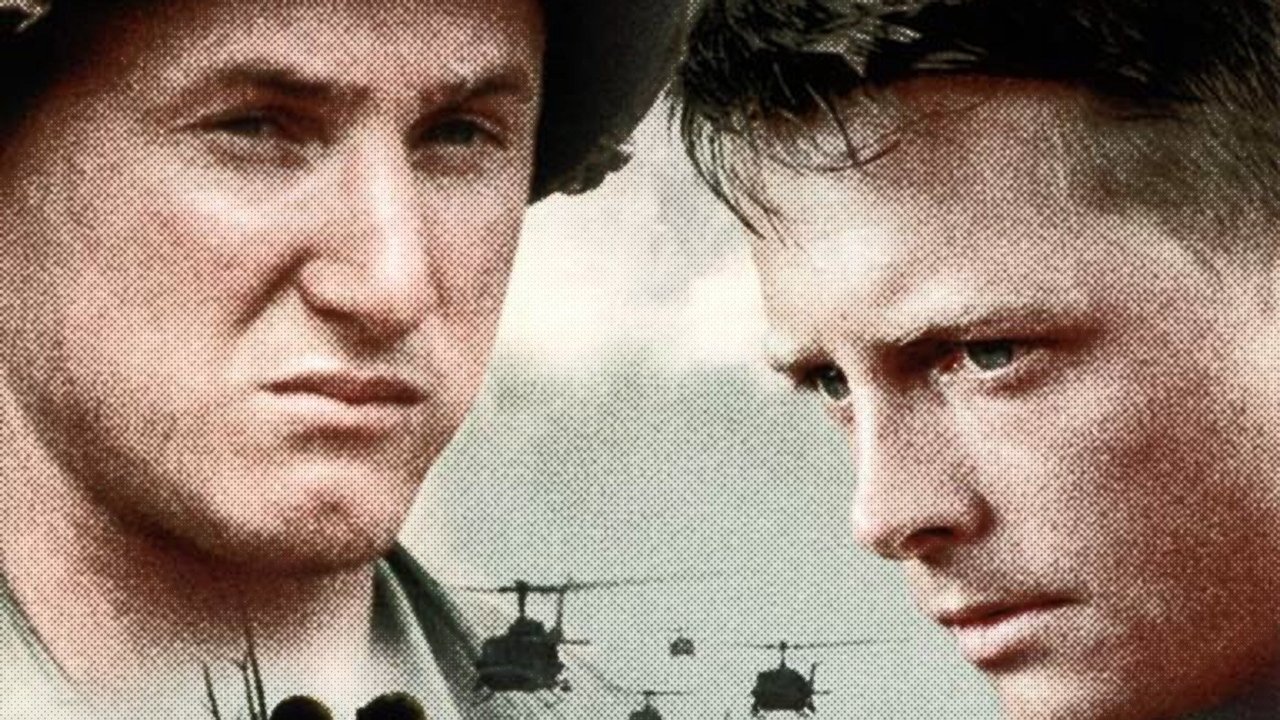
I first encountered this film on a rented VHS tape from a local shop that smelled faintly of industrial carpet cleaner and popcorn salt. The box art featured Michael J. Fox and Sean Penn looking stoic against a backdrop of fire, suggesting a high-octane rescue mission. Instead, I spent two hours staring at the screen in a state of mounting dread. I actually remember a fly buzzing around my head for thirty minutes during the central "kidnapping" sequence, and I was too paralyzed by the tension on screen to even swat it away.
A Collision of Two Acting Titans
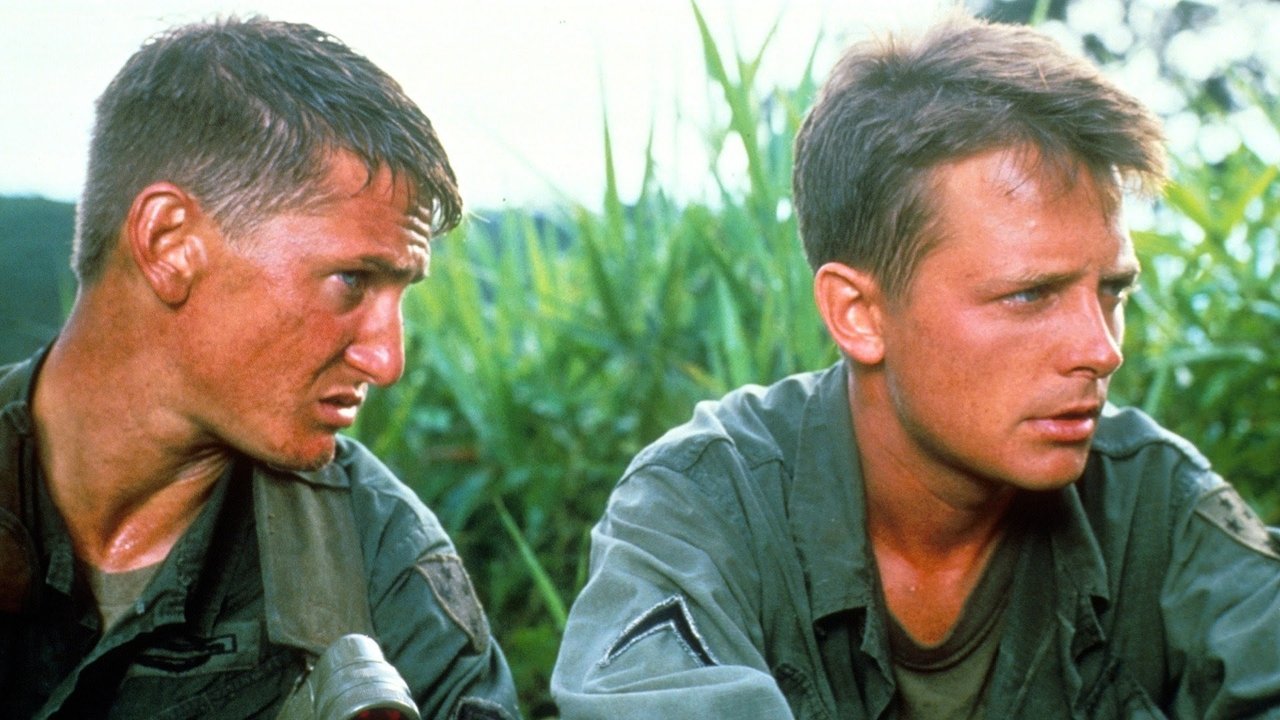
The film rests entirely on the friction between its two leads. Michael J. Fox, at the height of his Back to the Future fame, was an inspired casting choice for Private Eriksson. We were used to seeing him as the charming underdog, but here, his natural earnestness is weaponized. He plays the only man in the squad who hasn't let the humidity and the hopelessness rot his soul. Opposite him, Sean Penn is a revelation as Sgt. Tony Meserve. Penn doesn't play a cartoon villain; he plays a charismatic, talented leader who has simply decided that the "rules" of civilization no longer apply in a zip code where you can die at any second.
Watching them is like watching two different frequencies of light collide. Fox is all internal vibration and frantic moral panic, while Penn is a low, steady hum of sociopathic certainty. There’s a scene where they sit across from each other, and you can practically see the air curdling between them. Penn’s performance here makes his later "serious" work look like he’s just napping. He’s genuinely terrifying because he makes the squad's descent into kidnapping and sexual assault feel like a logical, tactical decision for "morale."
De Palma’s Controlled Chaos
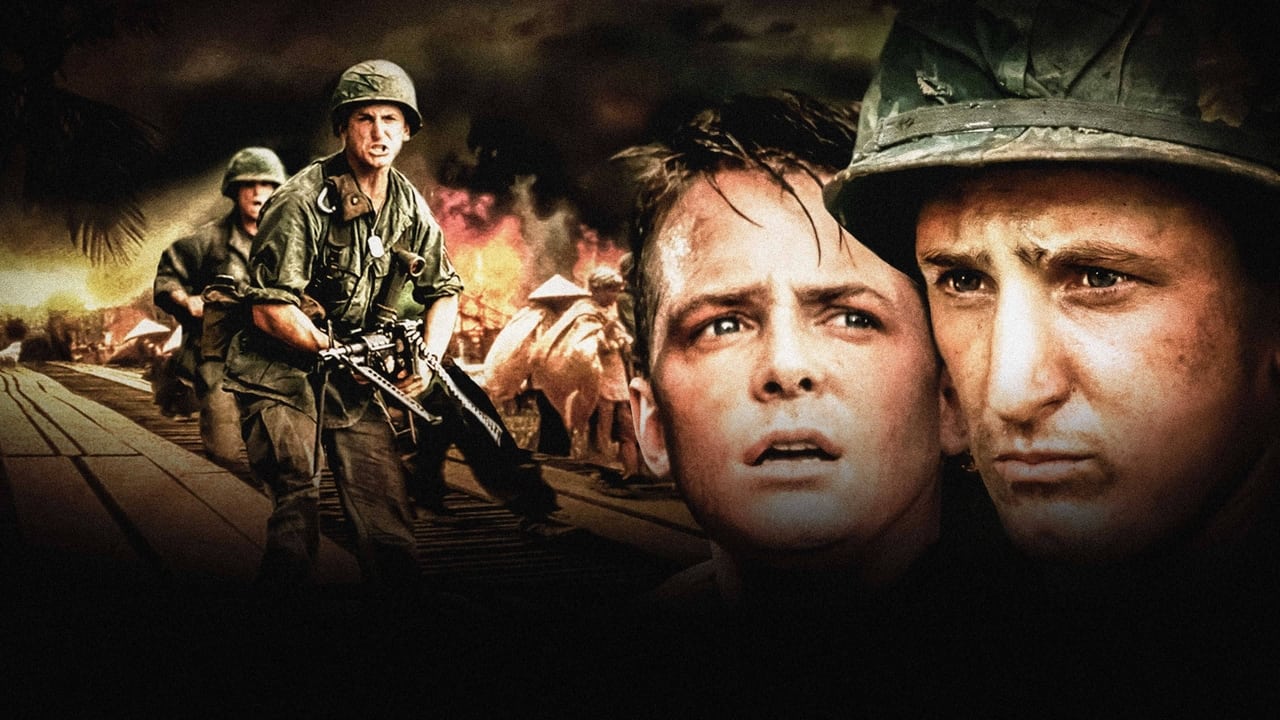
While Brian De Palma is often criticized for being too "flashy," his stylistic flourishes serve a devastating purpose here. He uses his signature split-diopter shots—where objects in both the extreme foreground and background are in sharp focus—to show us the distance between Eriksson and his peers. Even when they are in the same frame, they are worlds apart.
The film is visually gorgeous in a way that feels almost intrusive, thanks to Stephen H. Burum’s cinematography. The lush greens of the Thai filming locations (standing in for Vietnam) contrast sickeningly with the ugliness of the squad’s behavior. And then there is the score. Ennio Morricone delivered something haunting and liturgical—it sounds less like a military march and more like a requiem for a lost soul. It’s the kind of music that stays in your head long after you’ve returned the tape to the store, making you feel a bit guilty for having been "entertained" by such a grim story.
The Forgotten Casualty of 1989
Despite the pedigree, Casualties of War vanished from the cultural conversation faster than a scout in the brush. It was a massive financial failure, clawing back only $18 million against a $22 million budget. It’s not hard to see why. In the summer of Batman and Indiana Jones and the Last Crusade, audiences weren't exactly lining up for a movie that asked, "What if the heroes are actually the monsters?"
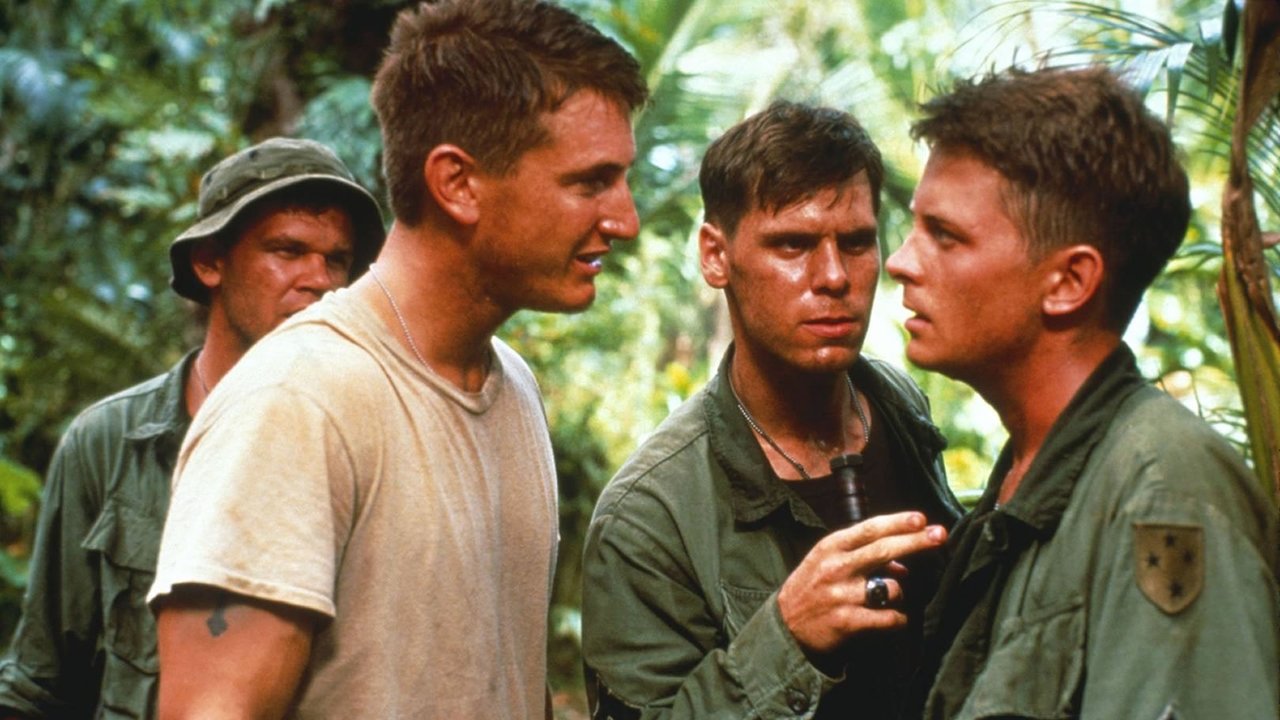
The film also features early, uncomfortable performances from future stars like John C. Reilly, John Leguizamo, and Don Harvey. Seeing a young, goofy-looking John C. Reilly participate in such horrific acts is a gut-punch that still works today. The movie refuses to let anyone off the hook—not the characters, and certainly not the audience. This movie is the cinematic equivalent of a panic attack you can’t look away from. It’s a difficult watch, which is likely why it never became a "staple" in the way Top Gun did. It’s a film that demands you feel bad, and in the late 80s, America was much more interested in feeling like a winner.
The film is arguably the most underrated entry in the Vietnam subgenre, precisely because it focuses on a single, specific crime rather than the broad strokes of "war is hell." It’s an intimate horror story that happens to have a budget for explosions. While the framing device—an older Eriksson reflecting on a bus—feels a bit dated and sentimental, the core of the film remains as sharp and jagged as a bayonet. If you can handle the intensity, it’s a masterwork of moral complexity that deserves to be pulled out of the shadows of 1989.
Keep Exploring...
-
Glory
1989
-
Patton
1970
-
A Bridge Too Far
1977
-
Empire of the Sun
1987
-
The Untouchables
1987
-
Spartacus
1960
-
Barry Lyndon
1975
-
Das Boot
1981
-
The Longest Day
1962
-
Sophie's Choice
1982
-
Carlito's Way
1993
-

Platoon
1986
-
Good Morning, Vietnam
1987
-
Born on the Fourth of July
1989
-

The Zookeeper's Wife
2017
-
Blow Out
1981
-
Red Dawn
1984
-
Heartbreak Ridge
1986
-
The Thin Red Line
1998
-
Joyeux Noel
2005