Do the Right Thing
"One block. One heatwave. No easy answers."
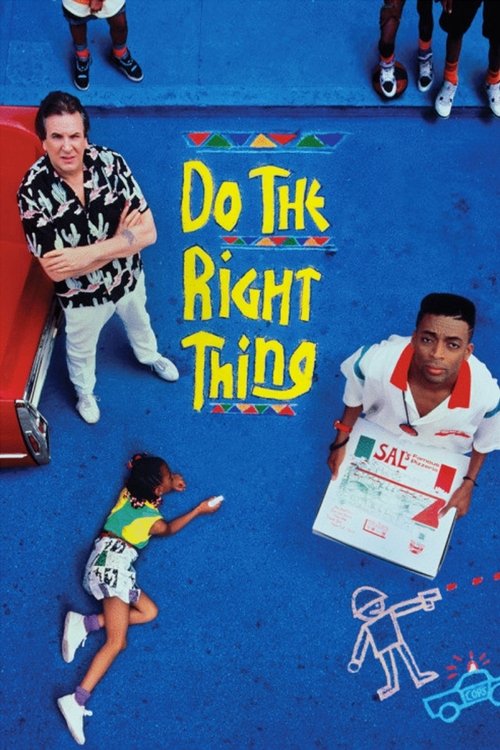
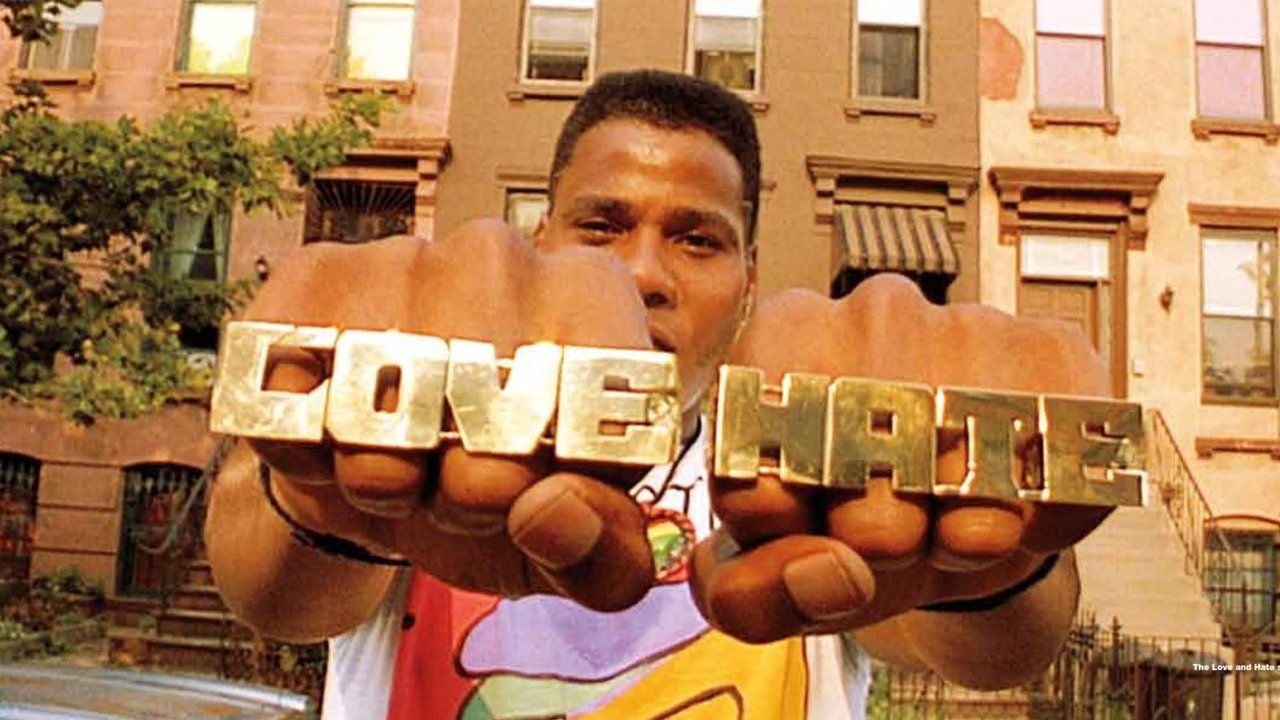
The screen isn't just showing you a movie; it’s radiating heat. From the moment Rosie Perez starts shadowboxing to the aggressive, distorted blast of Public Enemy’s "Fight the Power," Spike Lee isn't asking for your attention—he’s demanding it. I first watched this on a humid Tuesday afternoon in an apartment with a broken window unit, drinking a lukewarm ginger ale that had lost its fizz hours ago, and honestly, the discomfort only made the experience better. You don't just watch Do the Right Thing; you sweat through it.
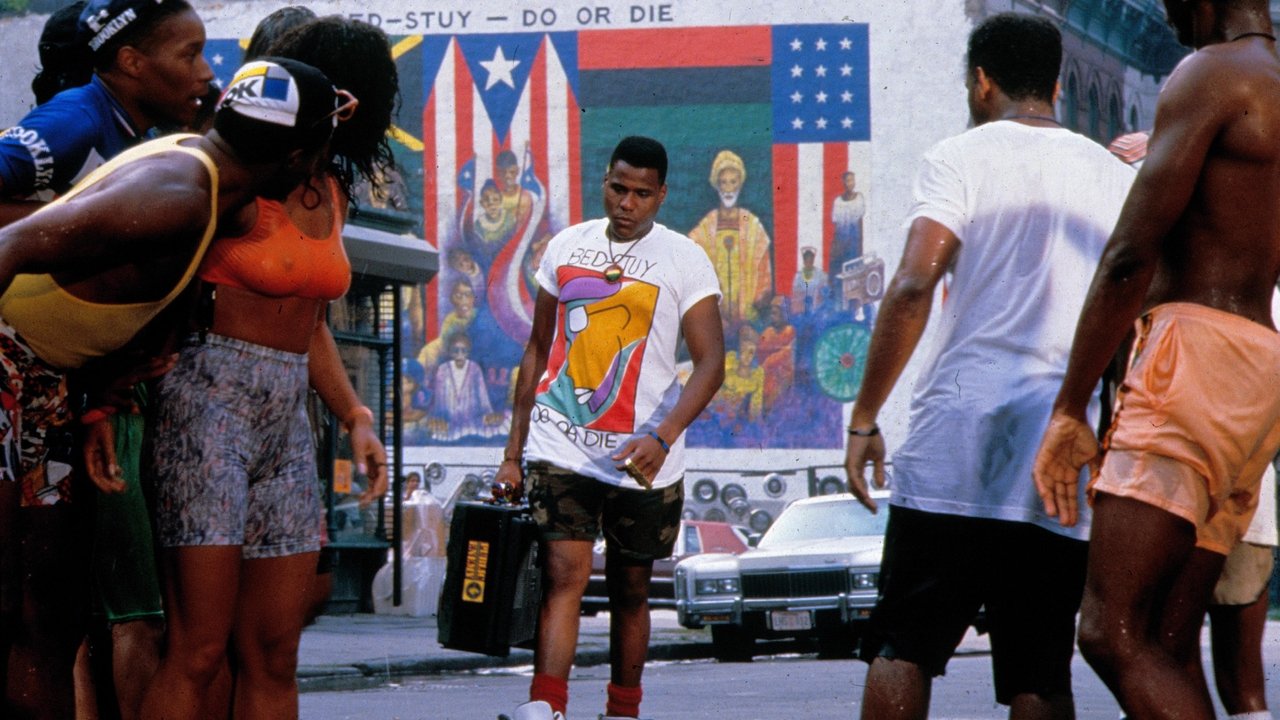
A Masterclass in Visual Fever
Set entirely on one block in Bed-Stuy, Brooklyn, during the hottest day of the summer, the film captures a specific New York energy that feels both hyper-real and theatrical. Cinematographer Ernest R. Dickerson uses a palette of aggressive reds, oranges, and yellows that makes the pavement look like it’s about to liquefy. It’s a deliberate, expressionistic choice. The heat isn't just a weather report; it’s a character that pushes everyone toward their breaking point.
In the late 80s, this look was revolutionary. While other films were leaning into the neon-slicked aesthetic of the MTV era, Lee and Dickerson were using "Dutch angles" (tilting the camera) to make the audience feel as off-balance as the neighborhood’s rising tensions. When I look back at the original MCA Home Video VHS box—that iconic bright orange spine that stood out like a flare on the rental store shelf—it perfectly promised the scorched-earth policy of the narrative inside. It was a tape that felt like it might actually melt your VCR.
The Humanity in the Friction
At the heart of the storm is Sal’s Famous Pizzeria. Danny Aiello delivers the performance of a lifetime as Sal, a man who prides himself on feeding the neighborhood but refuses to acknowledge that the neighborhood has changed around him. One of the film's greatest strengths is its refusal to hand out easy labels. Sal isn't a cardboard-cutout villain; he’s a complicated man with a genuine, if paternalistic, affection for his customers. Spike Lee, playing the perennially unmotivated delivery man Mookie, acts as our witness. Mookie is arguably the worst employee in cinematic history, yet we're still rooting for him to get paid.
The conflict kicks off over something seemingly trivial: the "Wall of Fame." Buggin' Out, played with high-voltage nervous energy by a young Giancarlo Esposito (long before he became the chilling Gus Fring), notices there are no Black faces on the wall of a pizzeria in a Black neighborhood. It’s a philosophical spark that hits a powder keg. Is it Sal’s right as an owner to decorate his shop how he wants? Or does a business have a social contract with the community that sustains it? The film doesn't give you a "correct" answer; it forces you to sit with the discomfort of both perspectives until they inevitably collide.

The Sound of Bed-Stuy
The ensemble cast is a "who’s who" of talent that would define the next two decades of cinema. You have John Turturro as the openly racist Pino, Richard Edson as the more sympathetic Vito, and the legendary Ossie Davis and Ruby Dee providing the neighborhood's moral (and often ignored) compass as Da Mayor and Mother Sister.
The film also functions as a sonic time capsule. Bill Lee (Spike’s father) composed a jazz-heavy score that provides a melancholic counterpoint to the aggressive rap of the soundtrack. It creates a rhythmic ebb and flow—the slow, sleepy morning giving way to the frantic, cacophonous night. Behind the scenes, the production was just as intense. To keep the "neighborhood" vibe authentic, Lee famously encouraged the actors playing the "Corner Men" to ad-lib their banter, leading to some of the funniest and most naturalistic dialogue in 80s cinema. They filmed on a single block of Stuyvesant Avenue, and the local residents were often used as extras, giving the film a lived-in texture that no studio backlot could ever replicate.
The Ambiguity of the "Right Thing"
As the sun goes down and the tragedy of Radio Raheem (Bill Nunn) unfolds, the film shifts from a vibrant comedy of manners into a haunting Greek tragedy. The climax is famous for its ambiguity. When Mookie throws the trash can through the window, is he "doing the right thing" by redirecting the crowd's anger away from people and toward property? Or is he betraying the man who gave him a job?
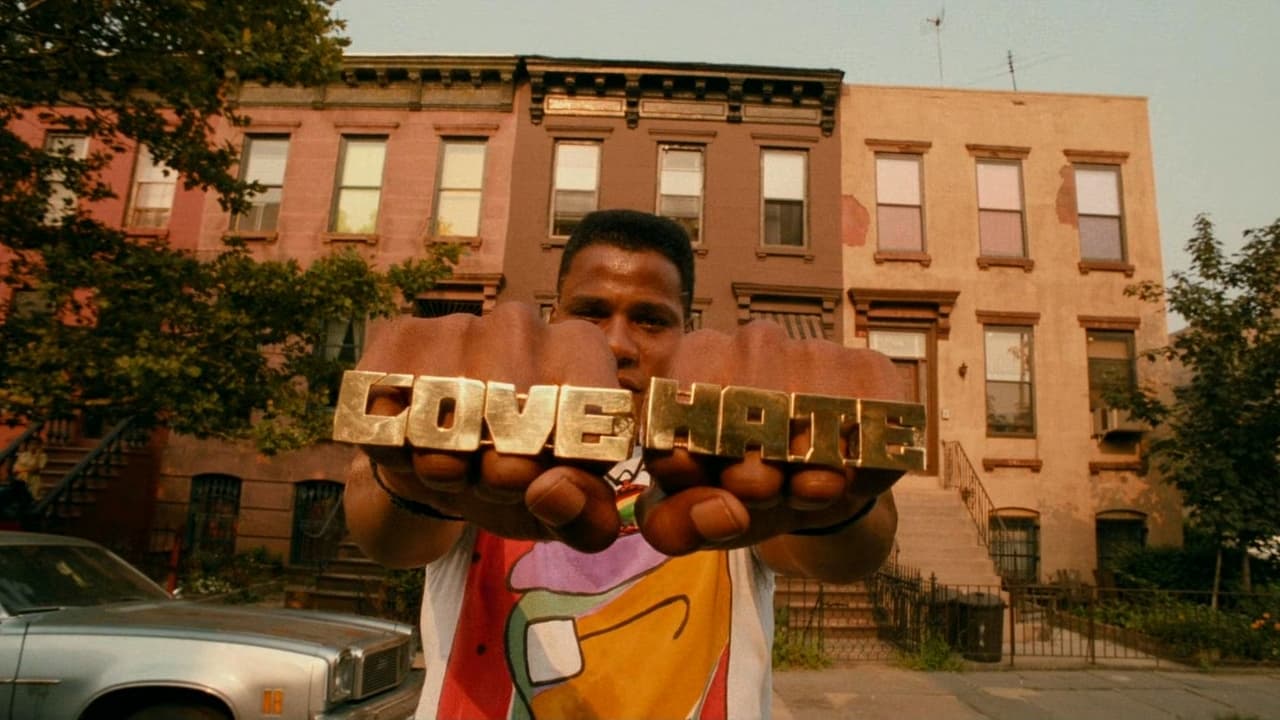
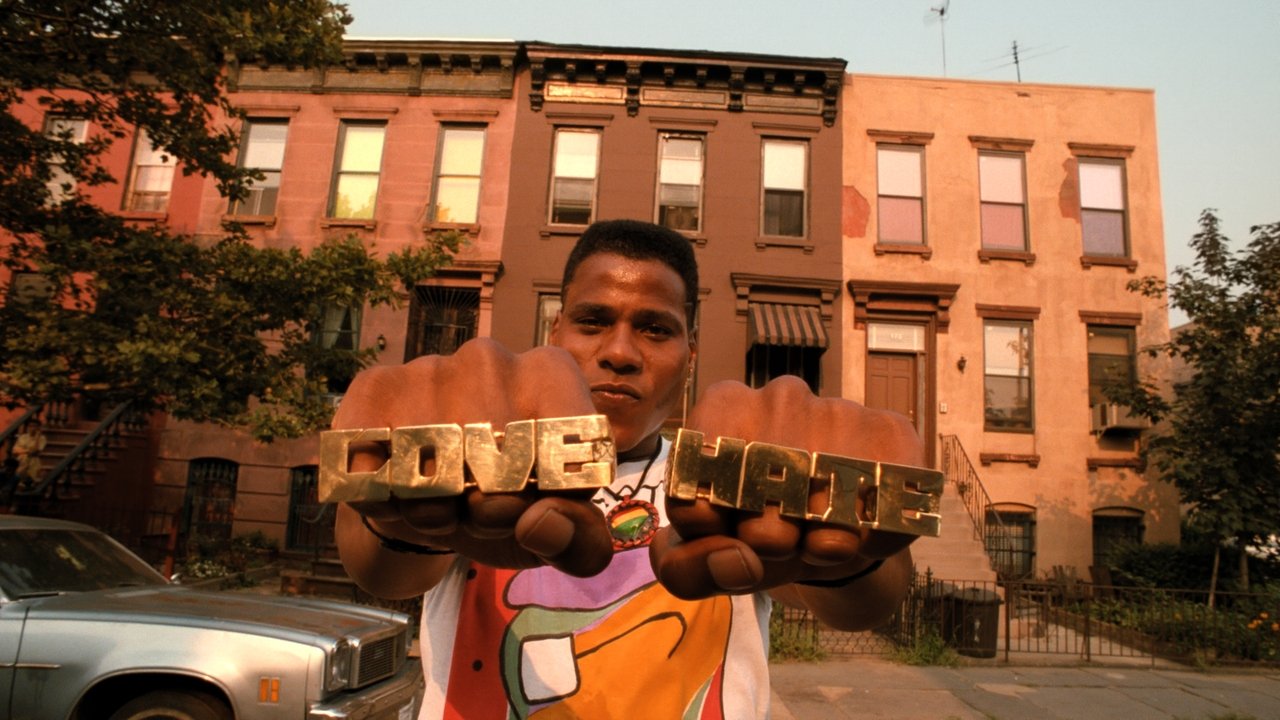
The film ends with two conflicting quotes—one from Martin Luther King Jr. advocating for non-violence, and one from Malcolm X arguing that violence is "intelligence" when used in self-defense. Spike Lee leaves them both on the screen, refusing to tell the audience which one to follow. It’s a cerebral ending that trusts the viewer to grapple with the messiness of the American racial landscape.
Decades later, Do the Right Thing hasn't aged a day. Its questions are still our questions; its heat is still our heat. It’s a film that demands to be discussed, debated, and felt. If you've only ever seen clips of the "rant" sequence or the final riot, do yourself a favor: find the biggest screen possible, turn off the AC, and let this masterpiece burn.
This isn't just a movie; it’s a cultural landmark that remains as vibrant and volatile as it was in 1989. Spike Lee managed to capture lightning in a bottle—or rather, a fire in a pizza oven. It challenges your biases while keeping you entertained with some of the sharpest dialogue ever written. It is, quite simply, essential cinema that earns every second of its runtime.
Keep Exploring...
-
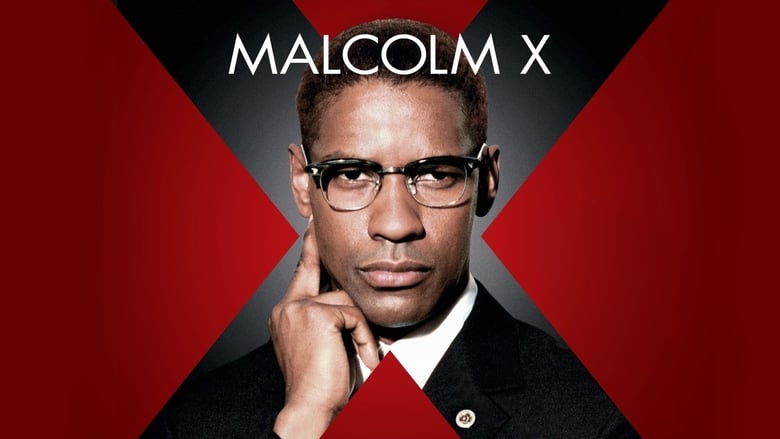
Malcolm X
1992
-
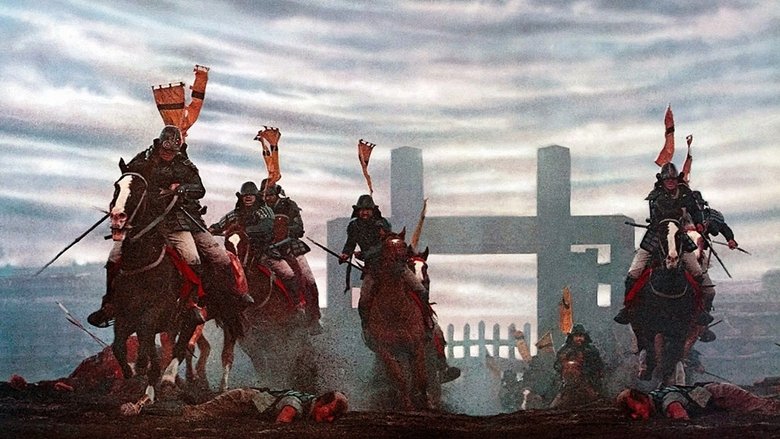
Ran
1985
-
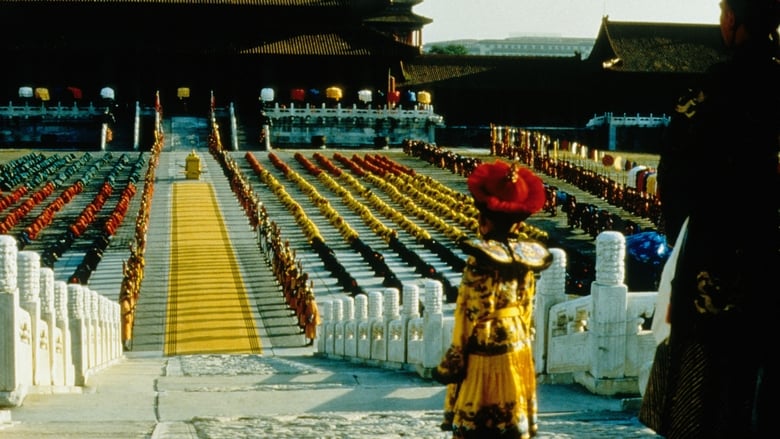
The Last Emperor
1987
-
Who's Afraid of Virginia Woolf?
1966
-
The Color of Money
1986
-

The Hustler
1961
-
Harold and Maude
1971
-
Being There
1979
-
Pink Floyd: The Wall
1982
-
Amadeus
1984
-
The Color Purple
1985
-
Rain Man
1988
-
Starman
1984
-
Pale Rider
1985
-
Hannah and Her Sisters
1986
-
Dangerous Liaisons
1988
-
Mississippi Burning
1988
-
Scrooged
1988
-
The Last Temptation of Christ
1988
-
Casualties of War
1989