Field of Dreams
"If you believe the impossible, the ghosts will play."
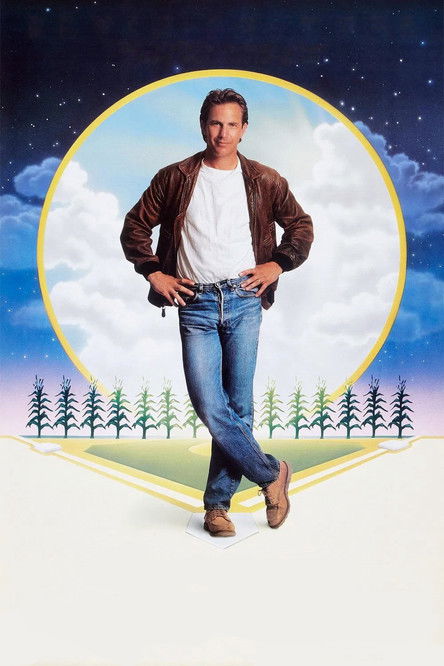
By the time 1989 rolled around, the "High Concept" movie had basically conquered the world. We were living in an era of muscle-bound icons and neon-soaked blockbusters, where every pitch could be summarized in a single, loud sentence. Then along comes Phil Alden Robinson with a script about a middle-aged farmer who hears voices in a cornfield and decides to plow under his profits to build a baseball diamond for ghosts. On paper, it sounds like a fast track to a studio tax write-off. In practice, it became one of the most enduring pieces of American mythology ever captured on celluloid.
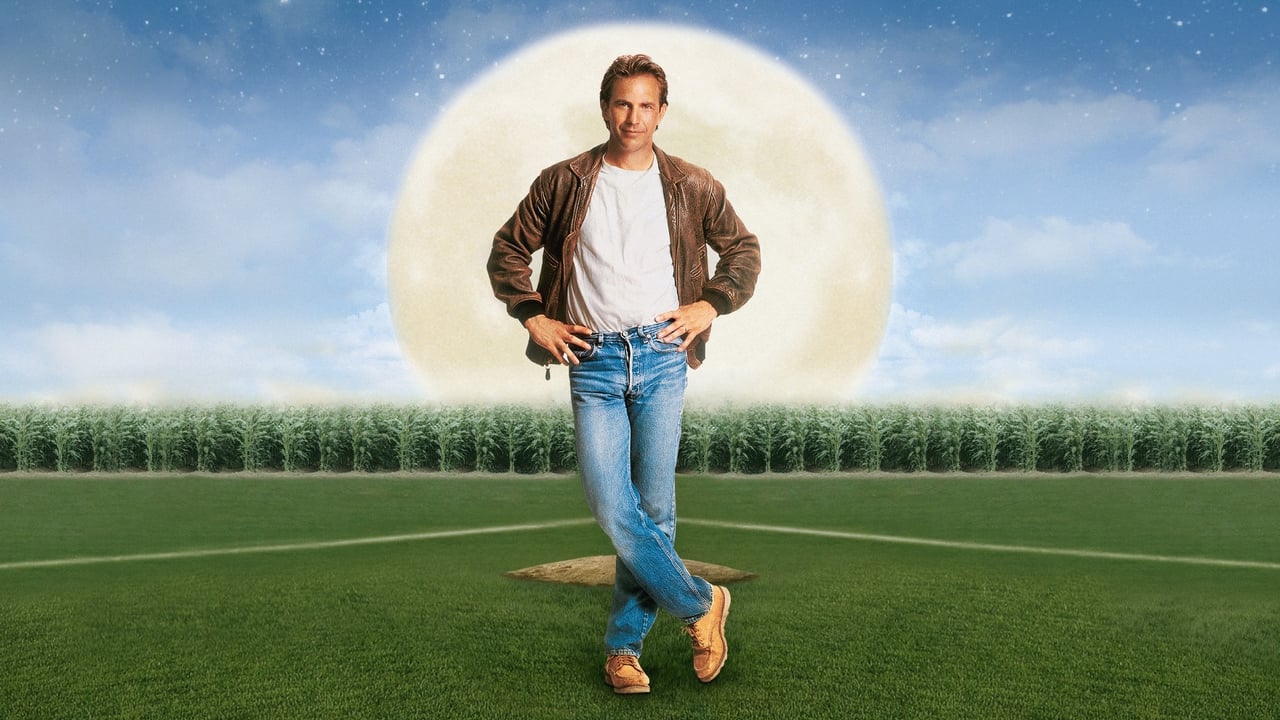
I watched this most recently on a Tuesday evening while eating a bowl of lukewarm SpaghettiOs, and honestly, the canned pasta saltiness really complemented the Midwestern sentimentality. There is something about Field of Dreams that demands a certain level of unpretentious comfort. It’s a film that shouldn’t work—it’s sentimental, it’s illogical, and it asks you to accept a lot of supernatural heavy lifting without a single explanation. Yet, it lands with the force of a fastball to the ribs because it isn't actually about baseball. It’s about the crushing weight of things left unsaid.
The Everyman in the Corn
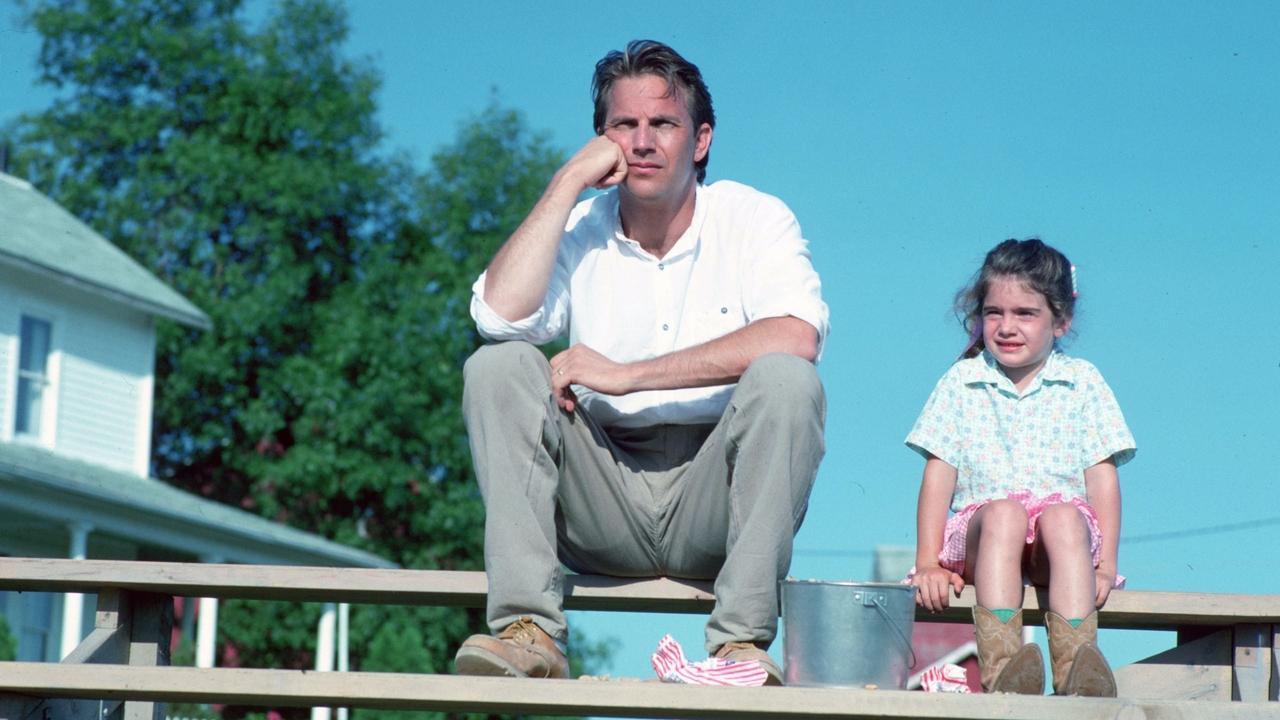
Kevin Costner was in the middle of an untouchable run here. Between Bull Durham and Dances with Wolves, he had perfected this specific brand of American Everyman—a guy who looks like he knows his way around a tractor but still has enough poetic longing in his eyes to make you believe he’d follow a ghost’s directions. His Ray Kinsella is remarkably grounded for a man experiencing a psychic break. He doesn't act like a "chosen one"; he acts like a guy who’s terrified of turning into his father and is willing to go broke just to prove he has an imagination.
The chemistry he shares with Amy Madigan, who plays his wife Annie, is the secret sauce that keeps the movie from drifting off into the ether. In most films of this era, the wife role is a thankless "don't do the crazy thing, honey" archetype. But Annie is right there in the trenches with him. When they’re sitting at the kitchen table weighing the cost of their mortgage against the whims of a celestial voice, she’s the one who says, "I think you're crazy, but I think I'm okay with it." It makes the fantasy feel domestic and real.
Ghosts and Grudges
Then there’s the late, great Ray Liotta as "Shoeless" Joe Jackson. This was before he became the face of manic intensity in Goodfellas, and he brings a haunting, ethereal quality to the role. He doesn't play Joe as a ghost; he plays him as a man who has finally been allowed to breathe again. Every time he steps out of that cornfield, you can feel the physical relief of a ballplayer who just wants one more crack at the plate.
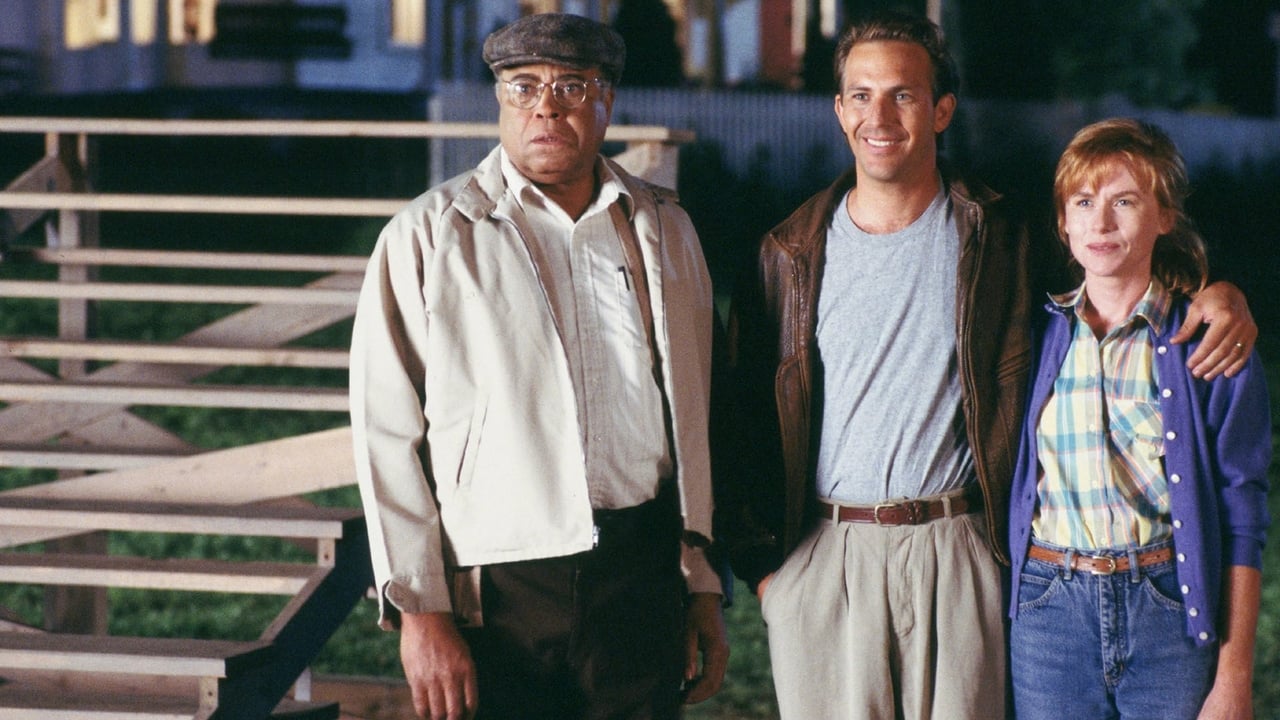
The middle act of the film shifts into a road movie, introducing us to James Earl Jones as the reclusive author Terrence Mann. Watching James Earl Jones deliver the "People will come, Ray" speech is a masterclass in how to use a voice to anchor a film's soul. It’s a piece of writing that could easily feel like a Hallmark card, but in his resonant baritone, it feels like scripture. And let’s be honest: Timothy Busfield’s Mark is the only person in this movie acting like a rational human being, and we hate him for it. He represents the cold, hard reality of the 80s—the foreclosure, the bottom line—and the movie delights in making him look like a fool for not seeing the magic.
The Practical Magic of the VHS Era
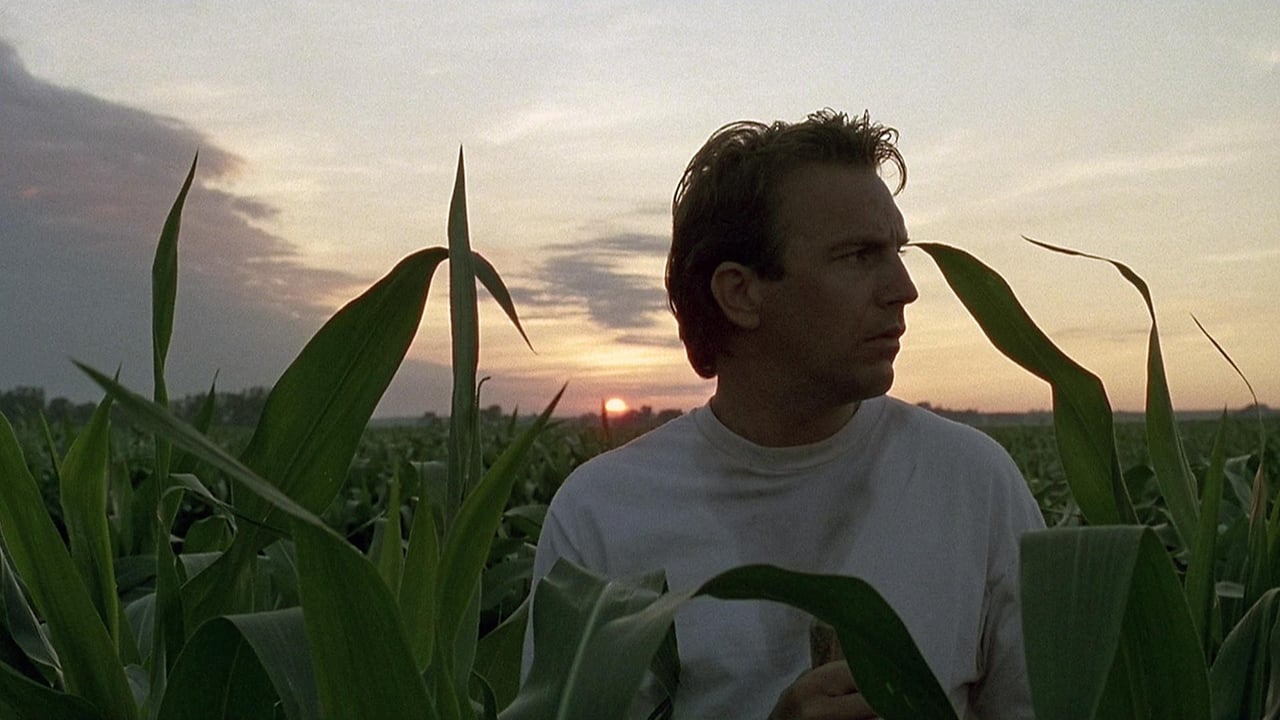
While we often praise the 80s for its practical creature effects, Field of Dreams used practical filmmaking to create atmosphere. They didn't have CGI to create a phantom stadium; they had to grow real corn, time the sunset shots perfectly, and hide the stadium lights behind the stalks to create that heavenly glow. John Lindley’s cinematography captures Iowa as a place of endless gold and deep, mysterious greens.
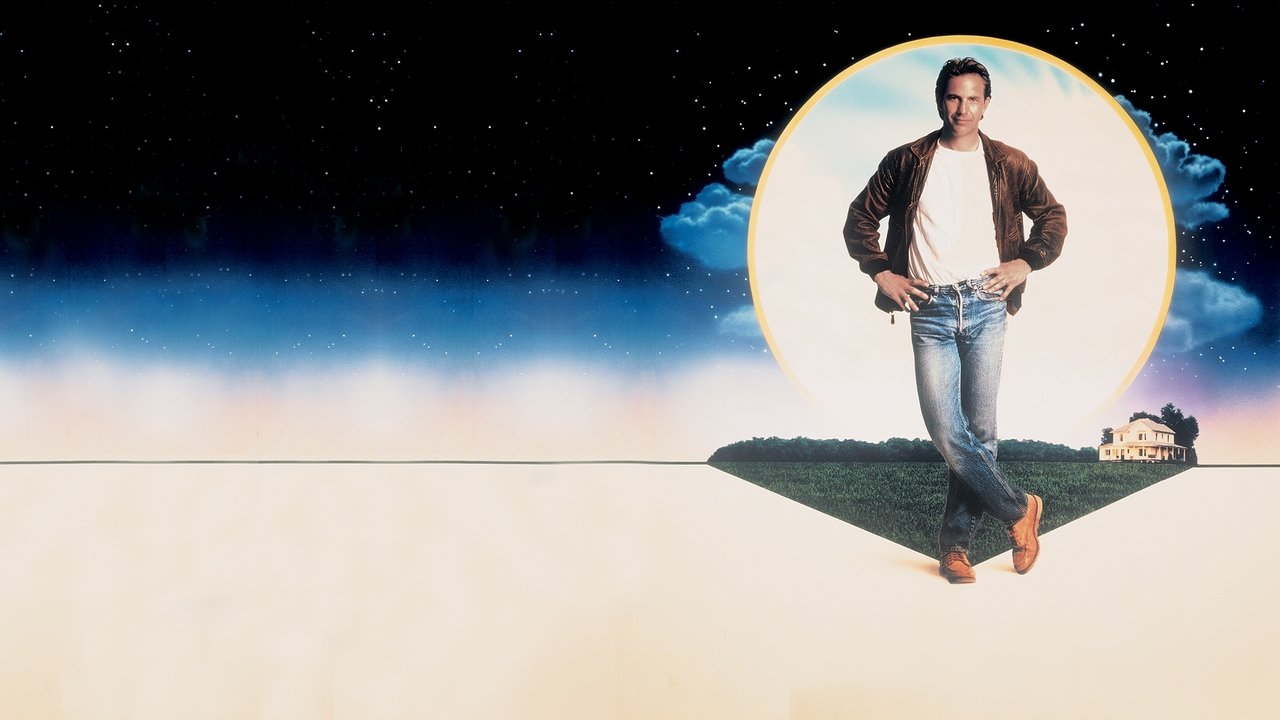
I remember the original MCA Home Video release—the one with the cover art showing Kevin Costner looking wistfully over his shoulder in a denim shirt. On a CRT television, through the slight fuzz of a well-loved VHS tape, the transition of the ballplayers disappearing into the corn looked genuinely supernatural. It wasn't about pixels; it was about the way the light hit the film grain. It felt like something you were discovering in your own backyard.
The production was a bit of a gamble, too. They had to dye the grass green because of a drought, and they actually built the field on two different farms, leading to a decades-long dispute between neighbors that felt almost as dramatic as the movie itself. That’s the kind of tangible, weird history you get from this era of filmmaking.
The film builds to a final scene that has probably caused more "dust in the eye" complaints than any other moment in cinema history. It’s the ultimate payoff for anyone who has ever had a complicated relationship with their parents. By the time the camera pulls back to show the line of cars winding through the Iowa night, the movie has successfully argued that some things—dreams, family, the game—are worth the risk of looking like a lunatic. It’s a beautiful, sincere, and slightly weird masterpiece that reminds us why we watch movies in the first place: to see the things we can only hear in our heads.
Keep Exploring...
-

Scrooged
1988
-

All Dogs Go to Heaven
1989
-
Sneakers
1992
-
Uncle Buck
1989
-

Big
1988
-
The NeverEnding Story
1984
-
Kiki's Delivery Service
1989
-
Red Dawn
1984
-
Splash
1984
-
Starman
1984
-
Cocoon
1985
-

Enemy Mine
1985
-
Ladyhawke
1985
-
Legend
1985
-
Pale Rider
1985
-

Return to Oz
1985
-
The Purple Rose of Cairo
1985
-
Weird Science
1985
-

An American Tail
1986
-
Hannah and Her Sisters
1986