Ghostbusters II
"The boys are back in business, and business is slime."
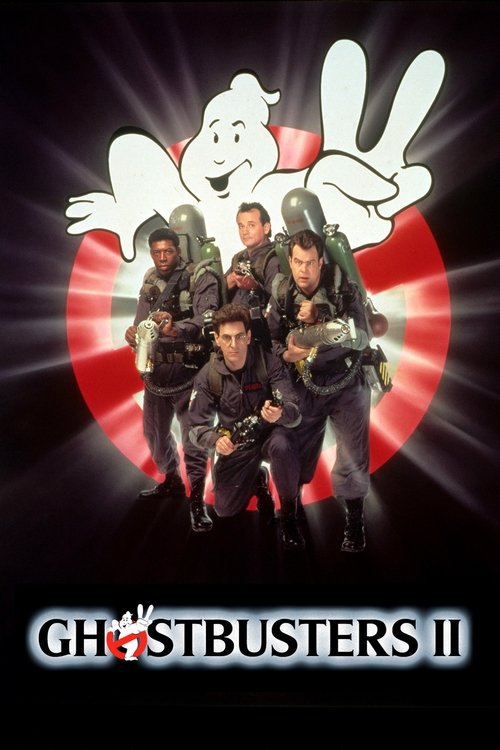
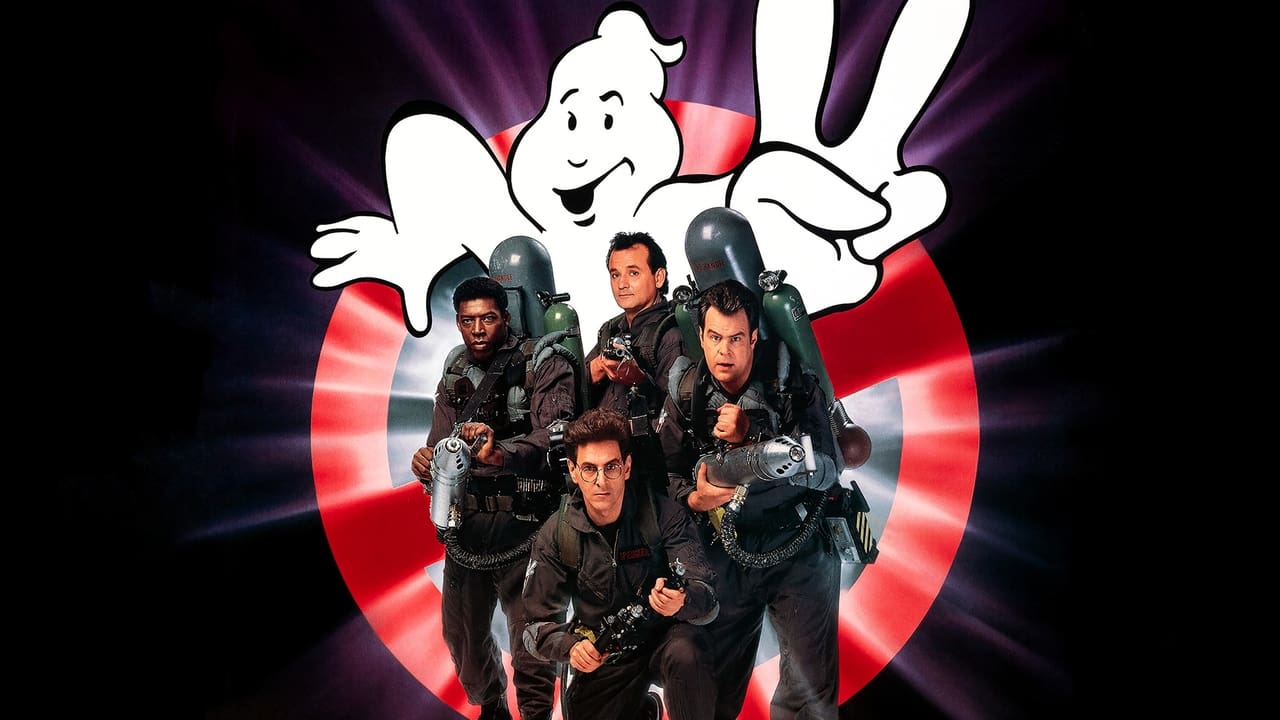
Seeing Bill Murray's Peter Venkman reduced to hosting a bargain-bin psychic talk show called "World of the Psychic" is the perfect, cynical opening for a sequel that had no right to be as fun as it turned out to be. When Ghostbusters II landed in the summer of 1989, it was part of a massive "Year of the Sequel" tidal wave, competing with Batman and Indiana Jones and the Last Crusade. While the critics sharpened their knives, I found myself increasingly drawn to the film’s weird, grimy, New York City energy. It’s a movie that understands a fundamental truth: even if you save the world from a giant marshmallow man, the city will still find a way to sue you and put you out of business.
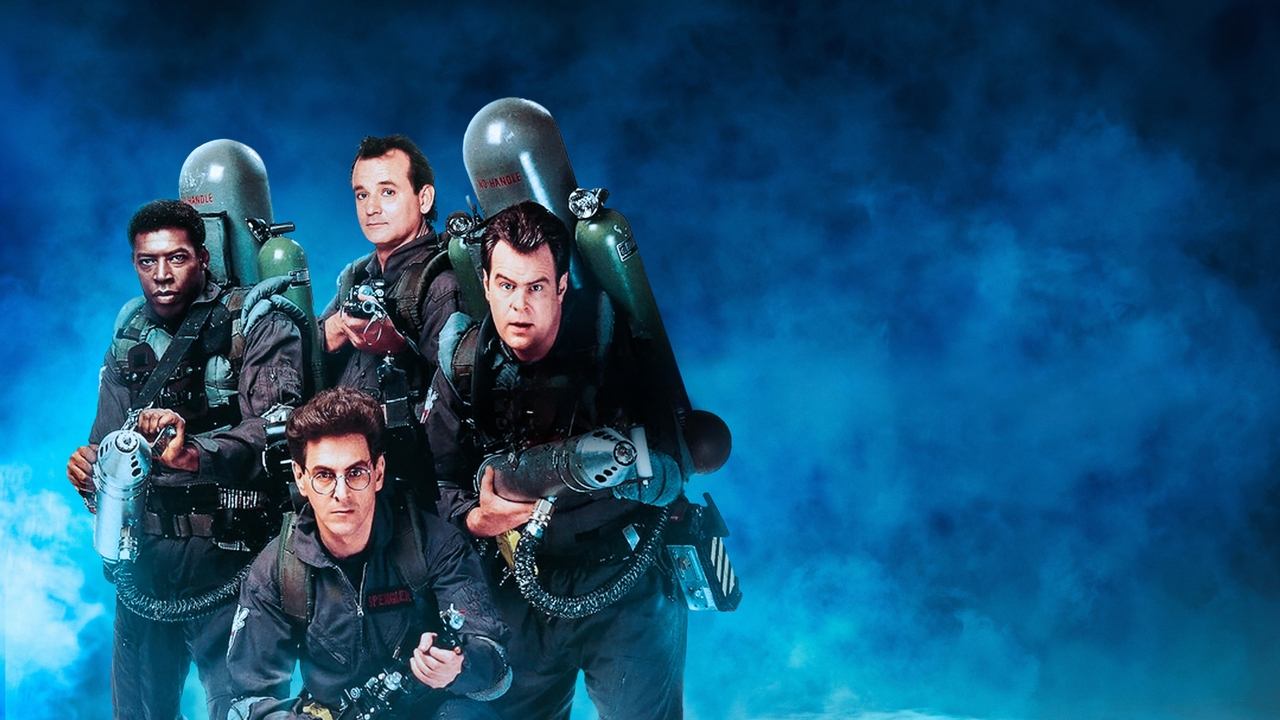
I watched my most recent screening of this while trying to fix a leaky kitchen faucet with duct tape, and the DIY, blue-collar struggle of the Ghostbusters suddenly felt much more relatable than it did when I was seven.
The Pink Ooze and the Practical Magic
The core of the film revolves around a literal river of "mood slime" flowing beneath Manhattan, fueled by the collective rudeness and negativity of New Yorkers. It’s a brilliant comedic conceit—a physical manifestation of being flipped off in traffic. This gave the legendary effects team at Industrial Light & Magic (ILM) plenty to do. Before CGI became the answer to every question, we had the "Scoleri Brothers"—two high-voltage, electric-blue ghosts executed with a mix of animatronics and clever camera work. They have a weight and a jittery, terrifying presence that modern digital ghosts often lack.
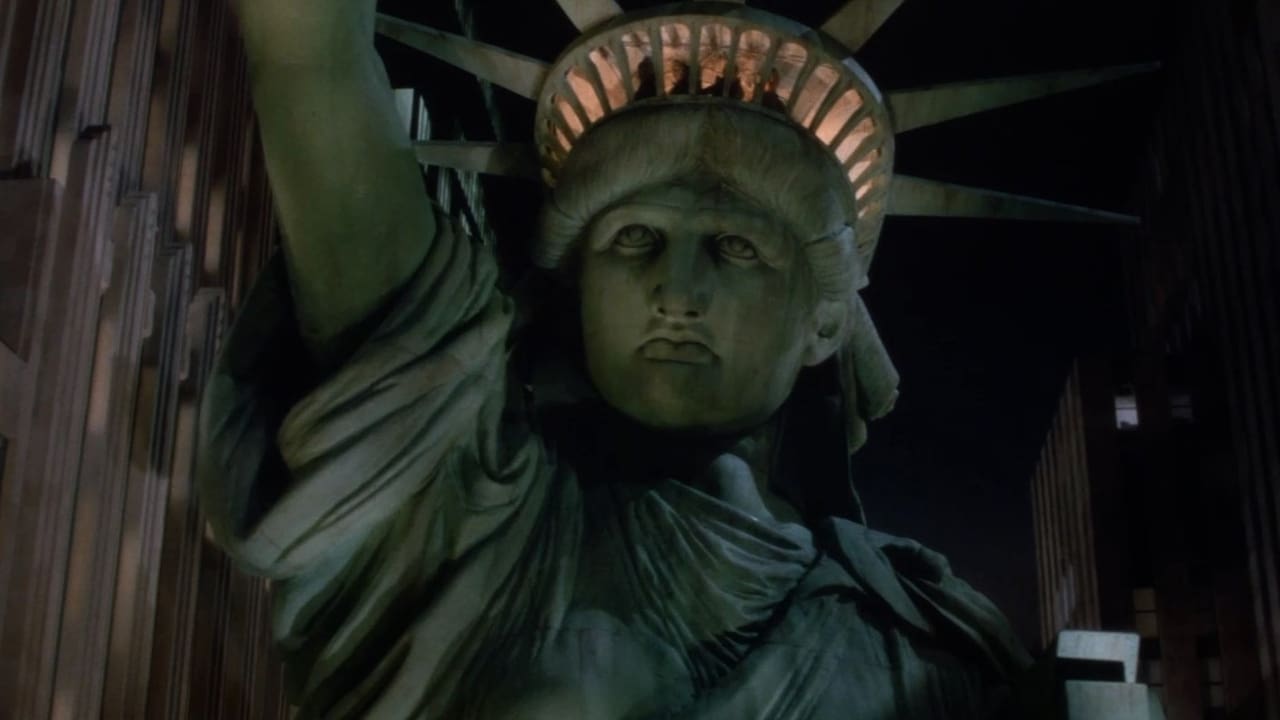
The slime itself was a triumph of 80s practical chemistry. The production used over 100,000 gallons of various viscosities of methocel, which is essentially the stuff they put in fast-food milkshakes to make them thick. Dan Aykroyd and Harold Ramis wrote a script that leaned into this tactile mess, and you can see the cast genuinely struggling with the goop. There’s a specific texture to late-80s filmmaking—the matte paintings of the New York skyline and the miniature work on the Statue of Liberty—that feels like a warm hug for anyone who grew up browsing the "Comedy" aisle of a local video store.
Deadpan Magic in a Suit of Slime
What saves the movie from being a mere retread is the chemistry. You can tell these guys actually liked being in the same room. Bill Murray is at his peak "I’m only here for the paycheck but I’ll make it art" phase, delivering lines with a bored brilliance that makes every scene better. His pursuit of Sigourney Weaver’s Dana Barrett—now a mother working in art restoration—gives the movie its heart. Weaver plays the "straight man" perfectly, grounding the absurdity of a possessed painting named Vigo the Carpathian.
Vigo himself is a top-tier 80s villain. Played by Wilhelm von Homburg (and voiced by Max von Sydow), he looks like a disappointed geography teacher who has spent too much time at a Renaissance fair. The way the painting subtly changes throughout the movie is a great bit of visual storytelling that kept me on edge as a kid. Meanwhile, Rick Moranis as Louis Tully getting to suit up as the fifth Ghostbuster is the kind of fan-service that actually works because Moranis is a comedic vacuum who sucks all the oxygen out of a room in the best way possible.
The Legacy of the VHS Sleepover
While the first Ghostbusters is the "perfect" film, Ghostbusters II was the one that lived in my VCR. I remember the specific neon-pink font on the VHS box and the way the tape would track poorly during the scene where the bathtub tries to eat Dana’s baby. It was a staple of late-80s marketing, complete with a Bobby Brown cameo and the infectious "On Our Own" track that dominated the radio. The final act involving a walking Statue of Liberty is essentially a giant, glorious bathtub toy commercial, but when those crowds start singing "Auld Lang Syne" to defeat the slime, it’s hard not to feel a bit of that manipulated 80s optimism.
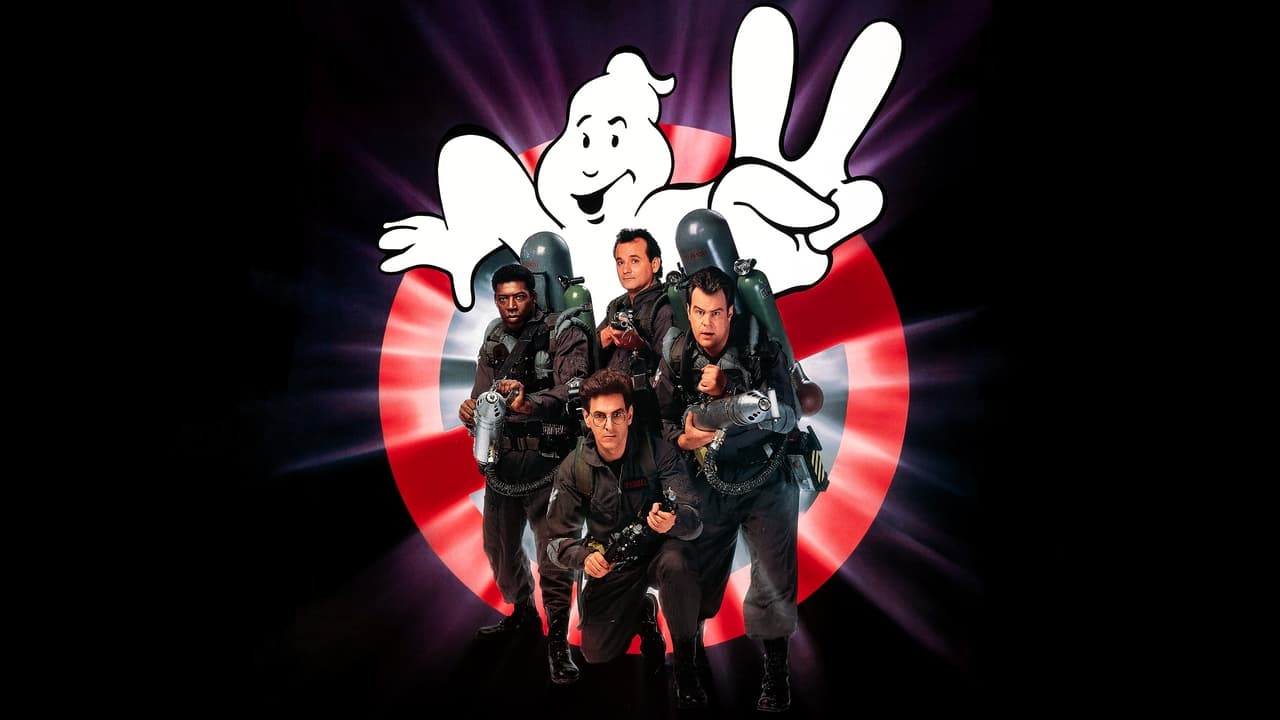
Is it as tight as the original? No. Is the courtroom scene where they fight the Scoleri Brothers one of the best-constructed comedic action sequences of the decade? Absolutely. It’s a film that thrives on the "second-chance" narrative, both for the characters and for the franchise itself. Ernie Hudson finally gets a bit more to do here, and the interplay between the four leads feels like a well-worn glove. It’s a sequel that knows it’s a sequel, leaning into the "Guess who's coming to save the world again?" tagline with a knowing wink.
Ghostbusters II might be the "mood slime" of sequels—initially born from a place of corporate necessity, but eventually bubbling over with enough charm and practical-effects wizardry to win you over. It captures a very specific 1989 New York vibe that’s equal parts cynical and hopeful. It’s not the masterpiece its predecessor was, but it’s a damn fine way to spend 108 minutes with some old friends. Just watch out for the pink ooze in the toaster.
---
Keep Exploring...
-
Ghostbusters
1984
-
Stripes
1981
-

Ghostbusters: Afterlife
2021
-
Ghostbusters: Frozen Empire
2024
-
Twins
1988
-
Scrooged
1988
-
Gremlins
1984
-

Big
1988
-
Kindergarten Cop
1990
-

Mary Poppins
1964
-
The Rocky Horror Picture Show
1975
-
Splash
1984
-
Ladyhawke
1985
-
The Purple Rose of Cairo
1985
-
Weird Science
1985
-
Big Trouble in Little China
1986
-

The Witches of Eastwick
1987
-
Beetlejuice
1988
-
Working Girl
1988
-

All Dogs Go to Heaven
1989