Glory
"A fight for a country that didn't yet fight for them."
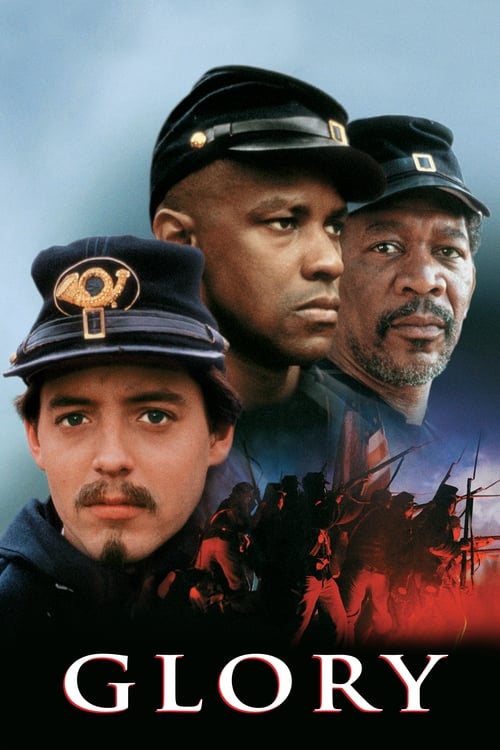
The tail end of 1989 was a noisy time at the multiplex. We had the high-octane excess of Lethal Weapon 2, the neon-drenched grit of Black Rain, and the arrival of a certain caped crusader in Gotham. But amid all that Reagan-era blockbuster muscle, Edward Zwick dropped a historical drama that felt like it was forged in an entirely different furnace. Glory didn't arrive with the cynical edge of the New Hollywood 70s or the neon gloss of the 80s; it arrived with a solemn, heavy-hearted dignity that demanded you sit still and pay attention.
I recently revisited this one while trying to pick cat hair off a fleece blanket with a piece of packing tape, and honestly, the rhythmic sticking sound was the only thing keeping me from completely losing it during the final act. It’s a film that earns its weight, gram by agonizing gram.
The Face of the 54th
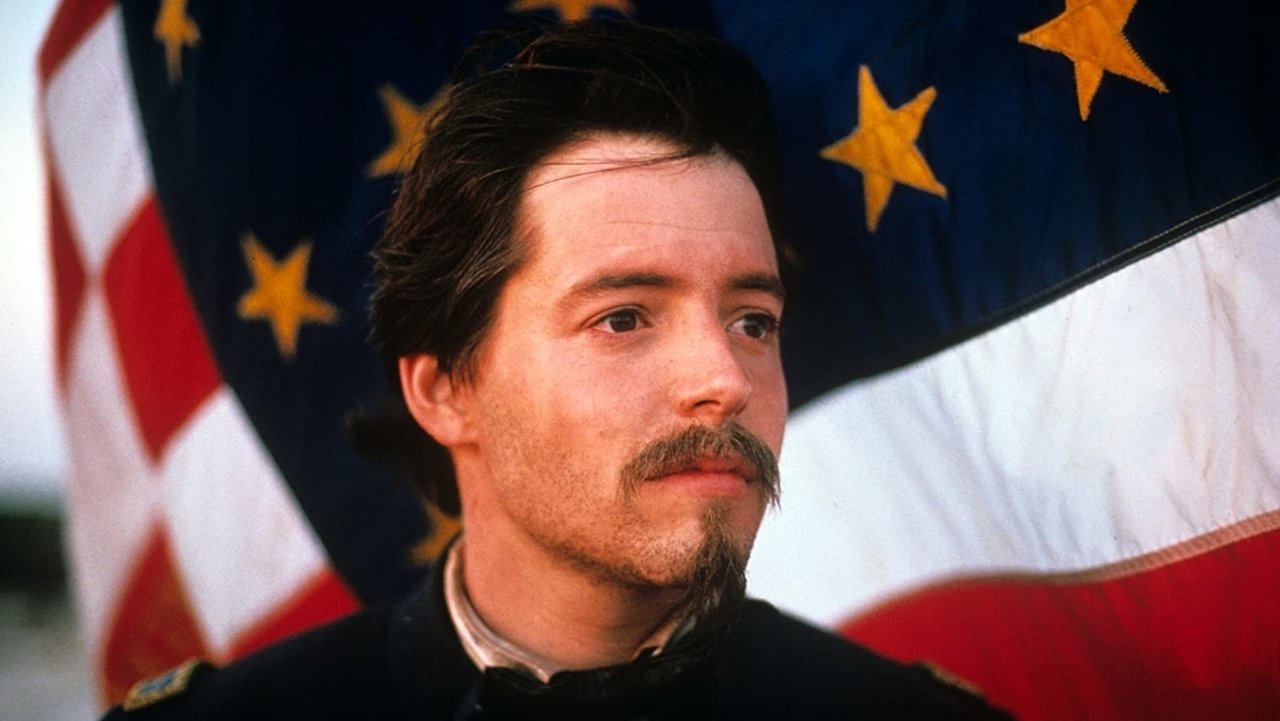
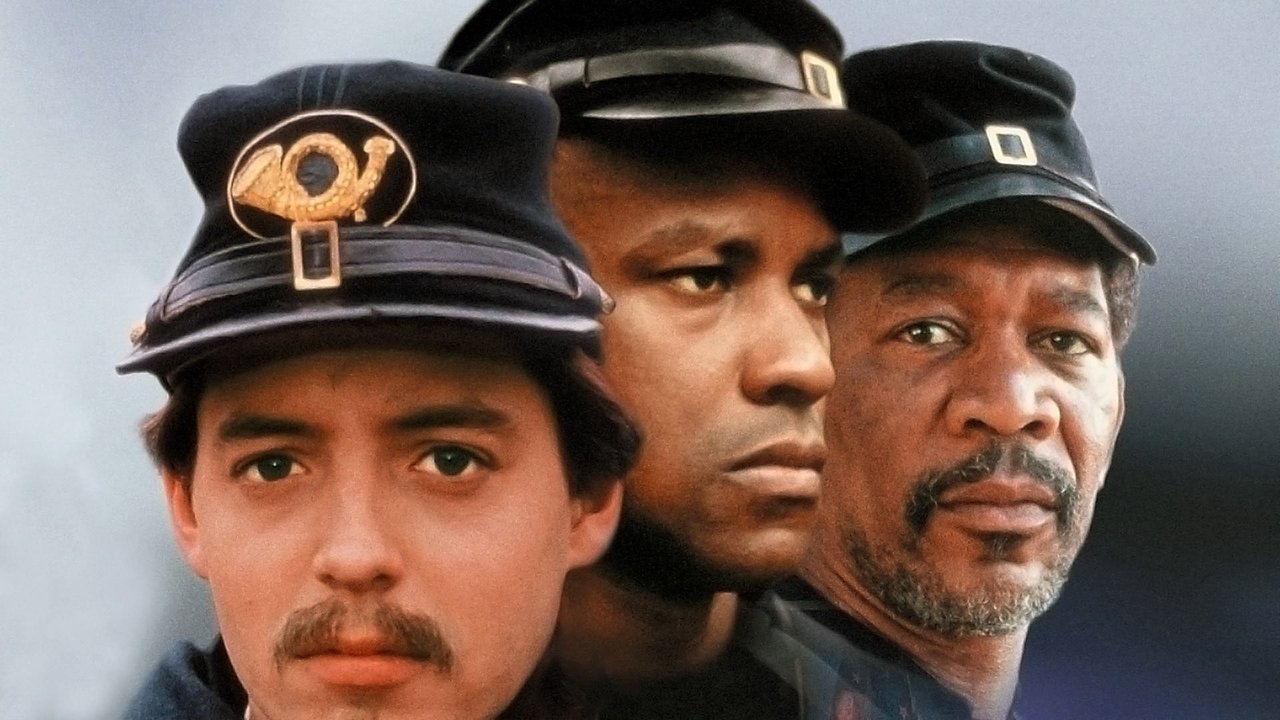
The brilliance of Glory lies in how it balances the macro-history of the Civil War with the micro-struggles of the 54th Massachusetts Volunteer Infantry. At the center is Matthew Broderick as Col. Robert Gould Shaw. For years, critics have argued that Broderick was too boyish, too slight for the role. I’d argue that’s exactly why he works. Shaw was 25 years old when he took command—a pampered Bostonian trying to grow a mustache and a backbone at the same pace. Broderick’s mustache deserves its own SAG card for the heavy lifting it does to age him, but his performance captures that specific brand of "fake it till you make it" leadership that defines young officers in over their heads.
Then there’s the powerhouse quartet in the ranks. Denzel Washington won his first Oscar here as Trip, and you can see why in every frame. He’s all scar tissue and righteous fury. There’s a scene where he’s being flogged—a moment captured in a tight, unflinching close-up—where Washington lets a single tear track down his face. It’s the most hardworking drop of salt water in cinema history, conveying a lifetime of trauma without a single line of dialogue.
He’s perfectly countered by Morgan Freeman as Rawlins, the group’s moral compass who brings a weary, gravitational pull to the screen. Toss in a young, incredibly precise Andre Braugher in his film debut as the educated Thomas, and Jihmi Kennedy as the stuttering sharpshooter Jupiter, and you have an ensemble that feels less like a cast and more like a brotherhood. Even Cary Elwes pops up as Maj. Forbes, providing a necessary bridge between Shaw’s idealism and the harsh reality of the camp.
Practical Fire and Ethereal Choirs
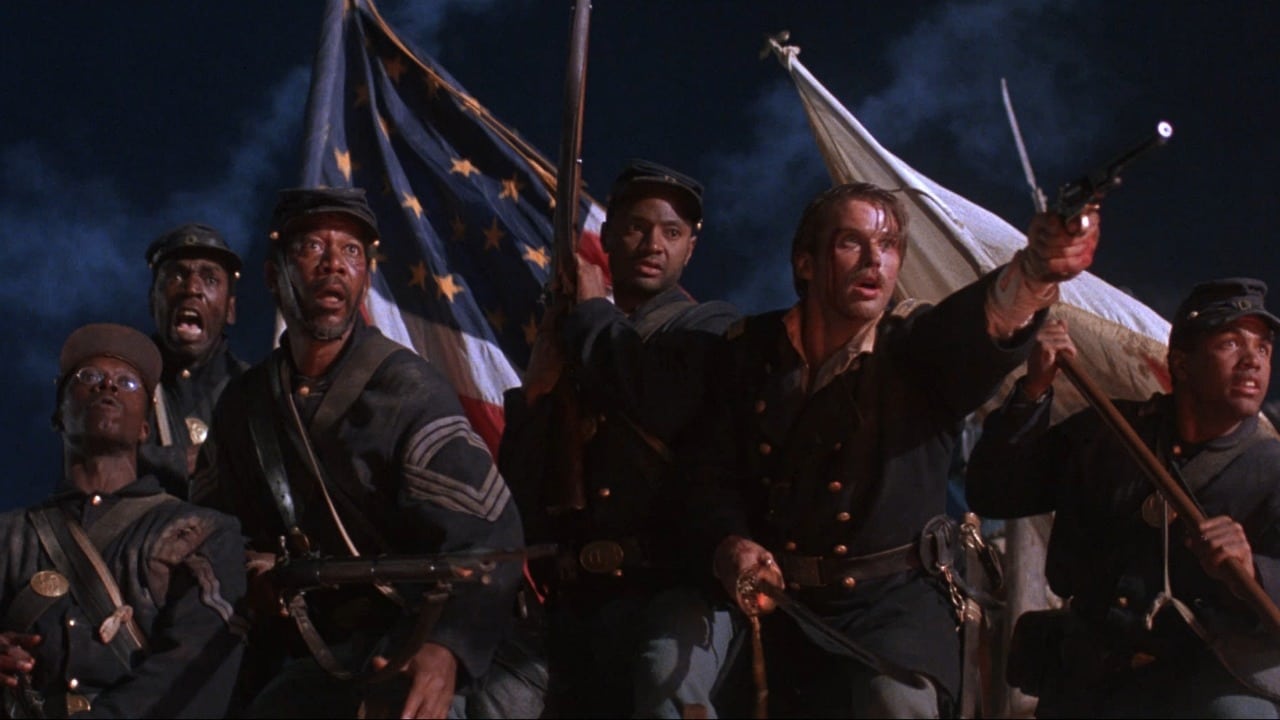
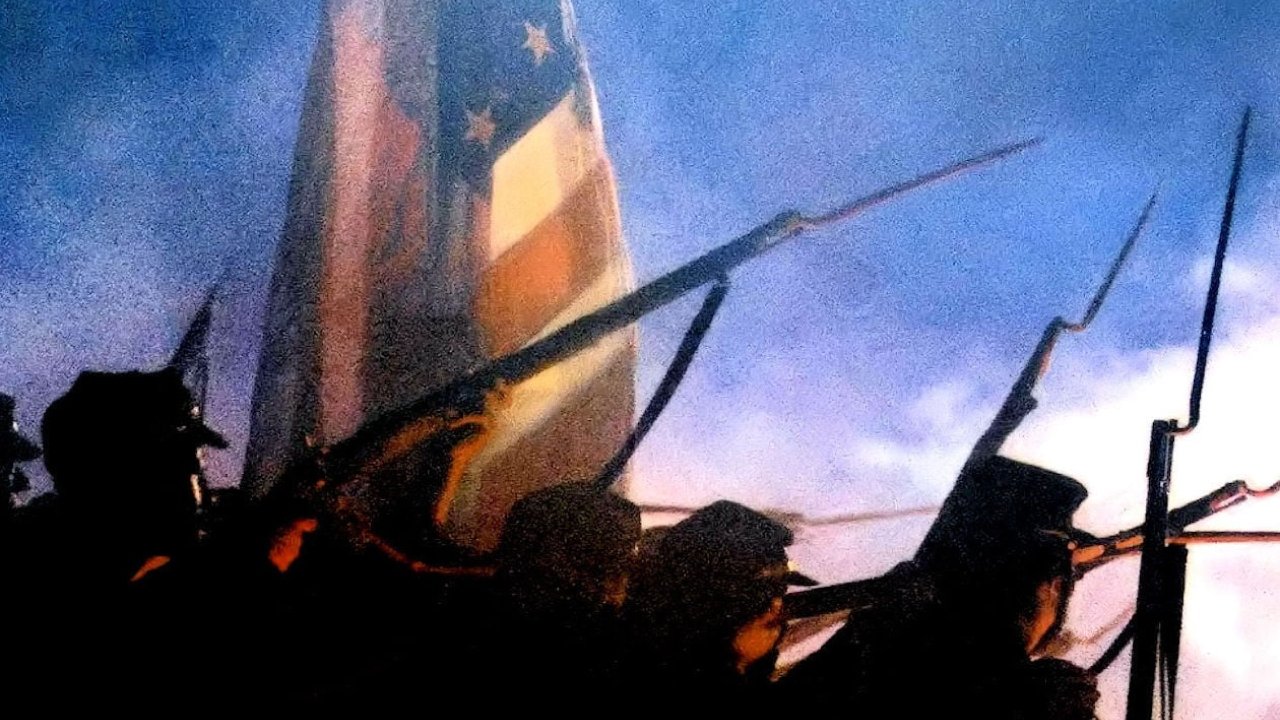
From a craft perspective, Glory is a triumph of pre-CGI filmmaking. This was the era of "if you want a thousand soldiers, you hire a thousand extras," and it shows. The battle scenes, captured by cinematographer Freddie Francis (who previously lensed The Elephant Man), have a tactile, muddy reality to them. You can practically smell the sulfur and the wet wool. When those cannons go off, you feel the percussion in your teeth. There’s no digital "filling in the gaps" here; when the 54th marches, the earth actually shakes.
Then there is the James Horner score. It is, in my humble opinion, one of the greatest compositions of the 1980s. Horner utilized the Boys Choir of Harlem to create a soundscape that feels both celestial and mournful. It’s the kind of music that elevates a standard war movie into something approaching a requiem. I know I’ve reached the "intense" part of the film when those high sopranos kick in over the image of blue uniforms against a blood-red sunset.
The film does take some liberties—the real Shaw was much more of a stickler for regulations than the movie suggests, and characters like Trip and Rawlins are fictional composites—but the emotional truth remains unassailable. The screenplay by Kevin Jarre was famously based on Shaw’s actual letters, which gives the narration a haunting, epistolary feel that grounds the grand spectacle in personal stakes.
The Legacy on the Small Screen
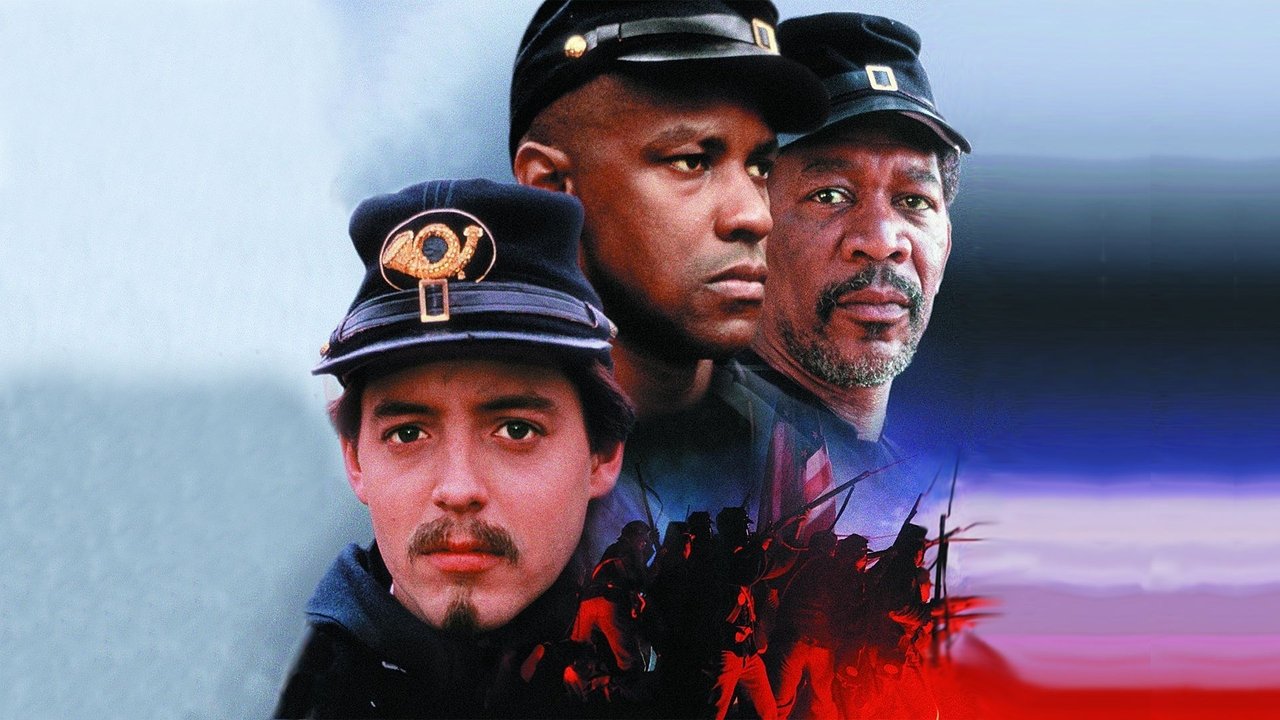
While Glory was a modest success at the box office, it truly found its life on home video. The box art was a staple of the "Drama" section at every Blockbuster and mom-and-pop rental shop for a decade. I remember the tracking on my old rental tape used to flicker right as the 54th marched past the white regiments on their way to Fort Wagner—a moment of silent, mutual recognition that always seemed to stress out my VCR's heads.
It became the definitive teaching tool, the movie every history teacher rolled out on a squeaky AV cart because it did what textbooks couldn't: it made the cost of the "Great Experiment" feel personal. It doesn't shy away from the horrific irony that these men were fighting for a Union that still didn't consider them citizens, or a military that initially refused to pay them a soldier's wage.
The ending at Fort Wagner is a brutal, uncompromising piece of cinema. It’s dark, it’s chaotic, and it refuses to give you the standard "Hollywood victory" ending. Instead, it gives you something much more haunting—the image of a shared grave where rank and race are finally, tragically, erased by the sand.
Glory is a heavyweight. It’s the kind of film that reminds you why we go to the movies—not just to be entertained, but to be moved and perhaps a little bit humbled. It’s a beautifully shot, superbly acted piece of history that manages to be patriotic without being blind, and tragic without being nihilistic. If you haven't seen it since that high school history class, it’s time to give it a proper look on the biggest screen you can find. Just keep the packing tape handy for the cat hair.
Keep Exploring...
-
Casualties of War
1989
-
Patton
1970
-
A Bridge Too Far
1977
-
Empire of the Sun
1987
-
Defiance
2008
-
Spartacus
1960
-
Barry Lyndon
1975
-

Legends of the Fall
1994
-
Das Boot
1981
-
The Longest Day
1962
-

Sophie's Choice
1982
-
Come and See
1985
-

Platoon
1986
-

Full Metal Jacket
1987
-
Good Morning, Vietnam
1987
-

Born on the Fourth of July
1989
-

The Zookeeper's Wife
2017
-
Heartbreak Ridge
1986
-
Courage Under Fire
1996
-
The Last Samurai
2003